

Expanding the circumstances that may constitute a major violation of the uniform controlled substances act.
HB 1000 expands the definition of a "major violation" under Washington's drug sentencing law (VUCSA) by adding specific scenarios that would trigger harsher penalties. It directly affects individuals convicted of drug offenses who meet new criteria, such as conducting three or more separate drug transactions, distributing large quantities beyond personal use, manufacturing drugs, or knowingly distributing fentanyl causing harm. Key provisions include listing factors like high position in drug distribution, sophisticated operations, or using professional roles (e.g., pharmacist) to facilitate drug trafficking. This bill changes sentencing guidelines - not criminal law - by clarifying when drug offenses qualify as "major" for enhanced penalties. It does not alter what constitutes illegal drug activity but affects sentencing outcomes for qualifying cases.
Bill status
in committee
1 of 4 stages cleared
Introduction
Jan 2026
Committee Review
Floor Vote
Governor
Introduced Jan 12, 2026
Last action Jan 12, 2026
Floor votes
How they voted
No floor votes recorded yet.
Full legislative history
Actions timeline
Total actions
3
Key actions
0
Committee
0
Jan 12, 2026
Introduced
By resolution, reintroduced and retained in present status.
lower
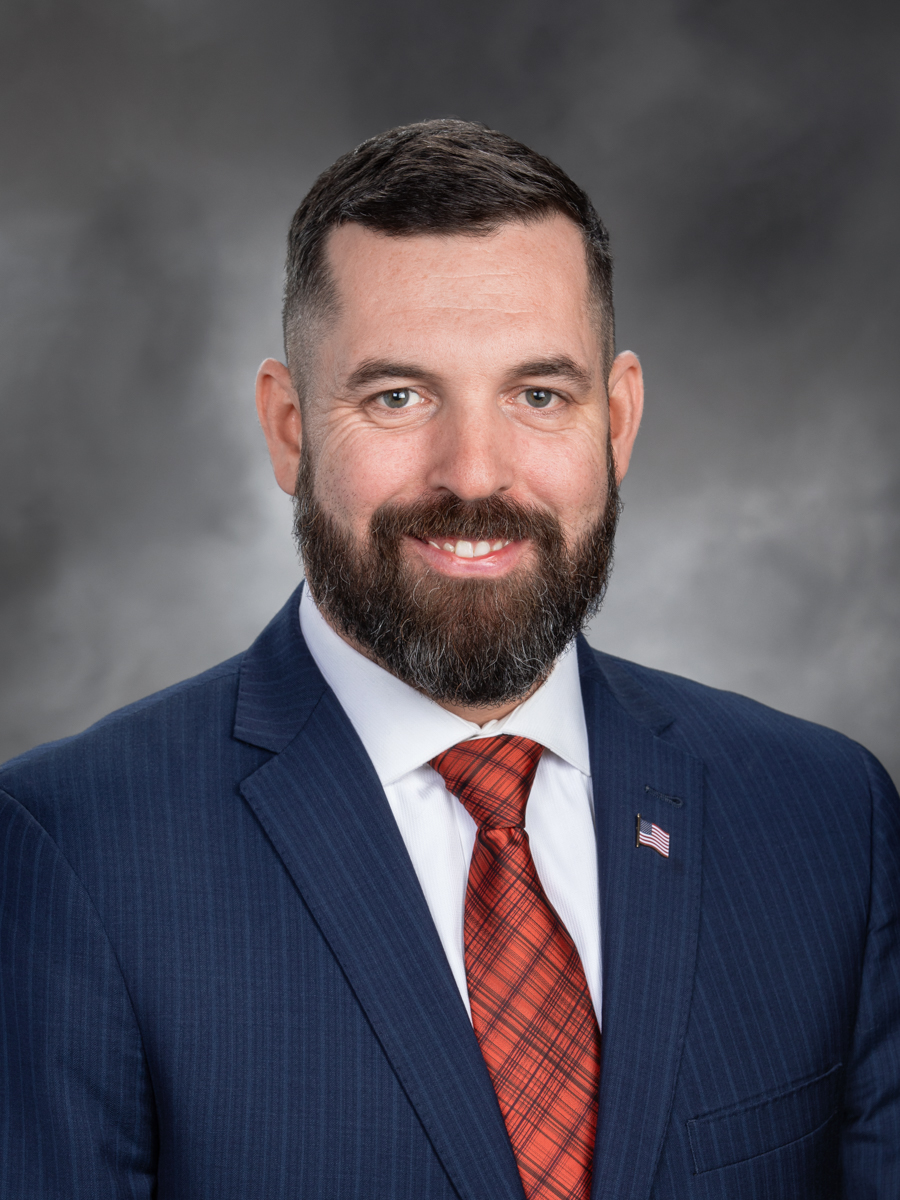
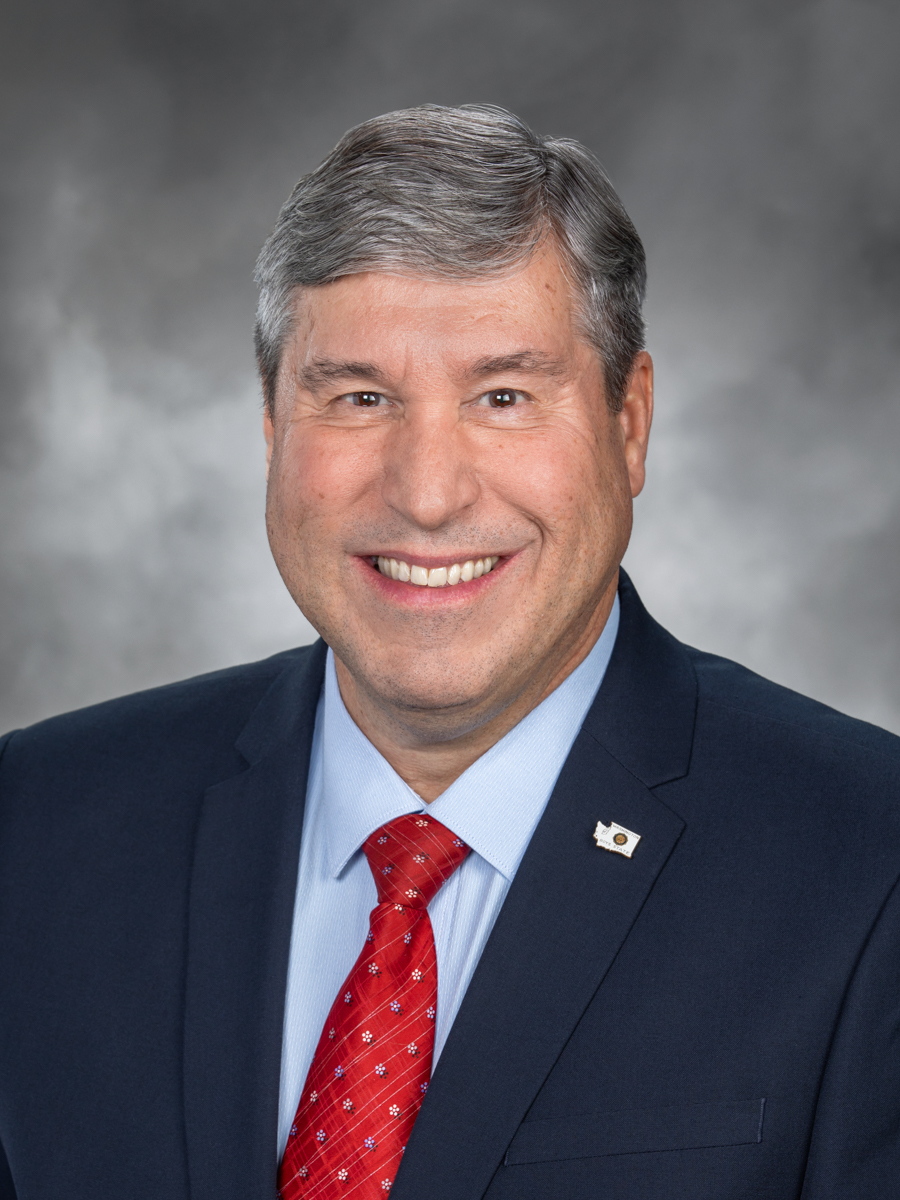
1 primary · 7 co-sponsors
Sponsors






Ask Maddy
·
AI policy assistant
Ask Maddy about HB 1000
Scope: WA
Hi! I can help you understand HB 1000. What would you like to know?
Try one of these
i
Maddy answers using official bill text and legislative records. Always verify before sharing.
Sources cited inline