Issue · Technology

Technology (Artificial Intelligence)

Every technology bill, vote, and legislator stance in Virginia, automatically classified by Maddy, our AI policy reader.

Total bills
17
2026 Regular Session
Top supporter
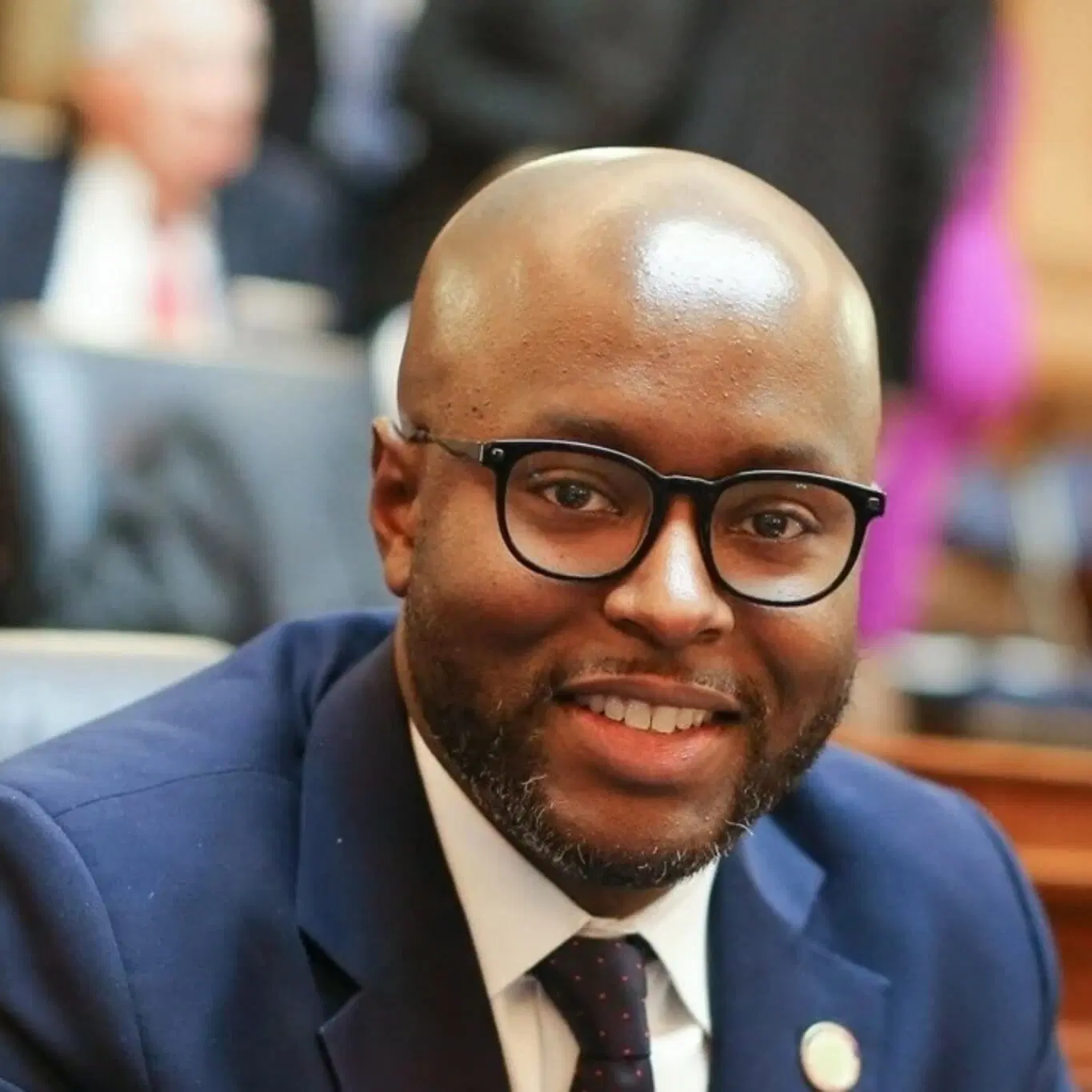
Alex Askew
100% support rate
Top opponent
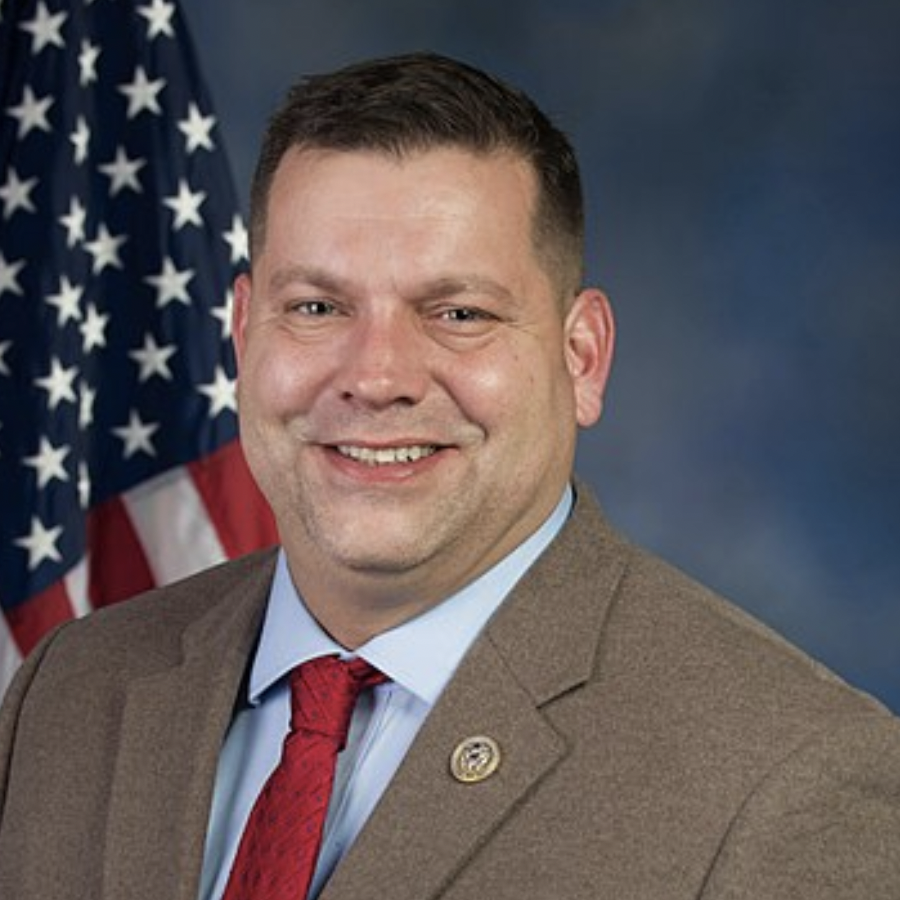
Tom Garrett
0% support rate
Ranked legislators
10
5 support · 5 oppose
Key legislators

Who's moving artificial intelligence in Virginia

Legislators moving artificial intelligence in Virginia
Legislator Party Stance Support rate Votes
Alex Askew
Alex Askew House · District 95
D
Strong +
100% 6
Anne Ferrell Tata
Anne Ferrell Tata House · District 99
R
Strong +
100% 6
Destiny LeVere Bolling
Destiny LeVere Bolling House · District 80
D
Strong +
100% 6
Rae Cousins
Rae Cousins House · District 79
D
Strong +
100% 6
Shelly Simonds
Shelly Simonds House · District 70
D
Strong +
100% 6
Tom Garrett
Tom Garrett House · District 56
R
Strong −
0% 6
Eric Zehr
Eric Zehr House · District 51
R
Strong −
0% 4
Phil Scott
Phil Scott House · District 63
R
Strong −
0% 4
Bill DeSteph
Bill DeSteph Senate · District 20
R
Strong −
0% 3
Bill Stanley
Bill Stanley Senate · District 7
R
Strong −
0% 3
Showing 11–17 of 17 bills

All technology bills

in committee · Virginia · House of Delegates Feb 18, 2026

HB 1250: Technology Governance and Coordination Program; established, report, sunset.

Department of Law; Technology Governance and Coordination Program; report. Directs the Office of the Attorney General to establish a Technology Governance and Coordination Program to support the Commonwealth's response to emergent technologies, including artificial intelligence, algorithmic systems, biometric systems, and automated decision-making tools. The bill requires the Office of the Attorney General to submit an annual report to the Joint Commission on Technology and Science by December 1, 2026.
signed · Virginia · House of Delegates Apr 6, 2026

HB 580: Consumer Counsel, Division of; establishing mechanisms for receiving and investigating complaints.

Division of Consumer Counsel; duties; artificial intelligence fraud and abuse. Expands the duties of the Division of Consumer Counsel to include establishing mechanisms for receiving and investigating complaints by the Commonwealth's consumers involving emerging technologies, including referring appropriate complaints to the federal, state, and local departments or agencies charged with the enforcement of applicable consumer laws.
Sub-Topics Artificial Intelligence Tags Consumer Protection
signed · Virginia · Senate Apr 8, 2026

SB 384: Artificial intelligence; framework for person/entity acting as an independent verification org.

Joint Commission on Technology and Science; artificial intelligence; independent verification organizations. Directs the Joint Commission on Technology and Science (JCOTS) to evaluate the feasibility and impact of developing a framework for any person or entity seeking to act as an independent verification organization that assesses artificial intelligence models' or applications' adherence to standards reflecting best practices for the prevention of personal injury and property damage. The bill directs JCOTS to submit a report with its recommendations and any findings to the Chairs of the Senate Committees on Finance and Appropriations and General Laws and Technology and the House Committees on Appropriations and Communications, Technology and Innovation by November 1, 2026.  This bill is identical to HB 797.
in committee · Virginia · House of Delegates Feb 2, 2026

HB 1521: Digital innovation & infrastructure; establishing rights in digital property & technology resources.

A BILL to amend the Code of Virginia by adding in Title 59.1 a chapter numbered 58, consisting of sections numbered 59.1-607 through 59.1-616, relating to digital innovation and infrastructure; establishing rights in digital property and technology resources; requiring risk management policies for critical infrastructure facilities controlled by critical artificial intelligence systems; providing safe harbors; preempting local regulation; and providing for enforcement and remedies.
signed · Virginia · House of Delegates Apr 2, 2026

HB 171: Student instruction; Internet safety, policy to include key modern digital safety topics.

Student instruction; internet safety; certain topics. Requires the internet safety component that is integrated into each school division's instructional program as required by its acceptable internet use policy to include instruction on key modern digital safety topics, including online scams, misinformation, and content generated by artificial intelligence.
in committee · Virginia · House of Delegates Feb 18, 2026

HB 999: Virginia Human Rights Act; equal credit opportunities, Virginia Fair Housing Law, nondiscrimination.

Virginia Human Rights Act; equal credit opportunities; Virginia Fair Housing Law; nondiscrimination by automated decision systems. Provides that it is an unlawful discriminatory practice for any person to deploy, use, or rely on an automated decision system to make a decision pursuant to the Virginia Human Rights Act, provisions related to equal credit opportunities, or the Virginia Fair Housing Law that results in discrimination or an unlawful disparate impact or that intentionally or knowingly uses variables or data fields that serve as close proxies for protected characteristics. The bill requires a person that deploys, uses, or relies on such a system to (i) disclose the use of such system to any individual who is the subject of such decision; (ii) annually assess such system for bias, disparate impact, and discriminatory outcomes; and (iii) maintain for no fewer than two years from the date a decision is made certain documentation relating to such system.
in committee · Virginia · House of Delegates Feb 2, 2026

HB 1295: Law enforcement; artificial intelligence inventory, civil action.

Law enforcement; artificial intelligence inventory; civil action. Requires all law-enforcement agencies, defined in the bill as any state or local law-enforcement agency or sheriff's department, to conduct an inventory of any covered artificial intelligence system, defined in the bill, used by such agency and to make such inventory publicly available by November 1 of each year. The bill also provides that the Attorney General may investigate and, if warranted, bring a civil action against any law-enforcement agency to obtain equitable or declaratory relief to enforce the provisions of the bill and provides that a resident of the jurisdiction may bring a civil action against the law-enforcement agency to obtain equitable or declaratory relief to enforce the provisions of the bill. The bill requires such plaintiff to provide written notice of any alleged violation to the law-enforcement agency at least 90 days prior to filing suit, in a manner that is reasonably calculated to enable the law-enforcement agency to cure the alleged violation.
Showing 11 to 17 of 17 bills