Issue · Environment

Environment

Every environment bill, vote, and legislator stance in Virginia, automatically classified by Maddy, our AI policy reader.

Total bills
158
2026 Regular Session
Top supporter
Bonita Anthony
99% support rate
Top opponent
Eric Zehr
2% support rate
Ranked legislators
10
5 support · 5 oppose
Key legislators

Who's moving environment in Virginia

Legislators moving environment in Virginia
Legislator Party Stance Support rate Votes
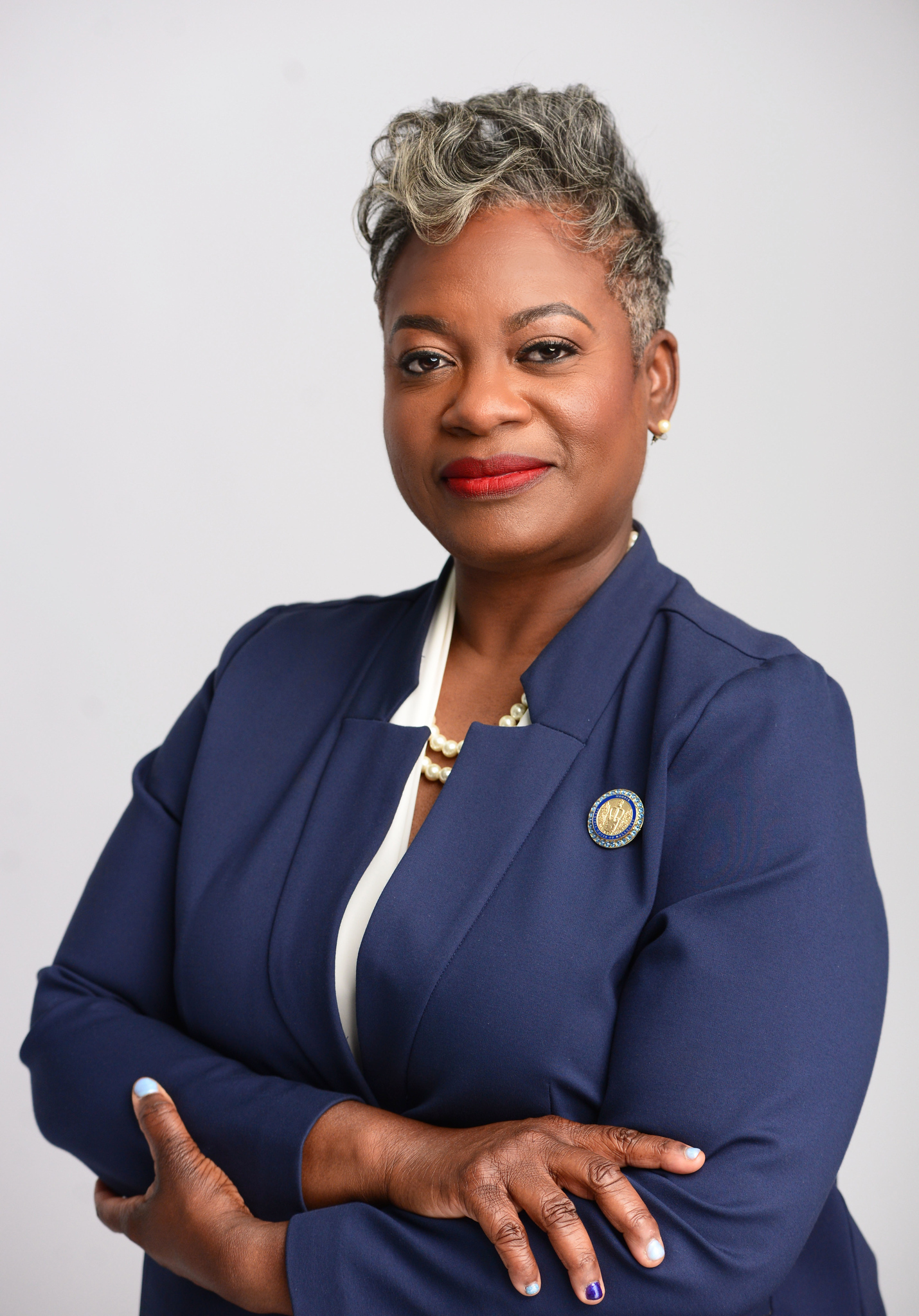
Bonita Anthony
Bonita Anthony House · District 92
D
Strong +
99% 113
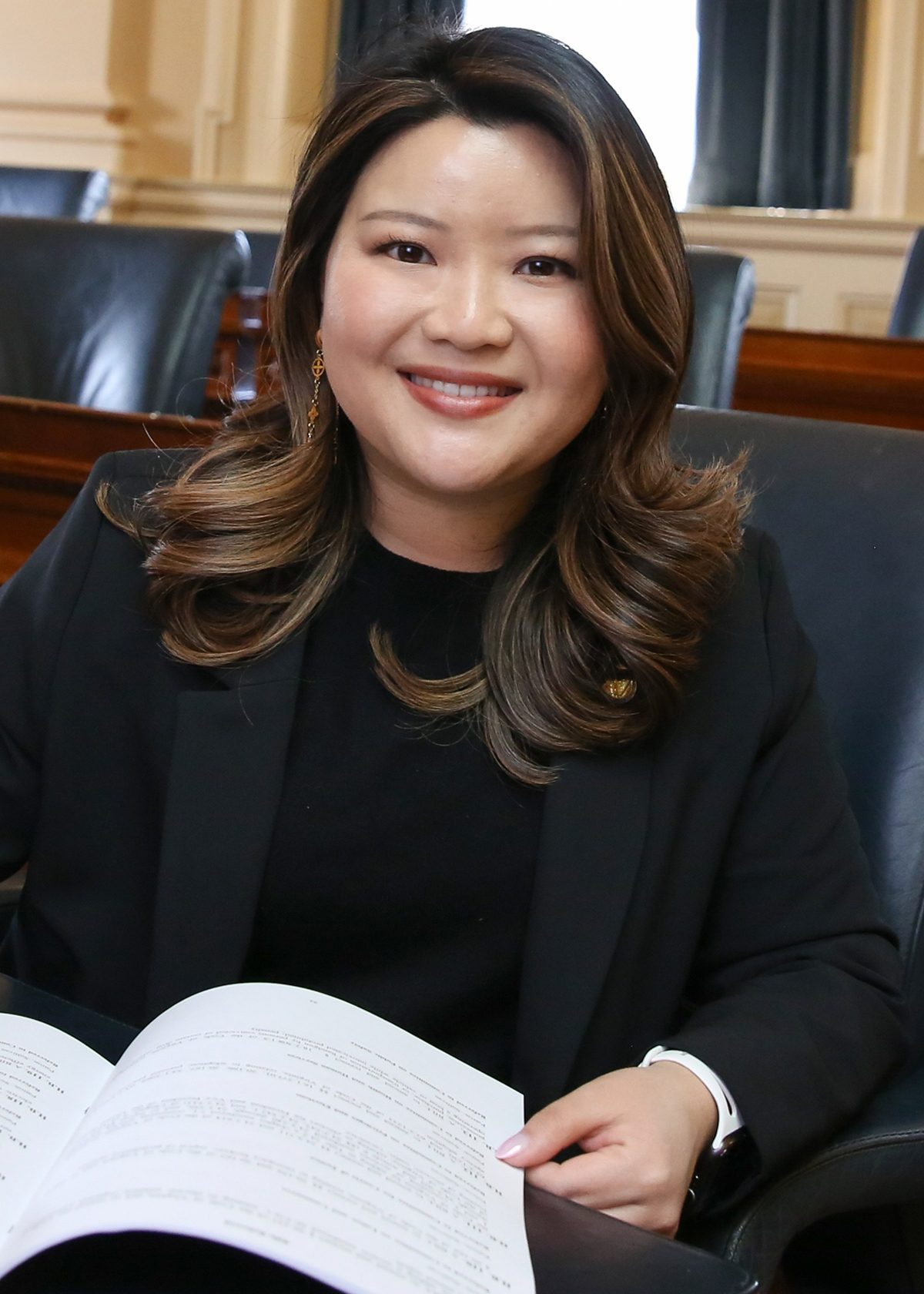
May Nivar
May Nivar House · District 57
D
Strong +
99% 113
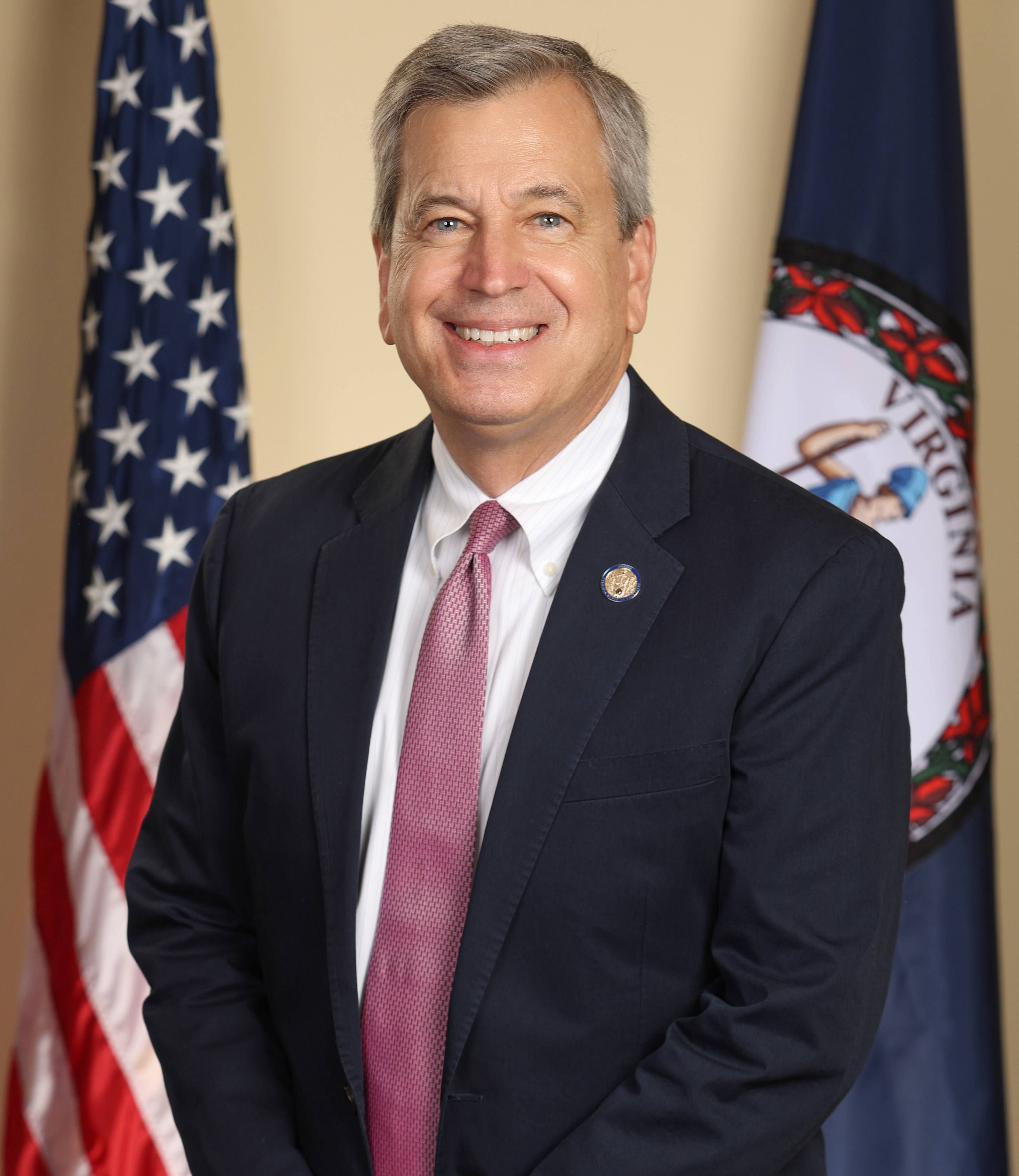
Irene Shin
Irene Shin House · District 8
D
Strong +
99% 115
Rip Sullivan
Rip Sullivan House · District 6
D
Strong +
99% 110
Michelle Maldonado
Michelle Maldonado House · District 20
D
Strong +
99% 108
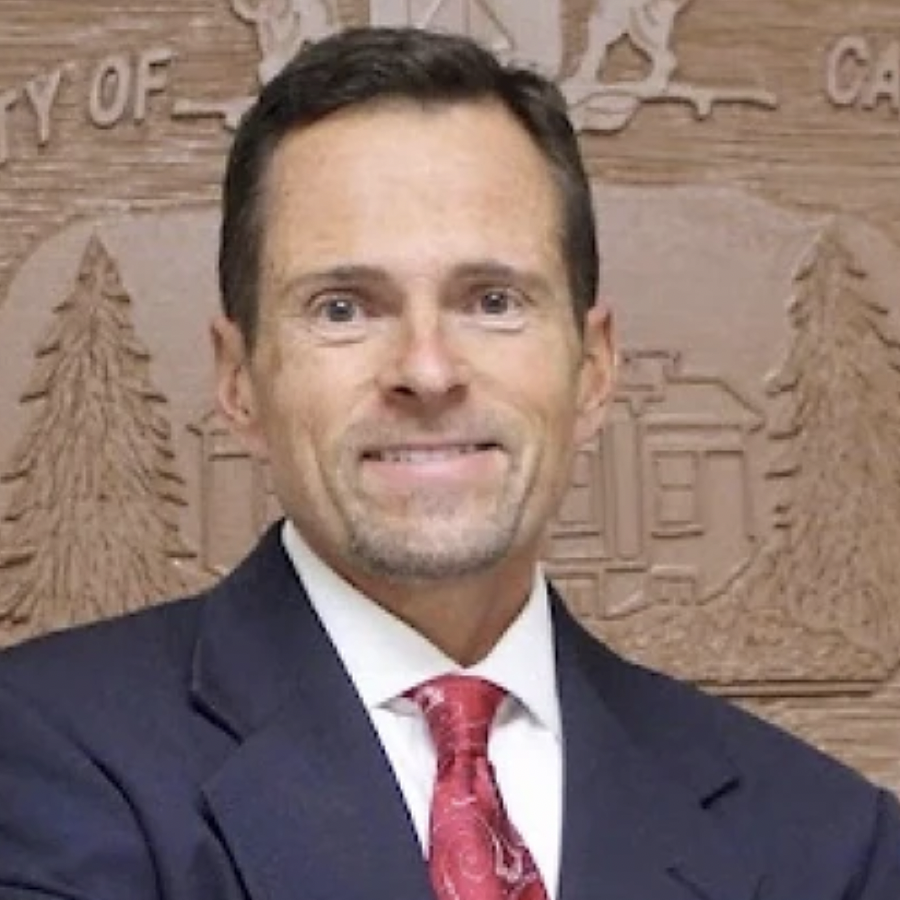
Eric Zehr
Eric Zehr House · District 51
R
Strong −
2% 85
Tim Griffin
Tim Griffin House · District 53
R
Strong −
2% 79
Delores Oates
Delores Oates House · District 31
R
Strong −
2% 84
Mitchell Cornett
Mitchell Cornett House · District 46
R
Strong −
2% 82
Phil Scott
Phil Scott House · District 63
R
Strong −
2% 81
Showing 71–80 of 158 bills

All environment bills

passed · Virginia · Senate Mar 6, 2026

SB 519: Land and urban areas; DCR shall assess how best to achieve permanent conservation by 2036, report.

Department of Conservation and Recreation; permanent land conservation feasibility; report. Directs the Department of Conservation and Recreation to assess how best to achieve permanent conservation by 2036 of (i) 20 percent of the land area of the Commonwealth and (ii) 10 percent of urban areas of the Commonwealth. The bill directs the Department to submit a report on its findings and any recommendations to achieve such permanent conservation goals to the Chairs of the Senate Committees on Finance and Appropriations and Agriculture, Conservation and Natural Resources and the House Committees on Appropriations and Agriculture, Chesapeake and Natural Resources no later than November 1, 2026.
Sub-Topics Conservation
in committee · Virginia · Senate Feb 12, 2026

SB 353: Consultation with federally recognized tribes; permits and reviews, etc.

Consultation with federally recognized tribes; permits and reviews with potential impacts on environmental, cultural, and historic resources. Adds to the duties of the Ombudsman for Tribal Consultation requirements to (i) facilitate communication between federally recognized tribes and relevant state agencies and local governments to ensure an opportunity for meaningful and timely consultation on environmental, cultural, and historical permits and reviews; (ii) assist the Department of Transportation in developing consultation policies; (iii) make recommendations to the Governor on the basis of communications with federally recognized tribes about (a) circumstances under which tribal consent should be required for issuance of certain permits and (b) additional agencies that should develop policies and procedures to ensure meaningful, timely, and appropriate consultation with federally recognized tribes; (iv) provide training at least once a year to certain state agency personnel on issues of concern to the federally recognized tribes to support effective communication, collaboration, and positive government-to-government relations between the Commonwealth and the federally recognized tribes; and (v) submit an annual report to the Secretary of the Commonwealth on the activities undertaken to implement such provisions and the issues that have arisen in that pursuit. The bill also requires the Department of Conservation and Recreation, Department of Environmental Quality, Department of Historic Resources, Department of Transportation, and Marine Resources Commission to engage in consultation with federally recognized tribes on certain issues. During such consultation, the burden is on the agency to show that it has made a good faith effort to elicit meaningful and timely feedback, including formal communication between agency employees and the federally recognized tribe. When a burial permit will result in the disturbance of a burial site of an individual that has a cultural affiliation with a particular federally recognized tribe, the bill requires the Department of Historic Resources to acquire the consent of such federally recognized tribe before issuing a permit for the archaeological excavation of human remains. This bill is a recommendation of the Commission on Updating Virginia Law to Reflect Federal Recognition of Virginia Tribes.
Sub-Topics Conservation Tags Tribal Nations
passed · Virginia · House of Delegates Mar 3, 2026

HB 500: New state park; Dept. of Conservation & Recreation to acquire prop. to establish in Loudoun County.

Department of Conservation and Recreation; acquisition of property to establish a state park; Loudoun County. Allows the Department of Conservation and Recreation to acquire from the Conservation Fund approximately 1,240 acres of real property and any buildings or structures thereon between Little River Turnpike, James Monroe Highway, and Tail Race Road, known as Oak Hill Farm, in Loudoun County for the purpose of establishing and operating a state park on such property. This bill incorporates HB 239.
signed · Virginia · House of Delegates Apr 13, 2026

HB 1072: Sewage sludge; local authority to test and monitor land application within its political boundaries.

Local authority to test and monitor the land application of sewage sludge within its political boundaries. Allows a locality to provide for testing and monitoring for perfluoroalkyl and polyfluoroalkyl substances, as defined in relevant law, of the land application of sewage sludge within its political boundaries using an applicable test method established by the U.S. Environmental Protection Agency. The bill prohibits any expenses from such testing and monitoring from being eligible for reimbursement from the Sludge Management Fund.
Sub-Topics Water Quality
vetoed · Virginia · Senate Apr 11, 2026

SB 342: Condemnation of conservation or open-space easement; compensation.

Condemnation of conservation or open-space easement; compensation. Provides that if a person takes by condemnation any land subject to a conservation easement or open-space easement, such person shall compensate the Commonwealth and the locality in which such land is located for certain tax credits and values enumerated in the bill. The bill specifies that any such compensation paid to the Commonwealth shall be in addition to compensation required by other provisions of law.
Sub-Topics Conservation
vetoed · Virginia · Senate Apr 13, 2026

SB 225: Virginia Clean Energy Innovation Bank; created, report, membership.

Virginia Clean Energy Innovation Bank; established; report. Creates the Virginia Clean Energy Innovation Bank to finance clean energy projects, greenhouse gas emissions reduction projects, and other qualified projects through the strategic deployment of public funds in the form of grants, loans, credit enhancements, and other financing mechanisms. An advisory board consisting of nonlegislative citizen members and ex officio members shall oversee the Bank and provide recommendations related to the Bank and its effectiveness. The bill contains provisions for (i) the powers and duties of the Bank, (ii) lending practices, (iii) a strategic plan, (iv) an investment strategy, (v) public outreach requirements, (vi) audits, and (vii) reporting requirements. This bill is identical to HB 1444.
vetoed · Virginia · Senate Apr 13, 2026

SB 344: Mammalian wildlife; premature separation and hybridization prohibited, exceptions.

Department of Wildlife Resources; premature separation and hybridization of mammalian wildlife prohibited; exceptions. Makes it unlawful to prematurely separate any mammalian wildlife offspring born in captivity from the mother prior to the offspring turning four months of age, except that wildlife offspring may be prematurely separated if a medical necessity exists pursuant to a written order from a veterinarian with appropriate species-specific experience and expertise licensed to practice in the Commonwealth. The bill excludes the following from its provisions: (i) agricultural animals; (ii) noncommercial transfers or trades between accredited zoological facilities; (iii) an accredited zoological facility, as defined in the bill, that retains the mammalian wildlife offspring separated by such zoological facility; (iv) the Department of Wildlife Resources, a person operating under a wildlife rehabilitator, scientific collection, or endangered and threatened species permit approved by the Department, or a person operating under a species recovery plan approved by the Department; (v) the U.S. Fish and Wildlife Service; or (vi) any person rendering emergency neonatal aide, including the temporary separation of up to 72 hours until a licensed veterinarian can be engaged for assessment and treatment. The bill also makes it unlawful to intentionally and for commercial purposes propagate mammalian wildlife of different species, also known as hybridization. This bill is identical to HB 112.
Sub-Topics Wildlife
passed · Virginia · Senate Mar 9, 2026

SB 499: Chesapeake Bay Pay for Outcomes Fund; established, report.

Chesapeake Bay Pay for Outcomes Fund established; report. Establishes the Chesapeake Bay Pay for Outcomes Fund to provide outcome-based payments for verified reductions in nutrient and sediment pollution from nonpoint sources within the Chesapeake Bay watershed of the Commonwealth. The Department of Environmental Quality is directed to (i) administer the Fund; (ii) establish a competitive solicitation process for awarding payments from the Fund; and (iii) submit an annual report detailing the projects approved for funding, obligations from the Fund, and outcomes to the Chairs of the Senate Committees on Agriculture, Conservation and Natural Resources and Finance and Appropriations and the House Committees on Agriculture, Chesapeake and Natural Resources and Appropriations by October 1 each year.
signed · Virginia · House of Delegates Apr 13, 2026

HB 1491: Electric utilities; construction of new overhead transmission lines, siting requirements.

Electric utilities; construction of certain electrical transmission lines; siting requirements. Requires the State Corporation Commission, in order to approve the construction of an electrical transmission line of 138 kilovolts or more, to determine that the corridor or route chosen for the line will avoid or reasonably minimize adverse impact to the greatest extent reasonably practicable on dwelling houses. For overhead transmission lines of 500 kilovolts or more constructed by Dominion Energy Virginia, the bill directs the Commission to prioritize approving corridors or routes for construction for which the center is located farther than 150 feet from any dwelling house, public or private school building, day care, or place of worship unless no other practicable alternative exists.
signed · Virginia · House of Delegates Apr 8, 2026

HB 710: Invasive plant species installation; written notification to property owners, civil penalty.

Board of Agriculture and Consumer Services; invasive plant species installation; written notification to property owners; civil penalty. Provides that the Board of Agriculture and Consumer Services may assess a civil penalty in an amount of not more than $250 for a first violation, $500 for a second violation, and $1,000 for each subsequent violation to any tradesperson involved with proposing or installing plants who fails to provide written notification to property owners when such plants are on the Department of Conservation and Recreation's list of invasive plant species. Current law provides that any such tradesperson who fails to provide such written notice is guilty of a Class 1 misdemeanor. This bill is identical to SB 383.
Sub-Topics Conservation
Showing 71 to 80 of 158 bills
Previous 1 7 8 9 16 Next