Issue · Environment

Environment

Every environment bill, vote, and legislator stance in Virginia, automatically classified by Maddy, our AI policy reader.

Total bills
158
2026 Regular Session
Top supporter
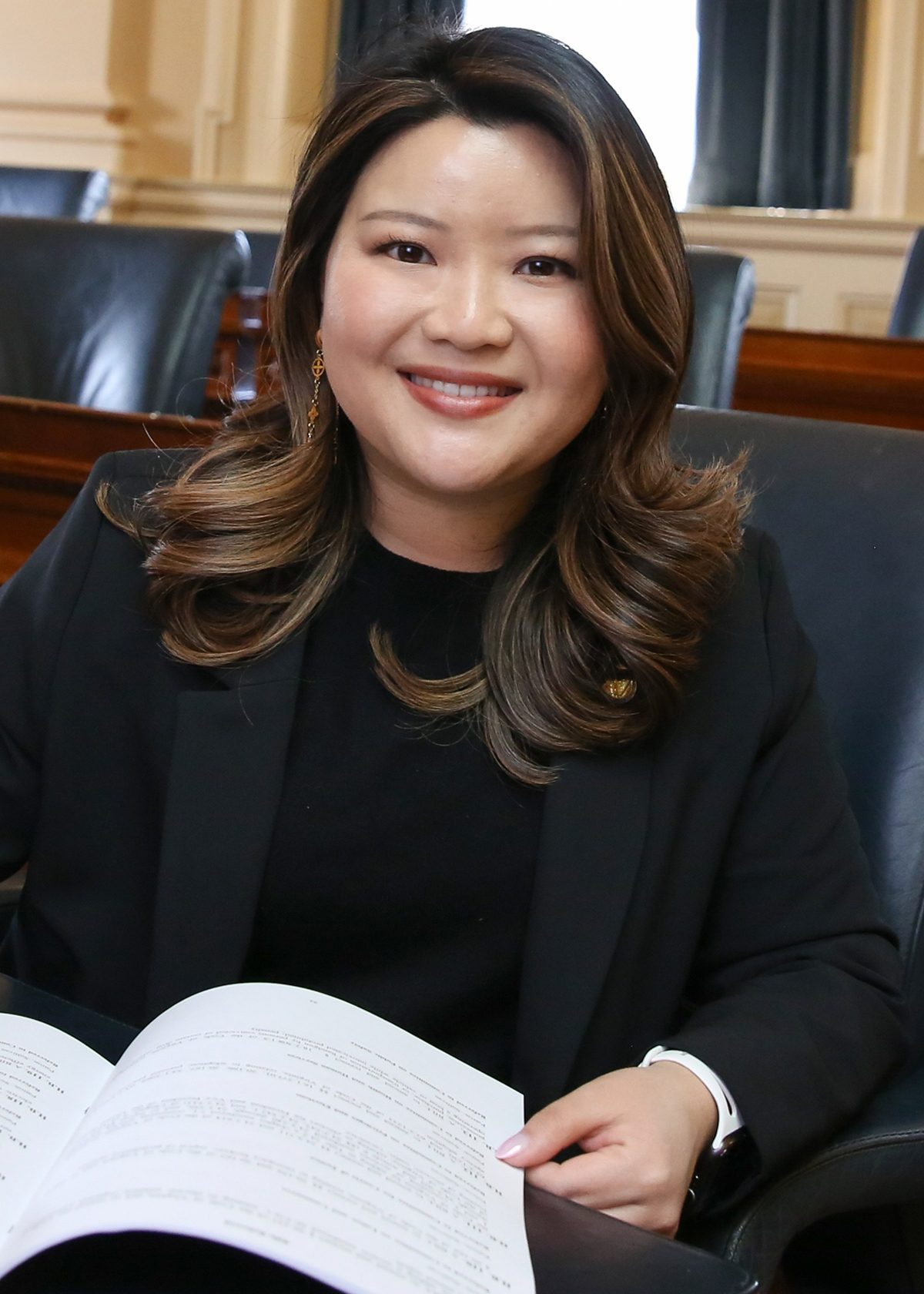
Bonita Anthony
99% support rate
Top opponent
Eric Zehr
2% support rate
Ranked legislators
10
5 support · 5 oppose
Key legislators

Who's moving environment in Virginia

Legislators moving environment in Virginia
Legislator Party Stance Support rate Votes
Bonita Anthony
Bonita Anthony House · District 92
D
Strong +
99% 113
May Nivar
May Nivar House · District 57
D
Strong +
99% 113
Irene Shin
Irene Shin House · District 8
D
Strong +
99% 115
Rip Sullivan
Rip Sullivan House · District 6
D
Strong +
99% 110
Michelle Maldonado
Michelle Maldonado House · District 20
D
Strong +
99% 108
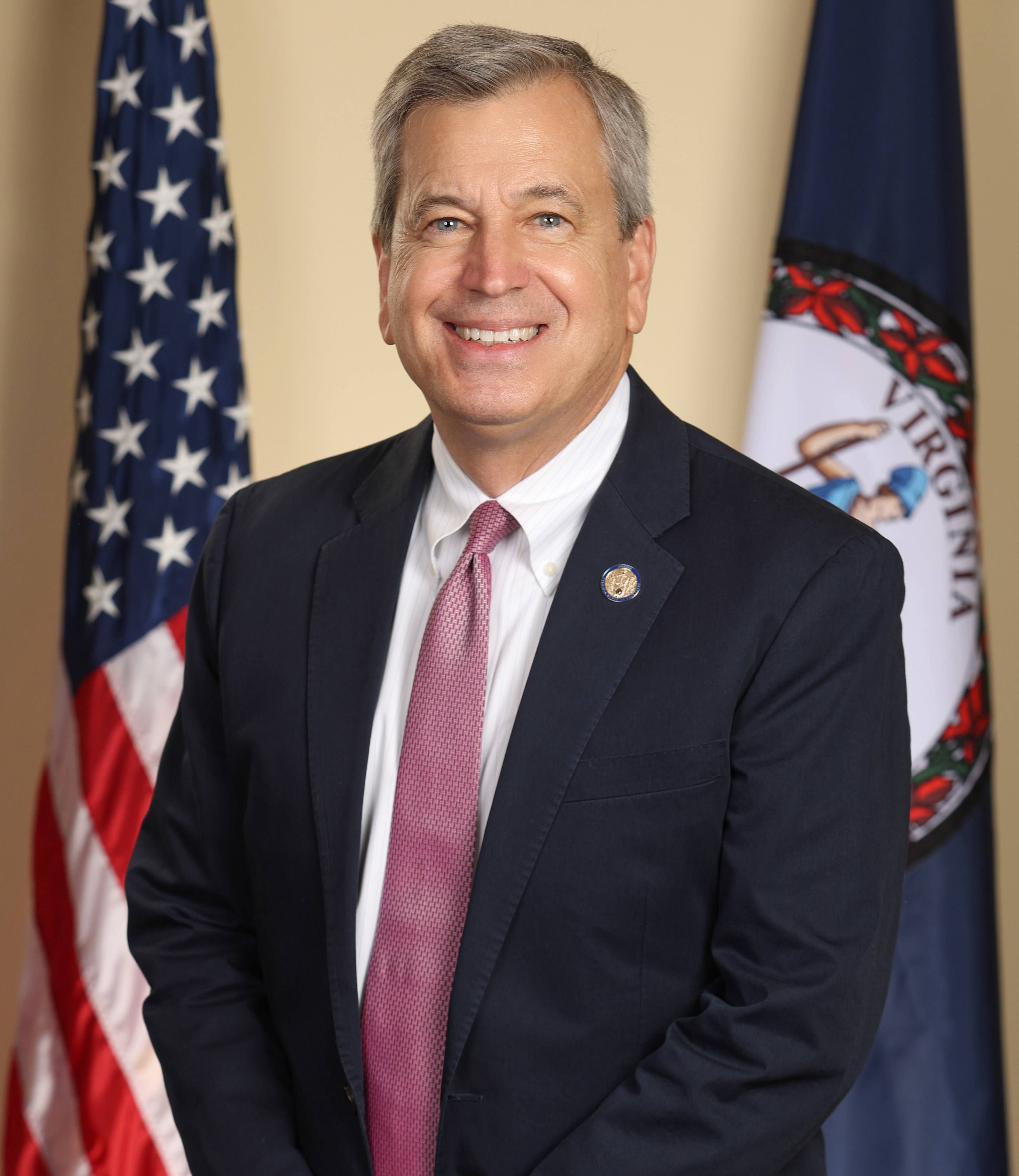
Eric Zehr
Eric Zehr House · District 51
R
Strong −
2% 85
Tim Griffin
Tim Griffin House · District 53
R
Strong −
2% 79
Delores Oates
Delores Oates House · District 31
R
Strong −
2% 84
Mitchell Cornett
Mitchell Cornett House · District 46
R
Strong −
2% 82
Phil Scott
Phil Scott House · District 63
R
Strong −
2% 81
Showing 61–70 of 158 bills

All environment bills

in committee · Virginia · House of Delegates Feb 6, 2026

HB 914: Local Environmental Impact Fund; created.

Local Environmental Impact Fund. Allows a locality to create a permanent and perpetual fund to be known as the Local Environmental Impact Fund. The bill provides that the Fund shall consist exclusively of appropriated local moneys and any gifts, donations, grants, bequests, and other funds received on its behalf, and that the Fund is to be created for the purpose of granting funds to residents or locally owned businesses for the mitigation of environmental impacts. Such grants from the Fund shall be used only for the purchase of energy efficient (i) lawn care and landscaping equipment; (ii) home appliances; (iii) heating, ventilation, and air conditioning equipment; or (iv) micromobility devices. The bill requires the Fund to be administered and managed by the locality.
Sub-Topics Recycling
in committee · Virginia · Senate Feb 6, 2026

SJ 31: Washington County; DCR to study feasibility of establishing a state park in Holston River watershed.

Study; Department of Conservation and Recreation; state park in Washington County; report. Requests the Department of Conservation and Recreation to study the feasibility of establishing a state park in Washington County at the Mendota Trail and Abrams Falls located within the Holston River Watershed.
signed · Virginia · Senate Apr 8, 2026

SB 589: Trees; conservation and replacement during development process in certain localities, report.

Conservation and replacement of trees during development process; work group; report. Expands certain existing local government authority to plant or replace trees during the development process by expanding such authority statewide. The bill allows localities to establish higher tree canopy replacement percentages based on density per acre. The bill also alters the current process for granting exceptions to a local ordinance by modifying a provision that requires the granting of an exception when the strict application of the ordinance would result in unnecessary or unreasonable hardship to the developer, and replacing it with a requirement that the locality concur with such a determination. The bill permits localities to monitor and assess the condition and coverage of tree canopies at development sites during a period of up to 20 years after the trees are planted. The bill also allows any town within Planning District 8 belonging to an eight-hour nonattainment area for air quality standards to require, by ordinance, that a subdivision or development provide for the preservation or replacement of trees on the development site such that the minimum tree canopy or cover 10 years after development is projected to meet specified coverage criteria. Under current law, the criteria apply to tree canopy coverage 20 years after development. Finally, the bill directs the Institute for Coastal Adaptation and Resilience to convene a work group to conduct a comprehensive review of the tree canopy laws and regulations and report the work group's findings and recommendations to the Chairs of the House Committee on Counties, Cities and Towns and Senate Committee on Local Government by November 1, 2026. This bill is identical to HB 549.
signed · Virginia · House of Delegates Apr 13, 2026

HB 1381: Bioslurry; prohibiting injection in wells in a groundwater management area.

HB 1381 prohibits the use of bioslurry injection wells in designated groundwater management areas. Bioslurry - agricultural waste from livestock processing - is typically injected into the ground for disposal; this bill bans such wells in specific groundwater protection zones. It directly affects agricultural operations that rely on bioslurry injection for waste management within these areas. The key provision is a statewide ban on new bioslurry injection wells in designated groundwater zones, aiming to protect water resources from potential contamination.
Sub-Topics Waste Management
in committee · Virginia · House of Delegates Feb 18, 2026

HB 1184: Electric utilities; retirement of certain electric generating units.

Electric utilities; retirement of certain electric generating units. Provides that, for the required retirement by December 31, 2045, of electric generating units that emit carbon as a by-product of combusting fuel to generate electricity, exceptions to such requirement include natural gas electric generating units with carbon capture capability and emissions-positive electric generating units. Under the bill, "emissions-positive generating unit" means an electric generating unit that produces a net reduction in greenhouse gas emissions by either preventing, capturing, or collecting such emissions from fuel combustion.
signed · Virginia · Senate Apr 6, 2026

SB 89: Powers of service districts; control of invasive plant species.

Powers of service districts; control of invasive plant species. Allows a service district created within a locality to control the spread of any plant that is identified on the list of invasive plant species established by the Department of Conservation and Recreation. This bill is identical to HB 388.
Sub-Topics Conservation
signed · Virginia · House of Delegates Apr 8, 2026

HB 291: Fishing tackle recycling and disposal; educational webpage, report.

Department of Wildlife Resources; fishing tackle recycling and disposal; educational webpage. Directs the Department of Wildlife Resources to (i) develop, publish, and maintain a dedicated webpage on its website to educate the recreational fishing community and the general public about the importance of responsible recycling and disposal of fishing tackle, as defined in the bill, and (ii) periodically update such webpage to ensure that educational materials are current, relevant, and effective in promoting responsible fishing practices. The bill directs the Department to update the webpage at least every three years in consultation with relevant state agencies and stakeholders.
Sub-Topics Recycling Wildlife
in committee · Virginia · House of Delegates Feb 11, 2026

HB 1356: Precipitation design standards; non-stationary precipitation, climate-adjusted rainfall.

Precipitation design standards; non-stationary precipitation; climate-adjusted rainfall. Requires the State Water Control Board to serve as the lead agency responsible for establishing and maintaining precipitation design standards to be used by all state agencies, localities, and other political subdivisions and in transportation projects. The bill requires such precipitation design standards to include the most recent precipitation frequency estimates published in the National Oceanic and Atmospheric Administration national precipitation frequency atlas to account for observed and projected increases in precipitation intensity, frequency, and duration. The bill directs the Department of Environmental Quality, Department of Transportation, and any other state agency to update any relevant manuals and design standards consistent with the provisions of the bill by July 1, 2027. The bill also allows the State Water Control Board and the Department of Transportation to adopt interim guidance or regulations implementing the provisions of the bill consistent with the Administrative Process Act, ensuring that updated precipitation design standards take effect no later than July 1, 2027. This bill is a recommendation of the Joint Subcommittee on Recurrent Flooding.
Sub-Topics Water Quality
in committee · Virginia · House of Delegates Jan 28, 2026

HB 389: Marine Resources Commission; fisheries climate adaptation plan, report.

Marine Resources Commission; fisheries climate adaptation plan; report. Directs the Marine Resources Commission, in collaboration with the Virginia Institute of Marine Science, to develop and maintain a fisheries climate adaptation plan that utilizes the best available science to consider climate-driven impacts to Virginia fisheries and aquaculture and identify adaptive management strategies and research needs necessary to safeguard the economic and environmental health of Virginia fisheries. The Commission is directed to convene a technical advisory committee of relevant stakeholders to aid in the development of such plan, to update the plan at least once every three years, and to submit a report detailing the plan to relevant executive agency personnel and committees of the General Assembly by December 1, 2026, for the initial plan and December 1 in any year in which the plan is updated.
in committee · Virginia · Senate Feb 17, 2026

SB 465: Retail Sales and Use Tax; exemption for data centers.

Sales and use tax exemption; data centers. Requires data center operators to meet certain energy efficiency standards in order to be eligible for the sales and use tax exemption for data center purchases. Under the bill, a data center operator shall be eligible for the exemption only if such operator demonstrates that (i) its facilities either have a power usage effectiveness score of no greater than 1.2 or, for data centers co-located in buildings with other commercial uses, achieve an energy efficiency level of no less than the most efficient 15 percent of similar buildings constructed in the previous five years and (ii) by January 1, 2028, it will procure carbon-free renewable energy and associated renewable energy certificates equal to 90 percent of its electricity requirements or its electricity will be otherwise derived from non-carbon-emitting, renewable sources.
Showing 61 to 70 of 158 bills
Previous 1 6 7 8 16 Next