Issue · Criminal Justice

Criminal Justice

Every criminal justice bill, vote, and legislator stance in Virginia, automatically classified by Maddy, our AI policy reader.

Total bills
211
2026 Regular Session
Top supporter
Delores McQuinn
88% support rate
Top opponent
Phil Scott
17% support rate
Ranked legislators
10
5 support · 5 oppose
Key legislators

Who's moving criminal justice in Virginia

Legislators moving criminal justice in Virginia
Legislator Party Stance Support rate Votes
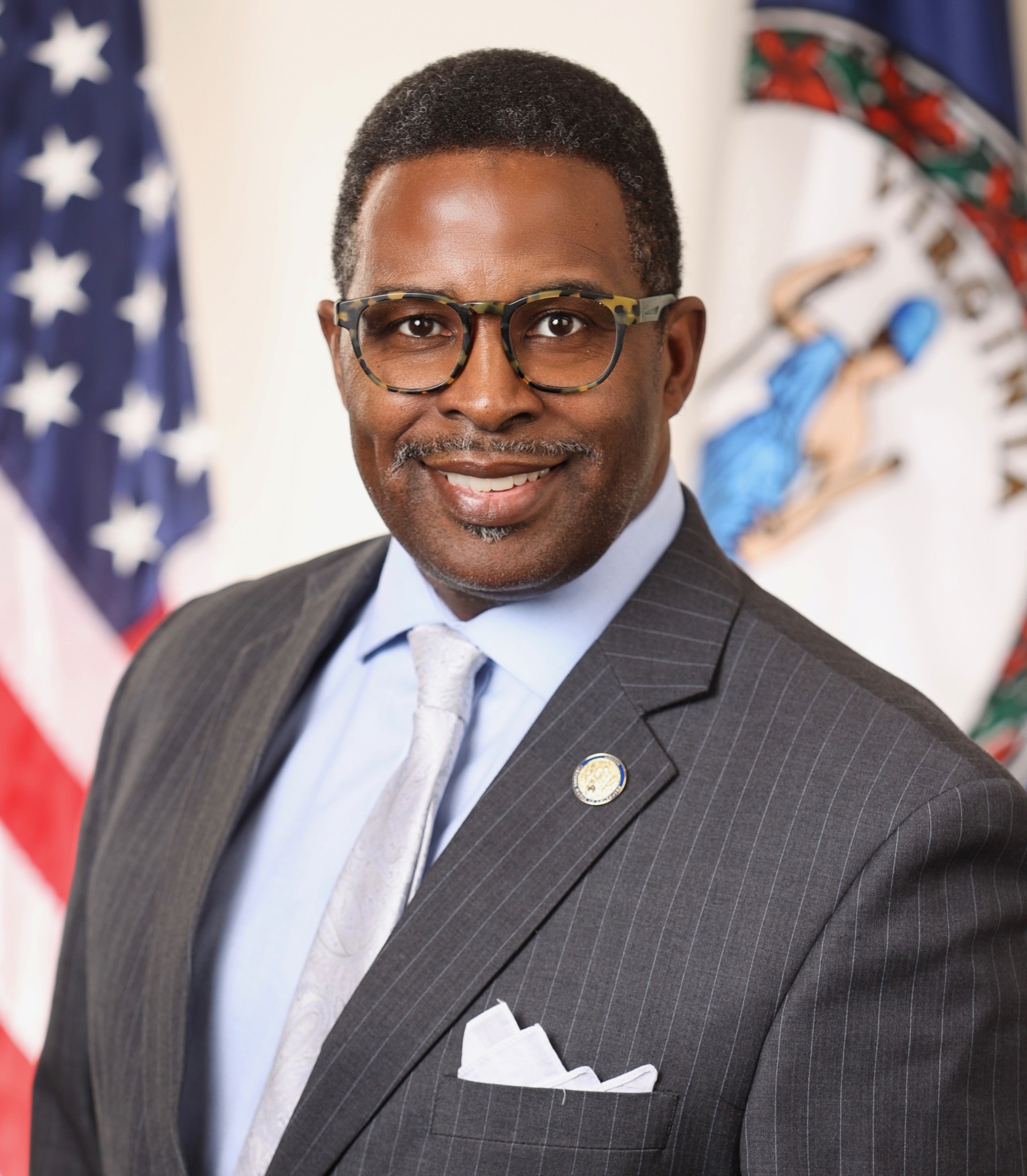
Delores McQuinn
Delores McQuinn House · District 81
D
Strong +
88% 327
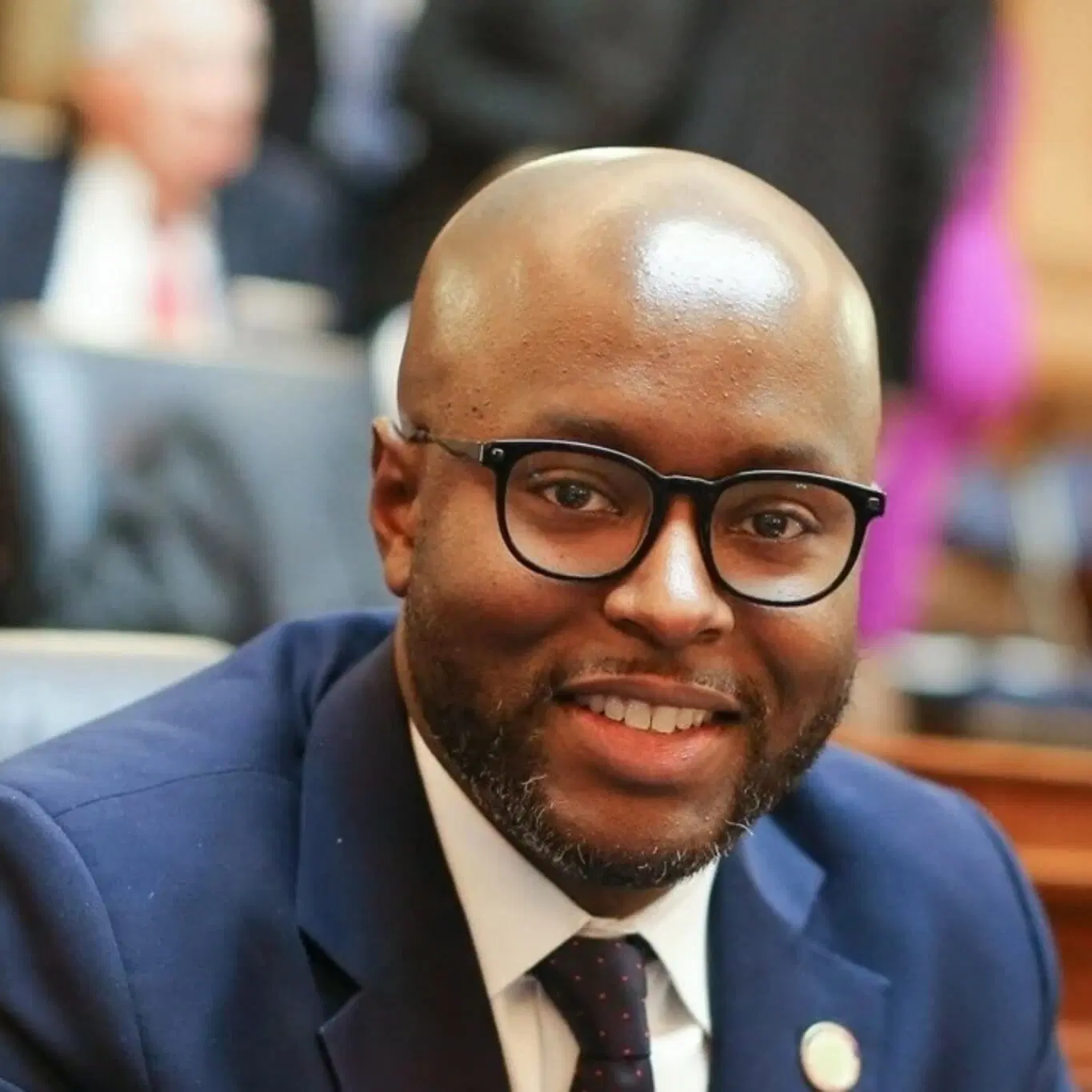
Cliff Hayes
Cliff Hayes House · District 91
D
Strong +
87% 322
Alex Askew
Alex Askew House · District 95
D
Strong +
87% 330
David Reid
David Reid House · District 28
D
Strong +
86% 349
Kathy Tran
Kathy Tran House · District 18
D
Strong +
86% 318
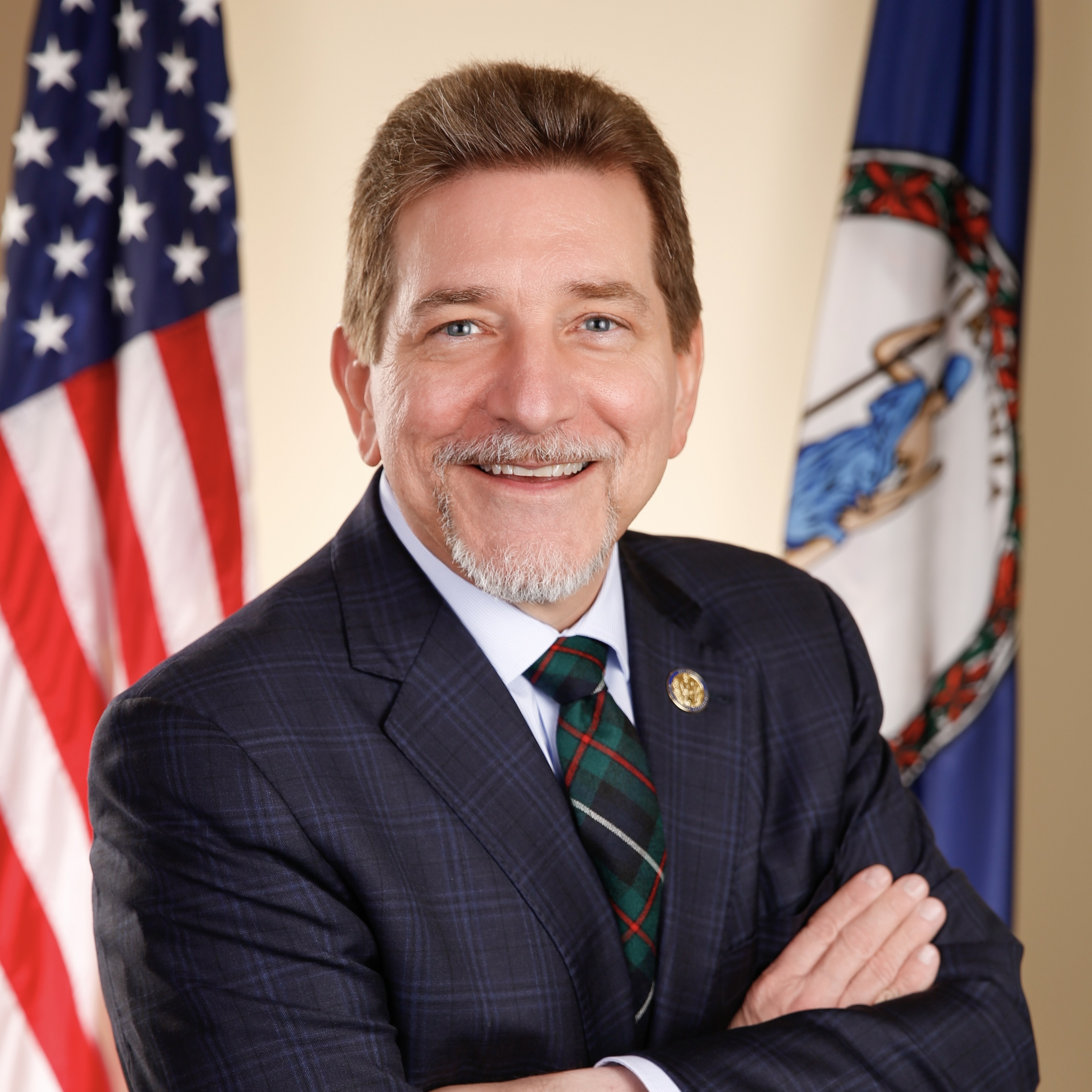
Phil Scott
Phil Scott House · District 63
R
Strong −
17% 301
Mark Obenshain
Mark Obenshain Senate · District 2
R
Strong −
19% 443
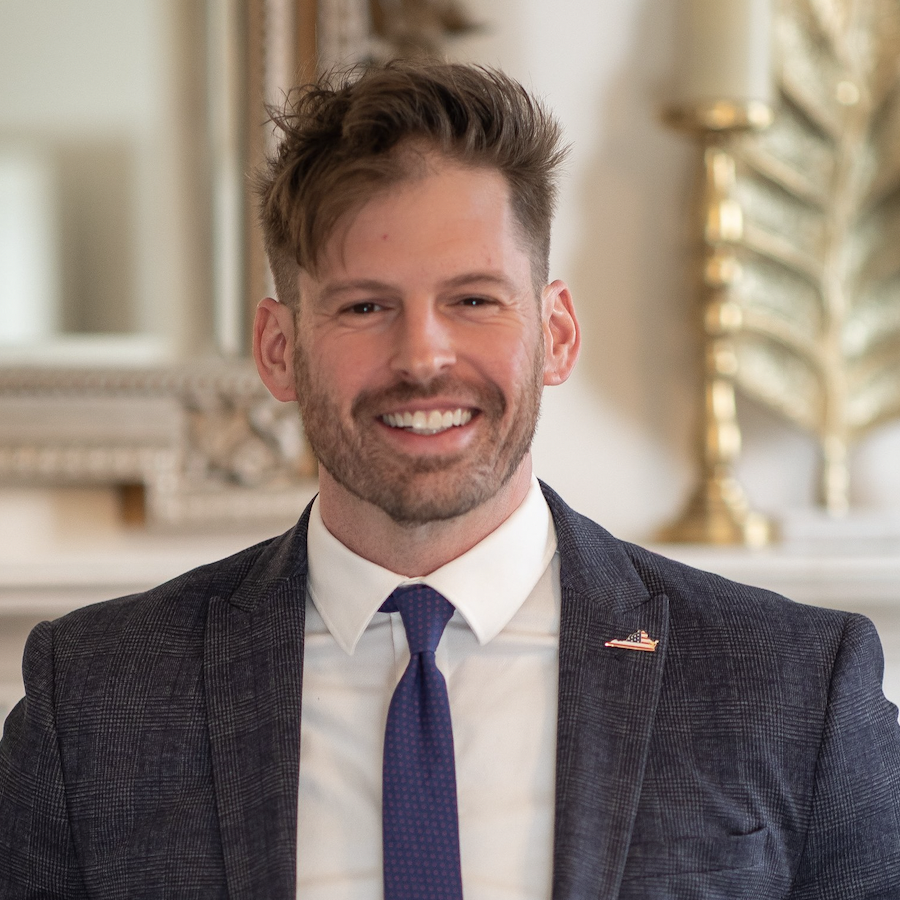
Mike Webert
Mike Webert House · District 61
R
Strong −
19% 332
Tim Griffin
Tim Griffin House · District 53
R
Strong −
19% 266
Tommy Wright
Tommy Wright House · District 50
R
Strong −
19% 263
Showing 101–110 of 211 bills

All criminal justice bills

vetoed · Virginia · House of Delegates Apr 11, 2026

HB 1392: Correctional facilities, local and regional, and courthouse security; powers & duties for operation.

Powers and duties for operation of local and regional correctional facilities and courthouse security; attorney access to courthouses and communication and visitation with incarcerated clients; penalty. Provides that if a sheriff allows courthouse employees or law-enforcement officers to bypass any security screening required to enter a courthouse, such sheriff shall also exempt from the security screening any attorney who displays a valid Virginia State Bar-issued bar card and a government-issued identification. The bill creates a Class 1 misdemeanor for any attorney who has had his license to practice law in the Commonwealth suspended or revoked and who displays a Virginia State Bar-issued bar card in an effort to be exempt from the security screening. The bill also requires any telephonic, electronic, or web-based communication system for prisoners that is offered by a sheriff or jail superintendent who operates a local or regional correctional facility to include a confidential means for a prisoner to communicate with his attorney at regular and reasonable times.
signed · Virginia · Senate Apr 8, 2026

SB 528: Misdemeanor proceedings; competency treatment.

Competency treatment in misdemeanor proceedings. Provides that in cases where the defendant has been charged with a misdemeanor offense, the court may (i) order inpatient or outpatient treatment or (ii) dismiss the charges. Where a defendant is found to be incompetent, the bill permits a court to (a) order that such defendant receive treatment to restore his competency on an outpatient basis in a local correctional facility or at a location determined by the appropriate community services board or behavioral health authority, (b) order that such defendant receive treatment to restore his competency on an inpatient basis at a hospital designated by the Commissioner of Behavioral Health and Developmental Services as appropriate for treatment of persons under criminal charge, (c) order that such defendant be evaluated to determine whether he meets the criteria for temporary detention, or (d) dismiss the misdemeanor charge and release such defendant. The bill has a delayed effective date of July 1, 2027.
in committee · Virginia · House of Delegates Feb 2, 2026

HB 1294: Use of artificial intelligence-based tools; covered artificial intelligence, disclosure of use.

Use of artificial intelligence-based tools; covered artificial intelligence; disclosure of use. Requires the use of covered artificial intelligence, as defined in the bill, in a criminal investigation to be disclosed in a police report filed for that investigation. Such a report shall be submitted to the attorney for the Commonwealth upon arrest or issuance of a summons and made available to the individual under investigation or such individual's counsel. The bill provides that any use of covered artificial intelligence subsequent to arrest shall be disclosed to the attorney for the Commonwealth and the individual under investigation as soon as practicable but no later than 30 calendar days following such use. The bill enumerates what each report shall include regarding the use of covered artificial intelligence and provides that the first draft of any report or record created in whole or in part by generative artificial intelligence shall be retained for as long as the final report is retained. The bill also provides that the program used to generate a draft or final report shall maintain an audit trail that identifies (i) the person who used artificial intelligence to create or edit the report; (ii) any changes made to the report following the initial draft; and (iii) the video and audio footage used to create a report, if any. The bill provides that the Attorney General may investigate and, if warranted, bring a civil action against any law-enforcement agency to obtain equitable or declaratory relief to enforce the provisions of the bill and provides that a resident of the jurisdiction may bring a civil action against the law-enforcement agency to obtain equitable or declaratory relief to enforce the provisions of the bill. The bill requires such plaintiff to provide written notice of any alleged violation to the law-enforcement agency at least 90 days prior to filing suit, in a manner that is reasonably calculated to enable the law-enforcement agency to cure the alleged violation.
signed · Virginia · House of Delegates Apr 6, 2026

HB 250: Sex offenses prohibiting proximity to children; Park Authorities Act, penalty.

Sex offenses prohibiting proximity to children; Park Authorities Act; penalty. Provides that every adult who is convicted of an offense prohibiting proximity to children, when the offense occurred on or after July 1, 2026, shall as part of his sentence be forever prohibited from going, for the purpose of having any contact whatsoever with children who are not in his custody, within 100 feet of the premises of any place owned or operated by an authority created pursuant to the Park Authorities Act that he knows or should know is a playground, athletic field or facility, or gymnasium.The bill also provides that any person convicted of an offense under the laws of any foreign country or any political subdivision thereof, or the United States or any political subdivision thereof, similar to any offense set forth in current law shall be forever prohibited from going, for the purpose of having any contact whatsoever with children who are not in his custody, within 100 feet of the premises of any place owned or operated by an authority created pursuant to the Park Authorities Act that he knows or has reason to know is a playground, athletic field or facility, or gymnasium.A violation of the bill's provisions is punishable as a Class 6 felony.
signed · Virginia · Senate Apr 6, 2026

SB 360: Nitrous oxide; sale, distribution, etc., prohibited, penalties.

Distributing nitrous oxide prohibited; penalties. Prohibits the sale or distribution of (i) a device that is designed or intended to deliver a gas containing nitrous oxide through direct inhalation, with exceptions defined in the bill; (ii) nitrous oxide that has, or is marketed as having, the taste or smell of any food or beverage that is distinguishable by an ordinary consumer either prior to or during consumption or use of such nitrous oxide to any person not exempted in the bill; and (iii) a container of nitrous oxide that exceeds eight grams, with exceptions defined in the bill. A violation of such prohibitions is a Class 1 misdemeanor. This bill is identical to HB 648.
in committee · Virginia · Senate Jan 28, 2026

SB 307: Crimes by gangs; definition of "predicate criminal act," penalties.

Crimes by gangs; definition of "predicate criminal act"; penalties. Adds the misdemeanor and felony offenses of carrying a concealed weapon and the misdemeanor offense of pointing, holding, or brandishing a firearm, air or gas operated weapon, or object similar in appearance to the definition of "predicate criminal act" related to prohibited criminal street gang participation.
Sub-Topics Firearms
died · Virginia · House of Delegates Feb 18, 2026

HB 102: Voluntary manslaughter; increases penalty.

Voluntary manslaughter; penalty. Increases the penalty for voluntary manslaughter from a Class 5 felony, punishable by between one and ten years' imprisonment in a state correctional facility, to an unclassified felony punishable by imprisonment in a state correctional facility for not less than one year nor more than 20 years or, in the discretion of the jury or court trying the case without a jury, by confinement in jail for a period not exceeding 12 months or a fine of not more than $2,500, either or both.
Sub-Topics Corrections Courts
in committee · Virginia · House of Delegates Feb 18, 2026

HB 730: Cruelty to animals; malicious killing of a dog or cat, penalty.

Cruelty to animals; malicious killing of a dog or cat; penalty. Creates, under the animal cruelty provisions, a Class 6 felony for any person who maliciously kills any dog or cat that is a companion animal whether belonging to him or another. Currently, such felony applies only to a person who (i) tortures, willfully inflicts inhumane injury or pain not connected with bona fide scientific or medical experimentation, or cruelly and unnecessarily beats, maims, or mutilates any dog or cat that is a companion animal whether belonging to him or another and (ii) as a direct result causes serious bodily injury to such dog or cat that is a companion animal, the death of such dog or cat that is a companion animal, or the euthanasia of such animal on the recommendation of a licensed veterinarian upon determination that such euthanasia was necessary due to the condition of the animal.
signed · Virginia · House of Delegates Apr 13, 2026

HB 1140: Drug-related investigations; use of confidential informants.

Use of confidential informants in drug-related investigations. Directs the Department of Criminal Justice Services to establish a model policy for the use of confidential informants in drug-related investigations and to include in such model policy that (i) no individual currently on probation or pretrial may serve as a confidential informant without notice to his probation, pretrial services, or parole officer; (ii) no individual who has, within the last six months, been found to have violated the terms of his probation or parole shall serve as a confidential informant whose testimony may be necessary in the prosecution of a criminal matter in the courts of the Commonwealth; (iii) law-enforcement personnel shall obtain approval from the appropriate local attorney for the Commonwealth prior to working with a confidential informant; and (iv) such confidential informant shall not unlawfully use or possess any controlled substances.
signed · Virginia · Senate Apr 13, 2026

SB 776: Probationer; requiring fines, costs, restitution for damages, etc., failure to pay.

Requiring fines, costs, restitution for damages, support, or community services from probationer; failure to pay. Provides that a failure of the defendant to pay any fines or costs imposed on him at the time of being placed on probation as a condition of his probation shall not, by itself, be deemed a breach of such probation unless the court finds, after notice to the defendant and his counsel and a hearing, that the defendant has willfully refused to pay. The bill provides that in assessing such failure to pay, the court shall presume that a defendant who is indigent pursuant to relevant law, or who has been deemed indigent during the pendency of a criminal or traffic case, is unable to pay such fines and costs. The bill requires the court to order such defendant relief from any alleged breach of probation, absent any specific finding to the contrary.
Showing 101 to 110 of 211 bills
Previous 1 10 11 12 22 Next