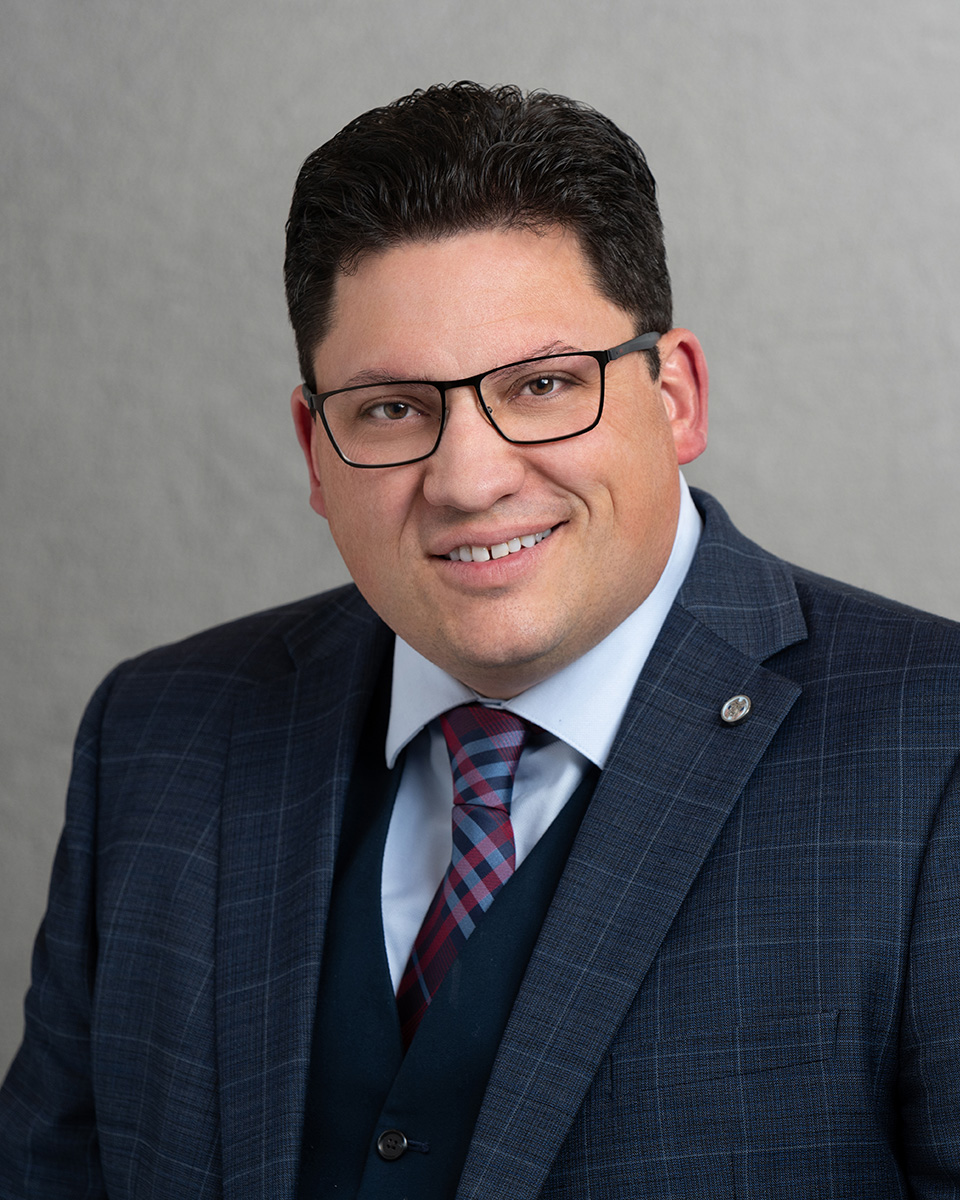
Photo of Ryan Wilcox
R Utah House · District 7 On the 2026 ballot

Rep. Ryan Wilcox

Compare
Total votes
4,674
all sessions
Attendance
91%
331 missed
Near the chamber average
With party
93%
of cast votes
Lower than 80% of chamber peers
Bipartisan score
4%
crosses aisle rarely
Higher than 78% of chamber peers
Sponsored
160
bills & resolutions
Higher than 98% of chamber peers
Committees
8
assignments
160 bills and resolutions

Sponsored bills

Total
160
Primary
99
Co-sponsor
61
This page
160
matching current filters
Co-sponsor SB 30
Signed into law · Utah Senate · Co-sponsor
Human Trafficking, Exploitation, and Smuggling Amendments

Maddy summarySB 30 updates Utah's laws against human trafficking and smuggling by redefining key terms and strengthening criminal penalties. It creates new offenses targeting individuals who "patronize" victims of labor trafficking, child trafficking, or trafficking involving vulnerable adults, while removing certain legal defenses for traffickers. The bill also splits aggravated trafficking into separate labor and sexual exploitation offenses and incorporates updated definitions into relevant statutes. These changes directly affect victims of trafficking (by expanding protections) and individuals who exploit or profit from trafficking (by increasing criminal liability). The law makes no changes to funding or administrative procedures.

Signed into law Mar 23, 2026 1 co-sponsor
Co-sponsor SB 32
Signed into law · Utah Senate · Co-sponsor
Child Abuse Homicide Corrections

Maddy summarySB 32 corrects a technical error in Utah's child abuse homicide statute by removing an erroneous reference to "child torture" (Section 76-5-109.4), which was already covered under the separate murder offense. The bill does not change penalties or affect new cases but ensures legal clarity by aligning the statute with existing law. It makes this correction effective immediately upon enactment, without appropriating funds. The bill directly affects legal interpretations of child abuse homicide cases where the duplicate reference previously caused confusion. This is a procedural fix to the Utah Code, not a policy change.

Signed into law Mar 23, 2026 1 co-sponsor
Primary HB 163
Signed into law · Utah House · Lead sponsor
Grow Your Own Educator Pipeline Program Amendments

Maddy summaryHB 163 amends Utah's Grow Your Own Educator Pipeline Program to expand scholarship eligibility. It specifically allows currently licensed teachers pursuing special education endorsements to receive program scholarships, which previously covered only paraprofessionals and students in training. The bill updates the program's eligibility rules to include these teachers while maintaining existing requirements for school districts, such as requiring candidates to be state residents and employed by the same district. The program uses existing funds to support scholarships covering tuition, fees, and certification costs, with no new money appropriated.

Signed into law Mar 19, 2026 0 co-sponsors
Primary HB 353
Signed into law · Utah House · Lead sponsor
Higher Education Credit Transfer Amendments

Maddy summaryHB 353 requires Utah's Board of Higher Education to improve credit transfer processes for students moving from institutions outside Utah's public higher education system. Specifically, it mandates the Board to create clearer pathways for these students, prevent unnecessary course duplication, and provide them with specific information about how their credits will transfer. The bill directly affects students transferring from out-of-state or non-system colleges to Utah public universities and colleges. These changes aim to make credit transfers smoother and more predictable, without changing tuition or adding new funding.

Signed into law Mar 19, 2026 0 co-sponsors
Primary HB 44
Signed into law · Utah House · Lead sponsor
School Security Personnel Standards

Maddy summaryHB 44 updates Utah school safety standards for security personnel. It allows county security chiefs to approve private companies to train school safety staff, requires school districts to provide panic alert devices for certain personnel, and expands the definition of "armed school security guard" to include special function officers. The bill also clarifies rules for school guardians carrying firearms on duty, establishes protocols for using deadly force, and mandates annual/biannual training on firearm safety, de-escalation, and emergency response. These changes directly affect school security personnel, county security chiefs, and local school districts across Utah.

Signed into law Mar 19, 2026 0 co-sponsors
Co-sponsor SB 51
Signed into law · Utah Senate · Co-sponsor
School Safety Modifications

Maddy summarySB 51 creates a statewide system for Utah schools to share information about student threats. Local schools (LEAs) must report specific threat-related data to the State Board of Education, which can then share this information with other schools to improve safety coordination. The bill includes privacy protections for students, immunity for schools reporting in good faith, and clear rules for data collection and deletion. It takes effect on July 1, 2026, and does not appropriate new funding.

Signed into law Mar 19, 2026 1 co-sponsor
Primary HB 559
Signed into law · Utah House · Lead sponsor
Pregnancy and Infant Loss Amendments

Maddy summaryHB 559 designates October as Pregnancy and Infant Loss Awareness Month and requires health care facilities providing birthing services to implement specific compassionate care practices when patients experience pregnancy or infant loss. These practices include offering memory-making opportunities (like photos or keepsakes), access to grief counseling, and protocols for anticipated losses, all to ensure dignity and support. The bill also mandates that health care professionals in emergency care, obstetrics, gynecology, and labor and delivery settings complete bereavement training on supporting patients, which can count toward their continuing medical education requirements. These provisions apply directly to Utah health care facilities and providers, with no new funding required.

Signed into law Mar 18, 2026 0 co-sponsors
Primary HB 402
Signed into law · Utah House · Lead sponsor
EMS Controlled Substance Licensing Amendments

Maddy summaryHB 402 creates a new state license specifically for emergency medical services (EMS) agencies to legally handle controlled substances (like naloxone or epinephrine) during emergencies. It requires EMS agencies to obtain this license, mandates record-keeping and storage rules, and authorizes the Division of Professional Licensing to enforce standards, deny/suspend licenses for violations, and collect fees. The bill directly affects all Utah EMS agencies currently distributing controlled substances, ensuring they operate under unified state regulations instead of relying solely on federal rules. Key provisions include requiring medical directors to issue standing orders for substance administration and setting clear procedures for license management and inspections.

Signed into law Mar 18, 2026 0 co-sponsors
Co-sponsor SB 80
Signed into law · Utah Senate · Co-sponsor
Physician Practice Amendments

Maddy summarySB 80 clarifies that physicians do not commit unprofessional conduct by participating in the execution of a death sentence authorized under Utah law. The bill amends disciplinary rules to explicitly exclude such participation from professional misconduct definitions for physicians. It directly affects medical professionals who may be involved in capital punishment procedures. The bill makes a specific policy change to protect physicians from disciplinary action related to this role, without creating new programs or allocating funds.

Signed into law Mar 17, 2026 1 co-sponsor
Co-sponsor SB 123
Signed into law · Utah Senate · Co-sponsor
Privacy and Cybersecurity Amendments

Maddy summarySB 123 amends Utah's cybersecurity law to expand the Utah Cyber Center's responsibilities and structure. It requires the Center to collaborate with the Department of Environmental Quality and include local education agencies in its cybersecurity efforts, while adding a representative from the Utah Education and Telehealth Network to the Cybersecurity Commission. The bill changes the deadline for the statewide cybersecurity plan to January 1, 2027, and creates a restricted account for nonlapsing funds to support cybersecurity tools, incident response, and strategic planning using existing and future funding sources without new legislative appropriations. These changes directly affect the Cyber Center, local education agencies, and the Cybersecurity Commission.

Signed into law Mar 17, 2026 1 co-sponsor
Showing 11 to 20 of 160 bills