Issue · Technology

Technology (Artificial Intelligence)

Every technology bill, vote, and legislator stance in Utah, automatically classified by Maddy, our AI policy reader.

Total bills
15
2026 General Session
Top supporter
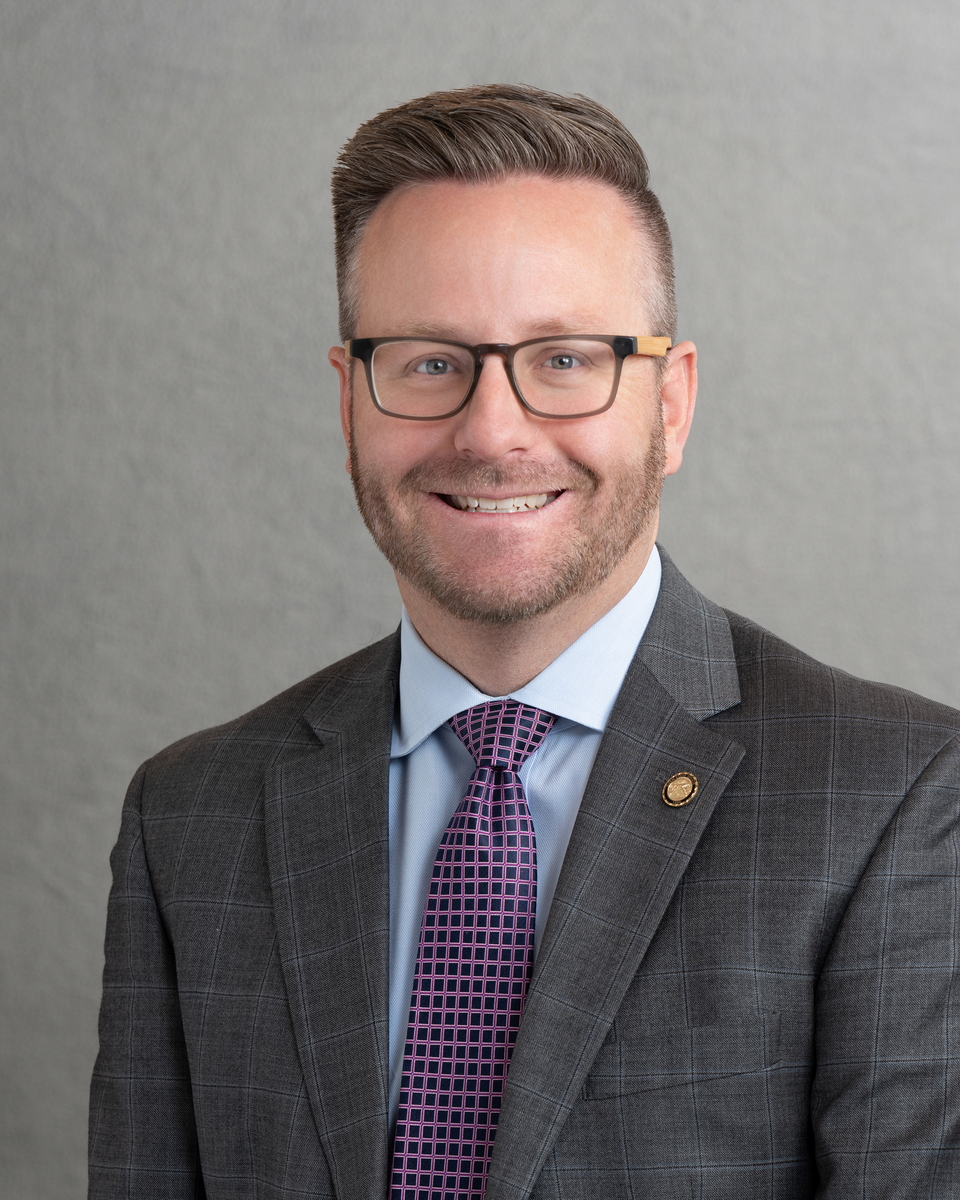
Brady Brammer
100% support rate
Top opponent
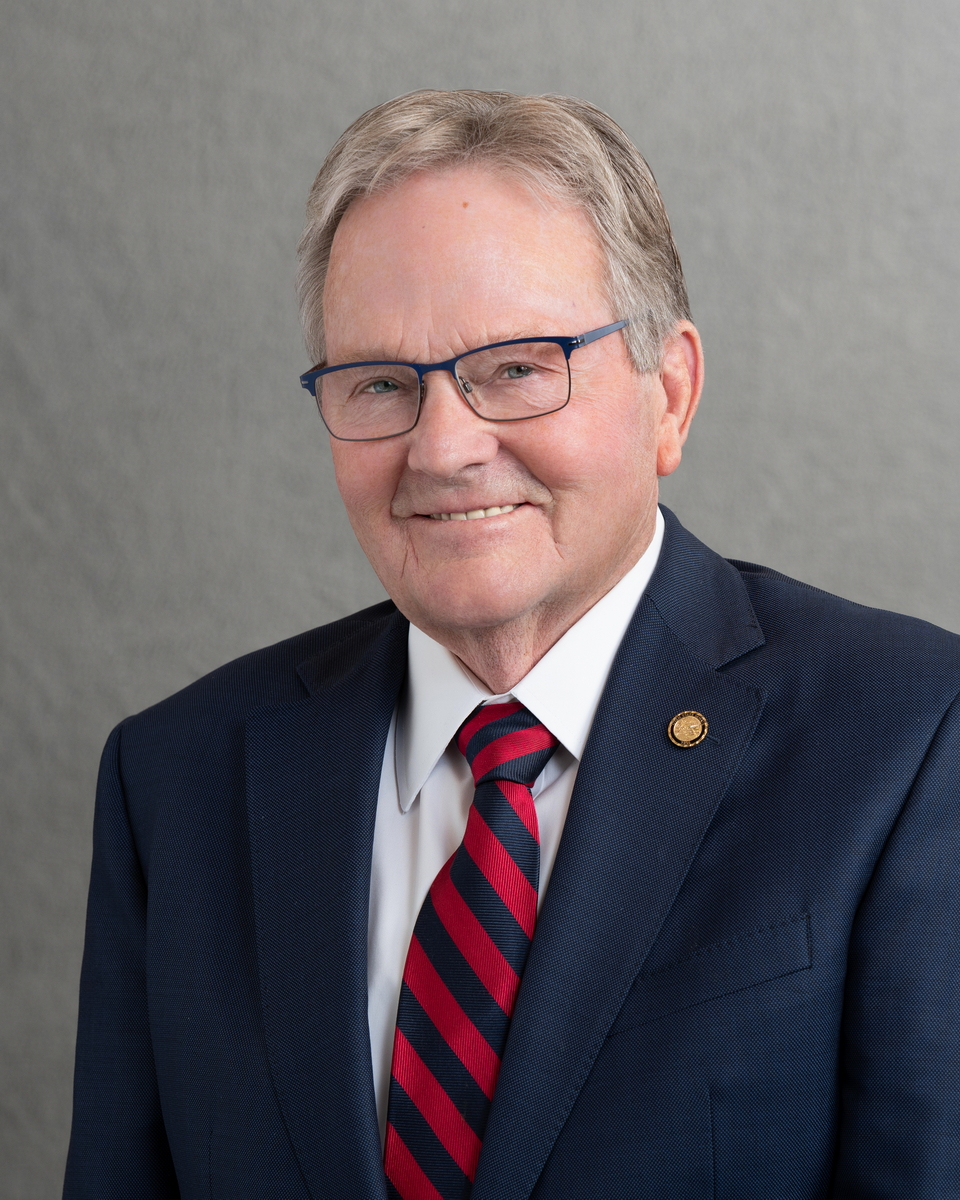
John Johnson
0% support rate
Ranked legislators
10
5 support · 5 oppose
Key legislators

Who's moving artificial intelligence in Utah

Legislators moving artificial intelligence in Utah
Legislator Party Stance Support rate Votes
Brady Brammer
Brady Brammer Senate · District 21
R
Strong +
100% 3
Heidi Balderree
Heidi Balderree Senate · District 22
R
Strong +
100% 3
Jerry Stevenson
Jerry Stevenson Senate · District 6
R
Strong +
100% 3
Keven Stratton
Keven Stratton Senate · District 24
R
Strong +
100% 3
Mike McKell
Mike McKell Senate · District 25
R
Strong +
100% 3
John Johnson
John Johnson Senate · District 3
R
Strong −
0% 3
Kathleen Riebe
Kathleen Riebe Senate · District 15
D
Strong −
0% 3
Don Ipson
Don Ipson Senate · District 29
R
Oppose
33% 3
Jen Plumb
Jen Plumb Senate · District 9
D
Oppose
33% 3
Ron Winterton
Ron Winterton Senate · District 20
R
Oppose
33% 3
Showing 1–10 of 15 bills

All technology bills

in committee · Utah · Senate Mar 7, 2026

SJR 17: Resolution Encouraging Innovation in Legislative Analysis and Information Services

This resolution (SJR 17) encourages Utah legislative staff to responsibly explore and use artificial intelligence and related technologies to improve the clarity, accessibility, and efficiency of legislative analyses and information services. It specifically urges staff to leverage AI for tasks like research, drafting, and summarization while maintaining human oversight, protecting confidential data, and following ethical and security standards. The resolution does not create new laws or appropriate funds; it is a procedural step directing staff to adopt AI tools in their work. It directly affects legislative staff who produce policy summaries and analytical materials for lawmakers. The resolution emphasizes training, best practices, and governance to ensure AI use enhances transparency and public engagement without altering legislative decision-making processes.
introduced · Utah · House Mar 7, 2026

HB 606: Surveillance and Investigatory Technology Amendments

HB 606 regulates how Utah law enforcement agencies use surveillance and investigatory technology. It requires agencies to annually report technology usage to a state commission, prohibits unauthorized surveillance, and allows individuals to sue police departments for illegal tech use. Evidence obtained in violation of the law cannot be used in court. The bill directly affects all Utah law enforcement agencies and mandates new transparency and accountability measures.
signed · Utah · Senate Mar 26, 2026

SB 256: Identity Protection Modifications

SB 256 updates Utah's defamation laws to address AI-generated content and identity protection. It clarifies that AI-created or digitally manipulated content (like deepfakes) still falls under libel/slander laws, requires publishers to receive written notice before a lawsuit can be filed, and limits damages to actual harm if the content is removed within 10 days of notice. The bill also establishes a new right for individuals to consent to the use of their personal identity (including voice, likeness, or name) and expands "identity abuse" to include unauthorized distribution of identity-replication tools. This directly affects content creators, publishers, and anyone whose identity might be used without consent in AI-generated media. The bill is currently in early legislative stages (House committee review).
passed · Utah · Senate Mar 7, 2026

SB 322: Educational Technology Regulatory Sandbox

SB 322 creates a regulatory sandbox in Utah public schools to safely test educational AI tools under new safety standards. It directly affects public schools, educators, students, and edtech vendors by requiring safety testing, parental opt-out rights, and prohibitions against AI simulating personal relationships with students. Key provisions include mandatory evidence-based evaluations, transparency requirements for vendors, integration with existing student data privacy laws (Title 53E), and a five-year sunset. The bill establishes new oversight through an Education Technology Advisory Council and limits the State Board of Education’s role in approving pilot programs.
signed · Utah · House Mar 24, 2026

HB 289: Child Sexual Abuse Material Amendments

HB 289 updates Utah's laws regarding child sexual abuse material to address AI-generated content. It defines "apparent child sexual abuse material" as AI-created images that realistically depict minors, creating new standalone offenses for possessing or distributing such material. The bill also defines "obscene child sexual abuse material" and amends existing definitions to exclude artificially generated content from the main "child sexual abuse material" category. These changes specifically target individuals who create, distribute, or possess AI-generated images that appear to show minors, while removing AI content from the primary legal definition. The bill amends multiple Utah code sections without appropriating funds.
signed · Utah · House Mar 24, 2026

HB 276: Artificial Intelligence Modifications

HB 276 creates Utah's "Digital Voyeurism Prevention Act" to address non-consensual AI-generated intimate images. It directly affects platforms and services that let users create such images (called "generation services"), requiring them to obtain and verify explicit consent from the person depicted before distributing any AI-generated intimate image. The bill mandates platforms to implement verification systems, disclose provenance data for AI content, and follow notice-and-takedown procedures for violations. It establishes civil liability for damages, including actual losses and attorney fees, enforced by Utah's Division of Consumer Protection.
signed · Utah · House Mar 18, 2026

HB 320: Office of Artificial Intelligence Policy Amendments

HB 320 amends Utah's existing Artificial Intelligence Policy framework by clarifying definitions (like "artificial intelligence" and "regulatory mitigation agreement"), updating the Office of Artificial Intelligence Policy's duties, and modifying the Artificial Intelligence Learning Laboratory Program. The bill establishes a structured process for AI companies to test new technologies under temporary regulatory flexibility (via "regulatory mitigation agreements") while requiring them to report findings and safeguard consumer data. It directly affects state agencies managing AI regulation, AI developers participating in the Learning Laboratory, and Utah consumers through future policy guidance. The Office must annually report program outcomes and policy recommendations to the legislature, with no new funding requested.
in committee · Utah · House Mar 7, 2026

HB 286: Artificial Intelligence Transparency Amendments

HB 286, the Artificial Intelligence Transparency Amendments, requires developers of large "frontier AI models" (those trained with massive computing power and used by over 1 million people monthly, especially in chatbots interacting with minors) to create and publish public safety and child protection plans. It mandates developers to summarize risk assessments for these models, report serious safety incidents to Utah's Office of AI Policy, and prohibits false claims about risks. The bill establishes whistleblower protections for employees reporting safety concerns and creates a dedicated fund to enforce these requirements. These changes directly affect major AI developers, focusing on transparency around risks of serious harm to people or property.
failed · Utah · House Mar 7, 2026

HB 438: Artificial Intelligence Amendments

HB 438, the AI Companion Chatbot Safety Act, regulates companies that create AI chatbots designed for emotional engagement. It requires suppliers to implement safety protocols for identifying risks, conduct independent safety evaluations, and publicly report on safety measures and user engagement. The bill specifically prohibits sharing minors' data, sending unsolicited messages to encourage use, exposing minors to harmful content, or hiding that the chatbot is AI (mandating clear disclosure). It grants enforcement authority to Utah's Division of Consumer Protection and establishes fines for violations. The law directly affects AI chatbot developers and users, particularly minors, by setting concrete safety and transparency standards.
signed · Utah · House Mar 18, 2026

HB 218: Digital Skills Amendments

HB 218 amends Utah’s requirements for digital literacy education in grades 7 and 8, directly affecting public school students in those grades starting the 2027-2028 school year. The bill defines specific digital skills concepts (such as online ethics, AI literacy, cybersecurity, social media impact, and misinformation evaluation) that must be covered in the course. It also establishes an advisory tech council to guide curriculum development, recommend resources, and advise on emerging technologies. The changes update existing education codes without new funding, focusing on standardizing digital literacy instruction across Utah schools.
Showing 1 to 10 of 15 bills
1 2 Next