Issue · Healthcare

Healthcare

Every healthcare bill, vote, and legislator stance in Utah, automatically classified by Maddy, our AI policy reader.

Total bills
115
2026 General Session
Top supporter
Kathleen Riebe
87% support rate
Top opponent
Lincoln Fillmore
10% support rate
Ranked legislators
10
5 support · 5 oppose
Key legislators

Who's moving healthcare in Utah

Legislators moving healthcare in Utah
Legislator Party Stance Support rate Votes
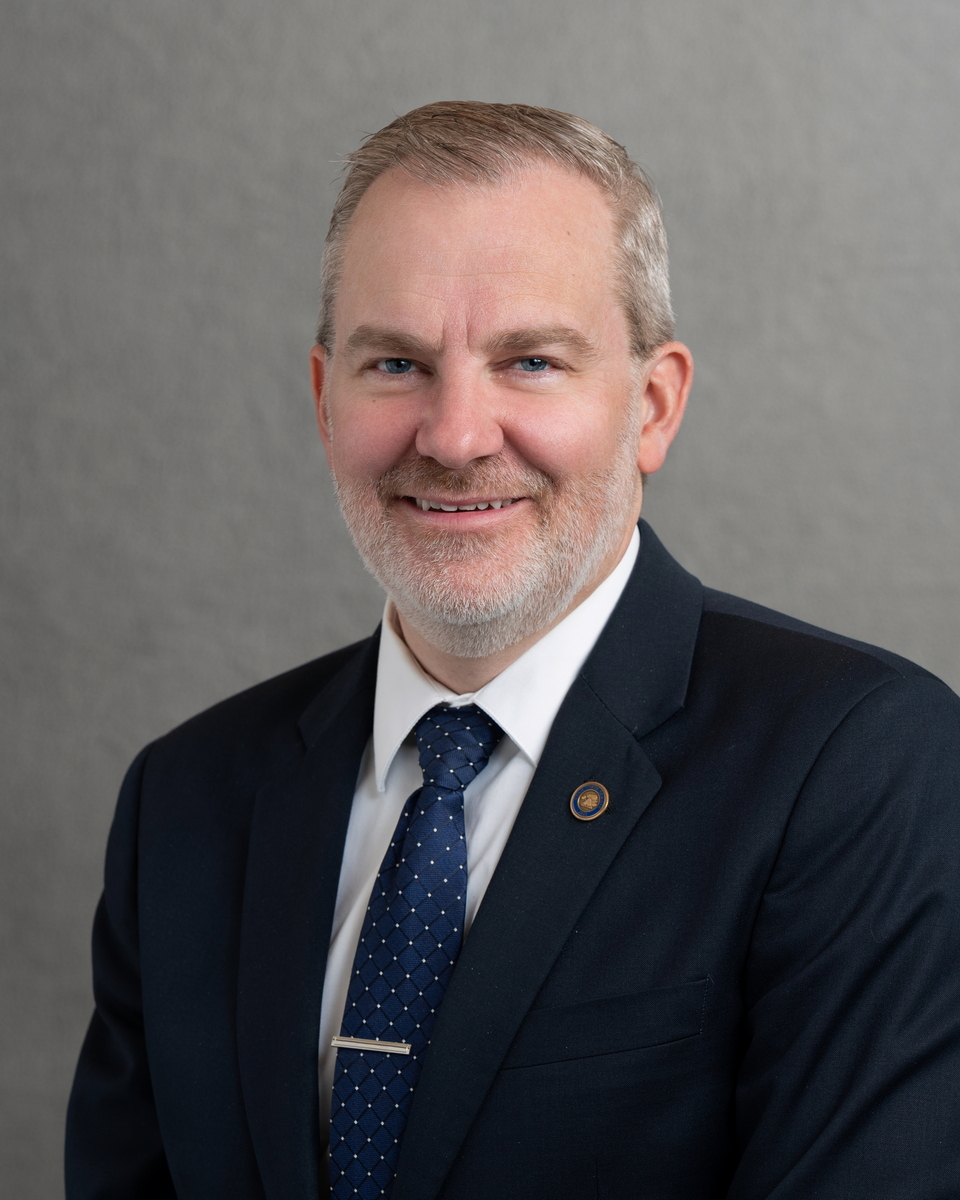
Kathleen Riebe
Kathleen Riebe Senate · District 15
D
Strong +
87% 63
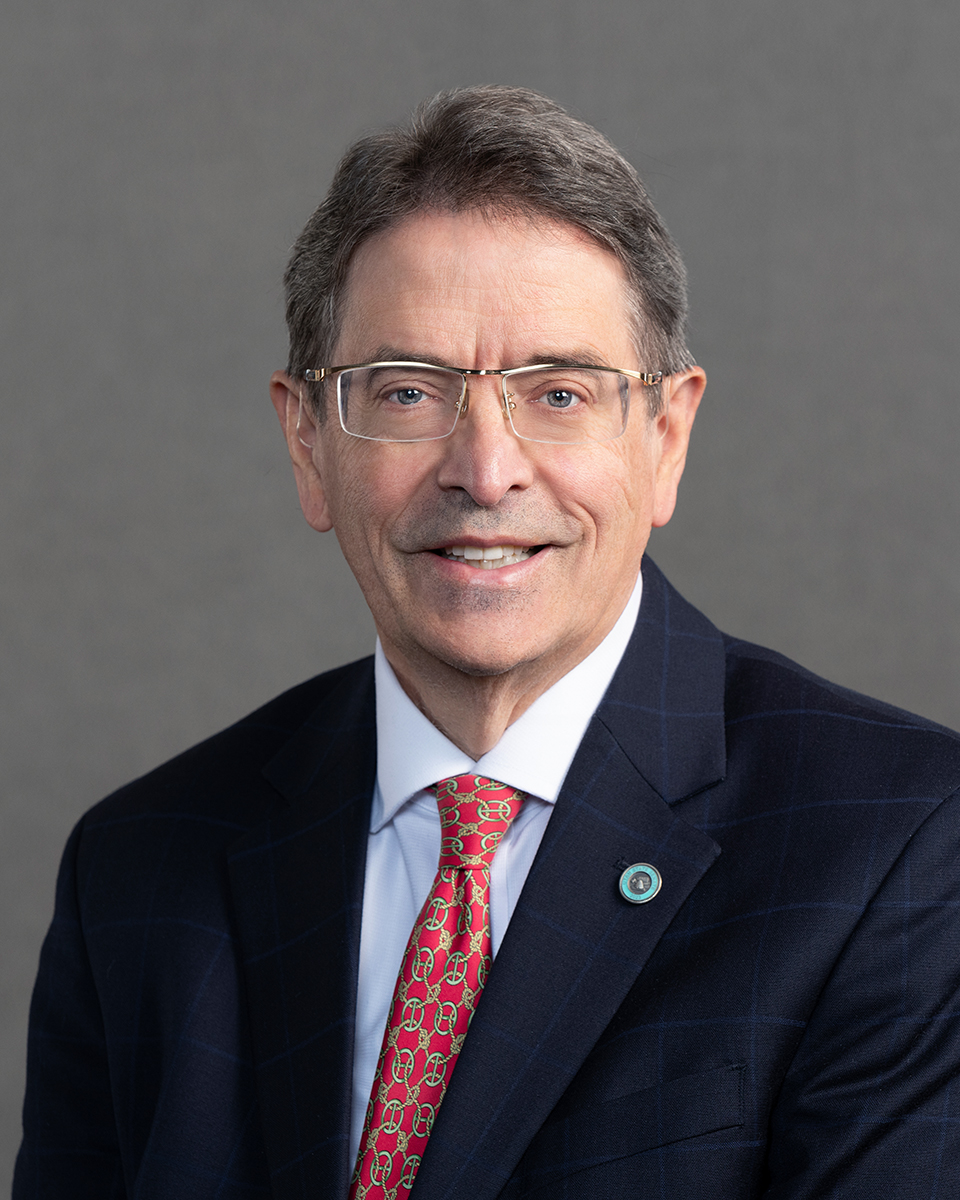
Nate Blouin
Nate Blouin Senate · District 13
D
Strong +
83% 68
Karen Kwan
Karen Kwan Senate · District 12
D
Strong +
83% 68
Emily Buss
Emily Buss Senate · District 11
N
Strong +
82% 63
Norm Thurston
Norm Thurston House · District 62
R
Strong +
80% 45
Lincoln Fillmore
Lincoln Fillmore Senate · District 17
R
Strong −
10% 56
John Johnson
John Johnson Senate · District 3
R
Oppose
30% 65
Dan McCay
Dan McCay Senate · District 18
R
Oppose
38% 55
Cal Musselman
Cal Musselman Senate · District 4
R
Oppose
38% 64
Tiara Auxier
Tiara Auxier House · District 4
R
Oppose
38% 42
Showing 81–90 of 115 bills

All healthcare bills

signed · Utah · Senate Mar 18, 2026

SB 170: Vitamin K Amendments

SB 170 requires healthcare providers and unlicensed midwives to administer vitamin K to newborn infants within 24 hours of birth. Parents may decline this administration by signing a form acknowledging the risks of not receiving vitamin K, which must be included in the infant's medical record. The bill defines key terms like "health care provider" and "unlicensed direct-entry midwife" and applies to all newborns in Utah. This directly affects newborns, their caregivers, and healthcare providers during delivery.
signed · Utah · Senate Mar 23, 2026

SB 127: Pediatric Care Amendments

SB 127 requires all Utah hospital emergency departments to implement specific pediatric care standards. It mandates policies for pediatric triage, dosing, equipment use, and annual staff training with clinical simulations. Each ER must appoint a pediatric care coordinator (a licensed physician, PA, or nurse) and conduct annual readiness assessments using the National Pediatric Readiness Project framework, reporting results to the Bureau of Emergency Medical Services. The bureau will collect data and establish minimum safety rules for pediatric care in ERs, with $278,000 reallocated from existing state funds for implementation. The bill directly affects all general acute hospital emergency departments across Utah.
failed · Utah · House Mar 7, 2026

HB 257: Opiate Information Amendments

HB 257 requires pharmacies, not the state, to provide patients receiving opiate prescriptions with a pamphlet covering addiction risks, safe storage/disposal methods, pain management alternatives, naloxone benefits, and substance use disorder resources. The pamphlets must be written in simple language, available in multiple languages, and periodically reviewed for effectiveness. The bill takes effect on May 6, 2026, with no new state funding required. It directly affects pharmacies dispensing opiates and patients receiving such prescriptions.
Sub-Topics Substance Abuse
signed · Utah · Senate Mar 17, 2026

SB 87: Naloxone Amendments

SB 87 allows healthcare providers and overdose outreach groups to legally administer or dispense **expired naloxone** (up to 24 months past expiration) without fear of legal liability, as long as it’s done in good faith during an overdose emergency. It specifically extends immunity from civil lawsuits or criminal charges for using expired naloxone, clarifies that prescribing/dispensing expired naloxone isn’t unprofessional conduct, and requires providers to educate recipients on its safety, efficacy, and risks. The bill directly affects **licensed healthcare professionals, overdose outreach programs, and individuals at high risk of opioid overdose** (or their family/friends who may assist them). Key provisions include permitting expired naloxone use under standing prescriptions and ensuring providers give clear instructions on overdose response. The law does not change existing rules for non-expired naloxone.
Sub-Topics Substance Abuse
signed · Utah · House Mar 18, 2026

HB 383: Department of Health and Human Services Amendments

HB 383 amends Utah's Health and Human Services code to clarify operational procedures within the department. It removes rulemaking authority from the Primary Care Grant Committee, clarifies membership and independence for the Compassionate Use Board and Health Workforce Advisory Council, and updates rules for Medicaid dental benefits and disability service funding transitions. The bill also specifies that the department may establish rules for congregate care ombudsman services and clarifies hospital transfer procedures for individuals in correctional custody. These changes affect department staff, advisory boards, healthcare providers, and service recipients, but the bill contains no new funding or significant policy shifts.
signed · Utah · House Mar 18, 2026

HB 402: EMS Controlled Substance Licensing Amendments

HB 402 creates a new state license specifically for emergency medical services (EMS) agencies to legally handle controlled substances (like naloxone or epinephrine) during emergencies. It requires EMS agencies to obtain this license, mandates record-keeping and storage rules, and authorizes the Division of Professional Licensing to enforce standards, deny/suspend licenses for violations, and collect fees. The bill directly affects all Utah EMS agencies currently distributing controlled substances, ensuring they operate under unified state regulations instead of relying solely on federal rules. Key provisions include requiring medical directors to issue standing orders for substance administration and setting clear procedures for license management and inspections.
in committee · Utah · Senate Mar 7, 2026

SB 203: Local Option Sales Tax Amendments

SB 203 allows eligible cities and towns in certain second-class counties (those with a national park, two or more state parks, and a city over 95,000 population) to impose a local sales tax specifically for emergency services. The bill permits up to a 0.33% tax rate after a public hearing or up to 1% tax rate with voter approval, with funds restricted to emergency medical and fire services. It prohibits taxing certain food purchases and requires the tax to be administered under existing sales tax rules. The tax would last 10 years with potential reauthorization, and cities could share funds with neighboring areas through agreements. This directly affects qualifying municipalities seeking new revenue for emergency response.
Sub-Topics Sales Tax Tags Public Safety
failed · Utah · House Mar 7, 2026

HB 152: Educational Vaccine Exemption Amendments

HB 152 amends Utah's public education vaccine exemption process by removing a requirement for parents to complete an online education module to obtain an exemption form. Instead, the Utah Department of Health and Human Services must provide a free, online exemption form directly to parents, which will automatically be sent to the student's school or school district. This change affects parents and students seeking exemptions for medical, personal, or religious reasons, streamlining access to the exemption process. The bill takes effect July 1, 2026, with no new funding required.
signed · Utah · Senate Mar 25, 2026

SB 174: Exercise of Religious Beliefs and Conscience Amendments

SB 174 allows health care providers, institutions, and payers in Utah to refuse participation in certain medical services (like pregnancy termination disposal) based on religious, moral, or ethical beliefs. It requires providers who refuse such services to notify their institution and prohibits retaliation, discrimination, or adverse actions against them for exercising this right. The bill also shields these individuals from civil, criminal, or administrative liability and mandates health care payers to disclose services they won’t cover due to conscience objections. It defines key terms like "conscience" and "adverse action" to clarify protections and enforcement mechanisms. The bill makes no changes to funding and applies to all covered health care entities under Utah law.
passed · Utah · House Mar 7, 2026

HB 295: Overdose Amendments

HB 295, the "Overdose Amendments," updates Utah's criminal code to better address overdose situations. It expands the affirmative defense for reporting overdoses to include both the person experiencing the overdose and anyone who stays with them during the event. The bill also creates a new option for courts to dismiss first-time drug offenses if the individual commits to substance abuse treatment, and clarifies that reporting an overdose can be used as a sentencing mitigating factor for both parties involved. These changes aim to reduce criminal penalties for overdose-related incidents while encouraging treatment engagement.
Showing 81 to 90 of 115 bills
Previous 1 8 9 10 12 Next