Issue · Healthcare

Healthcare

Every healthcare bill, vote, and legislator stance in Utah, automatically classified by Maddy, our AI policy reader.

Total bills
115
2026 General Session
Top supporter
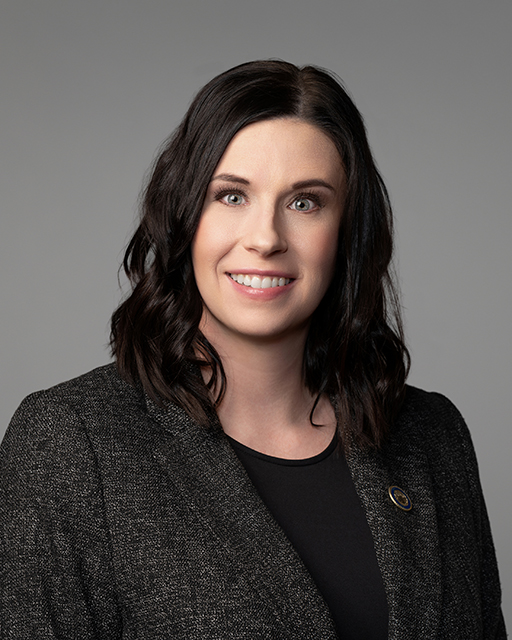
Kathleen Riebe
87% support rate
Top opponent
Lincoln Fillmore
10% support rate
Ranked legislators
10
5 support · 5 oppose
Key legislators

Who's moving healthcare in Utah

Legislators moving healthcare in Utah
Legislator Party Stance Support rate Votes
Kathleen Riebe
Kathleen Riebe Senate · District 15
D
Strong +
87% 63
Nate Blouin
Nate Blouin Senate · District 13
D
Strong +
83% 68
Karen Kwan
Karen Kwan Senate · District 12
D
Strong +
83% 68
Emily Buss
Emily Buss Senate · District 11
N
Strong +
82% 63
Norm Thurston
Norm Thurston House · District 62
R
Strong +
80% 45
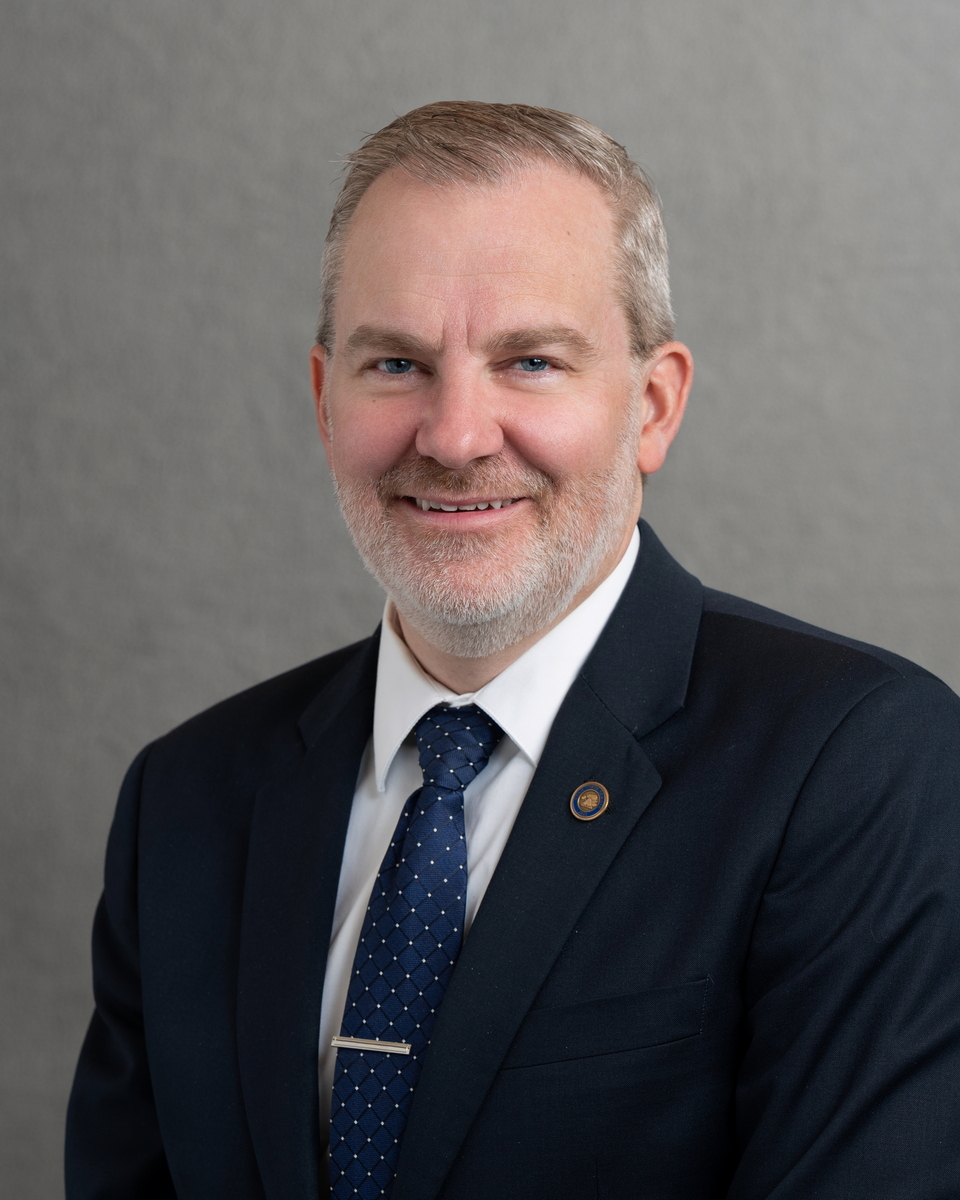
Lincoln Fillmore
Lincoln Fillmore Senate · District 17
R
Strong −
10% 56
John Johnson
John Johnson Senate · District 3
R
Oppose
30% 65
Dan McCay
Dan McCay Senate · District 18
R
Oppose
38% 55
Cal Musselman
Cal Musselman Senate · District 4
R
Oppose
38% 64
Tiara Auxier
Tiara Auxier House · District 4
R
Oppose
38% 42
Showing 91–100 of 115 bills

All healthcare bills

signed · Utah · Senate Mar 17, 2026

SB 96: Opioid Fatality Review Amendments

SB 96 amends Utah laws to clarify how the Department of Health and Human Services investigates opioid overdose deaths and shares related information. It explicitly states the department can investigate drug overdose fatalities as public health hazards, specifies that treatment records shared with medical examiners must follow federal privacy laws (like 42 U.S.C. § 290dd-2), and allows the department to use its authority to identify prevention and intervention opportunities after deaths under the medical examiner’s jurisdiction. The bill directly affects the Department of Health, medical examiners, healthcare providers (who share treatment records), and public health officials. It makes no new funding changes and updates existing codes without creating new programs.
signed · Utah · Senate Mar 18, 2026

SB 160: Medicaid Reimbursement Rate Amendments

This bill makes permanent a budgeting mechanism that adjusts Medicaid reimbursement rates for applied behavior analysis (ABA) services based on Utah's General Fund revenue growth. It ensures ABA providers receive rate increases tied to the state's budget growth factor (e.g., 100% if growth is below 100%, or 102% if growth is 102% or higher). The policy directly affects Medicaid providers delivering ABA services to beneficiaries and ensures these rates stay aligned with reimbursement for similar services under Medicaid managed care plans. The bill does not appropriate new funding but modifies how existing funds are allocated to maintain these rate adjustments.
signed · Utah · House Mar 24, 2026

HB 339: Street Medicine Amendments

HB 339 requires the University of Utah Health to study whether a street medicine program could operate in Davis, Salt Lake, and Utah counties by 2027. It directs Utah's Department of Health to develop guidelines for street medicine providers by July 2026, covering Medicaid coverage and community resources. The bill defines "street medicine" as healthcare provided outside clinics to people experiencing unsheltered homelessness, such as those sleeping in vehicles, parks, or encampments. These guidelines and the feasibility study aim to create a framework for this type of care, with no new funding allocated.
Sub-Topics Medicaid
vetoed · Utah · House Mar 26, 2026

HB 164: Health Care Patient Reporting to the Division of Professional Licensing

HB 164 requires health care providers to give patients written information about reporting unprofessional or unlawful conduct to Utah's Division of Professional Licensing before patients sign any nondisclosure agreement. It makes such agreements legally unenforceable unless the provider first provides a standardized model notice explaining how to file a complaint. The bill directs the Division to create and publish this notice online, including details on what constitutes misconduct and the reporting process. This affects patients seeking to report provider misconduct and health care providers using nondisclosure clauses, effective May 6, 2026.
in committee · Utah · Senate Mar 7, 2026

SB 211: Tort Amendments

SB 211 prevents defendants in personal injury lawsuits from using evidence about third-party payments (like insurance, Medicare, or Medicaid) to reduce compensation. It makes inadmissible any information about collateral sources, reduced medical bills, health care provider liens, or the plaintiff’s personal financial obligations for treatment. This directly affects plaintiffs who received medical care covered by insurance and defendants who previously tried to lower settlements based on pre-paid medical costs. The law requires courts to instruct juries not to consider these factors during trials.
Sub-Topics Medicaid Medicare
signed · Utah · Senate Mar 24, 2026

SCR 5: Concurrent Resolution Directing PEHP Regarding Pain Medication

This bill directs Utah's state health plan (PEHP) to make specific changes to its drug coverage starting in 2027. It requires PEHP to include at least one non-opioid pain medication alternative for every opioid drug in its formulary (drug list), and prohibits using cost-sharing, prior authorization, or other extra steps to discourage patients from choosing these alternatives. The resolution aims to address coverage gaps that may lead patients toward opioids instead of safer options. (Note: This is a procedural resolution, not a law, and applies directly to PEHP's coverage policies.)
signed · Utah · House Mar 19, 2026

HB 321: Inmate Medical Treatment Rates Amendments

HB 321 establishes that Utah's Department of Health and Human Services must pay University of Utah Hospitals and Clinics the standard Medicaid base rate (not higher rates) for inmate medical care when no contract exists, creating a savings mechanism. It requires the department to deposit 50% of these savings into a new "Inmate Medical Treatment Restricted Account" for correctional health services, while the other 50% returns to the General Fund. The bill mandates annual reports to legislative committees detailing the savings calculations and account balances. This directly affects state departments managing inmate healthcare, hospitals providing services, and incarcerated individuals receiving medical treatment. The policy changes focus on standardizing reimbursement rates and tracking cost savings without altering healthcare delivery.
signed · Utah · Senate Mar 18, 2026

SB 222: Right to Try Amendments

SB 222 amends Utah's "Right to Try" law to expand access to investigational drugs. It removes the requirement that patients have a terminal illness, instead allowing individuals with serious conditions that pose significant risks compared to experimental treatments and limited conventional options to qualify. The bill updates definitions to clarify "eligible illness" and expands permissible medicinal dosage forms (e.g., adding transdermal and sublingual options). This change directly affects patients seeking experimental treatments who previously faced eligibility barriers due to non-terminal diagnoses. The law takes effect May 6, 2026, with no new funding required.
signed · Utah · House Mar 18, 2026

HB 414: Dental Hygienist Amendments

HB 414 amends Utah's definition of "public health setting" to explicitly include hospitals. This change allows dental hygienists working in hospitals to practice without requiring general supervision from a dentist (meaning a dentist doesn't need to be physically present on-site). The bill directly affects dental hygienists employed in hospital settings by expanding their scope of practice within those facilities. It does not appropriate funds or change other licensing requirements, focusing solely on clarifying where hygienists can work independently. The amendment takes effect May 6, 2026.
introduced · Utah · House Mar 7, 2026

HJR 6: Joint Resolution Regarding School Activities and Practices

HJR 6 is a non-binding resolution encouraging Utah public schools to prioritize student well-being by increasing physical activity and reducing screen time during the school day. It specifically urges schools to expand physical education, outdoor recess, and unstructured play while recommending thoughtful limits on digital device use - especially for younger students - to support mental health. The resolution, addressed to school leaders and state agencies like the State Board of Education, does not appropriate funds or create new requirements, but rather offers recommendations based on research linking reduced screen time to improved youth mental health outcomes. It follows concerns about rising youth anxiety and the displacement of outdoor play by digital learning tools.
Showing 91 to 100 of 115 bills
Previous 1 9 10 11 12 Next