Issue · Veterans

Veterans

Every veterans bill, vote, and legislator stance in United States, automatically classified by Maddy, our AI policy reader.

Total bills
1,176
119th Congress
Top supporter
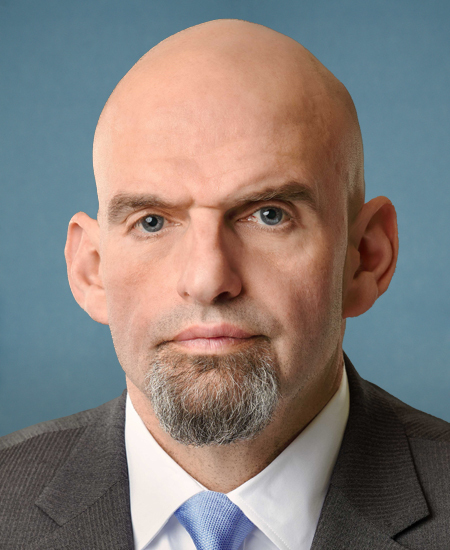
John Fetterman
88% support rate
Top opponent
Rand Paul
12% support rate
Ranked legislators
10
5 support · 5 oppose
Key legislators

Who's moving veterans in United States

Legislators moving veterans in United States
Legislator Party Stance Support rate Decisive votes
John Fetterman
John Fetterman Senate
D
Strong +
88% 40
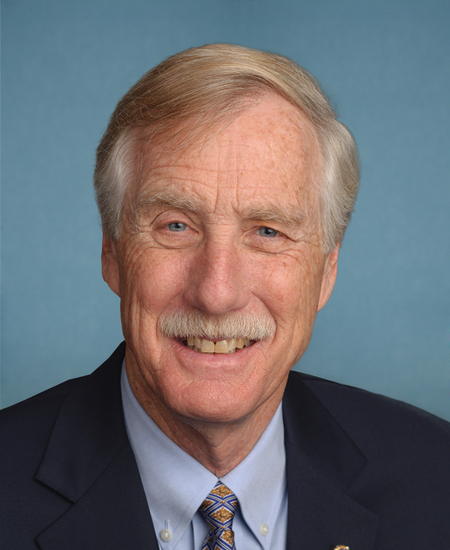
Angus S. King, Jr.
Angus S. King, Jr. Senate
I
Strong +
83% 42
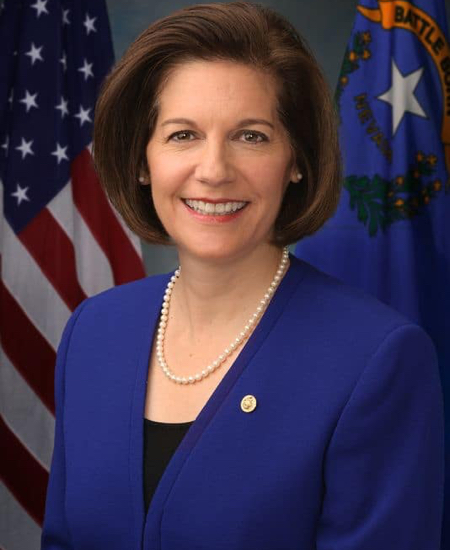
Catherine Cortez Masto
Catherine Cortez Masto Senate
D
Strong +
83% 42
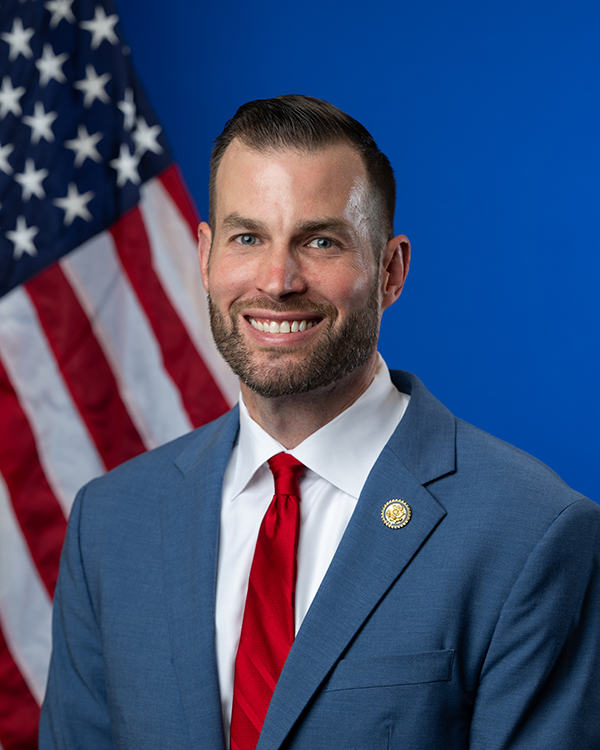
Clay Fuller
Clay Fuller House · District 14
R
Strong +
80% 10
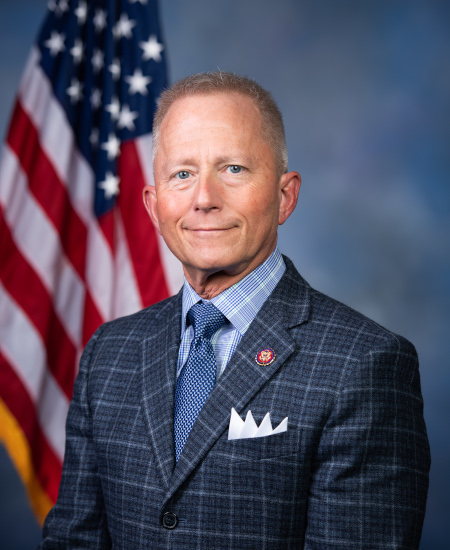
Jefferson Van Drew
Jefferson Van Drew House · District 2
R
Support
76% 17
Rand Paul
Rand Paul Senate
R
Strong −
12% 42
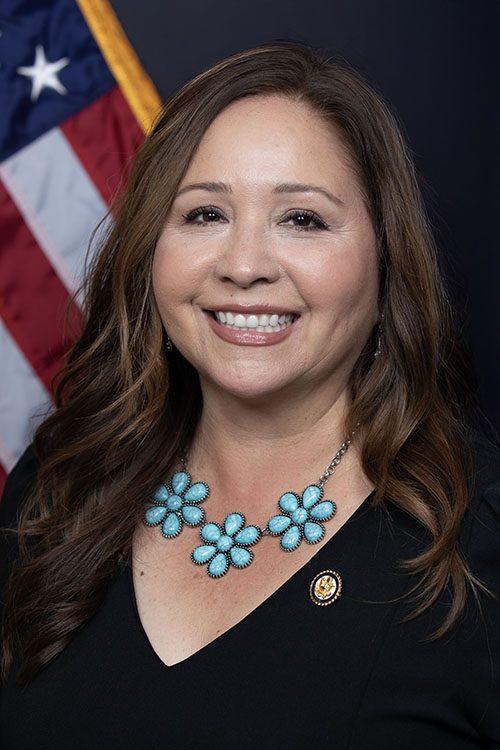
Adelita S. Grijalva
Adelita S. Grijalva House · District 7
D
Strong −
18% 11
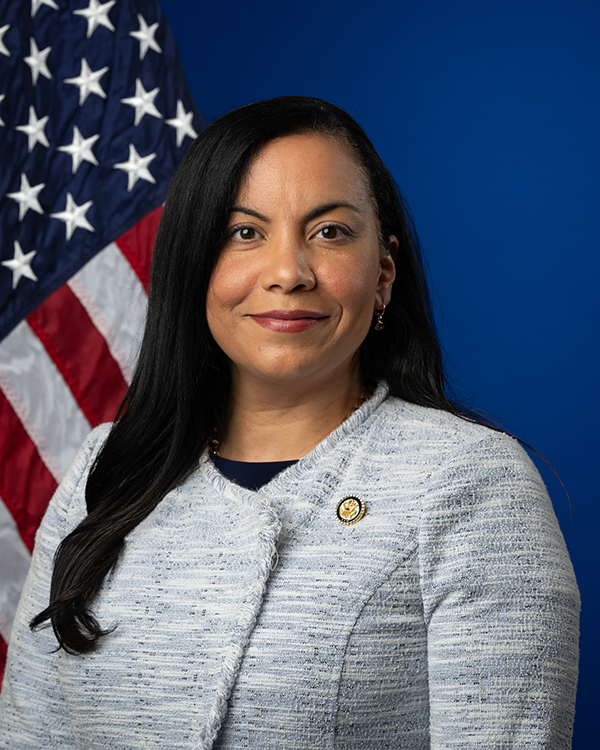
Analilia Mejia
Analilia Mejia House · District 11
D
Strong −
20% 10
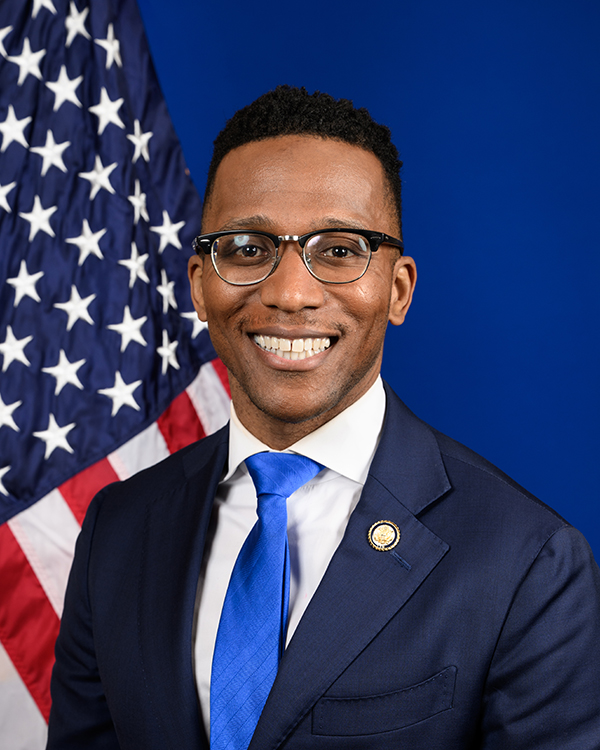
Christian D. Menefee
Christian D. Menefee House · District 18
D
Strong −
20% 10
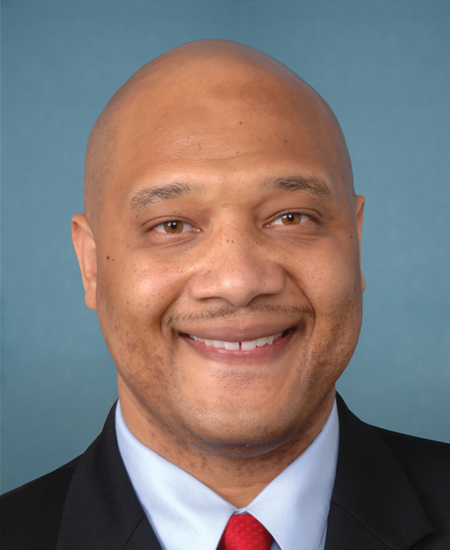
André Carson
André Carson House · District 7
D
Oppose
25% 16
Showing 851–860 of 1,176 bills

All veterans bills

in committee · United States · Senate Jul 29, 2025

S 2501: VSAFE Act of 2025

The VSAFE Act of 2025 creates a new "Veterans Scam and Fraud Evasion Officer" within the Department of Veterans Affairs to combat scams targeting veterans. This officer will develop fraud prevention guidelines, promote the VSAFE Fraud Hotline and website, coordinate with agencies like the IRS and Consumer Financial Protection Bureau, and monitor fraud metrics for veterans, their families, caregivers, and survivors. The bill establishes this role without increasing staffing or altering the Inspector General’s authority. It focuses on improving communication, reporting systems, and cross-agency coordination to protect veterans from identity theft and financial scams.
in committee · United States · House Jan 15, 2026

HR 6662: Department of Defense and Department of Veterans Affairs Medical Credentialing Integration Act of 2025

HR 6662, the Department of Defense and Department of Veterans Affairs Medical Credentialing Integration Act of 2025, requires the Defense and Veterans Affairs departments to create a single, unified system for medical provider credentialing and privileging. It directly affects military and VA medical staff (like doctors and nurses) by replacing separate, non-interoperable systems currently used by each department. Key provisions mandate a joint report on existing systems within 120 days, selection of one unified system by January 2027, and full implementation by January 2028, ensuring seamless sharing of provider credentials across both departments. This eliminates redundant credentialing processes and improves administrative efficiency for medical providers working across DoD and VA facilities.
in committee · United States · House Mar 10, 2025

HR 1814: Restoring the VA Home Loan Program in Perpetuity Act of 2025

HR 1814, the *Restoring the VA Home Loan Program in Perpetuity Act of 2025*, limits the Department of Veterans Affairs (VA) to purchasing no more than 250 home loans annually under its Servicer Purchaser Program. This directly affects veterans seeking VA-backed mortgages, as it caps the program’s scale by restricting the VA’s ability to acquire loans. The bill’s key provision establishes this annual 250-loan limit for VA purchases, while also requiring a study on selling loans acquired after May 31, 2024. It does not change eligibility for veterans but alters how the VA manages loan acquisitions.
passed · United States · House Apr 8, 2025

HR 877: Deliver for Veterans Act

HR 877, the Deliver for Veterans Act, amends existing law to ensure the Department of Veterans Affairs (VA) covers the full cost of delivering adaptive vehicles to eligible veterans. Specifically, it updates Section 3902(a) of Title 38 to include "the total shipping price to deliver the automobile or other conveyance to the veteran" in the VA's payment obligation. This change directly affects veterans who receive adaptive vehicles through the VA's program, removing a previous barrier where shipping costs might have been their responsibility. The bill makes no new eligibility rules but clarifies that the VA must pay for both the vehicle purchase and its delivery to the veteran's location. This is a technical adjustment to improve the existing program's implementation.
in committee · United States · Senate Sep 3, 2025

S 2698: Safeguarding Department of Veterans Affairs Dependent Education Benefits Act of 2025

This bill allows spouses and dependent children to regain Post-9/11 GI Bill education benefits that were terminated when a veteran was discharged due to domestic violence or sexual assault against them. It requires applicants to prove the veteran’s discharge resulted from a dependent-abuse offense (like domestic violence) with evidence, and reinstates only unused portions of previously transferred benefits. The application process must be trauma-informed, and denied requests can be reviewed by the Secretary of Defense or Homeland Security within 30 days. It directly affects veterans’ families who lost benefits due to abusive circumstances, not all discharged veterans.
passed · United States · House May 20, 2025

HR 1364: Automotive Support Services to Improve Safe Transportation Act of 2025

The ASSIST Act of 2025 amends the VA’s definition of medical services to explicitly include medically necessary automobile adaptations for veterans. It directly affects veterans with mobility needs who require modifications like ramps, wheelchair lifts, raised doors, or accessibility features to safely operate vehicles. The bill adds these specific adaptations - such as ingress/egress modifications and non-articulating trailers - to the list of VA-covered medical services under Title 38. This change ensures veterans can access these transportation aids without additional administrative hurdles, streamlining coverage for essential mobility support.
in committee · United States · Senate May 12, 2025

S 1714: Disabled Veterans Housing Support Act

This bill amends housing law to ensure disabled veterans' service-connected disability compensation from the VA is excluded when calculating income for housing assistance programs. It directly affects disabled veterans receiving VA disability payments, making them more likely to qualify for low-income housing programs that previously counted their VA benefits as income. The bill requires the Comptroller General to report within one year on how VA benefits are treated across HUD programs and to recommend changes for better veteran support. This creates a concrete policy change in income eligibility rules, with no immediate financial impact on programs beyond the new exclusion.
in committee · United States · Senate Apr 9, 2025

S 1361: Every State Counts for Veterans Mental Health Act

This bill prioritizes states that have never received a Department of Veterans Affairs (VA) suicide prevention grant. It requires the VA Secretary to give all eligible applicants in such states a scoring preference during grant evaluations until at least one grant is awarded there. The law directly affects veterans in states without existing VA suicide prevention grants by ensuring these states receive fair consideration for funding. Key mechanisms include prioritizing entities in states with prior unawarded applications and applying a scoring preference for all applicants in states with no prior grants. This aims to expand access to mental health support for veterans nationwide.
in committee · United States · Senate Dec 10, 2025

S 926: Saving Our Veterans Lives Act of 2025

The Saving Our Veterans Lives Act of 2025 establishes a Department of Veterans Affairs program to provide eligible veterans with secure firearm lockboxes and educational materials on safe storage, aiming to support suicide prevention. The program distributes lockboxes meeting specific safety standards (e.g., key or combination-locked, U.S.-made, non-resale) and partners with organizations to run public education campaigns, clarifying that participation does not affect lawful firearm ownership. The VA must report annually to Congress on program reach and challenges, and the bill authorizes $5 million yearly (2026-2036) to fund the initiative.
in committee · United States · Senate Jul 31, 2025

S 2575: Healthcare for Our Troops Act

S 2575, the Healthcare for Our Troops Act, eliminates individual premiums for members of the Selected Reserve in the Armed Forces under the TRICARE Reserve Select military health plan. It establishes a uniform 28% monthly premium for family coverage (based on actuarial costs), replaces enrollment fees, and requires the Department of Defense to develop new forms for civilian providers to track reserve members' medical readiness and deployment fitness. The bill directly affects Selected Reserve service members and their immediate families, with changes taking effect one year after enactment. These provisions aim to reduce out-of-pocket costs for reserve members while standardizing family coverage costs.
Showing 851 to 860 of 1,176 bills
Previous 1 85 86 87 118 Next