Issue · Veterans

Veterans

Every veterans bill, vote, and legislator stance in United States, automatically classified by Maddy, our AI policy reader.

Total bills
22
119th Congress
Top supporter
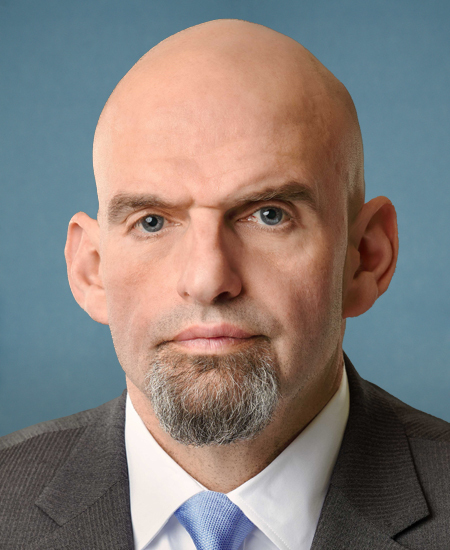
John Fetterman
88% support rate
Top opponent
Rand Paul
12% support rate
Ranked legislators
10
5 support · 5 oppose
Key legislators

Who's moving veterans in United States

Legislators moving veterans in United States
Legislator Party Stance Support rate Votes
John Fetterman
John Fetterman Senate
D
Strong +
88% 268
Catherine Cortez Masto
Catherine Cortez Masto Senate
D
Strong +
83% 266
Angus S. King, Jr.
Angus S. King, Jr. Senate
I
Strong +
83% 275
Clay Fuller
Clay Fuller House · District 14
R
Strong +
80% 76
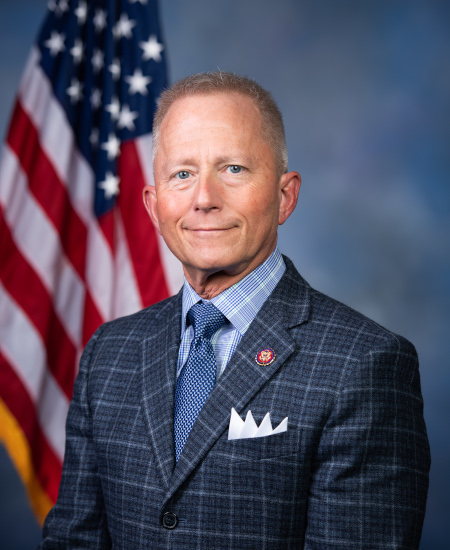
Jefferson Van Drew
Jefferson Van Drew House · District 2
R
Support
76% 221
Rand Paul
Rand Paul Senate
R
Strong −
12% 266
Adelita S. Grijalva
Adelita S. Grijalva House · District 7
D
Strong −
18% 144
Analilia Mejia
Analilia Mejia House · District 11
D
Strong −
20% 71
Christian D. Menefee
Christian D. Menefee House · District 18
D
Strong −
20% 95
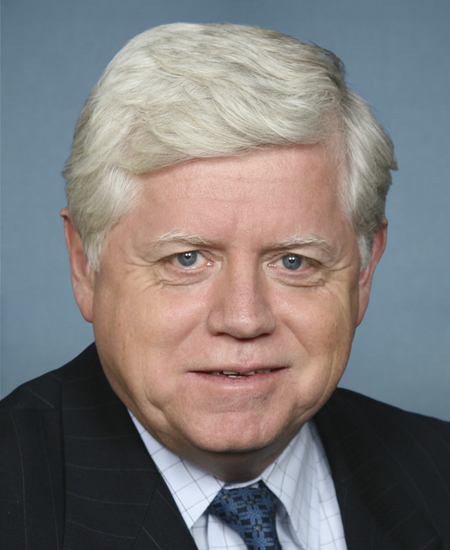
John B. Larson
John B. Larson House · District 1
D
Oppose
25% 217
Showing 1–10 of 22 bills

All veterans bills

in committee · United States · Senate Aug 5, 2026

S 5266: Veterans’ Earned Benefits Access Act of 2026

The Veterans’ Earned Benefits Access Act of 2026 allows the Secretary of Veterans Affairs to recover separation, severance, and readjustment pay from service members who are receiving veterans' disability compensation. To manage this recovery, the bill authorizes deductions from monthly disability payments, with regulations ensuring that no more than 25 percent of a member's compensation is withheld in any given month. The legislation also establishes a process for service members to apply for a waiver if these deductions would cause them financial hardship. These provisions will take effect once final regulations are published and will apply to disability compensation paid on or after that date.
in committee · United States · Senate Apr 27, 2026

S 4390: Ending Discrimination in Government Contracting Act

This bill, known as the Ending Discrimination in Government Contracting Act, aims to remove specific preferences and goals based on race, ethnicity, or gender from federal government contracting laws. It directly affects small businesses owned by socially and economically disadvantaged individuals, women, and veterans by eliminating their special status in many federal programs. The key mechanism involves repealing or amending numerous existing statutes to stop the government from prioritizing these specific groups when awarding contracts or providing financial assistance. Additionally, the bill mandates that federal agencies update their internal rules and guidance documents to ensure they no longer require or encourage contractors to consider the race, ethnicity, or sex of business owners. By making these changes, the legislation seeks to standardize how federal contracts are awarded without regard to the demographic background of the business owners.
in committee · United States · Senate Apr 30, 2026

S 4447: No Taxpayer-Funded Pensions for Sex Criminals Act

This bill, titled the No Taxpayer-Funded Pensions for Sex Criminals Act, prohibits federal government employees and military personnel from receiving pension benefits if they are convicted of specific sex crimes. The law amends existing federal statutes to ensure that anyone convicted of offenses such as rape, child molestation, or sexual exploitation after the bill's enactment will have their annuities and retired pay forfeited. These penalties apply to crimes committed on or after the date the law is passed, covering both federal offenses and state crimes that would be considered federal sex offenses if committed in federal territory. The legislation also includes technical updates to related sections of the U.S. Code to ensure the forfeiture rules are consistently applied across different retirement systems.
in committee · United States · House Jun 25, 2026

HR 8767: Compensation Fund Recrediting Act

The Compensation Fund Recrediting Act sets a specific end date for the Filipino Veterans Equity Compensation Fund, which provides financial compensation to Filipino veterans of World War II. Under this legislation, the fund will stop operating on January 1, 2027, and any remaining money in the fund will be transferred to the Treasury's general fund. This change affects the timeline for when veterans can receive payments and determines how leftover funds are handled after the program concludes.
in committee · United States · House May 20, 2026

HR 6904: Veterans Readiness and Employment Improvement and Accountability Act

This bill modifies the Department of Veterans Affairs' Veterans Readiness and Employment (VR&E) program, which provides job training and education benefits to eligible veterans. It allows the VA to bar certain benefits for veterans convicted of assaulting VA employees and extends VR&E eligibility for some veterans who haven't found employment after training. The bill also sets a $250,000 cap on federal funds for a rehabilitation program, with future adjustments, and requires VA Secretary approval for equipment purchases exceeding $5,000. Additionally, it prevents veterans from concurrently receiving disability compensation based on individual unemployability while participating in a VR&E program and allows subsistence allowances to be based on a veteran's residence in certain cases.
in committee · United States · House May 23, 2025

HR 3609: Remove the Stain Act

HR 3609, the "Remove the Stain Act," would rescind 20 Medals of Honor awarded to U.S. Army soldiers for their actions during the 1890 Wounded Knee Massacre, where unarmed Native Americans (including women and children) were killed. The bill directly affects the official records of these 20 soldiers by removing their names from the Medal of Honor Roll maintained by the military branches. Key provisions include requiring the Secretary of Defense to update the official rolls without requiring recipients to return their medals, and clarifying that this change does not deny any benefits to those individuals. The bill is based on findings that the massacre involved unarmed people and that awarding medals for it undermines the Medal of Honor's integrity.
in committee · United States · House May 20, 2026

HR 6549: VA Contracting and Procurement Act

This bill establishes a $50 million limit on the Department of Veterans Affairs' ability to spend on certain contracts and agreements without specific congressional authorization. It applies to various VA programs including community care, health care administration, educational benefits, and prosthetic equipment procurement. The limit has exceptions for emergencies such as declared wars, national emergencies, major disasters, or public health crises. For agreements exceeding the limit, the VA must notify Congress and provide 30 days for potential disapproval. This legislation aims to increase congressional oversight of VA spending by requiring specific authorization for large contracts.
Sub-Topics Veteran Healthcare
in committee · United States · House Mar 5, 2025

HR 968: Time of Service Act

HR 968, the Time of Service Act, would change the deadline for using benefits under the Post-9/11 Educational Assistance Program from January 1, 2013, to January 1, 2001. This would require veterans to use their educational benefits by 2001, before the program's effective date in 2009. As a result, the bill would make these benefits unavailable for all veterans eligible under the program. It directly affects veterans who served after September 11, 2001, and are currently using or eligible for the Post-9/11 Educational Assistance Program.
in committee · United States · Senate Jul 28, 2025

S 2482: TRICARE Travel Improvement Act

This bill changes travel reimbursement rules for military healthcare. It reduces the distance threshold for most beneficiaries from 100 miles to 50 miles when traveling for specialty care, making reimbursement more accessible for service members and their families living farther from care facilities. However, it maintains a 100-mile threshold specifically for military retirees and their dependents under new provisions. These adjustments directly affect individuals using TRICARE for specialty care travel expenses.
passed · United States · House Sep 16, 2025

HR 3579: Veterans Readiness and Employment Program Integrity Act

HR 3579 requires veterans to submit an application before the VA can begin an initial evaluation for vocational rehabilitation services. It limits employment assistance under the program to a maximum of 365 days per veteran. The bill also mandates the VA to annually report veterans' regional office assignments, pre- and post-program wages, and average wait times for counselor meetings to Congress and the public. Additionally, it requires an independent review of VA rehabilitation programs within one year of enactment to recommend improvements.
Showing 1 to 10 of 22 bills
1 2 3 Next