Issue · Veterans

Veterans

Every veterans bill, vote, and legislator stance in United States, automatically classified by Maddy, our AI policy reader.

Total bills
1,173
119th Congress
Top supporter
John Fetterman
88% support rate
Top opponent
Rand Paul
12% support rate
Ranked legislators
10
5 support · 5 oppose
Key legislators

Who's moving veterans in United States

Legislators moving veterans in United States
Legislator Party Stance Support rate Decisive votes
John Fetterman
John Fetterman Senate
D
Strong +
88% 40
Angus S. King, Jr.
Angus S. King, Jr. Senate
I
Strong +
83% 42
Catherine Cortez Masto
Catherine Cortez Masto Senate
D
Strong +
83% 42
Clay Fuller
Clay Fuller House · District 14
R
Strong +
80% 10
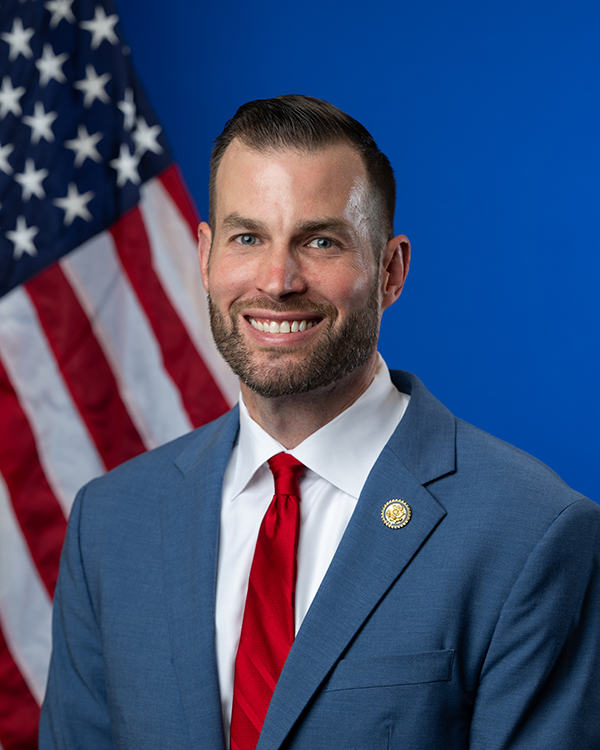
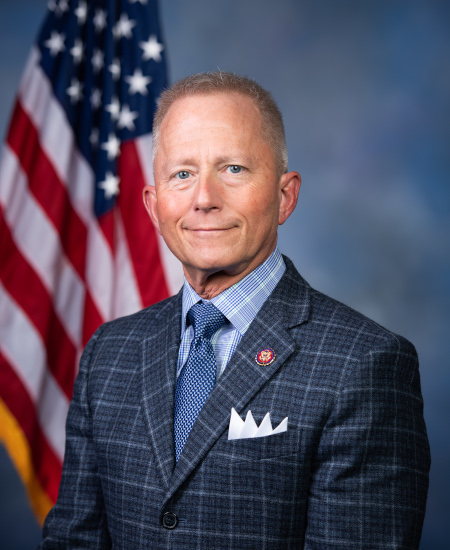
Jefferson Van Drew
Jefferson Van Drew House · District 2
R
Support
76% 17
Rand Paul
Rand Paul Senate
R
Strong −
12% 42
Adelita S. Grijalva
Adelita S. Grijalva House · District 7
D
Strong −
18% 11
Analilia Mejia
Analilia Mejia House · District 11
D
Strong −
20% 10
Christian D. Menefee
Christian D. Menefee House · District 18
D
Strong −
20% 10
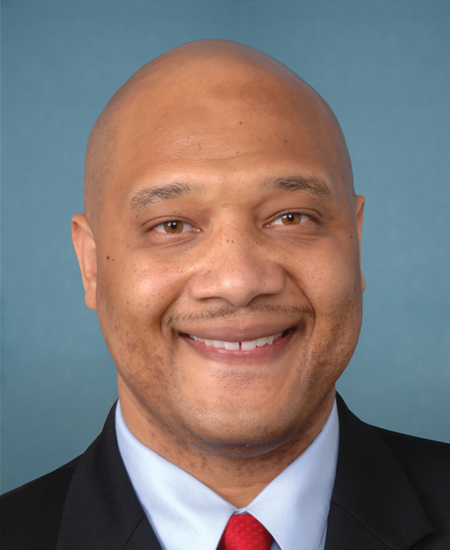
André Carson
André Carson House · District 7
D
Oppose
25% 16
Showing 761–770 of 1,173 bills

All veterans bills

in committee · United States · House Jun 9, 2025

HRES 490: Expressing support for the designation of the second Saturday in June as "Veterans Get Outside Day".

HRES 490 is a symbolic resolution expressing support for designating the second Saturday in June as "Veterans Get Outside Day." It does not create new laws or funding but encourages coordination between the Department of Veterans Affairs, the Forest Service, and the Department of the Interior to promote outdoor events for veterans. The resolution cites research showing nature exposure can improve mental health outcomes for veterans dealing with conditions like PTSD, depression, and traumatic brain injury. It aligns with existing initiatives like National Get Outdoors Day and aims to increase veteran access to outdoor activities. This is a procedural resolution with no direct legal effect on veterans or agencies.
in committee · United States · House May 14, 2026

HR 5436: End Transcript Withholding for Veterans Act

HR 5436 prohibits educational institutions from withholding a student's transcript if they used Post-9/11 GI Bill benefits, even if the student owes money to the school. This directly affects veterans and service members who accessed education benefits under the Post-9/11 GI Bill program. The bill adds a specific provision to U.S. Code (38 U.S.C. § 3328) making it illegal for schools to deny transcripts solely due to unpaid debts related to their GI Bill-funded education. The law ensures these individuals can access their academic records without financial barriers tied to their education benefits.
in committee · United States · House Apr 11, 2025

HR 1288: DRIVE Act of 2025

The DRIVE Act of 2025 requires the Department of Veterans Affairs (VA) to set mileage reimbursement rates for veterans at the federal government's current standard rate for employees using personal vehicles on official business, replacing the previous fixed rate of 41.5 cents per mile. It also mandates that the VA process and pay these reimbursements within 90 days of a veteran's valid request. This directly affects veterans who travel for VA medical appointments or services using their personal vehicles. The bill aligns veteran travel reimbursements with federal employee standards and ensures timely payments.
in committee · United States · Senate Jul 24, 2025

S 2454: Fair Debt Collection Practices for Servicemembers Act

S 2454, the Fair Debt Collection Practices for Servicemembers Act, prohibits debt collectors from threatening military penalties when collecting debts from servicemembers and certain dependents. It specifically bans threats to reduce a servicemember’s rank, revoke security clearance, or trigger prosecution under the Uniform Code of Military Justice (UCMJ). The bill applies to "covered individuals," defined as active-duty members, recent separation/discharge veterans (within 365 days), specific dependents, and Selected Reserve members. Debt collectors may still provide standard debt information but cannot use military consequences as collection tactics. A separate provision requires a GAO study on the bill’s impact on military readiness and security clearances.
in committee · United States · Senate Mar 18, 2026

S 2264: Advancing VA’s Emergency Response to (AVERT) Crises Act of 2025

S 2264, the AVERT Crises Act of 2025, requires the Department of Veterans Affairs (VA) to submit three reports to Congress within 90-180 days of enactment. The first report will assess VA's emergency management roles, organizational structure, and potential for consolidating offices to improve coordination. The second will detail the operations and inventory of VA's Regional Readiness Centers, including supply requests and emergency response capabilities. The third will examine barriers to sharing resources like fuel with FEMA during emergencies and whether congressional action is needed to enable better coordination. These reports aim to identify inefficiencies and improve the VA's emergency response systems for veterans.
Sub-Topics Veteran Healthcare Veteran Housing Veteran Mental Health Tags Emergency Management
in committee · United States · House Mar 27, 2025

HR 1845: TAP Promotion Act

TAP Promotion Act This bill requires that pre-separation counseling under the Transition Assistance Program include a presentation that promotes the benefits available to veterans from the Department of Veterans Affairs (VA). The bill also requires the VA to annually report on the presentation to (1) identify veterans service organizations that participate, (2) provide the number of members of the Armed Forces who attend, and (3) provide any recommendations for changes to the presentation.
in committee · United States · Senate May 21, 2025

S 599: DRIVE Act of 2025

The DRIVE Act of 2025 updates how the Department of Veterans Affairs reimburses veterans for using personal vehicles for VA-related travel. It requires the VA to set mileage reimbursement rates equal to or higher than the federal government’s standard rate for employee travel (currently 41.5 cents per mile), replacing the fixed rate in current law. The bill also mandates that veterans receive these reimbursements within 90 days of submitting a valid claim. This directly affects veterans who travel for VA appointments or services using their personal vehicles.
in committee · United States · House Sep 22, 2025

HR 5261: Veterans Emergency Care Reimbursement Act of 2025

This bill modifies reimbursement rules for veterans receiving emergency care at non-VA facilities. It ensures veterans with private health insurance won't be charged more than $100 for copayments on emergency treatment claims, excluding deductibles or coinsurance. The change applies to all claims submitted since February 2012, including those from the Wolfe v. McDonough class action case. This directly affects veterans who had private insurance coverage when seeking emergency care outside VA facilities.
in committee · United States · House Jun 3, 2025

HR 3694: VALID Act of 2025

HR 3694, the VALID Act of 2025, requires lenders to include specific information about VA loans in mortgage disclosures. It amends the National Housing Act to mandate that disclosures state the loan-to-value ratio and clarify that VA loans are available under Chapter 37 of Title 38 (veterans' benefits law), assuming prevailing interest rates. The bill also requires the Federal Housing Finance Agency to add a military service question to the Uniform Residential Loan Application form, placing it above the signature line within six months of enactment. This directly affects veterans and active-duty service members applying for VA-guaranteed mortgages, as well as the lenders processing those applications.
Sub-Topics Veteran Housing
in committee · United States · House Feb 12, 2026

HR 2148: Veteran Caregiver Reeducation, Reemployment, and Retirement Act

This bill extends medical coverage for 180 days after family caregivers stop providing personal care to veterans (unless dismissed for fraud), and adds employment support during this transition period. It provides up to $1,000 in reimbursement for certification fees, free training modules, and access to programs like Military OneSource and Veterans' Employment Services. The bill also requires studies on creating returnship programs for caregivers rejoining the workforce and on hiring former caregivers at VA facilities. Additionally, it mandates reports on retirement plan options for caregivers and VA efforts supporting their transition away from caregiving. The bill directly affects family caregivers designated under VA's program who are ending their caregiving role.
Showing 761 to 770 of 1,173 bills
Previous 1 … 76 77 78 … 118 Next