

Issue · Transportation
Transportation
Every transportation bill, vote, and legislator stance in United States, automatically classified by Maddy, our AI policy reader.
Total bills
847
119th Congress
Top supporter
Matt Van Epps
86% support rate
Top opponent
Adelita S. Grijalva
14% support rate
Ranked legislators
10
5 support · 5 oppose
Key legislators
Who's moving transportation in United States
| Legislator | Party | Stance | Support rate | Votes |
|---|---|---|---|---|
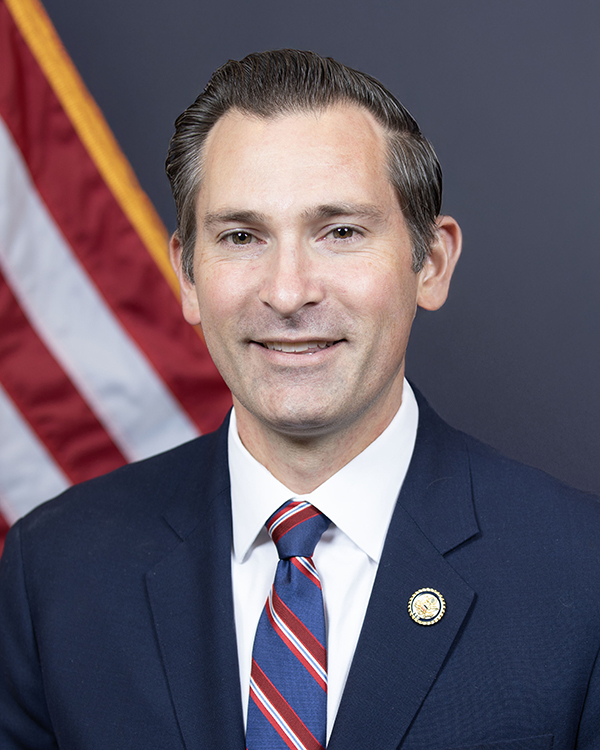
Matt Van Epps
House · District 7
|
R |
Strong +
|
86% | 67 |

Martin Heinrich
Senate
|
D |
Support
|
78% | 133 |
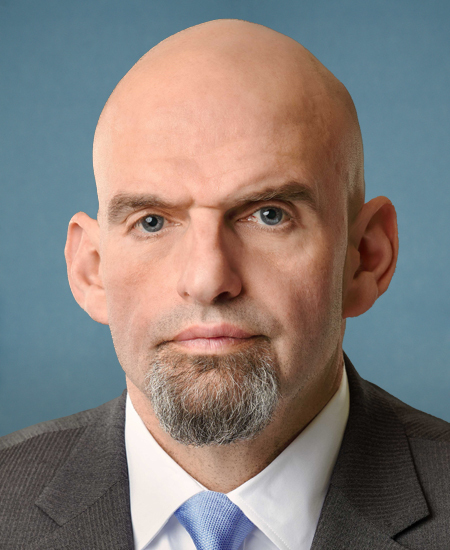
John Fetterman
Senate
|
D |
Support
|
70% | 150 |

Nikema Williams
House · District 5
|
D |
Support
|
70% | 113 |
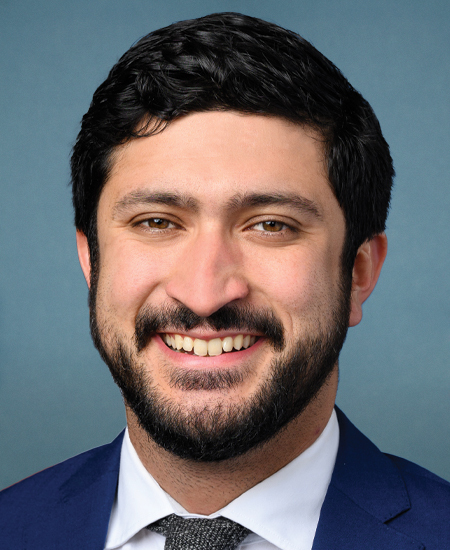
Greg Casar
House · District 35
|
D |
Support
|
70% | 105 |

Adelita S. Grijalva
House · District 7
|
D |
Strong −
|
14% | 72 |

James R. Walkinshaw
House · District 11
|
D |
Strong −
|
14% | 80 |
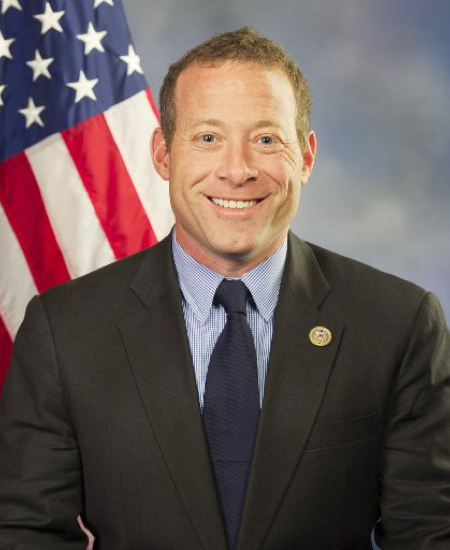
Josh Gottheimer
House · District 5
|
D |
Strong −
|
14% | 109 |

Marsha Blackburn
Senate
|
R |
Oppose
|
22% | 128 |
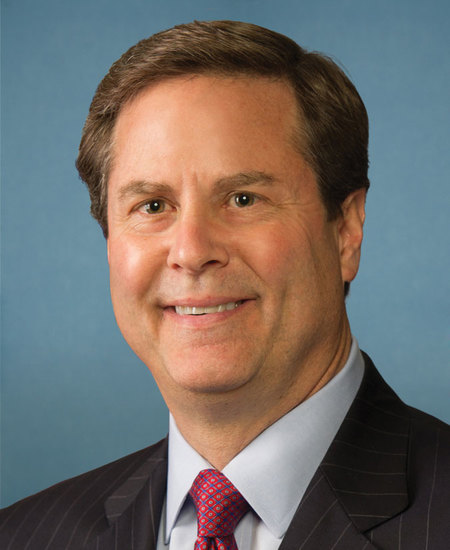
Donald Norcross
House · District 1
|
D |
Oppose
|
25% | 107 |
Showing 831–840 of 847
bills
All transportation bills
S 1828: Safe Routes Improvement Act
HR 2710: People Over Parking Act of 2025
Topics
✓ HousingSupports HousingRemoves mandatory parking requirements near transit, lowering development costs and promoting denser housing near transit hubs, advancing affordable housing development.
✓ TransportationSupports TransportationRemoves parking mandates near transit, promoting transit-oriented development and reducing car dependency per bill's focus on public transit access within 0.5 miles.
HJRES 60: Providing for congressional disapproval under chapter 8 of title 5, United States Code, of the rule submitted by the National Park Service relating to "Glen Canyon National Recreation Area: Motor Vehicles".
Topics
✗ EnvironmentOpposes EnvironmentBill nullifies NPS rule limiting off-road vehicles, weakening environmental protections in Glen Canyon National Recreation Area
✓ TransportationSupports TransportationBill overturns rule limiting off-road vehicle access in Glen Canyon recreation area, supporting broader vehicle use under transportation regulations.
S 3673: Roadside Pollinator Program Amendments Act
Topics
✓ Budget & TaxesSupports Budget & TaxesIncreases state funding cap from $2M to $5M annually for pollinator program, directly advancing budget allocation for environmental initiatives.
✓ EnvironmentSupports EnvironmentExpands pollinator program funding, requires wildlife consultations, and increases conservation protections for ecosystems and species.
✓ TransportationSupports TransportationIncreases annual funding for roadside pollinator programs managed by state highway departments, directly supporting transportation infrastructure maintenance and environmental compliance.
HR 7553: Aviation Innovation and Global Competitiveness Act
HR 409: Supporting Transit Commutes Act
Topics
✗ Budget & TaxesOpposes Budget & TaxesBill creates tax deduction for employers, reducing federal revenue, aligning with 'creates tax breaks' indicator for oppose stance.
✓ EnvironmentSupports EnvironmentEncourages public transit use via tax incentives, reducing vehicle emissions and supporting pollution control per transit benefits' environmental impact.
✓ Labor & EmploymentSupports Labor & EmploymentBill expands employer tax deductions for transit benefits, encouraging more commuting assistance for workers. This directly aligns with 'expands worker benefits' indicator under Labor & Employment.
✓ TransportationSupports TransportationAmends tax code to fully deduct employer transit benefits, incentivizing public transit use and strengthening transit infrastructure adoption through financial support.
HR 4059: SPEED Act
Topics
✗ EnvironmentOpposes EnvironmentDoubles project thresholds to bypass environmental reviews, reducing regulatory oversight on transportation projects' environmental impacts.
✓ TransportationSupports TransportationBill streamlines project approvals by doubling funding thresholds for categorical exclusions, accelerating transportation infrastructure development per MAP-21 Section 1317.
HR 2122: IMPACT Act 2.0
Topics
✓ Budget & TaxesSupports Budget & TaxesBill authorizes $15M federal funding (2025-2027) to reimburse states for low-emission material costs, directly funding a specific program through appropriations.
✓ EnergySupports EnergyFunds low-emission construction materials (cement, asphalt) for highway projects, reducing emissions and advancing clean infrastructure goals per bill summary.
✓ EnvironmentSupports EnvironmentFunds low-emission construction materials, reimburses states for extra costs, requires emissions data in specs - directly reduces project emissions and advances environmental protection.
✓ TransportationSupports TransportationFunds highway projects with low-emission materials, promoting sustainable transportation infrastructure and reducing emissions in road construction.
Sub-Topics
Energy Efficiency
Climate Change
Hazardous Materials
Bridges
Roads & Highways
Transportation Funding
HR 7301: Maximizing Transportation Efficiency Act
Topics
✓ EnergySupports EnergyPromotes transportation efficiency through TDM strategies (carpooling, vanpooling), reducing fuel consumption and energy use, aligning with energy efficiency indicators.
✓ EnvironmentSupports EnvironmentPromotes carpooling/vanpooling to reduce vehicle miles traveled, lowering emissions and aligning with environmental protection goals.
✓ TransportationSupports TransportationFunds $20M annual grants for rural TDM projects (vanpooling, apps), directly advancing transportation infrastructure and access for vulnerable groups.