Issue · Transportation

Transportation

Every transportation bill, vote, and legislator stance in United States, automatically classified by Maddy, our AI policy reader.

Total bills
847
119th Congress
Top supporter
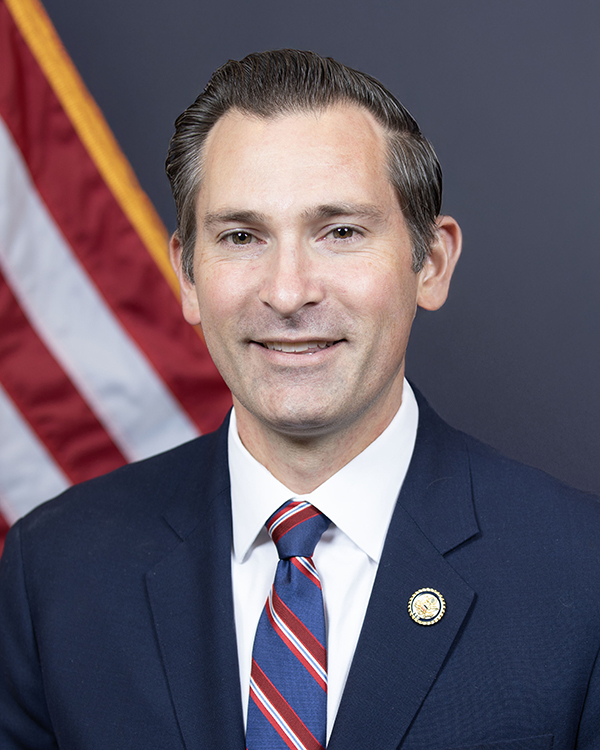
Matt Van Epps
86% support rate
Top opponent
Adelita S. Grijalva
14% support rate
Ranked legislators
10
5 support · 5 oppose
Key legislators

Who's moving transportation in United States

Legislators moving transportation in United States
Legislator Party Stance Support rate Votes
Matt Van Epps
Matt Van Epps House · District 7
R
Strong +
86% 67
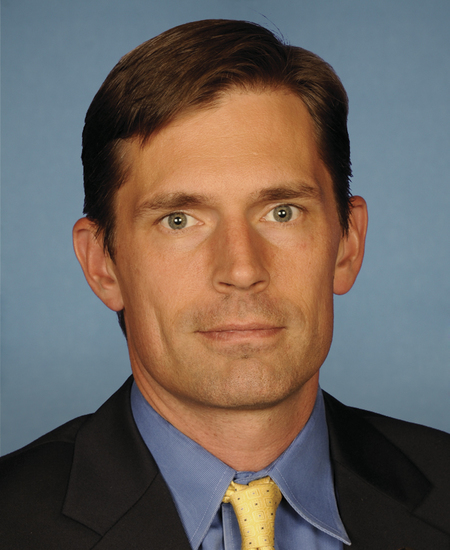
Martin Heinrich
Martin Heinrich Senate
D
Support
78% 133
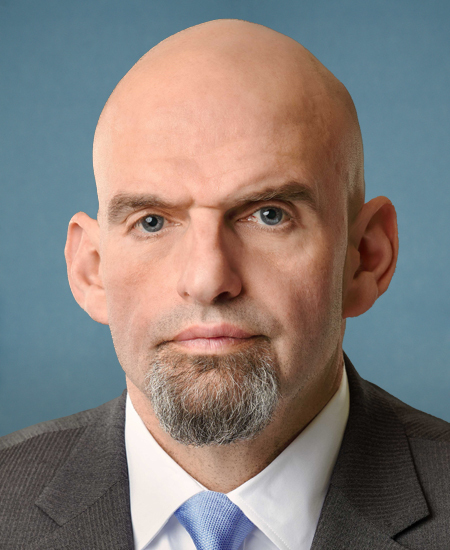
John Fetterman
John Fetterman Senate
D
Support
70% 150
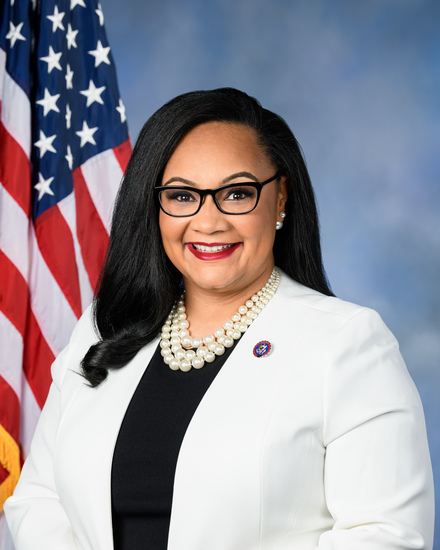
Nikema Williams
Nikema Williams House · District 5
D
Support
70% 113
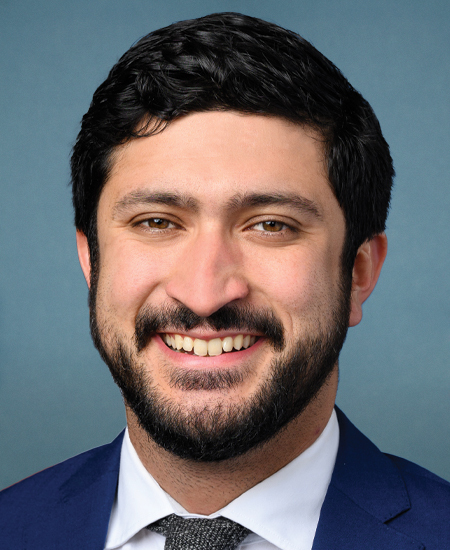
Greg Casar
Greg Casar House · District 35
D
Support
70% 105
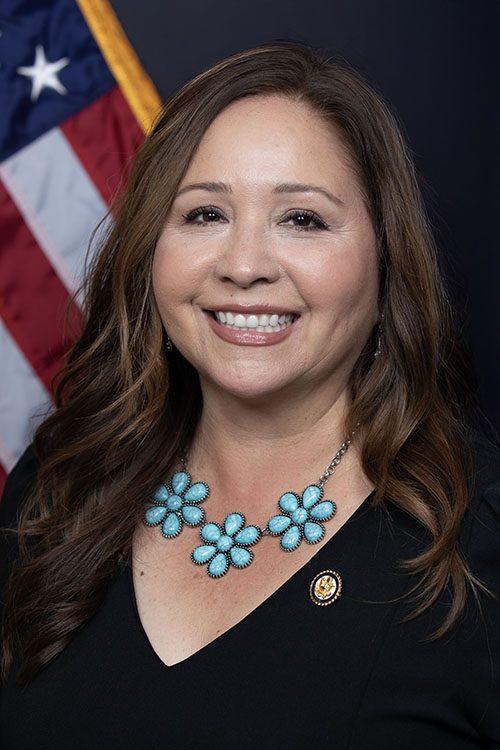
Adelita S. Grijalva
Adelita S. Grijalva House · District 7
D
Strong −
14% 72
James R. Walkinshaw
James R. Walkinshaw House · District 11
D
Strong −
14% 80
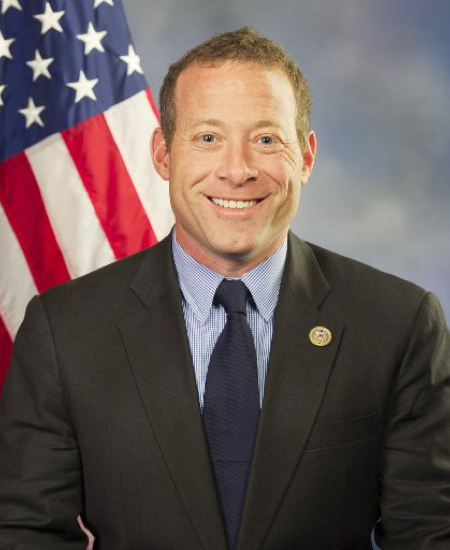
Josh Gottheimer
Josh Gottheimer House · District 5
D
Strong −
14% 109
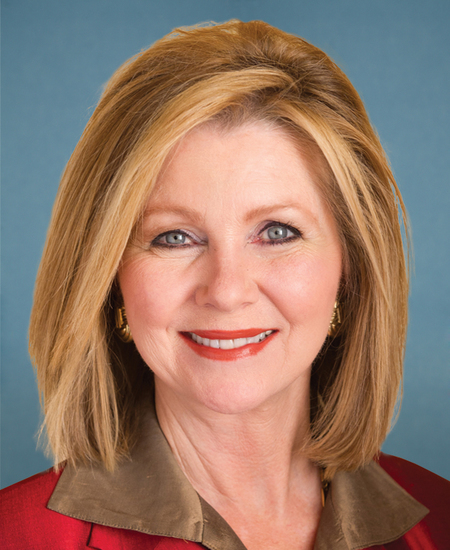
Marsha Blackburn
Marsha Blackburn Senate
R
Oppose
22% 128
Donald Norcross
Donald Norcross House · District 1
D
Oppose
25% 107
Showing 721–730 of 847 bills

All transportation bills

in committee · United States · Senate Jul 23, 2025

S 1167: Transportation Asset Management Simplification Act

S 1167, the Transportation Asset Management Simplification Act, modifies federal requirements for states managing transportation assets. It changes the submission frequency for asset management plans from annually to once every four years, aligning with existing recertification cycles. The bill establishes clearer compliance rules: states deemed compliant maintain that status until the next review, while noncompliant states get a 90-day period (extendable) to fix issues without penalties. This directly affects states receiving federal transportation funding, streamlining their reporting obligations under Title 23, U.S. Code.
in committee · United States · House Feb 2, 2026

HR 6874: Roadway Safety Modernization Act of 2025

The Roadway Safety Modernization Act of 2025 requires states to integrate predictive safety tools - like data analytics and telematics - into federal highway safety programs to identify risks, evaluate projects, and improve planning. It directs the Department of Transportation to issue guidelines on data privacy, security, and validating these tools to ensure reliability. The bill also defines "intelligent freight transportation systems" to include technologies that enhance freight safety on highways. These changes apply directly to states administering highway safety funds and federal agencies like the Federal Highway Administration.
in committee · United States · House May 24, 2025

HR 3586: To establish limitations on advanced payments for bus rolling stock, and for other purposes.

This bill (HR 3586) modifies federal transit funding rules to allow transit agencies to make advance payments for new buses without requiring manufacturers to provide a performance bond. It sets strict limits: agencies may pay no more than 20% of the total bus purchase price upfront, and must have a signed contract with the manufacturer, preaward approval, and meet other existing requirements. The bill directly affects transit agencies receiving federal funds under Title 49 for bus purchases. It changes how agencies can structure payments but does not alter funding amounts or create new financial obligations. The key change is removing the performance bond requirement while imposing a 20% cap on advance payments.
signed · United States · House Jun 12, 2025

HJRES 89: Providing congressional disapproval under chapter 8 of title 5, United States Code, of the rule submitted by the Environmental Protection Agency relating to "California State Motor Vehicle and Engine and Nonroad Engine Pollution Control Standards; The "Omnibus" Low NOX Regulation; Waiver of Preemption; Notice of Decision".

HJRES 89 is a congressional disapproval resolution that blocks an Environmental Protection Agency (EPA) rule concerning California's vehicle and engine pollution standards. The resolution specifically targets the EPA's "Omnibus Low NOX Regulation" and waiver of preemption, which would have allowed California to enforce stricter emissions rules. By disapproving this rule under Chapter 8 of Title 5 U.S. Code, Congress has nullified the EPA's action, meaning the regulation will have no legal effect. This directly affects the EPA's authority to approve California's state-level pollution control standards for motor vehicles.
in committee · United States · Senate Feb 9, 2026

S 3806: SECURES Act of 2026

This bill requires the U.S. Department of Transportation to propose new federal safety standards for seat belts on all new school buses within 180 days of enactment. It directs the Secretary to specifically consider lap/shoulder belt systems (Type 2), safety findings from the National Transportation Safety Board, and existing state practices where seat belts are already required. The proposed rules must also evaluate innovative seat belt detection and reminder systems for school bus designs. The bill directly affects manufacturers of new school buses and aims to establish uniform federal seat belt requirements for all new vehicles, regardless of size.
in committee · United States · Senate Dec 4, 2025

S 3376: Cargo Security Innovation Act

The Cargo Security Innovation Act establishes a pilot program to test advanced security technologies at up to six high-risk cargo transportation hubs, such as ports, airports, and rail yards, with elevated cargo theft rates. The Transportation Security Administration will provide grants to partnerships between transportation companies, rail police, and local law enforcement to deploy and evaluate these technologies. The bill prohibits using technology from "foreign entities of concern" and requires grantees to track fund usage for audits. After two years, the TSA must report on the technologies' effectiveness, and the pilot will end three years after initial deployment, followed by a GAO evaluation.
Sub-Topics Freight Ports Rail
in committee · United States · House Jul 16, 2025

HR 4420: Cool Corridors Act of 2025

The Cool Corridors Act of 2025 expands the existing Healthy Streets program to fund tree planting, shade structures, and green infrastructure along transportation corridors - like bus stops, transit hubs, and school zones - to reduce heat exposure. It directly affects communities facing extreme heat and limited tree canopy (especially low-income or historically underserved areas), as well as state/local transit agencies, schools, and environmental groups. Key provisions include requiring projects to prioritize heat-vulnerable regions, mandate annual reporting on temperature reduction and equity outcomes, and ensure tree planting doesn’t obstruct traffic safety. The bill also extends program funding through 2030 and mandates coordination with agencies like the EPA and Forest Service.
in committee · United States · House Apr 29, 2025

HR 3085: Expanding Regional Airports Act

HR 3085, the Expanding Regional Airports Act, creates a new federal grant program to help specific regional airports expand their capacity. It authorizes $50 million annually to provide 3-10 grants per year to airports serving communities of at least 75,000 residents that are either general aviation airports or nonprimary commercial service airports. Grants can fund runway lengthening, expanded screening facilities, hangar construction, improved passenger amenities, and costs to meet federal security and operational requirements. This bill directly supports smaller airports seeking to handle more passengers and flights without requiring legislative changes to broader aviation policy.
Sub-Topics Airports Ports
in committee · United States · House Dec 18, 2025

HR 6839: Vaccine Transportation Access Act

HR 6839, the Vaccine Transportation Access Act, provides federal grants to nonprofit community organizations that serve low-income or minority communities facing transportation barriers to vaccines. The grants fund projects like on-demand rides, first/last mile transportation to vaccine sites, and expanded transit coordination to reduce missed appointments. Recipients must track performance metrics and report outcomes to the Department of Health and Human Services. The bill also adds a provision ensuring 100% federal funding for nonemergency vaccine-related transportation costs under Medicaid plans.
in committee · United States · House Jul 16, 2025

HR 4419: AV Accessibility Act

HR 4419, the AV Accessibility Act, requires states to ensure self-driving ride-hail services (like driverless Uber/Lyft vehicles) do not discriminate against people with disabilities when issuing licenses for fully autonomous operation. It mandates a federal study to identify infrastructure changes - such as improved curb access, non-visual navigation aids, and dedicated pickup zones - that would help people with disabilities safely use these vehicles. The study, funded with $5 million, will examine modifications to sidewalks, road design, and technology to improve accessibility during boarding and exiting. This bill directly affects disabled riders and autonomous vehicle service providers operating in the U.S.
Sub-Topics Autonomous Vehicles Roads & Highways Tags People with Disabilities
Showing 721 to 730 of 847 bills
Previous 1 72 73 74 85 Next