Issue · Transportation

Transportation

Every transportation bill, vote, and legislator stance in United States, automatically classified by Maddy, our AI policy reader.

Total bills
847
119th Congress
Top supporter
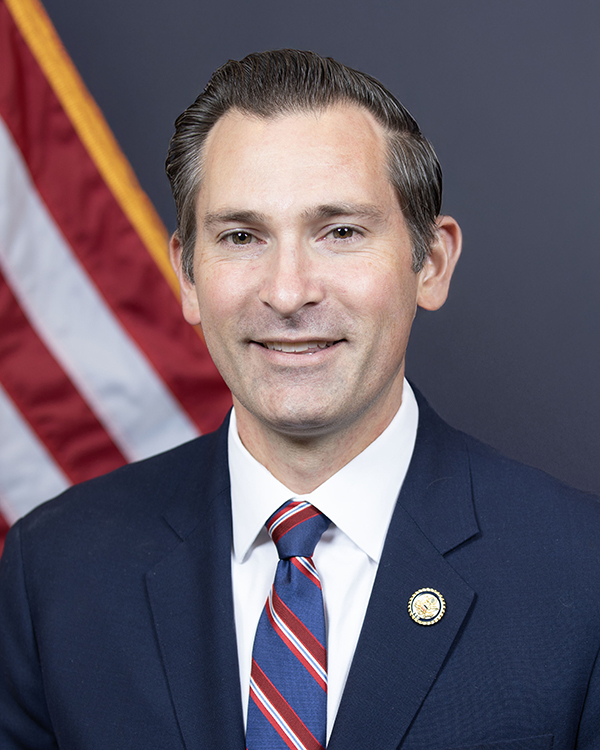
Matt Van Epps
86% support rate
Top opponent
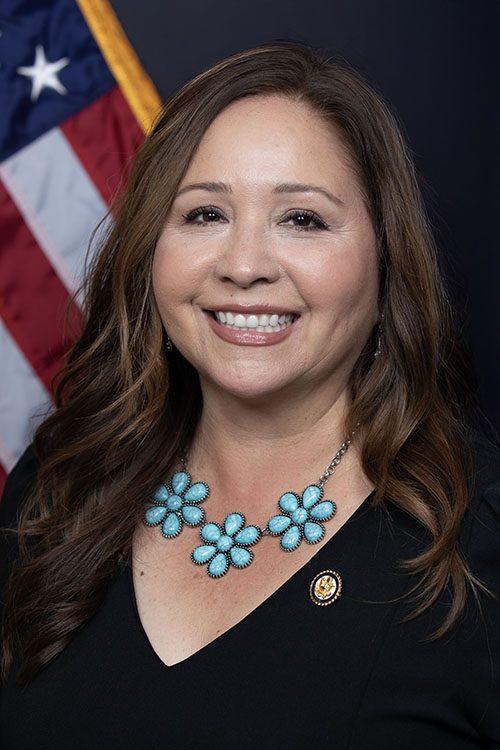
Adelita S. Grijalva
14% support rate
Ranked legislators
10
5 support · 5 oppose
Key legislators

Who's moving transportation in United States

Legislators moving transportation in United States
Legislator Party Stance Support rate Votes
Matt Van Epps
Matt Van Epps House · District 7
R
Strong +
86% 67
Martin Heinrich
Martin Heinrich Senate
D
Support
78% 133
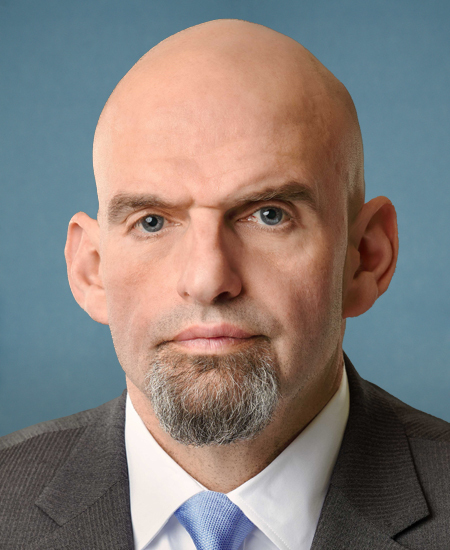
John Fetterman
John Fetterman Senate
D
Support
70% 150
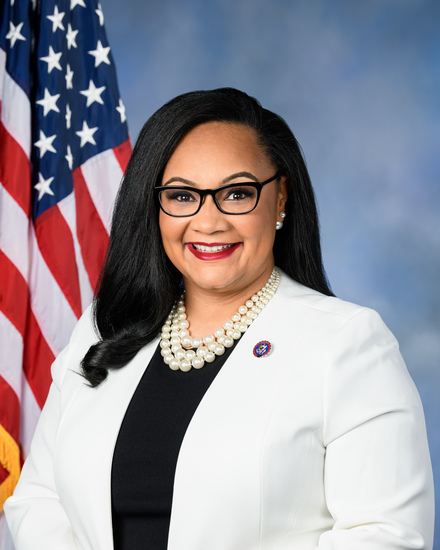
Nikema Williams
Nikema Williams House · District 5
D
Support
70% 113
Greg Casar
Greg Casar House · District 35
D
Support
70% 105
Adelita S. Grijalva
Adelita S. Grijalva House · District 7
D
Strong −
14% 72
James R. Walkinshaw
James R. Walkinshaw House · District 11
D
Strong −
14% 80
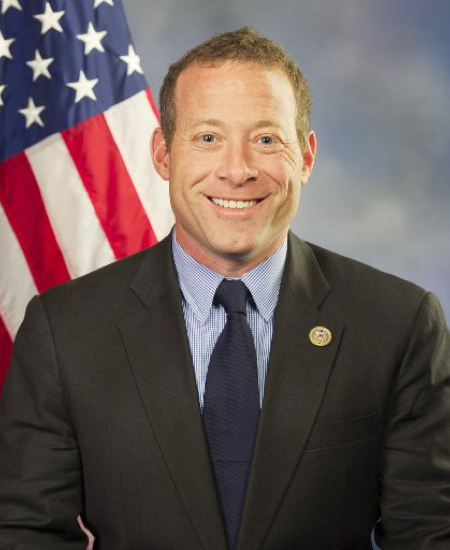
Josh Gottheimer
Josh Gottheimer House · District 5
D
Strong −
14% 109
Marsha Blackburn
Marsha Blackburn Senate
R
Oppose
22% 128
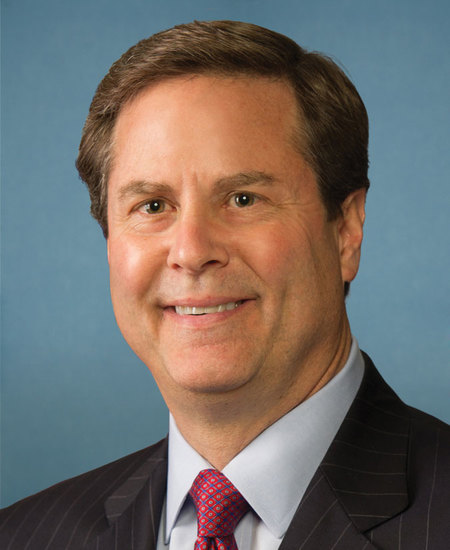
Donald Norcross
Donald Norcross House · District 1
D
Oppose
25% 107
Showing 701–710 of 847 bills

All transportation bills

in committee · United States · House Jan 14, 2025

HR 351: To amend the Intermodal Surface Transportation Efficiency Act of 1991 to prohibit congestion or cordon pricing in a value pricing program, and for other purposes.

HR 351 amends the 1991 Intermodal Surface Transportation Efficiency Act to ban congestion pricing and cordon pricing in federal transportation value pricing programs. It directly affects how transportation projects funded under this law can manage traffic flow, prohibiting the use of these specific pricing strategies. The key provision adds a new rule stating the Secretary cannot establish or maintain such programs that include these pricing methods. This changes the legal framework for federal transportation funding without altering other program requirements.
in committee · United States · Senate Dec 3, 2025

S 3316: WATER Act of 2025

This bill allows states to assume federal permitting responsibilities for highway, railroad, and public transportation projects under the Clean Water Act. States can take over environmental reviews and permit approvals for these projects through written agreements with the Army Corps and EPA, potentially speeding up project timelines. The program requires states to meet federal standards, maintain financial resources, and undergo regular federal audits to ensure compliance. It does not change environmental standards but shifts implementation authority to states for specific transportation infrastructure projects.
in committee · United States · House Jul 16, 2025

HR 4401: Bridge Investment and Modernization Act of 2025

The Bridge Investment and Modernization Act of 2025 extends federal funding for bridge infrastructure projects through fiscal years 2027-2031, authorizing $3.05 billion in 2027 rising to $3.25 billion in 2031. It modifies an existing program under the Infrastructure Investment and Jobs Act to maintain consistent annual funding levels for bridge repairs and replacements. The bill also streamlines the bridge selection process by removing a specific administrative requirement (Section 124(c)(5)(B) of Title 23, U.S. Code). This directly affects federal transportation agencies and state departments responsible for managing bridge infrastructure projects.
passed · United States · Senate May 26, 2025

SJRES 55: A joint resolution providing for congressional disapproval under chapter 8 of title 5, United States Code, of the rule submitted by the National Highway Traffic Safety Administration relating to "Federal Motor Vehicle Safety Standards; Fuel System Integrity of Hydrogen Vehicles; Compressed Hydrogen Storage System Integrity; Incorporation by Reference".

This bill (SJRES 55) is a congressional resolution seeking to block a rule issued by the National Highway Traffic Safety Administration (NHTSA). The NHTSA rule, published in January 2025, established safety standards for hydrogen fuel systems in vehicles. The resolution aims to nullify this rule through a formal disapproval process under federal law, meaning the safety standards would not take effect. This directly affects hydrogen vehicle manufacturers and dealers who would have been required to comply with the NHTSA rule.
in committee · United States · Senate Sep 16, 2025

S 2814: Transit Crime Reporting Act of 2025

S 2814, the Transit Crime Reporting Act of 2025, requires the U.S. Secretary of Transportation to annually report crime statistics on federally funded transit systems (like buses and trains receiving federal funding) to Congress, broken down by violent and non-violent incidents. It also establishes a 12-member task force - featuring transit agency leaders, law enforcement, transit workers, and national transit associations - to develop safety recommendations for Congress within two years. The bill directly affects all transit agencies receiving federal funds under specific laws, mandating improved transparency in crime data reporting. Its key mechanisms are the annual crime reports and the task force’s structured process for generating safety recommendations, without implementing new safety measures itself.
Sub-Topics Public Transit Rail
in committee · United States · Senate Mar 11, 2025

S 944: Sarah Debbink Langenkamp Active Transportation Safety Act

This bill increases federal funding for projects improving safety for pedestrians and cyclists. It allows states and localities using federal highway funds to fully cover (100%) the costs of specific projects, such as connecting existing bike/pedestrian paths or reducing risks to vulnerable road users, if they use "Proven Safety Countermeasures" for cyclists/pedestrians as defined by the Federal Highway Administration. Projects must align with state safety plans or local safety plans like Complete Streets or Vision Zero plans. The bill directly affects states and local governments managing transportation infrastructure funded through federal highway programs.
in committee · United States · House Jan 15, 2026

HR 7062: Build HUBS Act

The Build HUBS Act extends and improves the Transportation Infrastructure Finance and Innovation (TIFIA) and Railroad Rehabilitation and Improvement Financing (RRIF) programs to support housing near transit. It creates new definitions for "attainable housing projects" (affordable to households earning up to 120% of area median income, with most units affordable to those earning up to 80% of area median income) and allows an "investment-creditworthiness assessment alternative" instead of requiring investment-grade ratings for financing. The bill requires at least 75% of TIFIA funding for attainable housing projects to go toward residential components, sets a lower interest rate (half the Treasury Rate) for these projects, and exempts certain land acquisition activities from environmental review requirements under the National Environmental Policy Act.
in committee · United States · House Jun 7, 2025

HR 3796: SAT Act

The SAT Act (Safety from Aerial Technology Act) requires the U.S. Department of Transportation to permit pipeline companies to use drones and satellites for inspecting land along their pipeline routes. This directly affects pipeline operators who must conduct these inspections and the federal agency overseeing pipeline safety. The bill explicitly allows these technologies as acceptable inspection methods without altering existing rules for drone or satellite operations. It creates a concrete policy change by expanding approved inspection tools while maintaining current regulatory requirements for aerial technology use.
Sub-Topics Bridges
in committee · United States · House Jan 8, 2025

HR 234: HOV Lanes for Heroes Act

This bill allows disabled veterans with qualifying service-connected disabilities to use HOV lanes as single-occupant vehicles. It requires a special license plate, transponder, or other identification approved by the transportation authority. Disabled veterans meeting VA disability rating thresholds (defined in the bill) can use HOV lanes without paying tolls, bypassing standard occupancy rules. The law amends federal transportation code to add this exception for disabled veterans under specific identification and disability criteria.
in committee · United States · House Nov 5, 2025

HR 5922: Improving Accessibility Through Microtransit Act

This bill establishes a 5-year federal grant program to improve accessible microtransit services for people with disabilities or mobility impairments, particularly wheelchair users. It provides up to $3 million per grant to eligible state/local governments, tribes, or transit agencies to fund wheelchair-accessible vehicles, driver training, technology, and services in areas lacking accessible transportation. Priority is given to projects addressing accessibility gaps, creating economic benefits (like job access), and ensuring low-income users can access services without smartphones or credit cards. The program requires interior camera systems on vehicles for safety and applies standard labor rules to funded projects, with $20 million authorized for the pilot.
Sub-Topics Autonomous Vehicles Tags People with Disabilities
Showing 701 to 710 of 847 bills
Previous 1 70 71 72 85 Next