Issue · Technology

Technology

Every technology bill, vote, and legislator stance in United States, automatically classified by Maddy, our AI policy reader.

Total bills
1,678
119th Congress
Top supporter
Ami Bera
86% support rate
Top opponent
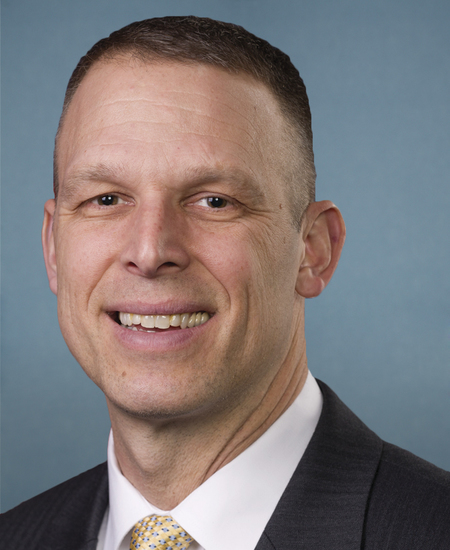
Scott Perry
14% support rate
Ranked legislators
10
5 support · 5 oppose
Key legislators

Who's moving technology in United States

Legislators moving technology in United States
Legislator Party Stance Support rate Decisive votes
Ami Bera
Ami Bera House · District 6
D
Strong +
86% 22
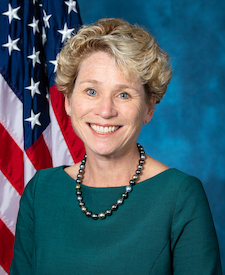
Chrissy Houlahan
Chrissy Houlahan House · District 6
D
Strong +
86% 22
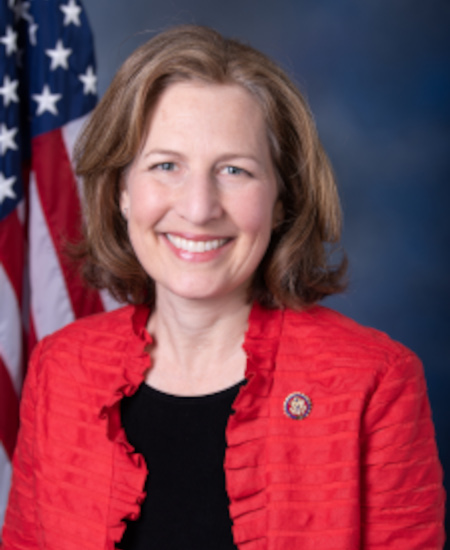
Kim Schrier
Kim Schrier House · District 8
D
Strong +
86% 22
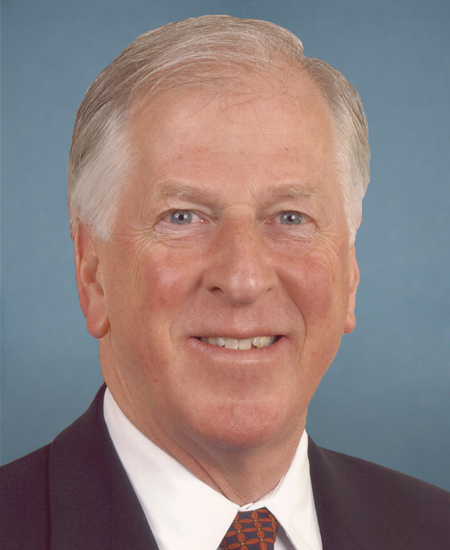
Mike Thompson
Mike Thompson House · District 4
D
Strong +
86% 22
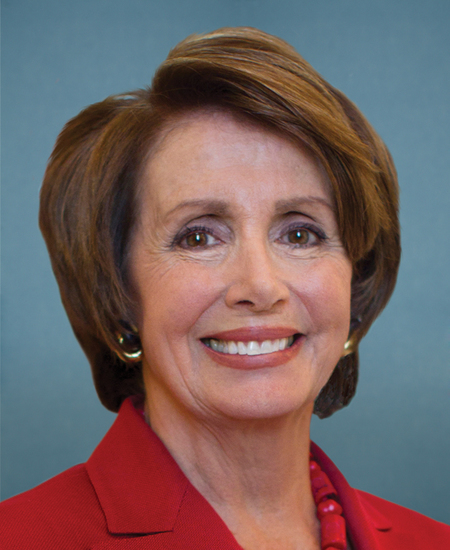
Nancy Pelosi
Nancy Pelosi House · District 11
D
Strong +
86% 22
Scott Perry
Scott Perry House · District 10
R
Strong −
14% 21
AA
Alan Armstrong Senate
R
Strong −
17% 29
Rand Paul
Rand Paul Senate
R
Strong −
17% 46
Josh Hawley
Josh Hawley Senate
R
Strong −
18% 45
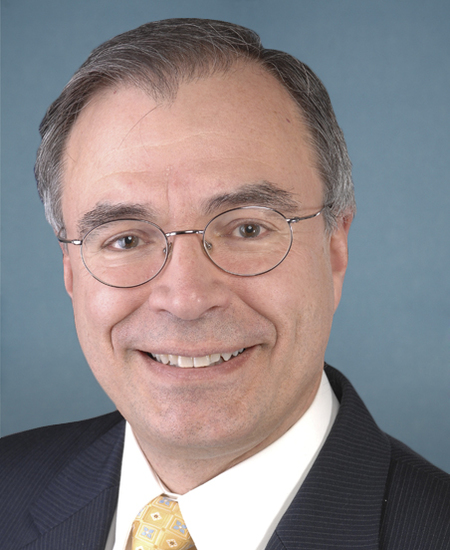
Andy Harris
Andy Harris House · District 1
R
Strong −
18% 22
Showing 921–930 of 1,678 bills

All technology bills

in committee · United States · House Apr 15, 2026

HR 5877: Combatting Money Laundering in Cyber Crime Act of 2025

This bill expands the U.S. Secret Service's authority to investigate money laundering and cybercrime by explicitly adding these offenses to their existing mandate. It extends the period for sharing financial data with law enforcement from 5 to 10 years under FinCEN rules and increases reporting requirements for international financial institutions from 6 to 10 years. The bill also requires the Government Accountability Office to report on law enforcement's ability to identify and stop money laundering in cybercrime within one year of enactment. These changes directly affect federal law enforcement agencies, financial institutions, and cybersecurity investigators by strengthening investigative tools and data access.
Sub-Topics Cybersecurity
in committee · United States · House Dec 4, 2025

HR 6430: Junk Fee Prevention Act

The Junk Fee Prevention Act requires businesses to clearly disclose all fees upfront in advertisements and during purchases, including mandatory fees like baggage charges or seat selection. It prohibits excessive or deceptive fees and mandates transparent refund policies, particularly for tickets to events. The law applies to short-term lodging providers, ticket sellers, and communication services like broadband internet and phone services. Businesses must show the total price including all fees before consumers commit to a purchase, and air carriers must report revenue from ancillary fees like baggage and seat selection.
Sub-Topics Broadband Access
in committee · United States · House Oct 31, 2025

HR 5900: SCAM Act

HR 5900, the SCAM Act, establishes a cross-agency task force to investigate and disrupt foreign-operated scam networks targeting U.S. citizens, particularly those linked to China-linked transnational crime groups in Southeast Asia. The task force, including agencies like Defense, State, Treasury, and the FTC, will identify scam trends, recommend policy actions (such as sanctions or cybersecurity measures), and propose ways to protect vulnerable Americans and U.S. interests. It requires a detailed report within one year on scam operations near military sites, their ties to foreign governments, and strategies to safeguard data, allies' sovereignty, and military installations. The task force’s authority expires five years after the report is submitted.
Sub-Topics Cybersecurity
in committee · United States · House May 14, 2026

HR 7418: STEADFAST Act

HR 7418 (the STEADFAST Act) converts the federal presidential campaign funding program into a state grant program to improve election security. It provides funds to states for updating voting systems, enhancing cybersecurity, securing physical storage of equipment, and implementing paper ballots with verification features. States must certify they prohibit noncitizen voting, require specific photo ID at polls, and report how funds are spent. Funding comes from taxpayer-designated contributions to a new Election Security Fund, with 5% allowed for administrative costs.
Sub-Topics Cybersecurity Tags Elections
in committee · United States · House Feb 10, 2025

HR 1165: Port Crane Security and Inspection Act of 2025

HR 1165, the Port Crane Security and Inspection Act of 2025, requires the Department of Homeland Security to inspect high-risk foreign cranes connected to port cyber infrastructure before they are used at U.S. ports. It mandates a 180-day assessment of security risks from existing and new cranes and orders the removal of any crane posing a threat until certified safe. The bill prohibits operating new foreign cranes (from countries identified as security threats) after enactment and bans foreign software on port cranes after a 5-year phaseout period. This directly affects U.S. ports using cranes with technology from designated "covered foreign countries," such as those identified in national threat assessments.
Sub-Topics Cybersecurity
in committee · United States · House Jan 28, 2026

HR 7239: Next-Gen Collision Avoidance Act

The Next-Gen Collision Avoidance Act requires the Federal Aviation Administration (FAA) to develop and publish an action plan within 180 days for advancing the deployment of a next-generation collision avoidance system (ACAS-X) across the national airspace. The plan must include a roadmap for adoption by aircraft operators, steps for research and development, engagement with stakeholders like manufacturers and pilot groups, and coordination with international authorities to harmonize safety standards. It also mandates an assessment of safety benefits for operators adopting the technology and requires the FAA to brief Congress within 30 days of submitting the plan. This bill directly affects the FAA's planning process and the aviation industry's efforts to implement this new safety technology.
Sub-Topics Airports
in committee · United States · House May 20, 2026

HR 7129: Water Power Research and Development Reauthorization Act

This bill reauthorizes federal funding for water power research and development (including hydropower and marine energy) through 2030, increasing annual funding to $300 million - $200 million for marine energy and $100 million for hydropower - up from prior levels. It adds new requirements such as advancing U.S. manufacturing of marine energy components through university-industry partnerships, improving hydropower licensing by compiling environmental data, and integrating cybersecurity into research. The bill also mandates workforce development programs to train future professionals and requires annual congressional briefings on program progress. These changes directly affect the Department of Energy, research institutions, and industries working on water power technologies.
in committee · United States · House Jun 26, 2025

HR 4211: Brownfields Broadband Deployment Act

HR 4211, the Brownfields Broadband Deployment Act, removes environmental and historic preservation review requirements for broadband infrastructure projects on brownfield sites. It exempts covered projects - broadband deployments or modifications entirely within a brownfield site (a contaminated property) that require Federal Communications Commission (FCC) approval - from needing standard environmental reviews under the National Environmental Policy Act (NEPA) and historic preservation reviews under the National Historic Preservation Act. This allows broadband providers to deploy or upgrade infrastructure on brownfields more quickly without waiting for those specific federal reviews. The bill directly affects broadband companies seeking to build on brownfield sites that require FCC permits.
in committee · United States · Senate Jan 20, 2025

S 152: Student Empowerment Act

The Student Empowerment Act (S 152) expands the use of 529 education savings accounts to cover more K-12 school expenses for students in public, private, religious, or homeschool settings. It allows funds to pay for tuition, curriculum materials, books, online resources, licensed tutoring (with teacher credentials), standardized tests, dual enrollment fees, and licensed educational therapies for students with disabilities. The bill directly affects families using 529 accounts who educate children in elementary or secondary school, including homeschoolers. It changes existing tax rules to include these specific K-12 expenses under 529 account distributions, effective after the bill's enactment. The policy change aims to provide greater flexibility for families managing educational costs at the K-12 level.
in committee · United States · House Dec 12, 2025

HR 6686: No Cost Educational Resources Act of 2025

This bill creates grants to help colleges adopt free digital textbooks (open educational resources) in science, technology, engineering, and math courses. It directly affects institutions of higher education, requiring them to collaborate with librarians and STEM faculty to implement these courses. Key provisions include prioritizing schools with many low-income or minority students, mandating plans for faculty collaboration, and requiring annual reports on cost savings for students compared to traditional textbooks. The law defines "open educational reading materials" as free, downloadable digital texts and tracks how many STEM courses transition to using them.
Showing 921 to 930 of 1,678 bills
Previous 1 … 92 93 94 … 168 Next