Issue · Technology

Technology

Every technology bill, vote, and legislator stance in United States, automatically classified by Maddy, our AI policy reader.

Total bills
1,678
119th Congress
Top supporter
Ami Bera
86% support rate
Top opponent
Scott Perry
14% support rate
Ranked legislators
10
5 support · 5 oppose
Key legislators

Who's moving technology in United States

Legislators moving technology in United States
Legislator Party Stance Support rate Decisive votes
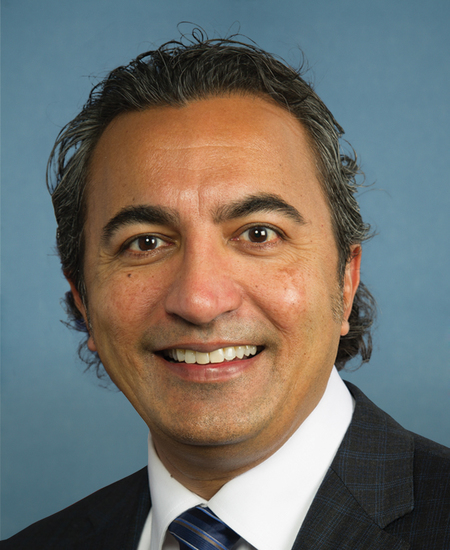
Ami Bera
Ami Bera House · District 6
D
Strong +
86% 22
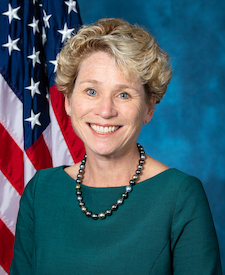
Chrissy Houlahan
Chrissy Houlahan House · District 6
D
Strong +
86% 22
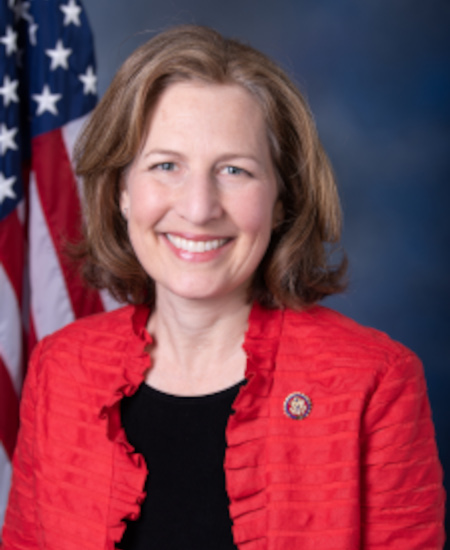
Kim Schrier
Kim Schrier House · District 8
D
Strong +
86% 22
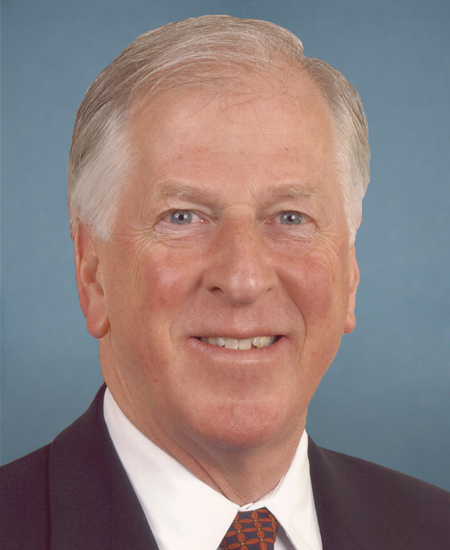
Mike Thompson
Mike Thompson House · District 4
D
Strong +
86% 22
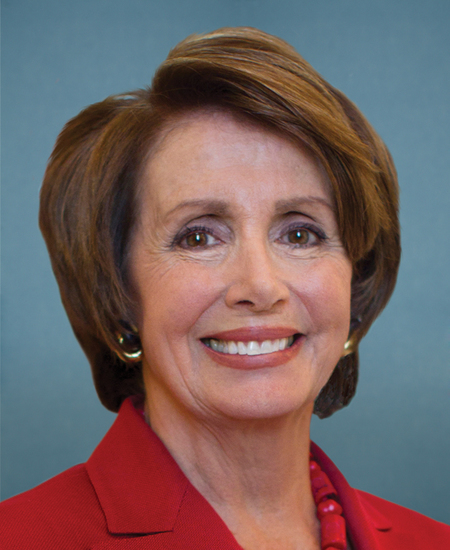
Nancy Pelosi
Nancy Pelosi House · District 11
D
Strong +
86% 22
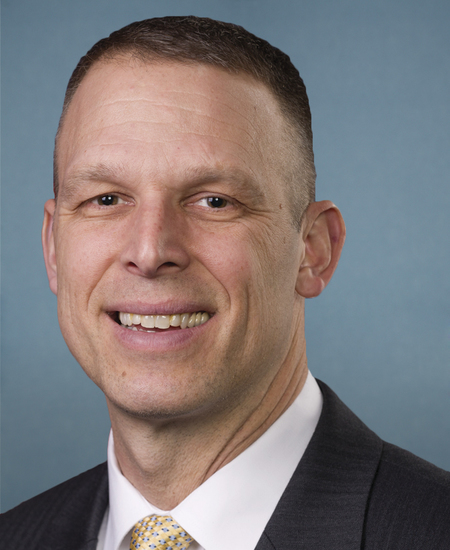
Scott Perry
Scott Perry House · District 10
R
Strong −
14% 21
AA
Alan Armstrong Senate
R
Strong −
17% 29
Rand Paul
Rand Paul Senate
R
Strong −
17% 46
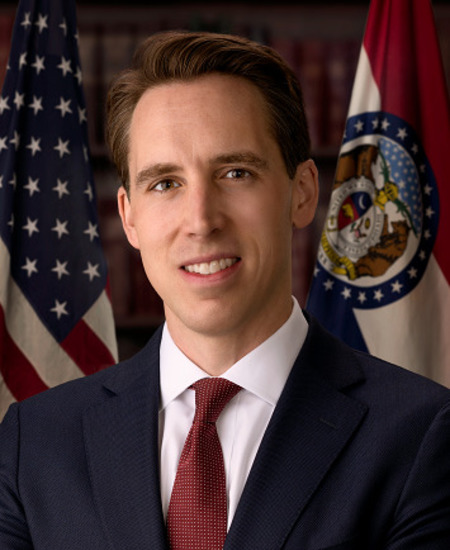
Josh Hawley
Josh Hawley Senate
R
Strong −
18% 45
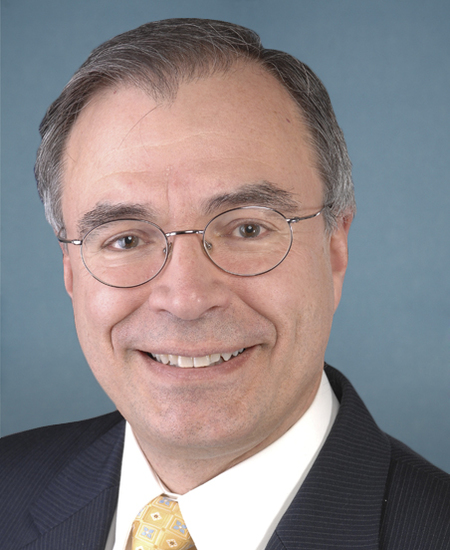
Andy Harris
Andy Harris House · District 1
R
Strong −
18% 22
Showing 751–760 of 1,678 bills

All technology bills

in committee · United States · House Feb 13, 2025

HR 1291: HEARTS Act of 2025

This bill creates a new National Center for Alternatives to Animals in Research and Testing within the National Institutes of Health (NIH). It requires NIH to establish incentives for researchers to adopt non-animal methods - such as organoids, AI models, and 3D human cell systems - before approving animal-based studies, and mandates that all federally funded institutions publicly report annual animal usage data by species. Covered entities must also submit biennial plans to reduce animal use and update their reports every two years. The law aims to implement a 1993 congressional mandate for reducing animal research through transparency, new resources, and standardized evaluation of alternatives.
in committee · United States · House Feb 26, 2025

HR 1614: To amend title XVIII of the Social Security Act to expand practitioners eligible to furnish telehealth services under the Medicare program.

HR 1614 would amend Section 1834(m)(4)(E) of the Social Security Act to expand which healthcare providers can offer telehealth services to Medicare beneficiaries. The bill directly affects Medicare patients and current healthcare providers (like nurse practitioners, physician assistants, and clinical psychologists) who are currently excluded from providing telehealth under Medicare. The key change is modifying the legal language to explicitly include these additional providers in the list of eligible telehealth furnishers. This policy change would allow more Medicare beneficiaries to access telehealth services from a broader range of qualified healthcare professionals.
in committee · United States · House Mar 5, 2025

HR 1886: Affordable College Textbook Act

HR 1886, the Affordable College Textbook Act, creates a federal grant program to help colleges develop and adopt free digital textbooks (open educational resources), directly reducing costs for students. It requires colleges to publicly disclose textbook prices and indicate if materials are open textbooks on course schedules, while mandating accessibility standards for digital resources. The bill funds faculty training, quality reviews, and research on open textbook effectiveness, with grants prioritizing projects that maximize student savings and expand adoption across institutions. It aims to lower textbook costs - averaging $1,290 annually per student - by incentivizing the creation of freely accessible, high-quality digital course materials.
in committee · United States · House Jan 3, 2025

HR 160: Restoring Faith in Elections Act

The Restoring Faith in Elections Act establishes federal standards for mail-in voting, requiring standardized request processes, secure ballot handling, and specific ballot requirements like signature verification and timely submission. It mandates automatic voter registration systems that use government agency data (such as DMVs and social services) to register eligible citizens, with the option to opt out, while including privacy protections for voter information. The bill also creates a National Deconfliction Voting Database to improve voter registration accuracy, requires standardized election administration procedures across jurisdictions, and provides $500 million in funding for implementation. These provisions aim to enhance election integrity, accessibility, and accuracy for all eligible voters in federal elections.
Tags Elections
in committee · United States · House Jan 28, 2025

HR 806: District of Columbia Code Returning Citizens Coordination Act

HR 806 requires the Bureau of Prisons to share specific information about inmates under federal jurisdiction with the DC Mayor every 90 days, including name, age, facility, and release date. The bill mandates that the Mayor provide this data to legal aid organizations and reentry programs helping formerly incarcerated people, but prohibits sharing it with DC law enforcement. Key provisions include regular data updates and strict limits on disclosure to ensure the information supports reentry services rather than enforcement. This directly affects DC's reentry coordination efforts and legal advocates working with people returning from federal incarceration.
in committee · United States · House Jan 3, 2025

HR 84: Native American Education Opportunity Act

The Native American Education Opportunity Act establishes a program that provides $8,000 annually per eligible Native American student to be deposited into Tribal education savings accounts (ESAs) for educational expenses. Eligible students include those enrolled in Tribes who attended or will attend Bureau of Indian Education schools, with funds usable for private tutoring, private school costs, educational materials, technology, and other approved educational services. Tribes administering these programs must consult with Tribal officials before providing educational services, and the accounts terminate when students turn 25 or complete their education. The bill also authorizes Bureau-Funded Charter Schools to operate under specific guidelines and requires a GAO study on the program's implementation after 3 years.
Sub-Topics K-12 Education School Choice Tags Tribal Nations
in committee · United States · House Feb 26, 2025

HR 1619: No Funds for Fascists Act

HR 1619, the "No Funds for Fascists Act," blocks U.S. foreign assistance to any country the Secretary of State determines abridges or censors speech protected under the U.S. Constitution. It specifically prohibits funding for governments that censor protected speech or pressure "covered platforms" (including social media, news outlets, and broadcast media) to censor such speech. The bill requires the Secretary of State to publish determinations in the Federal Register and allows presidential waivers for national security reasons, but only after consulting Congress and submitting a detailed report. This policy directly affects foreign governments meeting the censorship criteria, not U.S. citizens or domestic entities.
Sub-Topics Social Media
in committee · United States · House Jan 3, 2025

HR 121: No Vaccine Passports Act

This bill prohibits U.S. federal agencies from issuing vaccine verification documents (like "passports") or sharing citizens' COVID-19 vaccination records with third parties. It also bans requiring proof of vaccination for access to federal property, services, or congressional areas. The law directly affects how federal agencies handle health data and access to government facilities during the pandemic.
in committee · United States · House Jun 9, 2025

HR 3851: SBIR/STTR Pilot Extension Act

This bill extends key federal research grant programs for small businesses until 2030. It expands the "direct to Phase II" option for agencies (previously ending in 2025), limits these awards to 10% of an agency’s SBIR budget (15% for NIH), and requires annual reporting on such awards. It also extends the commercialization readiness program for civilian agencies and two specific pilot programs (Phase 0 and commercialization assistance) through 2030. The bill directly affects small businesses seeking federal research funding through the Small Business Innovation Research (SBIR) and Small Business Technology Transfer (STTR) programs.
Tags Small Business
in committee · United States · House Jan 3, 2025

HR 148: Keep Your Coins Act of 2025

HR 148, the Keep Your Coins Act of 2025, prohibits federal agencies from restricting how individuals use convertible virtual currency (like cryptocurrency) for personal purchases or self-custody. It directly protects "covered users" - people buying goods/services for themselves - with the right to use crypto for personal transactions and to store it in self-hosted wallets they control. The bill bans federal restrictions on these personal uses, ensuring individuals retain full control over their digital assets without third-party custody. It does not apply to business transactions or commercial crypto services. The law focuses on enabling personal financial autonomy with digital assets, not regulating exchanges or business operations.
Sub-Topics Emerging Technology
Showing 751 to 760 of 1,678 bills
Previous 1 … 75 76 77 … 168 Next