Issue · Technology

Technology

Every technology bill, vote, and legislator stance in United States, automatically classified by Maddy, our AI policy reader.

Total bills
1,678
119th Congress
Top supporter
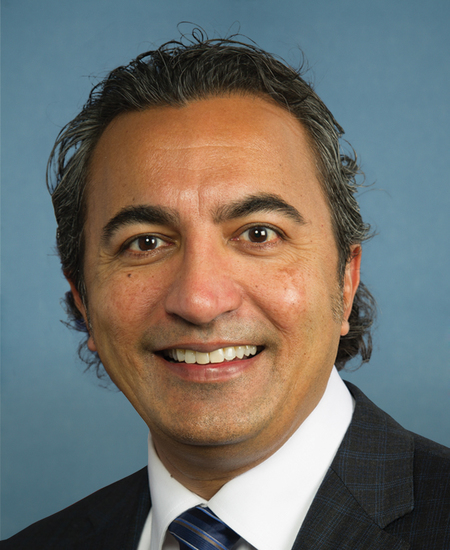
Ami Bera
86% support rate
Top opponent
Scott Perry
14% support rate
Ranked legislators
10
5 support · 5 oppose
Key legislators

Who's moving technology in United States

Legislators moving technology in United States
Legislator Party Stance Support rate Decisive votes
Ami Bera
Ami Bera House · District 6
D
Strong +
86% 22
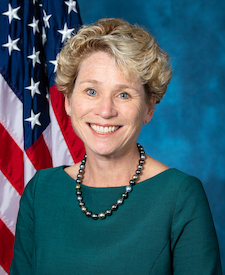
Chrissy Houlahan
Chrissy Houlahan House · District 6
D
Strong +
86% 22
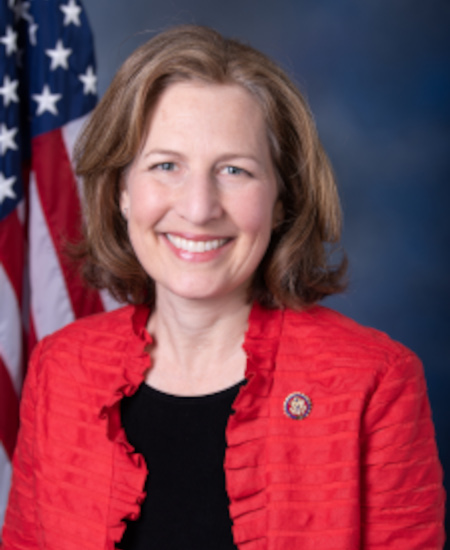
Kim Schrier
Kim Schrier House · District 8
D
Strong +
86% 22
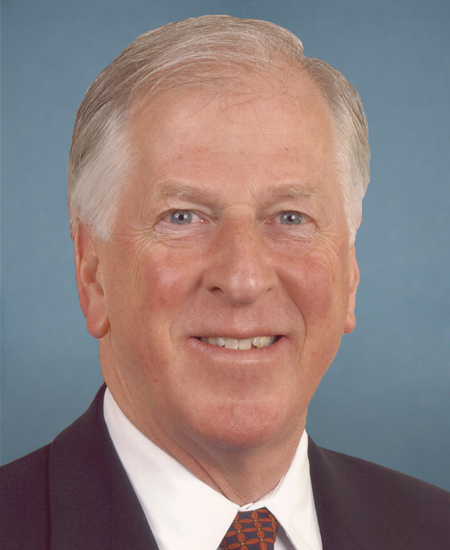
Mike Thompson
Mike Thompson House · District 4
D
Strong +
86% 22
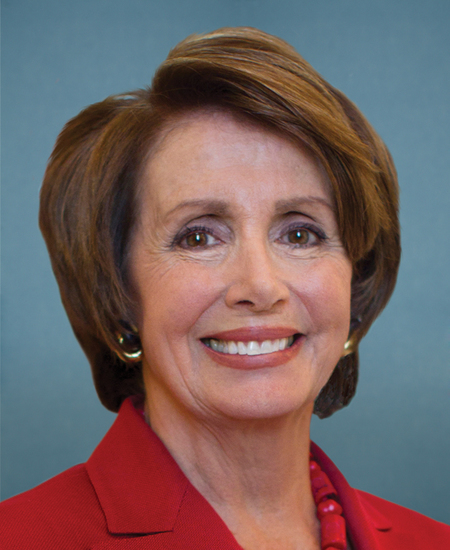
Nancy Pelosi
Nancy Pelosi House · District 11
D
Strong +
86% 22
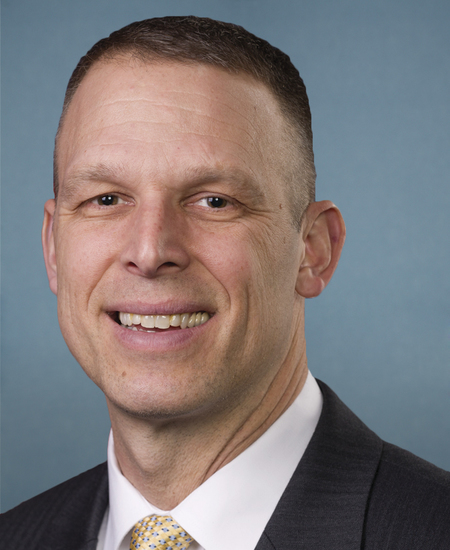
Scott Perry
Scott Perry House · District 10
R
Strong −
14% 21
AA
Alan Armstrong Senate
R
Strong −
17% 29
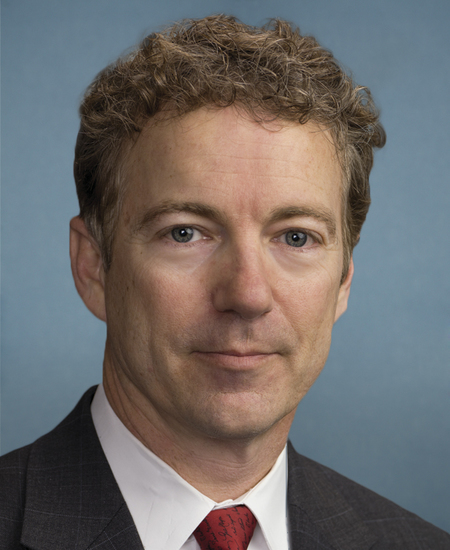
Rand Paul
Rand Paul Senate
R
Strong −
17% 46
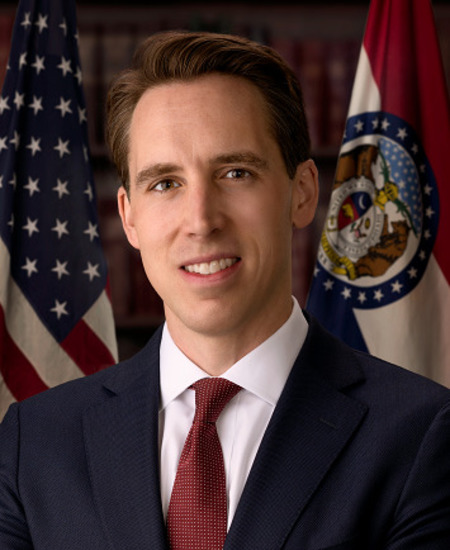
Josh Hawley
Josh Hawley Senate
R
Strong −
18% 45
Andy Harris
Andy Harris House · District 1
R
Strong −
18% 22
Showing 561–570 of 1,678 bills

All technology bills

in committee · United States · Senate Mar 19, 2026

S 3952: Future of Artificial Intelligence Innovation Act of 2026

This bill, titled the Future of Artificial Intelligence Innovation Act of 2026, creates a new Center for Artificial Intelligence Standards and Innovation within the National Institute of Standards and Technology to develop voluntary testing standards, evaluation tools, and best practices for AI systems. The bill establishes testbed programs that allow companies of all sizes to access federal computing resources and facilities for testing AI technologies, while also creating international coalitions with like-minded countries to align on AI standards and security measures. It authorizes federal agencies to award prizes for solving specific AI challenges and requires a report identifying regulatory barriers that may hinder AI innovation. The legislation also expands hiring authority for technical experts and adds requirements for auditing temporary workers involved in AI research.
in committee · United States · Senate Mar 12, 2026

S 4069: AI-Ready Bio-Data Standards Act

This bill directs the National Institute of Standards and Technology to create definitions, standards, and frameworks to ensure biological datasets from federally funded research are prepared for use in artificial intelligence models. It requires the NIST Director to establish clear criteria for what makes data "artificial intelligence-ready" and to consult with federal agencies, private industry, and academia during this process. The legislation also mandates regular testing of these standards to prevent undue burdens on researchers and requires federal agencies to update their data management policies accordingly.
in committee · United States · Senate Mar 11, 2026

S 4062: Next Generation 9–1–1 Act

This bill establishes a federal grant program to help states, tribes, and local governments deploy and maintain Next Generation 9-1-1 emergency communication systems. It requires the Assistant Secretary of the National Telecommunications and Information Administration to coordinate implementation efforts, provide technical assistance, and approve grant applications that must include detailed plans for interoperability, cybersecurity, and public outreach. The legislation also creates a new cybersecurity center to share threat information and establishes an advisory board with representatives from law enforcement, fire services, emergency medical services, and 9-1-1 professionals to provide recommendations on deployment strategies. Funding is authorized through fiscal year 2031 to support these activities, with specific limits on administrative costs and requirements for sustainable funding mechanisms.
in committee · United States · House Mar 24, 2026

HR 8051: TECH Act

The TECH Act would allow qualified technical schools to receive the same federal grant funding as traditional two-year and four-year colleges. It directly affects vocational institutions that offer specific career training programs in high-demand fields like healthcare, manufacturing, and public safety. The bill requires federal agencies to update eligibility rules and application processes within 180 days to include these schools in existing grant programs. To qualify, technical schools must offer programs of at least 150 clock hours that lead to recognized industry credentials and meet state educational requirements. The legislation aims to expand workforce training opportunities by treating technical schools equally with other higher education institutions for federal funding purposes.
in committee · United States · Senate Feb 26, 2026

S 3948: Direct File Act of 2026

This bill, known as the Direct File Act of 2026, would establish a government-run online platform for taxpayers to prepare and file their individual income tax returns for free. It requires the Treasury Department to create a user-friendly system that uses IRS data to simplify the process, offers customer support, and is available in multiple languages and on mobile devices. The legislation also prohibits the Treasury from entering into agreements that would limit its ability to provide these tax preparation and filing services. Additionally, the bill allows eligible states to integrate their state tax filing with the federal system and provides funding to states that meet certain standards for doing so.
in committee · United States · House Feb 25, 2026

HR 7697: International AI Energy Grid Modernization Strategy Act

This bill directs the U.S. Secretary of State to create an international strategy focused on using artificial intelligence to upgrade and secure electrical grids around the world. It requires the development of partnerships with allied nations, academic institutions, and private companies to research and deploy AI tools that can predict grid failures, detect cyber threats, and integrate renewable energy sources. The legislation authorizes funding for pilot projects, workforce training, and technical assistance to help vulnerable regions modernize their power infrastructure while ensuring compliance with U.S. export control laws. Additionally, the bill mandates that the Secretary of State submit regular reports to Congress detailing the progress of these international cooperation efforts and the measurable improvements made to grid resilience.
in committee · United States · Senate Mar 11, 2026

S 4046: Economy of the Future Commission Act of 2026

This bill establishes the Economy of the Future Commission, a temporary legislative body designed to study how artificial intelligence adoption is affecting the U.S. economy. The Commission will consist of 10 members appointed by congressional leaders, including representatives from various congressional committees and experts in AI, education, workforce development, and taxation, along with four nonvoting deputy secretaries from federal departments. Its main duties include developing legislative recommendations on AI-related economic changes, evaluating impacts on education and workforce programs, and producing reports on employment shifts and federal revenue over the next five and ten years. The Commission will operate for approximately 13 months, concluding with a final report submitted to Congress and relevant federal agencies, and will be funded with $5.25 million.
in committee · United States · House Mar 4, 2026

HR 7801: Cloud LAB Act of 2026

This bill directs the National Science Foundation to create a network of cloud laboratories that use automated robotics and advanced instrumentation to conduct biological experiments and generate data for artificial intelligence research. The legislation establishes a three-phase program where Phase I involves planning and assessment, Phase II funds at least two new laboratories, and Phase III funds at least three additional laboratories over a 12-year period. Key provisions include creating an advisory board to guide development, setting up data sharing protocols for authorized researchers, and requiring cybersecurity and biosecurity safeguards. The program aims to connect public and private research facilities while providing access to experimental capabilities for scientists across academia, industry, and government.
in committee · United States · Senate Mar 17, 2026

S 4113: AI Guardrails Act of 2026

This bill, titled the AI Guardrails Act of 2026, establishes specific restrictions on how the Department of Defense can use artificial intelligence. It prohibits the military from using AI to launch or detonate nuclear weapons, to monitor or target individuals within the United States without a legal basis, and to employ lethal force through autonomous weapon systems without human oversight. The legislation also creates a waiver process that allows the Secretary of Defense to temporarily permit certain autonomous weapon uses under strict conditions, requiring written certification to Congress and detailed notifications about the system's safeguards and testing results.
in committee · United States · Senate Mar 10, 2026

S 4044: Support for Astrophysical Observatories and National High-Energy Astrophysics Hubs Act of 2026

This bill directs the National Aeronautics and Space Administration Administrator to officially designate national high-energy astrophysics hubs. These hubs would be research facilities, universities, government entities, or non-governmental organizations that operate missions supporting U.S. leadership in high-energy astrophysics and related scientific fields. The designated hubs must provide training, workforce development, technology transfer, and collaborative resources for academic, governmental, and commercial partners. The legislation aims to maintain U.S. global leadership in this scientific area by ensuring current facilities continue serving scientific, educational, and commercial interests beyond the duration of current flagship missions.
Showing 561 to 570 of 1,678 bills
Previous 1 … 56 57 58 … 168 Next