Issue · Technology

Technology

Every technology bill, vote, and legislator stance in United States, automatically classified by Maddy, our AI policy reader.

Total bills
1,647
119th Congress
Top supporter
Ami Bera
86% support rate
Top opponent
Alan Armstrong
14% support rate
Ranked legislators
10
5 support · 5 oppose
Key legislators

Who's moving technology in United States

Legislators moving technology in United States
Legislator Party Stance Support rate Decisive votes
Ami Bera
Ami Bera House · District 6
D
Strong +
86% 22
Chrissy Houlahan
Chrissy Houlahan House · District 6
D
Strong +
86% 22
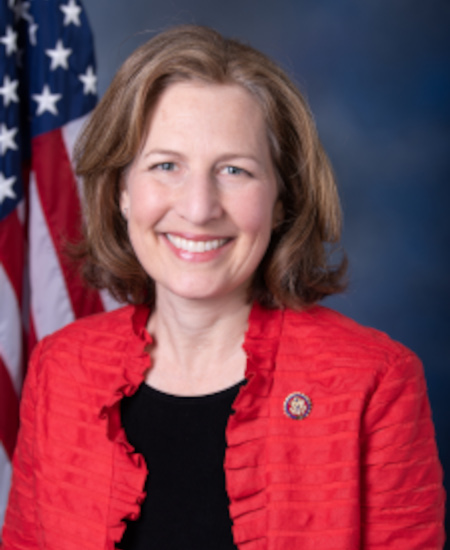
Kim Schrier
Kim Schrier House · District 8
D
Strong +
86% 22
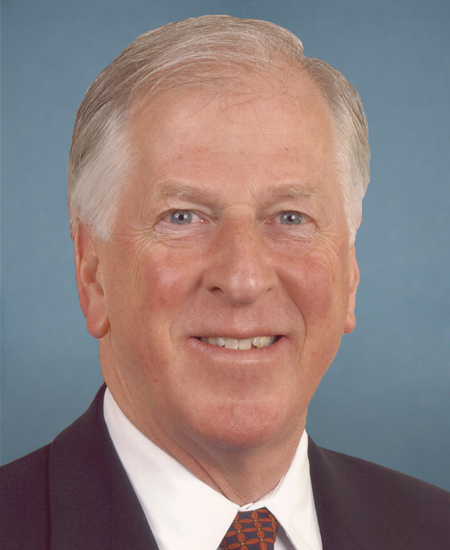
Mike Thompson
Mike Thompson House · District 4
D
Strong +
86% 22
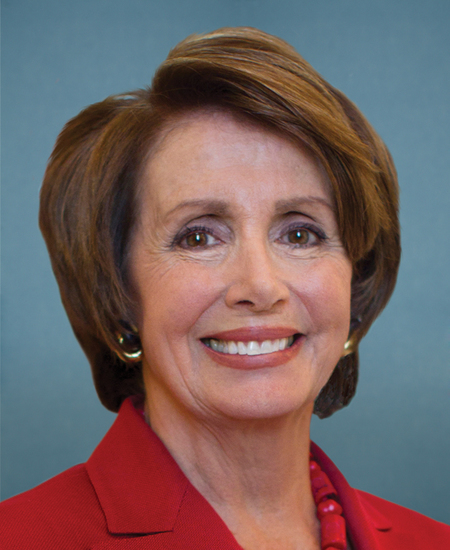
Nancy Pelosi
Nancy Pelosi House · District 11
D
Strong +
86% 22
AA
Alan Armstrong Senate
R
Strong −
14% 28
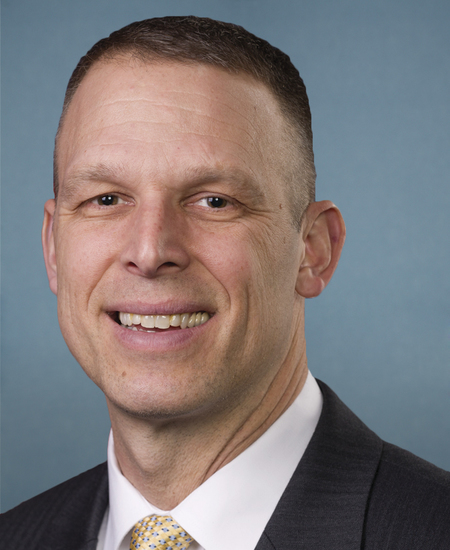
Scott Perry
Scott Perry House · District 10
R
Strong −
14% 21
Rand Paul
Rand Paul Senate
R
Strong −
16% 45
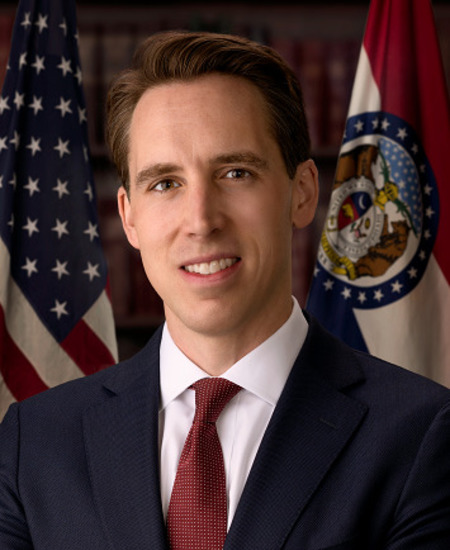
Josh Hawley
Josh Hawley Senate
R
Strong −
18% 44
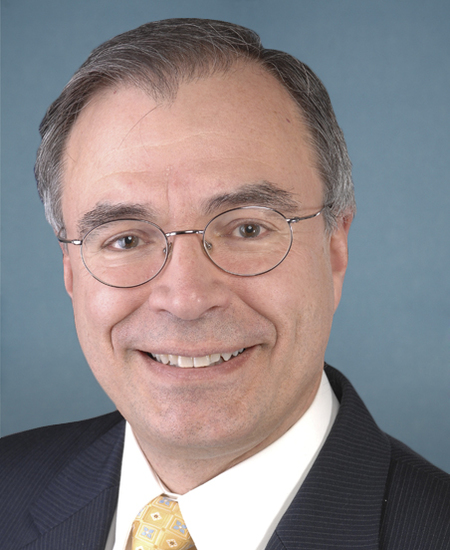
Andy Harris
Andy Harris House · District 1
R
Strong −
18% 22
Showing 1,361–1,370 of 1,647 bills

All technology bills

in committee · United States · House Apr 30, 2025

HR 3119: ReConnecting Rural America Act of 2025

This bill creates a new federal program to expand high-speed broadband access in rural areas by providing grants, loans, and combinations of both. It sets minimum standards requiring 100 Mbps downstream and upstream speeds, prioritizes projects in communities where at least 90% of households lack such service, and directs funding toward areas with high poverty, small populations, or strategic community plans. Eligible applicants include tribal organizations, cooperatives, local governments, and rural utilities, with requirements to meet buildout deadlines, participate in federal affordability programs, and provide cost-sharing (up to 25%). The program authorizes $650 million annually from 2026 to 2030 to fund infrastructure construction, improvement, or acquisition in underserved rural communities.
Sub-Topics Broadband Access Telecommunications Tags Rural Communities
in committee · United States · House Sep 4, 2025

HR 5147: WIRELESS Leadership Act

HR 5147, the WIRELESS Leadership Act, amends federal law to clarify local governments' authority over cell tower and wireless facility permits while setting clear rules for approval. It requires local governments to approve or deny requests within strict timeframes (60-150 days depending on facility size), prohibits discrimination against wireless providers, and mandates written justifications for denials. The bill directly affects wireless providers (like telecom companies) and local governments handling permits for cell towers, small cell installations, and related infrastructure. If local governments miss deadlines, requests are automatically approved, ensuring faster deployment of wireless services without altering FCC regulations on radio frequency emissions.
in committee · United States · House Jul 23, 2025

HR 4628: AI Impersonation Prevention Act of 2025

HR 4628, the AI Impersonation Prevention Act of 2025, prohibits using artificial intelligence to impersonate federal officials (including mimicking their voice or likeness) without a clear disclaimer, if the content is materially false or misleading. It makes knowingly creating such deceptive AI content a crime punishable by up to three years in prison or a fine, while explicitly exempting satire, parody, or protected speech that includes a clear disclosure it is not authentic. The bill directly affects individuals or entities producing AI-generated content falsely posing as federal employees or officials. It defines "artificial intelligence" broadly as systems performing human-like tasks (e.g., generating realistic audio or video) and "impersonates" as falsely representing oneself as another identifiable person.
in committee · United States · House Jun 5, 2025

HR 3788: Support for Quantum Supply Chains Act

This bill amends the National Quantum Initiative Act to direct the National Institute of Standards and Technology (NIST) to establish partnerships with public and private entities. Specifically, it requires NIST to accelerate domestic development of quantum supply chains and reduce vulnerabilities in these supply chains. The bill also mandates NIST to identify key quantum technologies needed for U.S. competitiveness in quantum science and engineering. These changes directly affect NIST and its partners in the quantum technology sector, focusing on building domestic capabilities rather than creating new funding or regulations.
Sub-Topics Emerging Technology
in committee · United States · House Feb 12, 2025

HR 1258: Improving Contractor Cybersecurity Act

HR 1258, the Improving Contractor Cybersecurity Act, requires federal information technology contractors to implement standardized vulnerability disclosure policies. These policies must allow anonymous reporting of security flaws, prohibit lawsuits against researchers acting in good faith, and provide clear timelines for responding to reports and fixing issues. Contractors must also report significant new vulnerabilities to the Cybersecurity and Infrastructure Security Agency (CISA) within 7 days, and CISA will submit verified vulnerabilities to national databases like the National Vulnerability Database. The law directly affects companies bidding on federal IT contracts, mandating transparent security reporting processes to protect government and public systems.
Sub-Topics Cybersecurity
in committee · United States · Senate Jul 22, 2025

S 2381: PROACTIV Artificial Intelligence Data Act of 2025

The PROACTIV Artificial Intelligence Data Act of 2025 requires the National Institute of Standards and Technology (NIST) to develop a voluntary framework within one year for AI developers and data collectors to detect, remove, and report child pornography in datasets used to train artificial intelligence systems. This framework, created with input from law enforcement, nonprofits, and industry stakeholders, will provide specific guidelines for handling such content in AI training data. The bill also grants limited liability protection to AI developers and data collectors who follow the framework, though this protection does not apply if they acted intentionally, recklessly, or negligently, or violated existing child pornography laws. The law explicitly excludes AI deployers (who integrate AI into products) and end users from these requirements.
in committee · United States · House Sep 23, 2025

HR 5550: Lower Internet Costs Act

The Lower Internet Costs Act (HR 5550) requires broadband providers to clearly show the total price of service as a single line item on customer bills and in promotional materials, including the regular price after introductory offers end. It prohibits specific "covered fees" like network maintenance charges, local government right-of-way fees, and equipment repair fees. The bill applies to all broadband subscribers and providers, mandating transparent pricing for both standard plans and bundled services (e.g., internet plus TV). Key provisions include requiring providers to disclose price changes 60 and 30 days in advance for limited-time offers and specifying that taxes or equipment fees aren’t included in the stated total price.
in committee · United States · House Apr 29, 2025

HR 3060: No Biometric Barriers to Housing Act of 2025

HR 3060, the "No Biometric Barriers to Housing Act of 2025," prohibits owners of federally assisted rental housing (including public housing, Section 8 units, and supportive housing programs) from using facial recognition, fingerprint, or remote biometric technology (like voice or gait analysis) for surveillance or other purposes that could unfairly affect tenant access to housing. The ban takes effect one year after the bill's enactment and applies to all covered housing types listed in the bill, such as those under the Housing Act of 1937 or Native American housing programs. It also requires the Department of Housing and Urban Development to report to Congress within a year on past biometric use in these units, its impacts on tenants, and effects on vulnerable communities. This law directly affects housing owners in federally subsidized properties by banning specific surveillance technologies and mandating transparency about their prior use.
in committee · United States · Senate Nov 6, 2025

S 3128: Worker Privacy Act

This bill amends the National Labor Relations Act to protect worker privacy during union elections. It requires employers to provide labor organizations with a voter list containing only employees' names and one optional contact detail (like email or phone number) within two business days of an election approval, in a searchable electronic format. The bill also prohibits labor organizations from selling or misusing this contact information for political purposes or after an election concludes. These provisions directly affect employers (who must provide lists), labor organizations (who receive and must handle data responsibly), and employees (whose personal information is protected).
in committee · United States · Senate Mar 11, 2025

S 962: Protecting Children Over Profits Act

This bill amends federal law to clarify that electronic communications and remote computing service providers (like internet companies) are exempt from certain record-keeping requirements when handling information related to child exploitation. It specifically removes the need for providers to maintain certain records about child exploitation cases and prohibits them from being paid for providing information, facilities, or technical assistance related to such cases. The exemption applies only to information defined as "child exploitation" under the 2008 PROTECT Our Children Act. The bill directly affects tech companies and service providers by streamlining their ability to share child exploitation data without financial compensation or record-keeping burdens.
Showing 1,361 to 1,370 of 1,647 bills