Issue · Labor & Employment

Labor & Employment (Collective Bargaining)

Every labor & employment bill, vote, and legislator stance in United States, automatically classified by Maddy, our AI policy reader.

Total bills
29
119th Congress
Top supporter
Adam Gray
100% support rate
Top opponent
Chip Roy
0% support rate
Ranked legislators
10
5 support · 5 oppose
Key legislators

Who's moving collective bargaining in United States

Legislators moving collective bargaining in United States
Legislator Party Stance Support rate Votes
Adam Gray
Adam Gray House · District 13
D
Strong +
100% 7
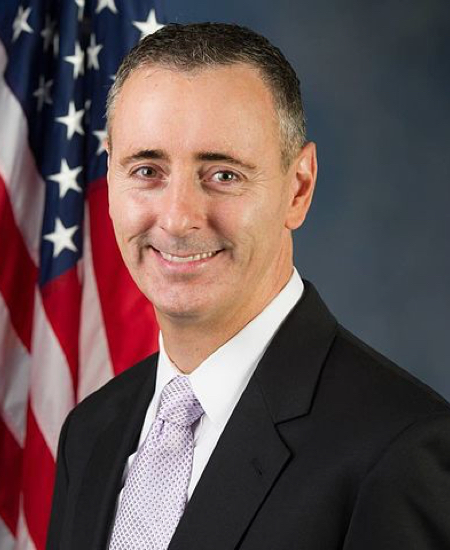
Brian K. Fitzpatrick
Brian K. Fitzpatrick House · District 1
R
Strong +
100% 7
Brittany Pettersen
Brittany Pettersen House · District 7
D
Strong +
100% 7
Chris Pappas
Chris Pappas House · District 1
D
Strong +
100% 7
Christopher H. Smith
Christopher H. Smith House · District 4
R
Strong +
100% 7
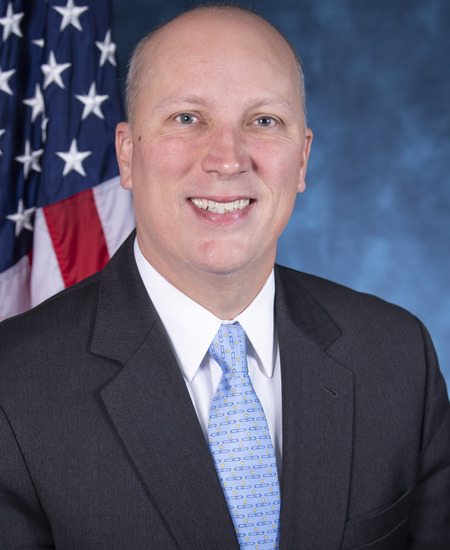
Chip Roy
Chip Roy House · District 21
R
Strong −
0% 7
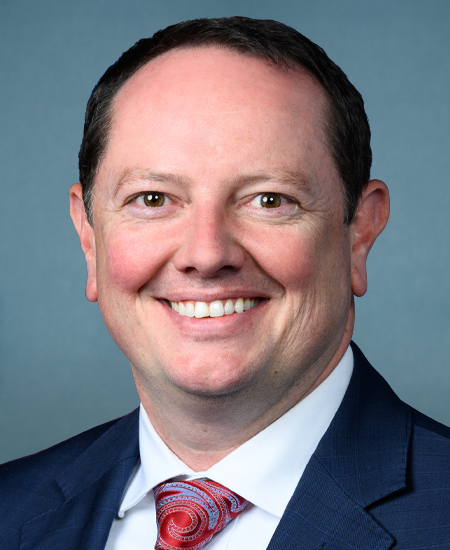
Eric Burlison
Eric Burlison House · District 7
R
Strong −
0% 7
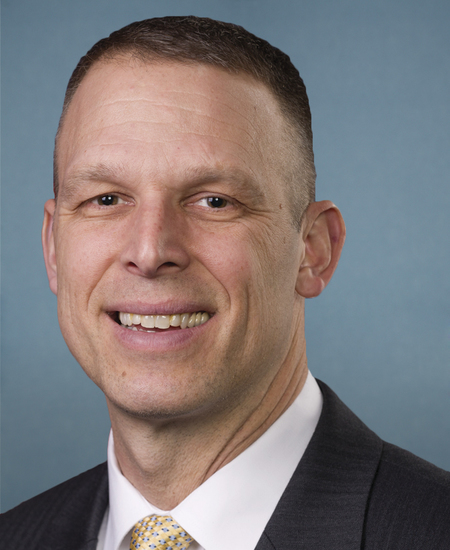
Scott Perry
Scott Perry House · District 10
R
Strong −
0% 7
Tom McClintock
Tom McClintock House · District 5
R
Strong −
0% 7
Celeste Maloy
Celeste Maloy House · District 2
R
Strong −
0% 6
Showing 1–10 of 29 bills

All labor & employment bills

in committee · United States · House Sep 3, 2026

HR 10250: No Preference Act

HR 10250, known as the No Preference Act, prohibits federal executive agencies and the Department of Defense from requiring or giving preference to contractors based on their use of union labor. The bill amends existing laws to ensure that government contract awards cannot be influenced by whether a company's workers are covered by collective bargaining agreements. This change directly affects federal procurement processes by mandating that offers be evaluated without regard to the labor status of the bidding firms.
in committee · United States · Senate Apr 30, 2026

S 4452: Let Experienced Pilots Fly Act

This bill, known as the Let Experienced Pilots Fly Act, raises the mandatory retirement age for commercial airline pilots from 65 to 67 years old. It allows airlines to voluntarily choose to keep a stricter limit of 70 years, but once they make that choice, they cannot lower it later. The law also ensures that pilots aged 60 and older must hold a specific type of medical certificate and prevents them from facing stricter medical checks solely because of their age, unless the Federal Aviation Administration determines it is necessary for safety. Additionally, the bill requires that any changes to pilot contracts or benefit plans needed to comply with these new age rules must be agreed upon by both the airline and the pilots' union representatives.
in committee · United States · House Apr 1, 2025

HR 2572: Worker Enfranchisement Act

The Worker Enfranchisement Act (HR 2572) changes how unions gain exclusive representation rights under labor law. It requires that a union must be chosen by at least two-thirds of all eligible employees voting in a secret ballot election, rather than a simple majority. This applies to all new union representation elections occurring six months after the bill becomes law. The change directly affects workers and unions by raising the threshold for establishing a union as the sole bargaining representative.
in committee · United States · House Mar 5, 2025

HR 1870: SPEED for BEAD Act

The SPEED for BEAD Act (HR 1870) amends the federal broadband deployment program (BEAD) to accelerate network expansion. It defines "gigabit-level broadband" as 1,000 Mbps download speeds, requires unused funds to be returned to the Treasury instead of reallocated, and allows states to remove high-cost locations from project areas. The bill prohibits grant conditions related to labor practices (e.g., union requirements), diversity initiatives, climate policies, or network management rules, while ensuring all broadband technologies meeting speed standards are eligible. It also explicitly bans government regulation of broadband pricing, directly affecting states administering BEAD funds and the internet providers they fund.
in committee · United States · Senate Jul 24, 2025

S 2428: STUDENT Act

S 2428, the STUDENT Act, amends the federal charter of the National Education Association (NEA) to restrict its political activities and membership practices. It requires NEA members (public school teachers) to explicitly consent to dues payments (banning payroll deductions), prohibits the NEA from engaging in political lobbying or supporting candidates, and bans advocacy of specific concepts like critical race theory or antisemitic beliefs. The bill also mandates annual reporting to Congress and prohibits strikes by NEA-affiliated staff in public schools. These provisions directly affect the NEA’s operations and its members’ financial and political engagement.
in committee · United States · House Jan 3, 2025

HR 107: Return to Work Act

HR 107, the Return to Work Act, requires federal executive agencies to reinstate their telework policies as they existed on December 31, 2019, within 60 days of the bill's enactment. This directly affects federal employees and agency managers by mandating a return to pre-pandemic remote work rules, overriding any conflicting current agreements or collective bargaining terms. The bill’s key mechanism is a strict 60-day deadline for agencies to revert to 2019 telework policies, with the reinstated rules taking precedence over newer policies or contracts. It focuses on restoring specific historical telework frameworks without creating new benefits or altering broader employment conditions.
in committee · United States · House Dec 12, 2025

HR 6685: To amend the Internal Revenue Code of 1986 to establish an exception for multiemployer plan participants to the requirements for automatic enrollment.

This bill exempts multiemployer pension plans from automatic enrollment requirements under the Internal Revenue Code. Specifically, it amends Section 414A(c)(3) to explicitly exclude multiemployer plans (defined under Section 414(f)) from rules requiring automatic enrollment in retirement plans. This change directly affects workers enrolled in union-sponsored multiemployer pension plans, allowing these plans to avoid automatic enrollment obligations. The amendment applies to taxable years beginning after December 31, 2024.
in committee · United States · Senate Jan 12, 2026

S 3615: Multiemployer Plan Relief Act

The Multiemployer Plan Relief Act (S 3615) amends the Internal Revenue Code to exempt multiemployer retirement plans from automatic enrollment requirements. This directly affects union-sponsored pension plans (common in industries like construction) by removing them from rules that require automatic enrollment in retirement savings plans for other employer-sponsored plans. The key provision updates Section 414A(c)(3) to explicitly exclude multiemployer plans from the definition of plans subject to automatic enrollment rules. The change takes effect for taxable years beginning after December 31, 2024.
in committee · United States · Senate Nov 6, 2025

S 3117: Worker RESULTS Act

The Worker RESULTS Act (S 3117) amends the National Labor Relations Act to change how union representation elections work. It creates a 90-day "decertification window" allowing workers to challenge a union if bargaining stalls for 60 days after the union is certified, and requires secret ballot elections for union representation. The bill also establishes a 2-year window (150 days before and 60 days after contract expiration) for new union elections, and prohibits the NLRB from blocking elections due to unfair labor practice charges. These changes directly affect unions, employers, and workers involved in collective bargaining processes.
in committee · United States · House Apr 17, 2025

HR 2952: SALT Act

The SALT Act (HR 2952) requires labor unions and labor relations consultants to report payments or agreements related to influencing employee organizing efforts. It directly affects unions making payments to employees or groups to persuade others about union organizing, as well as consultants hired for organizing-related activities. Key provisions mandate detailed annual reports to the Labor Department, including the amount, date, recipient's details, and full explanation of each payment or agreement. These reports must cover all payments intended to affect employees' rights to organize or bargain collectively, excluding information used solely in legal proceedings.
Showing 1 to 10 of 29 bills
1 2 3 Next