

Issue · Labor & Employment
Labor & Employment
Every labor & employment bill, vote, and legislator stance in United States, automatically classified by Maddy, our AI policy reader.
Total bills
1,583
119th Congress
Top supporter
Brian K. Fitzpatrick
93% support rate
Top opponent
Bernard Sanders
23% support rate
Ranked legislators
10
5 support · 5 oppose
Key legislators
Who's moving labor & employment in United States
| Legislator | Party | Stance | Support rate | Decisive votes |
|---|---|---|---|---|
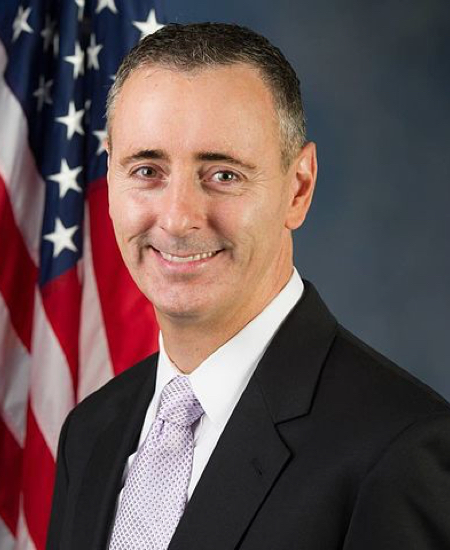
Brian K. Fitzpatrick
House · District 1
|
R |
Strong +
|
93% | 14 |
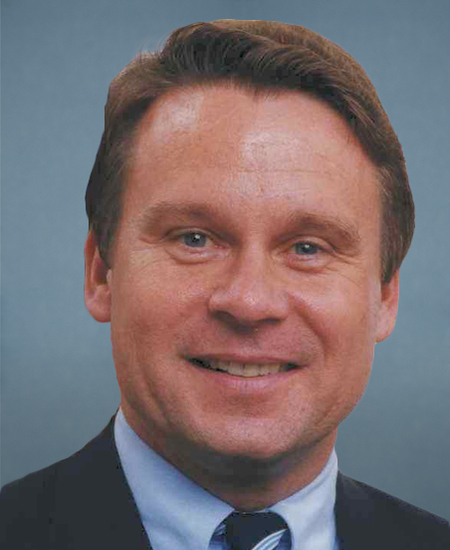
Christopher H. Smith
House · District 4
|
R |
Strong +
|
93% | 14 |
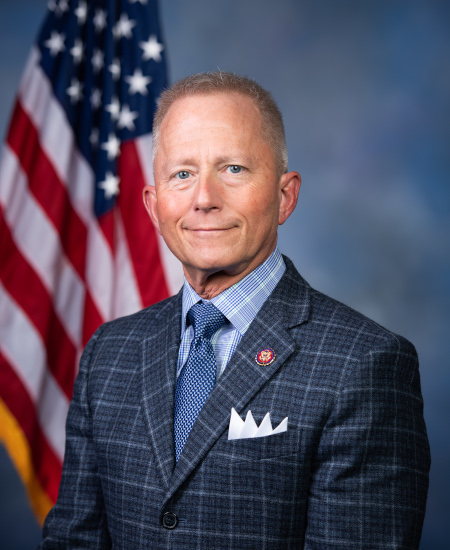
Jefferson Van Drew
House · District 2
|
R |
Strong +
|
93% | 14 |
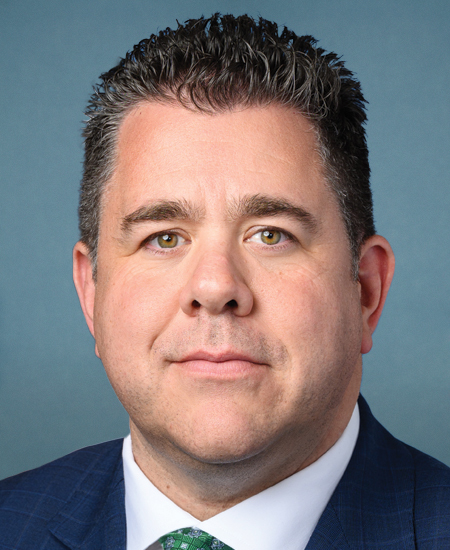
Nick LaLota
House · District 1
|
R |
Strong +
|
93% | 14 |
Robert P. Bresnahan, Jr.
House · District 8
|
R |
Strong +
|
93% | 14 |
Bernard Sanders
Senate
|
I |
Oppose
|
23% | 13 |
Edward J. Markey
Senate
|
D |
Oppose
|
23% | 13 |
Elizabeth Warren
Senate
|
D |
Oppose
|
23% | 13 |
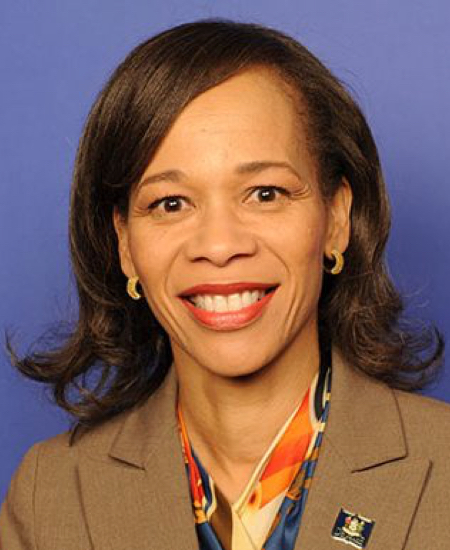
Lisa Blunt Rochester
Senate
|
D |
Oppose
|
23% | 13 |

Rand Paul
Senate
|
R |
Oppose
|
25% | 12 |
Showing 871–880 of 1,583
bills
All labor & employment bills
S 1121: Performing Artist Tax Parity Act of 2025
Topics
✓ Budget & TaxesSupports Budget & TaxesBill creates tax deduction for performing artists, providing tax relief for eligible earners within income phaseout thresholds.
✓ Labor & EmploymentSupports Labor & EmploymentProvides tax deduction for work-related expenses, expanding financial benefits for performing artists (a subset of workers) under employment standards.
HR 7179: Historic Infrastructure Management and Jobs Training Act
Topics
✓ EducationSupports EducationBill provides grants to educational institutions for workforce training programs in historic preservation, supporting educational access and specialized skill development.
✓ Labor & EmploymentSupports Labor & EmploymentFunds workforce training in historic preservation for high-unemployment areas, directly advancing employment opportunities and underserved community job access.
S 1440: Uniformed Services Leave Parity Act
S 768: Invest to Protect Act of 2025
Topics
✓ Budget & TaxesSupports Budget & TaxesBill creates federal grant program funding law enforcement training, retention, and mental health services, directly advancing government spending on public safety programs.
✓ Criminal JusticeSupports Criminal JusticeFunds de-escalation training, mental health response, and officer wellness programs - directly advancing reform goals like reducing use-of-force incidents and improving accountability.
✓ HealthcareSupports HealthcareFunds behavioral health services for officers, directly supporting mental health care access per bill's summary.
✓ Labor & EmploymentSupports Labor & EmploymentBill provides funding for law enforcement officer retention bonuses, mental health training, and behavioral health services, improving workplace safety and benefits for this worker group.
HR 3558: Veteran Jobs Training Act
Topics
✓ Budget & TaxesSupports Budget & TaxesAuthorizes $75M annual funding for veteran reintegration programs, increasing government spending on public services per bill summary.
✓ HousingSupports HousingFunds homeless veterans' reintegration programs, directly addressing homelessness - a core housing issue per topic description.
✓ Labor & EmploymentSupports Labor & EmploymentDirectly funds $75M annually for homeless veterans' workforce reintegration programs, advancing employment access and job training services for a vulnerable workforce group.
✓ VeteransSupports VeteransBill authorizes $75M annually for homeless veterans' workforce reintegration programs, directly funding employment assistance services for veterans.
Sub-Topics
Appropriations
Homelessness
Workforce Development
Veteran Education
Veteran Employment
Veteran Housing
HJRES 27: Providing for congressional disapproval under chapter 8 of title 5, United States Code, of the rule submitted by the Environmental Protection Agency relating to "Trichloroethylene (TCE); Regulation Under the Toxic Substances Control Act (TSCA)".
Topics
✗ EnvironmentOpposes EnvironmentBlocks EPA rule restricting carcinogenic TCE, preventing environmental protection under TSCA; directly weakens chemical regulation standards.
✗ Labor & EmploymentOpposes Labor & EmploymentBill blocks EPA rule restricting TCE (industrial chemical linked to workplace safety risks), weakening worker protection regulations under TSCA.
HR 581: Child Care Workforce and Facilities Act of 2025
Topics
✓ EducationSupports EducationFunds childcare infrastructure and workforce to address access gaps in early education, directly advancing educational access for young children.
✓ Labor & EmploymentSupports Labor & EmploymentFunds workforce training/support for childcare providers to improve retention, directly advancing employment standards in childcare sector.
Sub-Topics
Early Childhood
HR 4393: DIGNIDAD (Dignity) Act of 2025
Topics
✓ ImmigrationSupports ImmigrationCreates pathways to legal status for undocumented immigrants via 7-year program with restitution payments to H-1B fund, aligning with immigrant rights and integration indicators.
✓ Labor & EmploymentSupports Labor & EmploymentBill creates new workforce development programs to enhance employment opportunities and worker skills, directly supporting labor and employment policies.
S 2220: Fighting for the Overlooked Recognition of Groups Operating in Toxic Test Environments in Nevada (FORGOTTEN) Veterans Act of 2025
Topics
✓ HealthcareSupports HealthcareEstablishes disability benefits eligibility for veterans exposed to toxins at NTTR, expanding access to VA healthcare and disability compensation.
✓ Labor & EmploymentSupports Labor & EmploymentBill expands disability benefits for veterans exposed to toxic workplace environments, directly strengthening worker benefits and safety protections for affected personnel.
✓ VeteransSupports VeteransMandates DOD documentation for toxic exposure veterans and establishes disability compensation eligibility at NTTR, advancing benefits access for overlooked veterans.