Issue · Labor & Employment

Labor & Employment

Every labor & employment bill, vote, and legislator stance in United States, automatically classified by Maddy, our AI policy reader.

Total bills
1,583
119th Congress
Top supporter
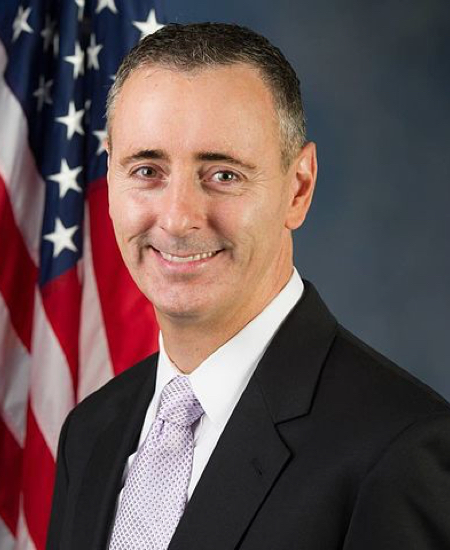
Brian K. Fitzpatrick
93% support rate
Top opponent
Bernard Sanders
23% support rate
Ranked legislators
10
5 support · 5 oppose
Key legislators

Who's moving labor & employment in United States

Legislators moving labor & employment in United States
Legislator Party Stance Support rate Decisive votes
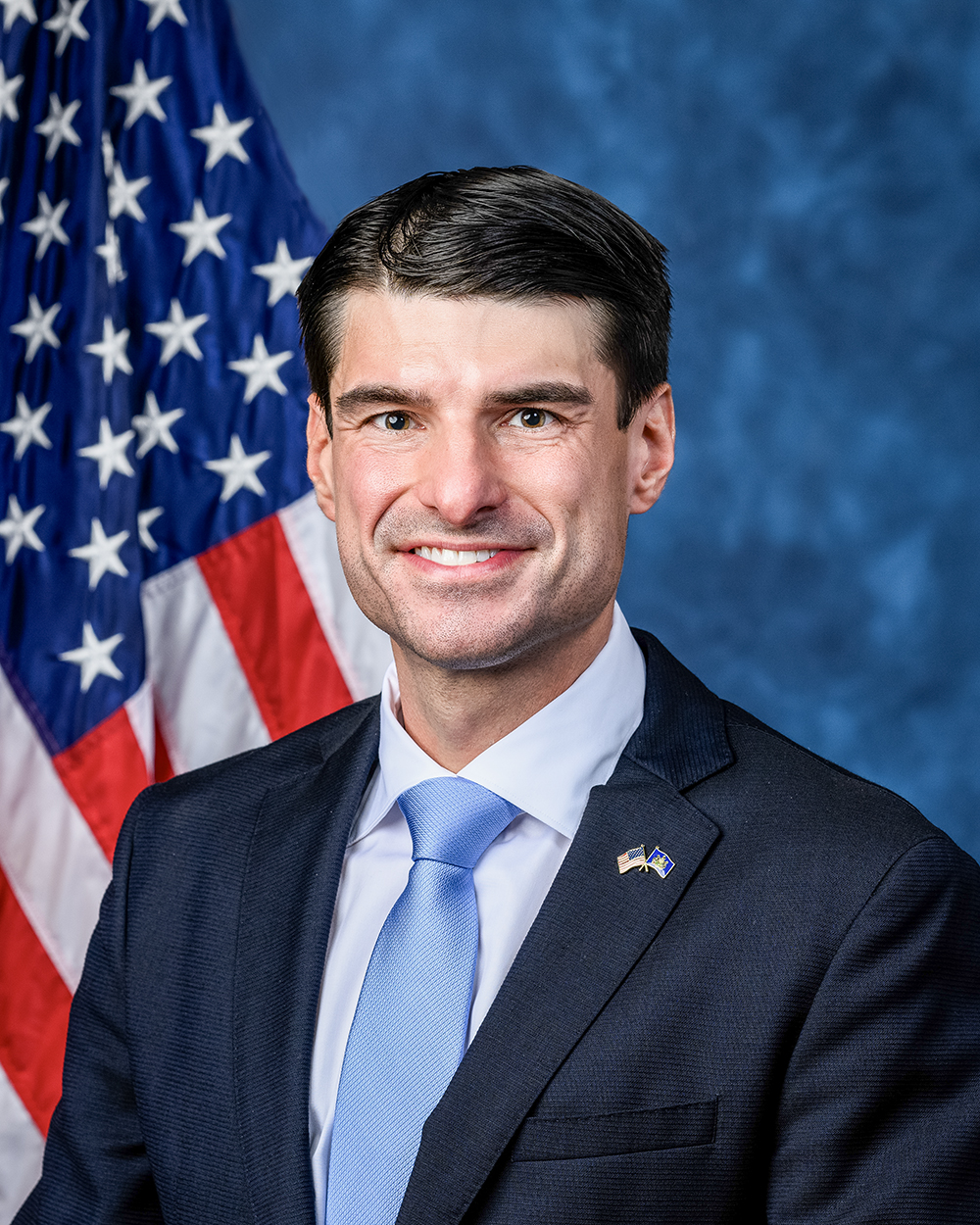
Brian K. Fitzpatrick
Brian K. Fitzpatrick House · District 1
R
Strong +
93% 14
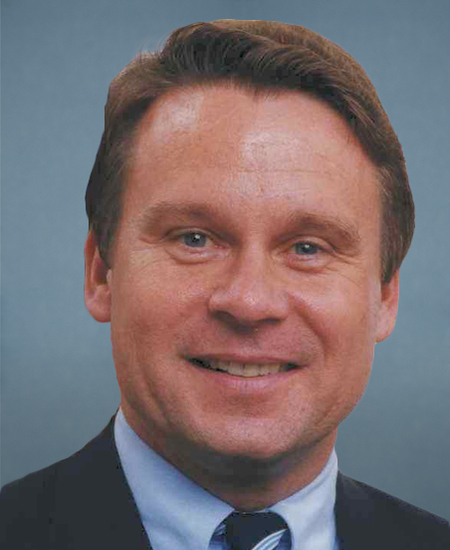
Christopher H. Smith
Christopher H. Smith House · District 4
R
Strong +
93% 14
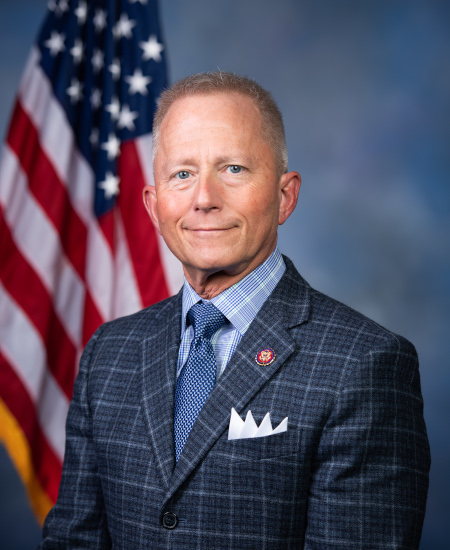
Jefferson Van Drew
Jefferson Van Drew House · District 2
R
Strong +
93% 14
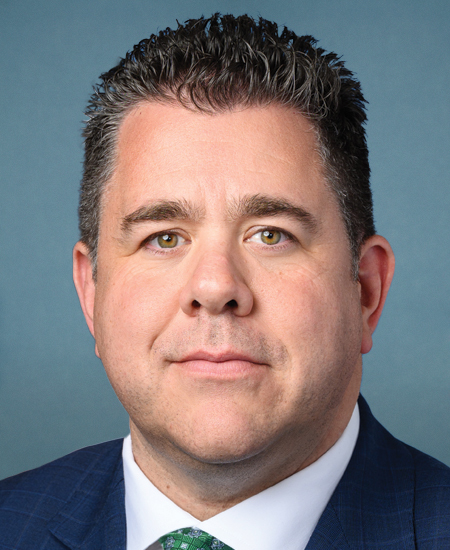
Nick LaLota
Nick LaLota House · District 1
R
Strong +
93% 14
Robert P. Bresnahan, Jr.
Robert P. Bresnahan, Jr. House · District 8
R
Strong +
93% 14
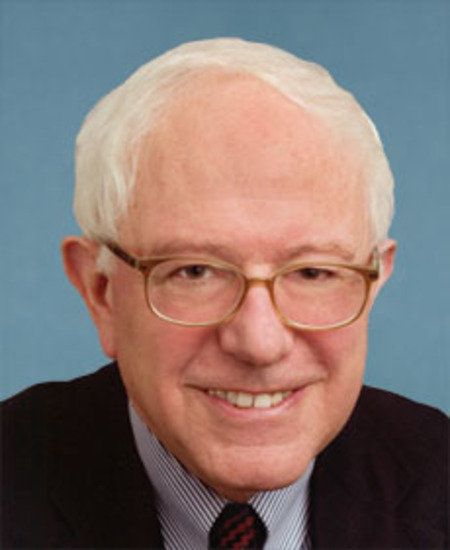
Bernard Sanders
Bernard Sanders Senate
I
Oppose
23% 13
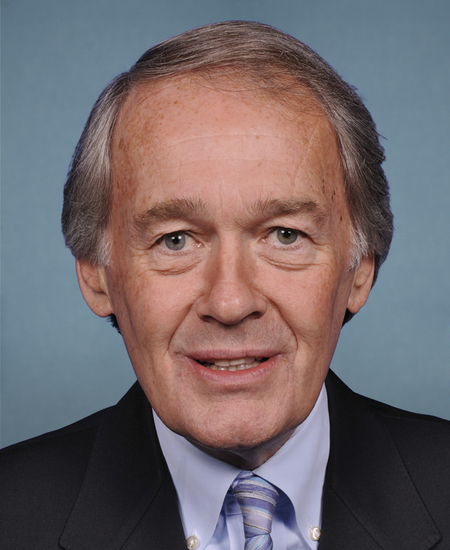
Edward J. Markey
Edward J. Markey Senate
D
Oppose
23% 13
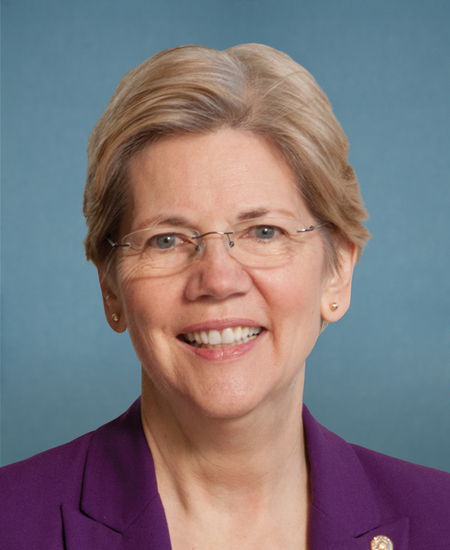
Elizabeth Warren
Elizabeth Warren Senate
D
Oppose
23% 13
Lisa Blunt Rochester
Lisa Blunt Rochester Senate
D
Oppose
23% 13
Rand Paul
Rand Paul Senate
R
Oppose
25% 12
Showing 721–730 of 1,583 bills

All labor & employment bills

in committee · United States · House Jun 9, 2025

HR 3850: District of Columbia Non-Discrimination Home Rule Act of 2025

HR 3850, the District of Columbia Non-Discrimination Home Rule Act of 2025, removes the District of Columbia from the applicability of the Religious Freedom Restoration Act (RFRA) of 1993. The bill amends the RFRA to delete the District of Columbia from the list of jurisdictions covered by the law. This change directly affects DC's local non-discrimination laws, meaning they would no longer be subject to RFRA challenges under federal law. The provision ensures DC's own protections against discrimination operate without federal religious freedom constraints.
in committee · United States · House Jun 5, 2025

HR 3708: No Place for LGBTQ+ Hate Act

HR 3708, the "No Place for LGBTQ+ Hate Act," repeals five specific executive orders targeting LGBTQ+ rights and blocks federal funding for their implementation. It directly affects transgender, nonbinary, intersex, and gender-nonconforming individuals by reversing policies that: mandated discrimination in employment/healthcare (EO 14168), reinstated a military ban (EO 14183), restricted transgender youth healthcare (EO 14187), barred transgender female students from sports (EO 14201), and required schools to deny transgender existence (EO 14190). The bill’s key mechanism prohibits federal funds from being used to enforce these orders, effectively nullifying them. This is a procedural repeal bill focused on reversing specific executive actions, not creating new laws.
in committee · United States · House Jun 25, 2026

HR 4122: Health Care for Energy Workers Act of 2025

This bill expands access to medical care for energy workers already covered under the Energy Employees Occupational Illness Compensation Program. It adds a new provision allowing nurse practitioners and physician assistants (within their state practice scope and federal guidelines) to prescribe, recommend, or order medical services for these workers. The change specifically modifies existing rules to include these healthcare providers in the process of authorizing treatments, without creating new benefits or changing eligibility. It directly affects energy workers with occupational illnesses covered by the current compensation program.
in committee · United States · House Jul 16, 2025

HR 4408: UNITY Act

HR 4408, the UNITY Act, requires the Federal Emergency Management Agency (FEMA) to study and improve disaster workforce retention in noncontiguous communities (like Alaska, Hawaii, and U.S. territories). It mandates FEMA to evaluate recruitment strategies and staffing challenges in these areas, then revise policies based on findings. The bill also directs the Government Accountability Office (GAO) to analyze disaster response and recovery practices in noncontiguous communities, comparing them to contiguous areas and making recommendations. Additionally, it establishes a time-limited pilot program (ending in 2030) to test new technology for damage assessments in remote disaster-impacted communities. The bill directly affects FEMA operations, federal disaster response coordination, and residents in geographically isolated regions.
Tags Emergency Management
in committee · United States · House Sep 10, 2025

HR 3593: Title VIII Nursing Workforce Reauthorization Act of 2025

HR 3593, the Title VIII Nursing Workforce Reauthorization Act of 2025, reauthorizes and expands federal funding for nursing education programs to address workforce shortages. It directly affects nursing schools, nurse practitioner, nurse-midwifery, nurse anesthesia, and clinical nurse specialist programs by expanding grant eligibility to include these specific training pathways. Key provisions include increasing annual funding from $137 million to $184 million (2026-2030), requiring schools to use funds for simulation/technology resources and faculty/student expansion, and adding clinical partnerships with healthcare facilities. The bill also updates terminology and adds protections for survivors of domestic violence and sexual assault in nursing education settings.
in committee · United States · House Jul 23, 2025

HR 4734: Hands Off Our Social Security Act

HR 4734, the "Hands Off Our Social Security Act," prohibits federal actions that would alter Social Security benefits, data handling, workforce levels, office locations, or communication systems without explicit congressional approval. It directly protects Social Security beneficiaries and the Social Security Administration (SSA) by banning unauthorized changes to benefits, data mining, privatization, staff cuts, office closures, or reduced phone/in-person services. Key provisions require Congress to approve any modifications to benefits, workforce reductions, or office closures, and mandate the SSA to maintain existing communication channels. The bill also mandates annual GAO audits to ensure compliance with these restrictions. This legislation focuses on preserving current Social Security operations and access, not creating new benefits or altering eligibility.
in committee · United States · House Sep 16, 2025

HR 5381: Opioid Treatment Providers Act

HR 5381, the Opioid Treatment Providers Act, expands eligibility for Health Professions Opportunity Grants (HPOG) to include opioid treatment programs (OTPs) and other high-quality addiction care providers. This change modifies the Social Security Act to allow these programs to apply for HPOG funding, which supports workforce development and training for health care workers. The bill directly affects OTPs and similar addiction treatment facilities by enabling them to access federal grants for staff training and program enhancement. The amendment takes effect on October 1, 2025.
in committee · United States · House Aug 20, 2025

HR 4992: FEMA Critical Staffing Act

HR 4992, the FEMA Critical Staffing Act, requires the Federal Emergency Management Agency (FEMA) to reinstate employees who were involuntarily separated between January 20, 2025, and the bill’s enactment date, within 30 days of passage. It directly affects FEMA staff who lost their positions during that period and ensures continued support for communities relying on FEMA programs. The bill mandates reinstating two key programs: the Building Resilient Infrastructure and Communities program (for state/local disaster preparedness) and the flood mitigation assistance program (for flood risk reduction projects), while prohibiting cuts to existing disaster resource access. These provisions aim to maintain FEMA’s workforce and program continuity amid increasing climate-driven disasters.
Tags Emergency Management
passed · United States · House Sep 16, 2026

HR 5109: Transportation Worker Identification Credential Efficiency Act

HR 5109 requires the Transportation Security Administration (TSA) to create guidelines helping individuals in federal, state, and local prisons prepare for and apply for Transportation Worker Identification Credential (TWIC) cards *before* their release. The bill directs TSA to develop specific procedures for prison staff to assist inmates in pre-applying for TWIC cards and navigating appeals or waivers if initially denied. This aims to streamline access to TWIC cards - required for many port and maritime jobs - allowing returning citizens to secure employment faster after release. The bill cites that 525,000 jobs in Louisiana alone depend on TWIC access, and faster credential acquisition supports reintegration efforts.
Sub-Topics Corrections
in committee · United States · House Sep 8, 2025

HR 5212: SBIR/STTR Innovation Workforce Act

HR 5212, the SBIR/STTR Innovation Workforce Act, creates new fellowship and internship programs for students at all education levels (undergraduate through postdoctoral) at small businesses that have received SBIR or STTR Phase II funding. It requires federal agencies to actively recruit underrepresented groups - including women, socially disadvantaged individuals, and economically disadvantaged individuals - into these programs and allows agencies to partner with nonprofits to support outreach. Agencies may use up to 3% of relevant funding (or specific funds for certain agencies) to implement these provisions. The bill directly affects small businesses with Phase II awards, students in STEM fields, and nonprofit organizations supporting workforce diversity.
Sub-Topics Higher Education
Showing 721 to 730 of 1,583 bills
Previous 1 … 72 73 74 … 159 Next