Issue · Labor & Employment

Labor & Employment

Every labor & employment bill, vote, and legislator stance in United States, automatically classified by Maddy, our AI policy reader.

Total bills
1,543
119th Congress
Top supporter
Raphael G. Warnock
100% support rate
Top opponent
Eric Burlison
31% support rate
Ranked legislators
10
5 support · 5 oppose
Key legislators

Who's moving labor & employment in United States

Legislators moving labor & employment in United States
Legislator Party Stance Support rate Votes
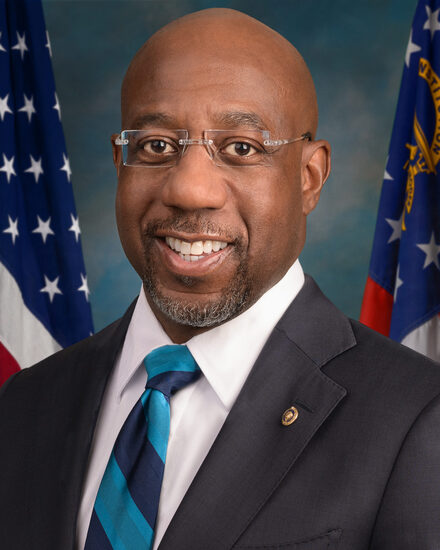
Raphael G. Warnock
Raphael G. Warnock Senate
D
Strong +
100% 211
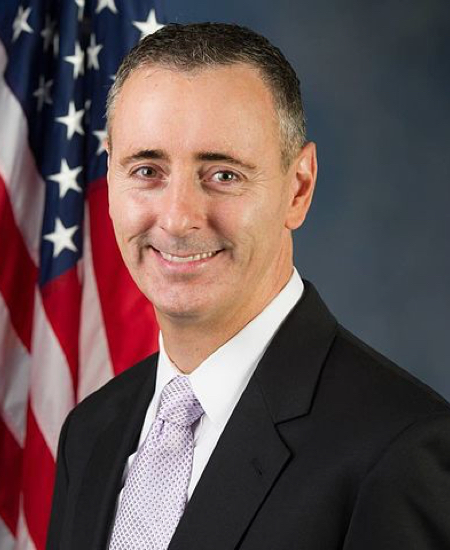
Brian K. Fitzpatrick
Brian K. Fitzpatrick House · District 1
R
Strong +
92% 194
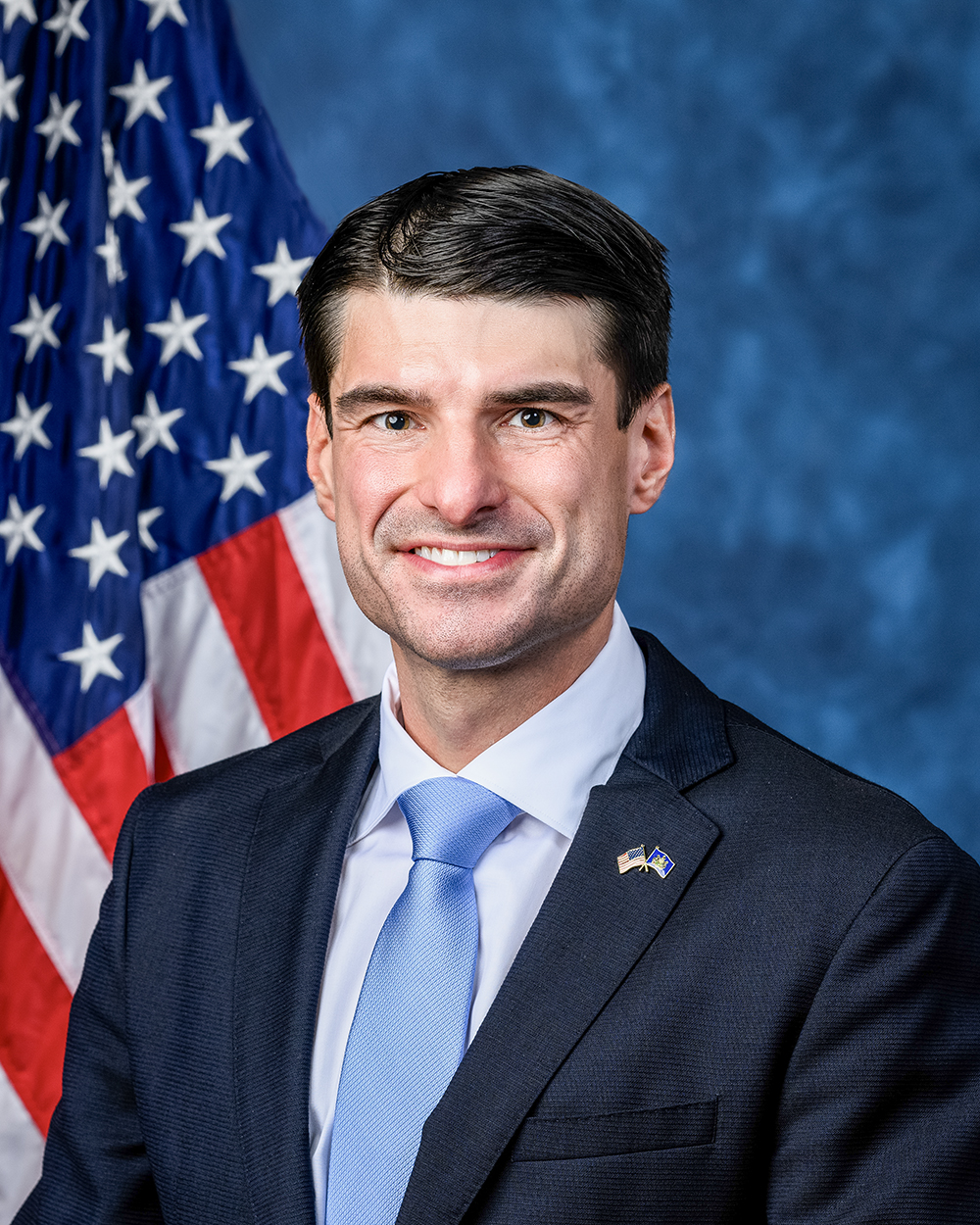
Robert P. Bresnahan, Jr.
Robert P. Bresnahan, Jr. House · District 8
R
Strong +
92% 197
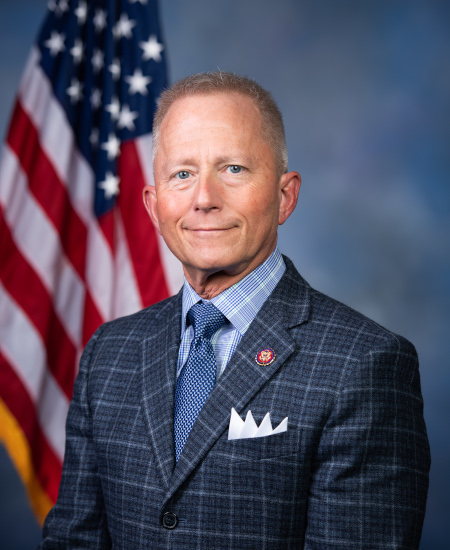
Jefferson Van Drew
Jefferson Van Drew House · District 2
R
Strong +
92% 197
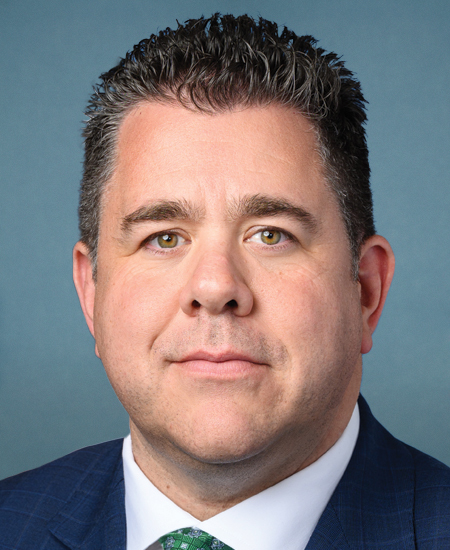
Nick LaLota
Nick LaLota House · District 1
R
Strong +
92% 195
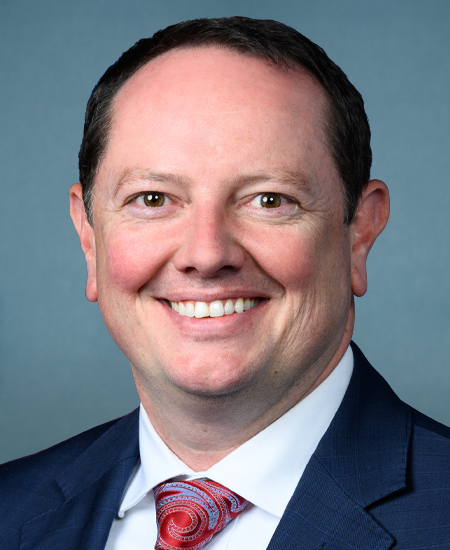
Eric Burlison
Eric Burlison House · District 7
R
Oppose
31% 197
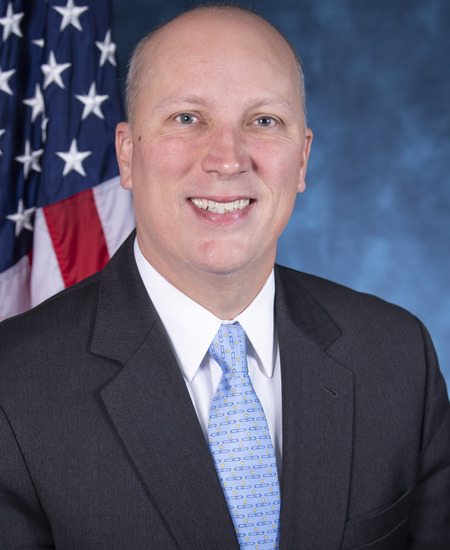
Chip Roy
Chip Roy House · District 21
R
Oppose
31% 190
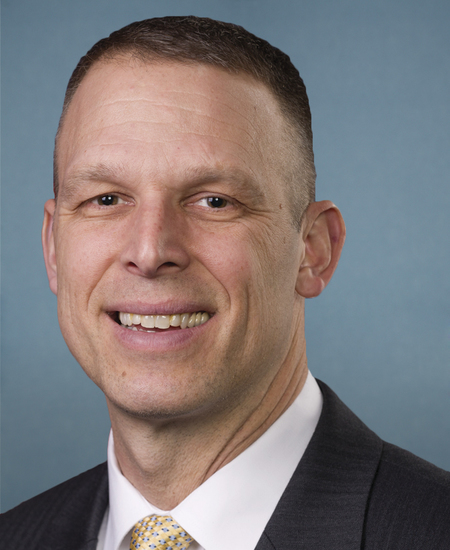
Scott Perry
Scott Perry House · District 10
R
Oppose
31% 194
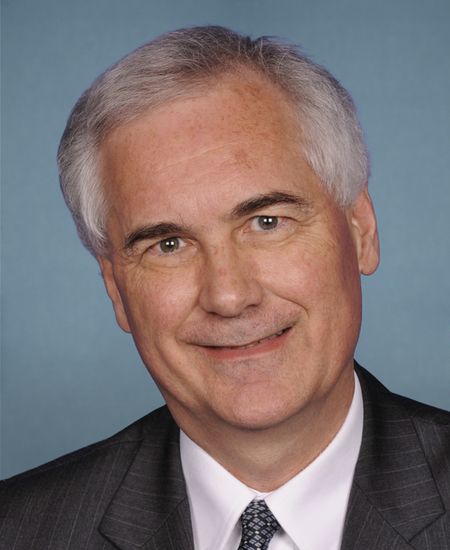
Tom McClintock
Tom McClintock House · District 5
R
Oppose
31% 190
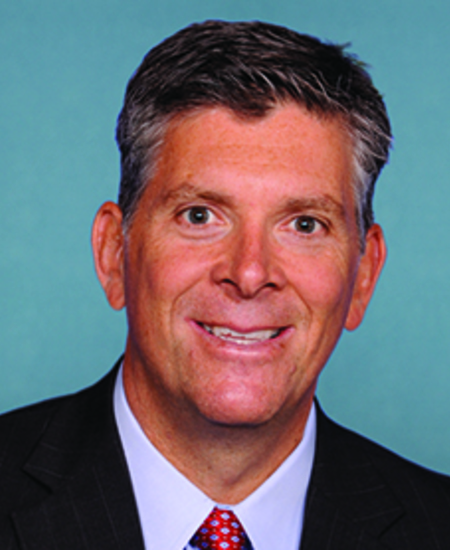
Darin LaHood
Darin LaHood House · District 16
R
Oppose
33% 175
Showing 271–280 of 1,543 bills

All labor & employment bills

in committee · United States · House May 15, 2026

HR 8868: Restoring Overtime Pay Act of 2026

The Restoring Overtime Pay Act of 2026 raises the minimum salary required for certain employees to be exempt from federal overtime pay rules, starting at $45,000 per year and increasing annually until it reaches $75,000 by 2029. The bill also mandates that this threshold automatically updates each year to match the 55th percentile of weekly earnings for full-time salaried workers nationwide, with adjustments taking effect based on Bureau of Labor Statistics data. Additionally, the law modifies the duties test for exemption, requiring that at least 20 percent of an employee's time be spent on executive or administrative tasks rather than the current 40 percent standard. These changes directly affect employers and workers covered by the Fair Labor Standards Act by redefining eligibility for overtime exemptions and establishing a new mechanism for adjusting salary requirements over time.
in committee · United States · House May 20, 2026

HR 8844: U.S. Customs and Border Protection Officer Retirement Technical Corrections Act

This bill, known as the U.S. Customs and Border Protection Officer Retirement Technical Corrections Act, corrects retirement benefits for specific officers who were offered jobs before July 6, 2008, but started working on or after that date. It ensures these officers are treated as if they were already serving on July 6, 2008, granting them a minimum annuity amount and an exemption from mandatory retirement age. To implement these changes, the Department of Homeland Security must create a list of affected individuals, notify them of their new benefits, and work with the Office of Personnel Management to apply retroactive adjustments. Additionally, the bill requires the Government Accountability Office to review hiring practices related to these benefits and submit a report to Congress within 18 months.
in committee · United States · House May 21, 2026

HR 9008: Worker Rights and Support Act

The Worker Rights and Support Act amends the Fair Labor Standards Act to require employers to provide specific break times for employees, directly affecting workers covered under federal wage and hour laws. Under the new rules, employees must receive at least a 30-minute meal break for every six hours worked, along with a 10-minute break or time to use a restroom for every four hours, and up to 20-minute breaks for medical needs. While meal breaks can be unpaid if the employee is fully relieved of work, any break where the employee remains on duty or cannot leave the site must be paid at a rate of at least one and a half times their regular wage. The bill also allows employees to voluntarily waive meal breaks but prohibits employers from forcing them to do so, and it ensures that existing collective bargaining agreements or state laws offering better protections remain in effect.
in committee · United States · House Apr 16, 2026

HR 8335: PROTECT Act of 2026

The PROTECT Act of 2026 modifies rules for H-1B visa petitions to ensure higher wages and stricter oversight for third-party work arrangements. It requires employers to pay H-1B workers at least the higher of the local market rate or $100,000, adjusted annually for inflation, and limits visas for those working at third-party sites to a maximum of one year unless the job assignment is clearly defined and long-term. Additionally, the bill mandates that visa petitions offering higher compensation be prioritized for approval regardless of filing date. A separate provision exempts health care workers from certain filing fees if the employer can prove they made a good faith effort to hire a U.S. citizen or permanent resident before bringing in foreign staff. These changes apply to all H-1B visa petitions filed on or after the date the law is enacted.
in committee · United States · House Apr 23, 2026

HR 8484: Hazard Pay for Health Care Heroes Act

The Hazard Pay for Health Care Heroes Act establishes a grant program to provide financial compensation and safety resources to essential health care workers during declared emergencies or disasters. This legislation directly affects medical providers, support staff, and other frontline workers whose jobs cannot be performed remotely, such as orderlies and janitors in health care settings. Under the bill, eligible facilities can receive federal funds to pay workers an additional hourly rate of up to $13 for hazardous duties, with a yearly cap of $25,000 per employee, while also allowing funds for protective equipment and alternative transportation. The program is triggered by various federal or state emergency declarations and authorizes the necessary funding to implement these hazard pay measures.
in committee · United States · House May 14, 2026

HR 8832: Supporting Women COPS Act of 2026

The Supporting Women COPS Act of 2026 creates a 12-member Task Force to study and recommend national hiring standards for law enforcement that do not disadvantage women based on sex. This group will also provide advice on improving retention for female officers and helping them advance to leadership positions. States that adopt these recommendations will receive an additional 5 percent of their federal crime control funding, and the Attorney General will offer technical assistance to help states implement the standards. The Task Force must submit its findings and recommendations to Congress within 18 months of the bill's enactment.
Sub-Topics Law Enforcement
in committee · United States · House May 19, 2026

HRES 1301: Supporting the designation of May 29, 2026, as "Mental Health Awareness in Agriculture Day" to raise awareness around mental health in the agricultural industry and workforce and to continue to reduce stigma associated with mental illness.

This resolution designates May 29, 2026, as "Mental Health Awareness in Agriculture Day" to highlight mental health issues within the farming and agricultural workforce. It aims to reduce the stigma surrounding mental illness by acknowledging the unique stressors faced by producers and workers, such as unpredictable weather, labor shortages, and market fluctuations. The bill also draws attention to available support resources, specifically the Farm and Ranch Stress Assistance Network, and encourages the public to observe the day as a way to promote well-being in the industry.
Sub-Topics Mental Health Tags Agriculture
in committee · United States · House May 7, 2026

HR 8683: To amend the Immigration and Nationality Act to codify the Optional Practical Training program.

This bill aims to make permanent the rules for Optional Practical Training, which allows international students to work in the United States after completing their studies. It directly affects F-1 visa holders by codifying their ability to gain up to 24 months of work experience related to their field of study, or up to 48 months if they studied science, technology, engineering, or mathematics. The legislation also directs the Department of Homeland Security to classify nursing as a STEM field, thereby extending the longer work authorization period to nursing graduates. By adding these provisions to federal law, the bill ensures that these work opportunities remain consistent and legally defined for future students.
in committee · United States · House Apr 23, 2026

HR 8490: Social Security Caregiver Credit Act of 2026

This bill creates a Social Security credit system for unpaid family caregivers who provide care to chronically dependent relatives, allowing them to earn credits toward future retirement benefits. It defines qualifying months as those where a caregiver spends at least 80 hours providing care to a child under 12 or an adult with significant daily living limitations without receiving monetary compensation. The legislation would credit these caregivers with up to 60 months of deemed wages, calculated as 50% of the national average wage index, starting in 2027, to help increase their future Social Security benefits. Caregivers must submit applications with documentation from physicians for adult dependents and certify their caregiving status annually. The bill requires the Social Security Administration to establish regulations and verification procedures to prevent fraud and abuse within one year of enactment.
in committee · United States · House Mar 24, 2026

HR 8060: Elder Justice Reauthorization and Modernization Act of 2026

The Elder Justice Reauthorization and Modernization Act of 2026 extends federal funding through 2030 to prevent and investigate elder abuse, neglect, and exploitation. The bill primarily affects states, Indian tribes, and community organizations by providing grants to train nursing home workers and improve retention through wage subsidies, tuition assistance, and childcare support. It also allocates money to expand adult protective services, strengthen long-term care ombudsman programs, and address social isolation among older adults. Additionally, the legislation authorizes medical-legal partnerships to help older adults resolve legal barriers to healthcare and requires regular reporting on program effectiveness.
Sub-Topics Long-Term Care
Showing 271 to 280 of 1,543 bills
Previous 1 27 28 29 155 Next