Issue · Labor & Employment

Labor & Employment (Collective Bargaining)

Every labor & employment bill, vote, and legislator stance in United States, automatically classified by Maddy, our AI policy reader.

Total bills
29
119th Congress
Top supporter
Adam Gray
100% support rate
Top opponent
Chip Roy
0% support rate
Ranked legislators
10
5 support · 5 oppose
Key legislators

Who's moving collective bargaining in United States

Legislators moving collective bargaining in United States
Legislator Party Stance Support rate Votes
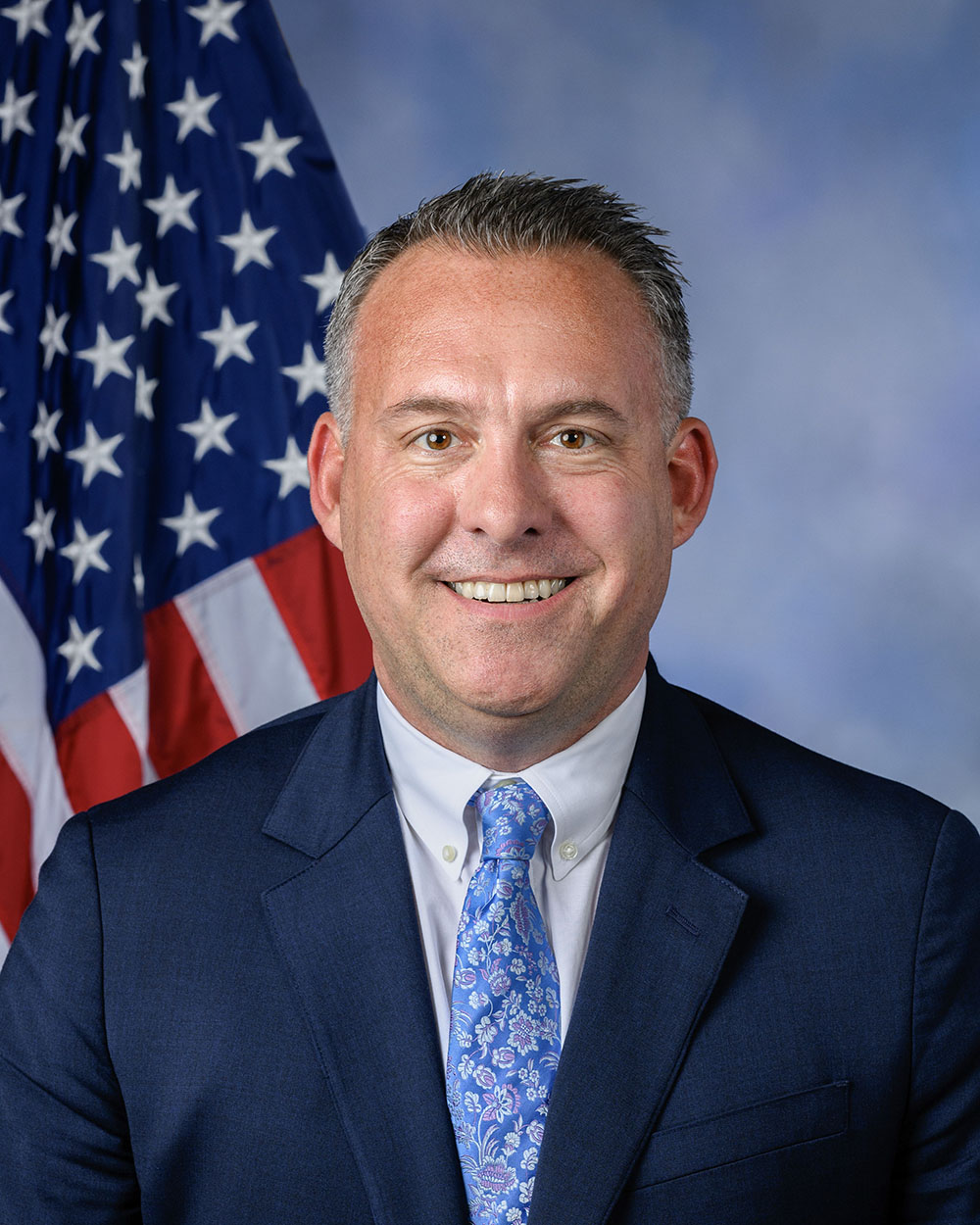
Adam Gray
Adam Gray House · District 13
D
Strong +
100% 7
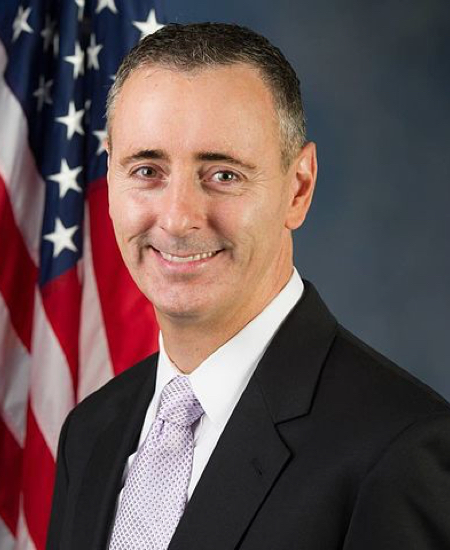
Brian K. Fitzpatrick
Brian K. Fitzpatrick House · District 1
R
Strong +
100% 7
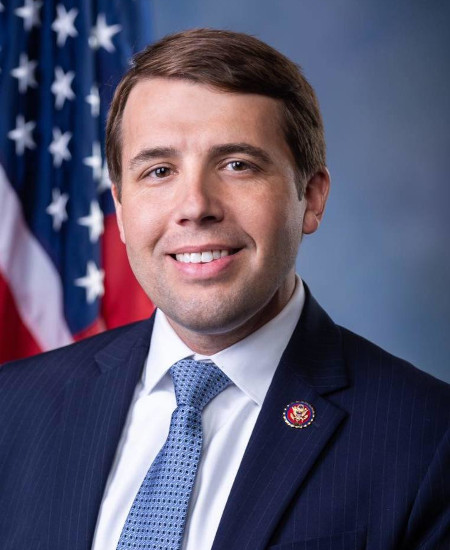
Brittany Pettersen
Brittany Pettersen House · District 7
D
Strong +
100% 7
Chris Pappas
Chris Pappas House · District 1
D
Strong +
100% 7
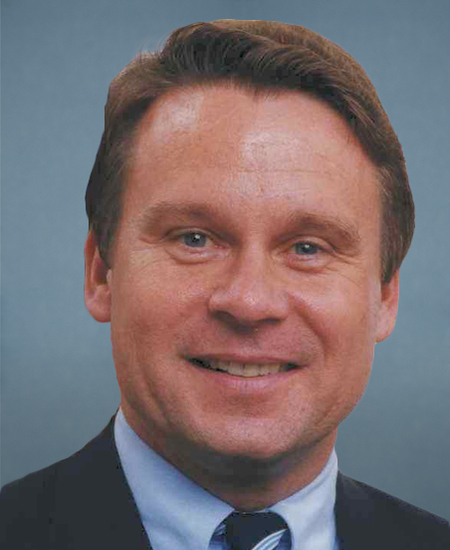
Christopher H. Smith
Christopher H. Smith House · District 4
R
Strong +
100% 7
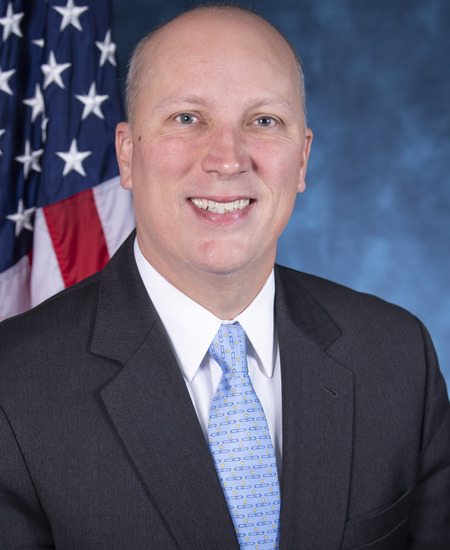
Chip Roy
Chip Roy House · District 21
R
Strong −
0% 7
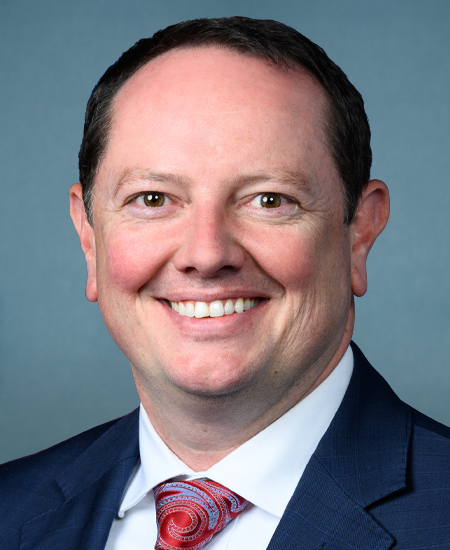
Eric Burlison
Eric Burlison House · District 7
R
Strong −
0% 7
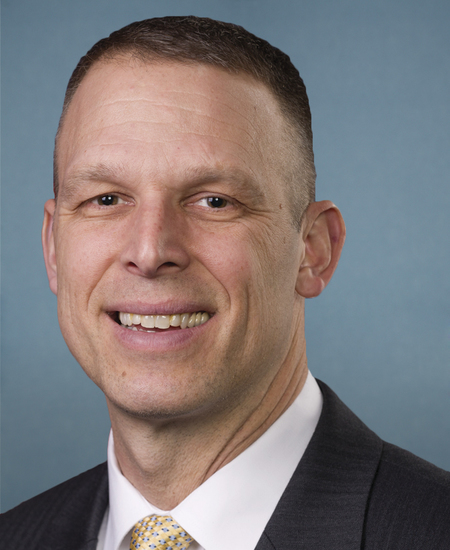
Scott Perry
Scott Perry House · District 10
R
Strong −
0% 7
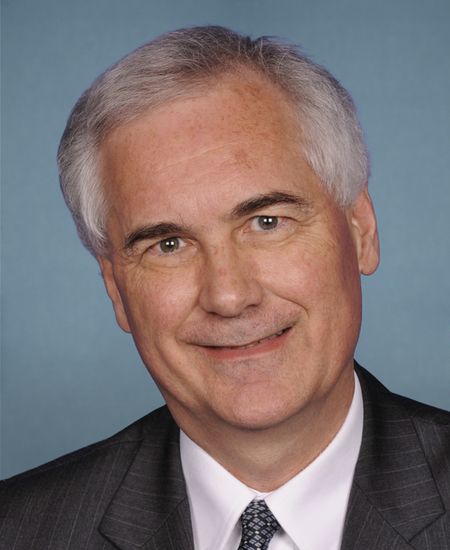
Tom McClintock
Tom McClintock House · District 5
R
Strong −
0% 7
Celeste Maloy
Celeste Maloy House · District 2
R
Strong −
0% 6
Showing 11–20 of 29 bills

All labor & employment bills

in committee · United States · House Jul 16, 2025

HR 4424: SHIELD Act

The SHIELD Act would change unemployment benefit eligibility by barring workers from receiving regular unemployment compensation if they are unemployed due to a strike or labor dispute they are participating in, financially supporting, or have a direct interest in (excluding lockouts). This rule would require states to adjust their unemployment programs to deny benefits in such cases. The changes would take effect two years after the bill becomes law, though states could choose to implement them sooner. The bill also repeals a federal tax provision related to unemployment tax rates, but this is a secondary provision.
in committee · United States · House Mar 25, 2025

HR 2249: Preserving Presidential Management Authority Act

HR 2249, the "Preserving Presidential Management Authority Act," gives a newly elected president the authority to terminate specific provisions of existing federal employee union contracts upon taking office. It allows the president (via agency heads) to end parts of these contracts that conflict with presidential orders, executive actions, or agency rules, making such conflicting contract terms unenforceable. The bill requires agencies to notify unions in writing when such terminations or conflicts are applied. This applies only to new presidents, not sitting ones, and directly affects federal agencies and their unionized employees by altering the enforceability of their existing collective bargaining agreements.
in committee · United States · House Jul 23, 2025

HR 4658: STUDENT Act

HR 4658, the STUDENT Act, would impose new requirements on the National Education Association (NEA) to maintain its federal charter. The bill mandates explicit employee consent for membership dues (ending automatic payroll deductions), prohibits the NEA from engaging in political activities or lobbying, and bans the promotion of specific beliefs (such as claims that the U.S. is fundamentally racist) in schools. It also repeals the NEA's property tax exemption in the District of Columbia and requires the organization to comply with anti-discrimination rules and labor laws. These changes directly affect the NEA and its state/local affiliates, altering how they operate and interact with public schools.
in committee · United States · House Mar 25, 2025

HR 1210: Protecting Taxpayers’ Wallets Act of 2025

HR 1210, the Protecting Taxpayers’ Wallets Act of 2025, requires federal agency labor unions recognized as exclusive representatives to pay quarterly fees for using agency resources. These fees cover the value of union time (hours spent on union work during work hours) and agency resources like office space or equipment, calculated using agency pay rates and GSA/market values. Unions must pay fees within 60 days of notice, with penalties including denied union time after 90 days, termination of union certification after 365 days, and fines accruing interest. The bill directly affects federal labor unions representing agency employees, mandating payment for resource use to reduce taxpayer costs.
in committee · United States · Senate Apr 7, 2025

S 1313: No Union Time on the Taxpayer's Dime Act

This bill eliminates "official time" for federal employees, meaning they can no longer use regular work hours to perform union-related activities. It directly affects federal workers who are union members, requiring them to handle union business during non-duty time instead of paid work hours. The key provision amends Title 5 of the U.S. Code to change the rule governing union activities during work time. This is a procedural change to federal employment law, not a new policy affecting the public or specific industries.
in committee · United States · House Nov 19, 2025

HR 6142: Ask the Union Members Act

This bill requires unions to obtain direct member approval for two key actions: ratifying new collective bargaining agreements and authorizing strikes. Specifically, it mandates that unions must hold a secret ballot vote where a majority of members in good standing approve the agreement (after providing it to members at least 72 hours before the vote) before executing a contract. Similarly, unions must secure a majority secret ballot vote from members to authorize a strike. The changes take effect 18 months after the bill becomes law, directly affecting union members' voting rights and union leadership's procedural requirements.
in committee · United States · House Feb 12, 2025

HR 1232: National Right-to-Work Act

HR 1232, the National Right-to-Work Act, would make union membership voluntary for workers in most private-sector jobs by removing legal requirements for employees to join a union or pay dues as a condition of employment. It directly affects workers in unionized workplaces covered by the National Labor Relations Act (including most private employers) and railroad workers covered by the Railway Labor Act. The key change eliminates provisions that allowed "union security agreements" (requiring dues or membership), meaning workers could no longer be forced to pay union fees to keep their jobs. This bill does not change other labor rights or create new programs - it only modifies existing laws to allow workers to opt out of union membership and financial obligations.
in committee · United States · Senate Nov 5, 2025

S 3111: Small Businesses before Bureaucrats Act

The Small Businesses before Bureaucrats Act raises the dollar threshold that determines when the National Labor Relations Board (NLRB) declines jurisdiction over labor disputes involving small businesses. Starting in 2026, the threshold will be set at 10 times the current threshold, and for future years, it will adjust annually using the Personal Consumption Expenditure Per Capita Index to account for inflation. This change means more small businesses will fall below the threshold and avoid NLRB oversight for labor disputes, directly affecting small business owners and the NLRB's jurisdictional decisions. The bill takes effect on or after January 1, 2026, or the bill's enactment date, whichever is later.
Sub-Topics Collective Bargaining Gig Economy Labor Standards Tags Small Business
in committee · United States · Senate Feb 11, 2025

S 511: Protecting Taxpayers’ Wallets Act of 2025

S 511 requires federal labor organizations (like unions representing government employees) to pay quarterly fees for using agency resources and union time. Fees are calculated based on the agency's hourly pay rate for employees (including benefits) for union time, plus market rates for resources like office space, equipment, or parking. Non-payment triggers penalties: denial of union time after 90 days, termination of union allotments after 180 days, and loss of exclusive representation certification after 365 days. The bill aims to offset costs of federal resources used for union activities, with fees deposited into the Treasury general fund.
in committee · United States · House Aug 26, 2025

HR 5054: Freedom From Union Violence Act of 2025

HR 5054 amends federal law to clarify that using threats or violence to interfere with commerce (including labor disputes) is a crime, but exempts peaceful picketing and minor incidents during labor disputes. The bill specifically states that minor bodily injury, property damage, or threats related to such activities - when not part of coordinated violence - do not violate the law. It also specifies that state and local authorities, not federal prosecutors, handle cases involving these exempted activities. The law explicitly preserves existing labor protections under the National Labor Relations Act and other federal statutes.
Showing 11 to 20 of 29 bills