Issue · Labor & Employment

Labor & Employment (Labor Standards)

Every labor & employment bill, vote, and legislator stance in United States, automatically classified by Maddy, our AI policy reader.

Total bills
295
119th Congress
Top supporter
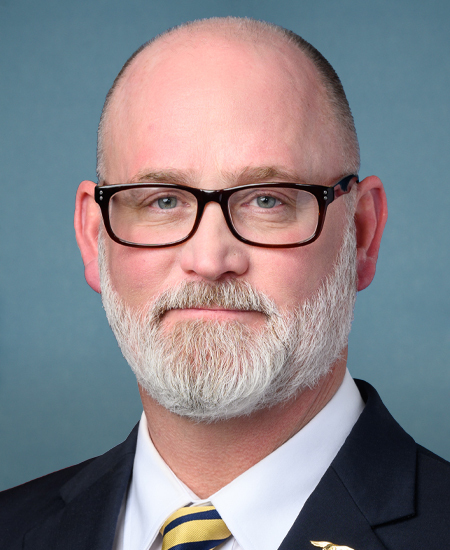
Derrick Van Orden
100% support rate
Top opponent
Julie Fedorchak
33% support rate
Ranked legislators
10
5 support · 5 oppose
Key legislators

Who's moving labor standards in United States

Legislators moving labor standards in United States
Legislator Party Stance Support rate Votes
Derrick Van Orden
Derrick Van Orden House · District 3
R
Strong +
100% 3
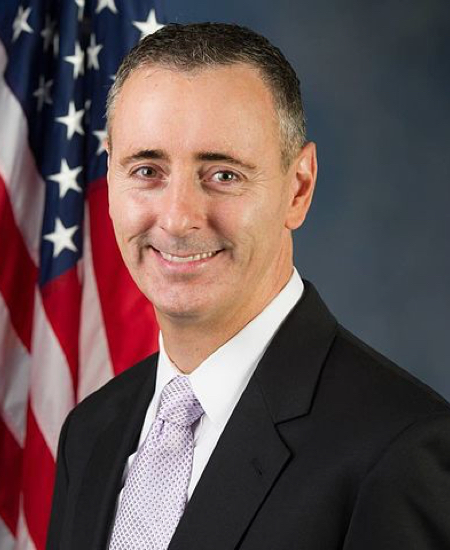
Brian K. Fitzpatrick
Brian K. Fitzpatrick House · District 1
R
Strong +
86% 7
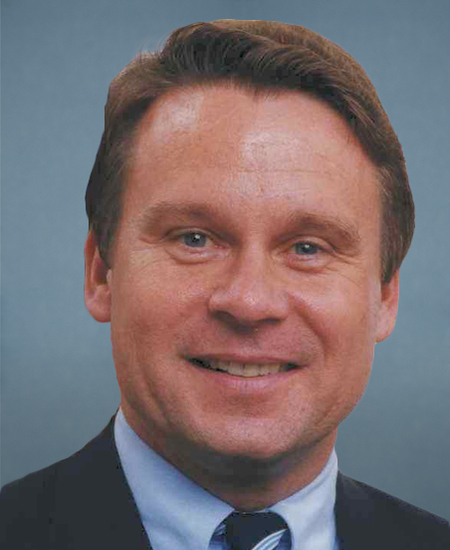
Christopher H. Smith
Christopher H. Smith House · District 4
R
Strong +
86% 7
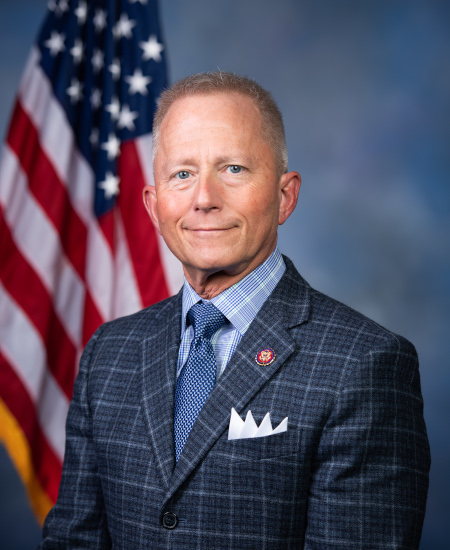
Jefferson Van Drew
Jefferson Van Drew House · District 2
R
Strong +
86% 7
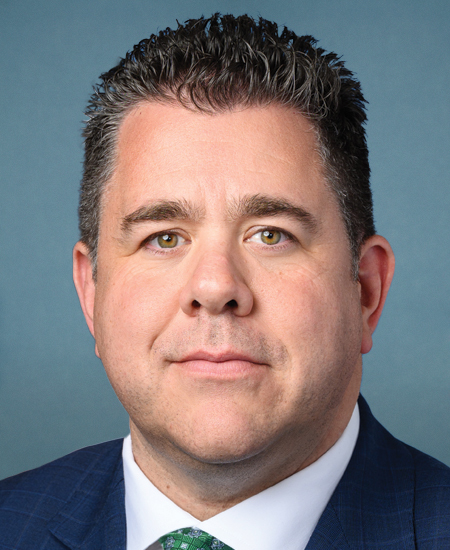
Nick LaLota
Nick LaLota House · District 1
R
Strong +
86% 7
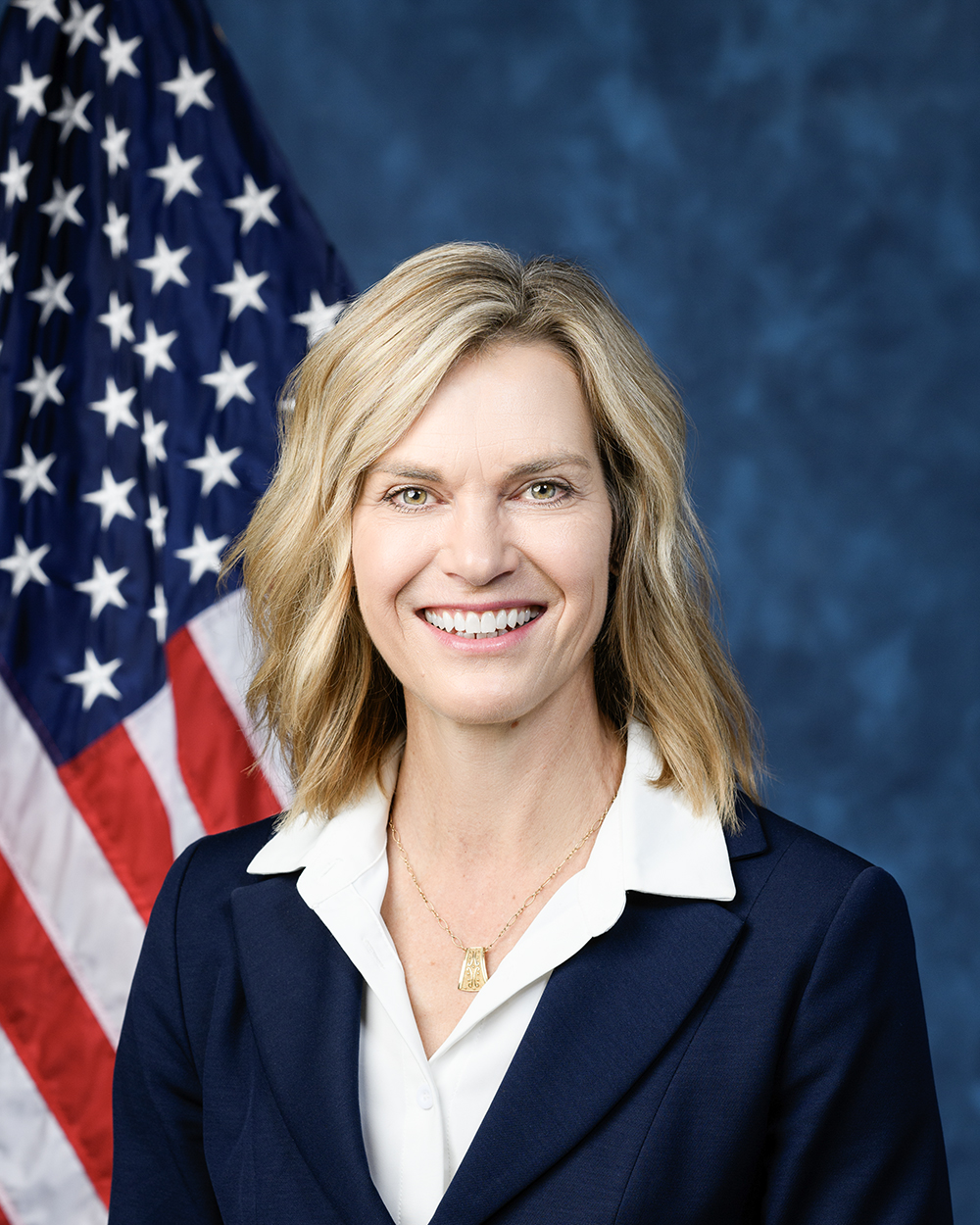
Julie Fedorchak
Julie Fedorchak House · District At-Large
R
Oppose
33% 6
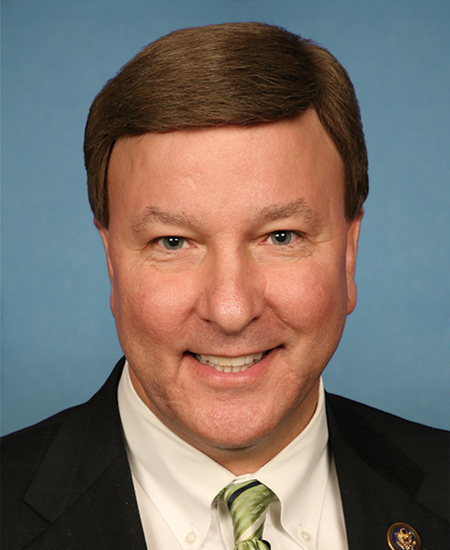
Mike Rogers
Mike Rogers House · District 3
R
Oppose
33% 6
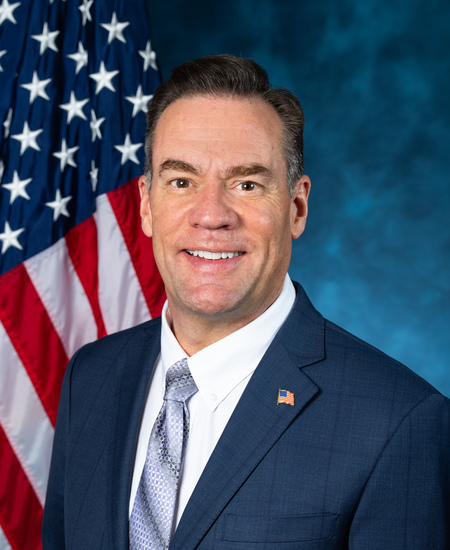
Russ Fulcher
Russ Fulcher House · District 1
R
Oppose
33% 6
Gregory F. Murphy
Gregory F. Murphy House · District 3
R
Oppose
33% 3
Wesley Hunt
Wesley Hunt House · District 38
R
Oppose
33% 3
Showing 171–180 of 295 bills

All labor & employment bills

in committee · United States · House Apr 30, 2025

HR 3090: I–PLAN Act of 2025

The I-PLAN Act of 2025 establishes an Interstate Paid Leave Action Network (I-PLAN) to coordinate state paid family and medical leave programs across state lines. It requires participating states to develop a standardized interstate agreement covering key elements like benefit calculations, eligibility rules, and administrative processes to simplify compliance for employers and employees working in multiple states. The bill creates a national intermediary to support I-PLAN activities, including developing technology systems for processing cross-state leave claims and producing annual reports comparing state programs. States with existing paid leave programs can receive federal grants to help implement the agreement and cover administrative costs, with funding authorized for fiscal years 2026-2028. This legislation directly affects states, employers operating across state lines, and employees who work in multiple states.
in committee · United States · House Apr 1, 2025

HR 2531: Workplace Violence Prevention for Health Care and Social Service Workers Act

Workplace Violence Prevention for Health Care and Social Service Workers Act This bill requires the Department of Labor to address workplace violence in health care, social service, and similar sectors. Specifically, Labor must issue an occupational safety and health standard that requires certain employers to take actions to protect workers and other personnel from workplace violence. The standard applies to employers in the health care sector, in the social service sector, and in sectors that conduct activities similar to those in the health care and social service sectors. Among other elements, the standard must require each employer to (1) develop a workplace violence prevention plan, (2) promptly investigate incidents of workplace violence, and (3) provide relevant training and education to employees.  The bill requires certain hospitals and skilled nursing facilities to comply with this standard as a condition of Medicare participation.
in committee · United States · Senate Jul 28, 2025

S 2481: Pay Teachers Act

The Pay Teachers Act requires states to ensure public school teachers earn a minimum starting salary of $60,000 that increases with experience, and paraprofessionals and education support staff earn at least $45,000 annually or $30 per hour. The bill provides mandatory federal funding to support these salary increases and requires states to develop implementation plans within 4 years (with possible extensions for states facing financial challenges). It also establishes career ladder programs that allow teachers to earn additional compensation for taking on leadership roles and responsibilities. This legislation directly affects all public school teachers, paraprofessionals, and education support staff nationwide, as well as state and local education agencies responsible for implementing the changes.
in committee · United States · House Jul 25, 2025

HR 4763: PTO Act

HR 4763, the PTO Act, requires most employers to provide employees with at least 1 hour of paid annual leave for every 25 hours worked, with a maximum of 80 hours per year. It applies to private-sector workers and certain government employees, protecting their right to use paid leave for any purpose without disclosing the reason. The bill mandates employers to maintain health benefits during leave, allow carryover of up to 40 hours of unused leave, and pay out unused leave upon separation. It also prohibits employers from discriminating against employees for using paid leave or requiring them to find replacements while on leave. The law includes enforcement mechanisms, allowing employees to file complaints with the Department of Labor or pursue private lawsuits.
in committee · United States · House Apr 30, 2025

HR 3089: More Paid Leave for More Americans Act

This bill establishes a federal grant program to help states create or improve paid family leave programs that provide at least 6 weeks of paid leave for new parents (for birth or adoption). States with existing programs can apply for grants to fund implementation, improve access for low-income workers, and coordinate with other states through a new Interstate Paid Leave Action Network. The grants can be used for program design, technology, outreach, and administrative costs, with states required to meet specific benefit standards including income-based calculations (higher percentages for lower-income workers). The bill aims to increase access to paid family leave for workers across states by standardizing and coordinating state programs through the new interstate network.
in committee · United States · Senate Jul 8, 2025

S 2210: Unlocking Benefits for Independent Workers Act

This bill changes how federal law determines if an independent worker (like a freelancer or gig worker) is classified as an employee. It prevents employers from using portable benefits (such as health insurance or retirement plans maintained without ongoing work) as a factor in that determination. Specifically, it prohibits considering whether a worker has access to benefits common to full-time employees, receives employer contributions to benefits, or contributes to benefits. As a result, independent workers who currently lack employee status for benefits may become eligible for protections like minimum wage, overtime, and unemployment insurance under federal law.
in committee · United States · House Mar 25, 2025

HR 2174: Paycheck Protection Act

HR 2174, the Paycheck Protection Act, prohibits federal agencies and the U.S. Postal Service from deducting labor organization dues, fees, or political contributions from employee paychecks. This bill directly affects federal employees and postal workers by ensuring these amounts are no longer withheld from their earnings. The key provision amends existing laws (Title 5 U.S.C. § 7115 and Title 39 U.S.C. § 1205) to explicitly ban such deductions. It does not change existing tax treatment of union dues or affect private-sector workers.
in committee · United States · Senate Jan 22, 2025

S 189: CONSTRUCTS Act of 2025

The CONSTRUCTS Act of 2025 establishes a federal grant program to fund training programs for residential construction careers at rural community colleges and similar institutions. It prioritizes serving rural communities and underserved populations - including low-income individuals, veterans, and groups with historically low construction industry employment - through competitive grants. Grantees must create or expand training in specific trades (like carpentry, plumbing, and electrical work), form partnerships with construction businesses to ensure fair wages, and offer flexible scheduling and job placement support. The program authorizes $20 million annually from 2025 to 2029 to increase skilled construction workers and support affordable housing development.
in committee · United States · Senate Jan 13, 2026

S 3626: Federal Correctional Officer Paycheck Protection Act of 2026

This bill increases base pay for Federal correctional officers by 35% above their current General Schedule or law enforcement officer rates, replacing their existing base pay for all compensation purposes. It directly affects Bureau of Prisons correctional officers whose duties involve inmate custody, control, or routine direct contact in custodial settings, including certain supervisory roles. The pay increase is capped at the rate for Executive Schedule Level V (for officers) or Level IV (for Federal Wage System employees), and expires after five years unless the Department of Justice Inspector General certifies progress in reducing non-custodial staff "augmentation" and excessive overtime. The law requires a review 180 days before expiration to assess staffing changes and impacts on recruitment, retention, and safety.
in committee · United States · House Jul 23, 2025

HR 4740: No Tax on Overtime for All Workers Act

This bill creates a federal tax deduction for certain overtime pay, making it non-taxable for eligible workers. It directly affects employees who earn overtime under the Fair Labor Standards Act (FLSA) or as specified in binding collective bargaining agreements, specifically pay exceeding 40 hours per workweek at 1.5x their regular rate. The key provision amends tax law to exclude this defined "qualified overtime compensation" from taxable income, removing federal income tax liability for those specific overtime earnings. The change applies to tax years beginning after December 31, 2024.
Showing 171 to 180 of 295 bills
Previous 1 17 18 19 30 Next