Issue · Labor & Employment

Labor & Employment

Every labor & employment bill, vote, and legislator stance in United States, automatically classified by Maddy, our AI policy reader.

Total bills
1,543
119th Congress
Top supporter
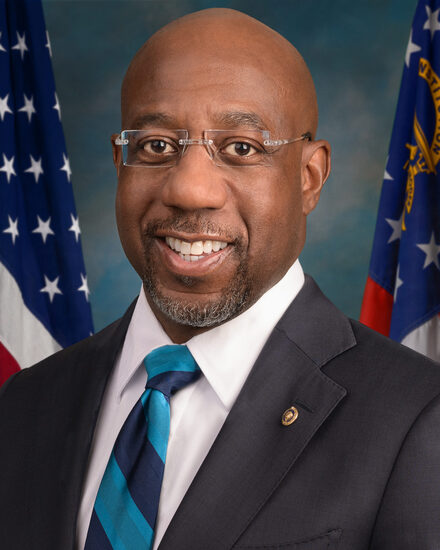
Raphael G. Warnock
100% support rate
Top opponent
Eric Burlison
31% support rate
Ranked legislators
10
5 support · 5 oppose
Key legislators

Who's moving labor & employment in United States

Legislators moving labor & employment in United States
Legislator Party Stance Support rate Votes
Raphael G. Warnock
Raphael G. Warnock Senate
D
Strong +
100% 211
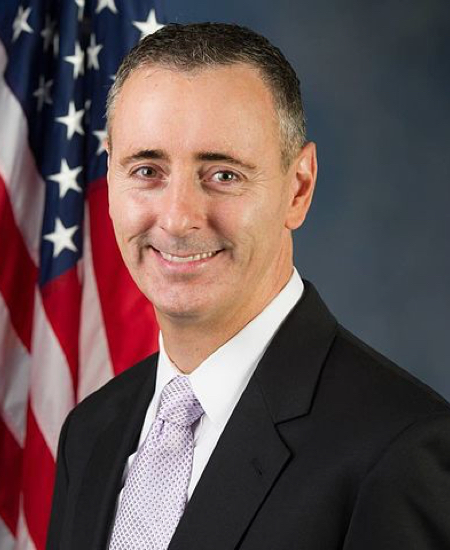
Brian K. Fitzpatrick
Brian K. Fitzpatrick House · District 1
R
Strong +
92% 194
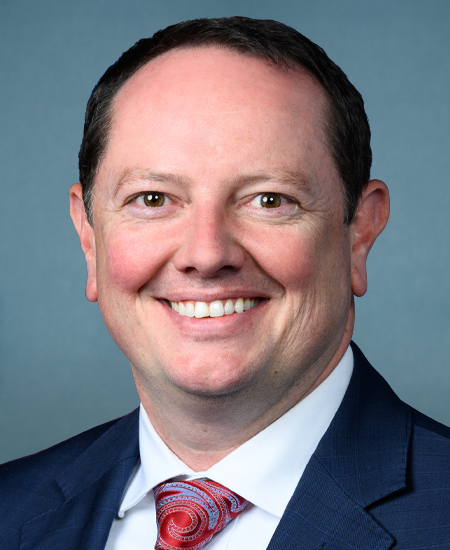
Robert P. Bresnahan, Jr.
Robert P. Bresnahan, Jr. House · District 8
R
Strong +
92% 197
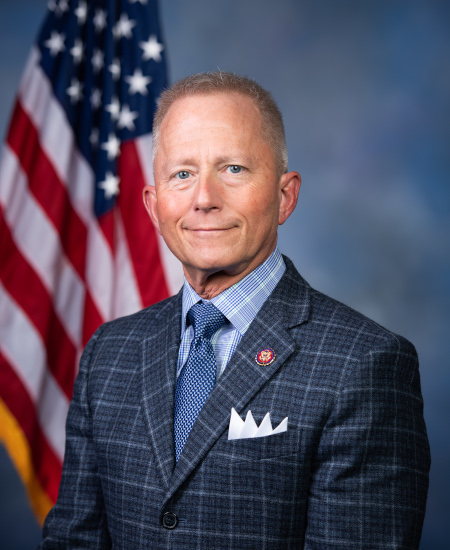
Jefferson Van Drew
Jefferson Van Drew House · District 2
R
Strong +
92% 197
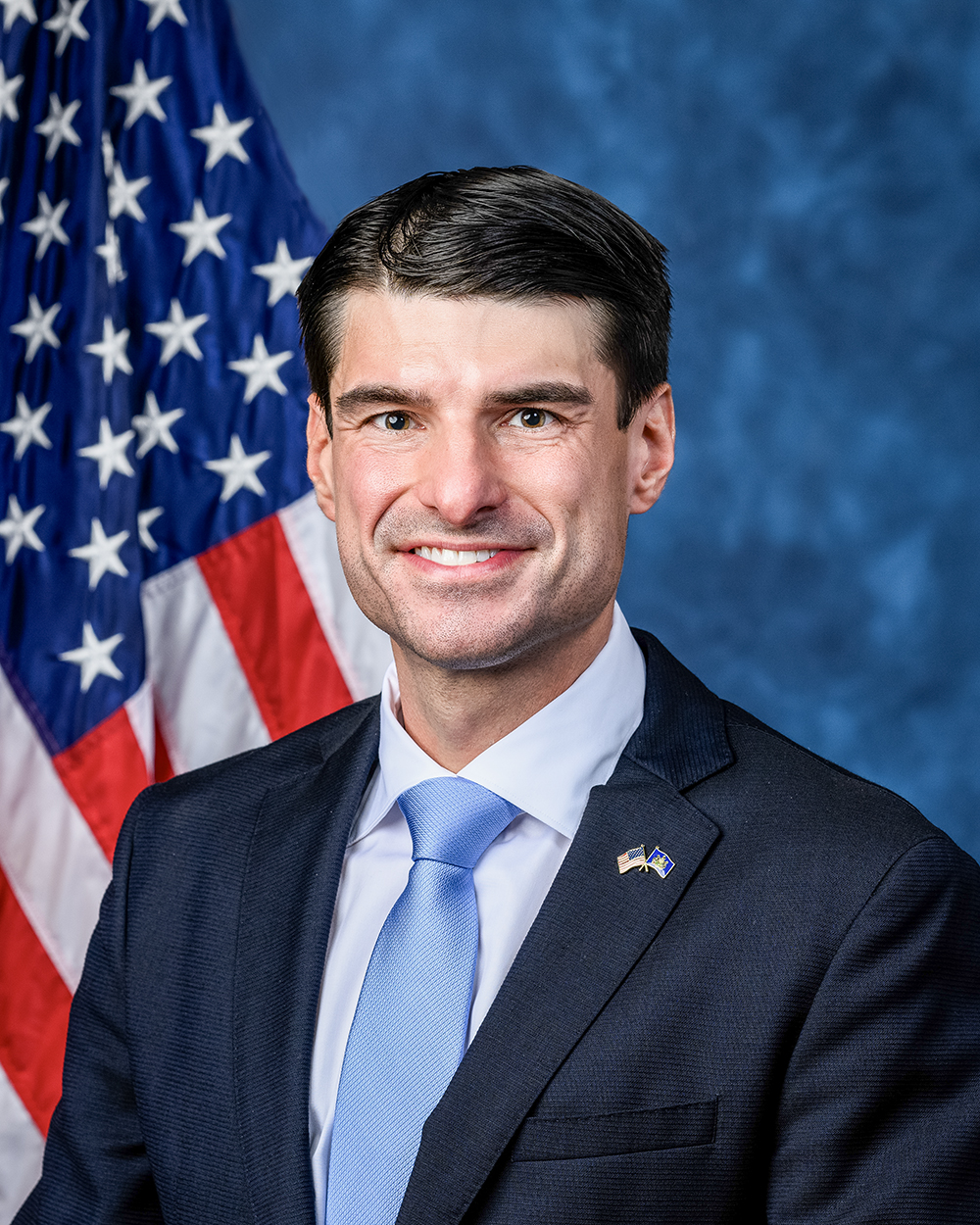
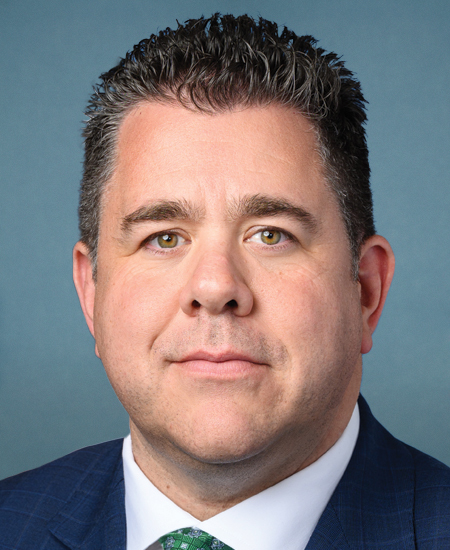
Nick LaLota
Nick LaLota House · District 1
R
Strong +
92% 195
Eric Burlison
Eric Burlison House · District 7
R
Oppose
31% 197
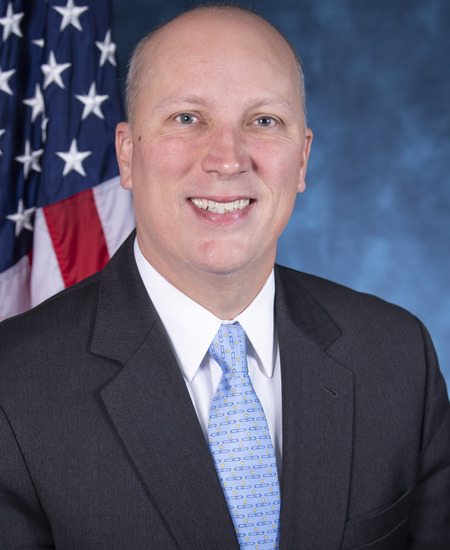
Chip Roy
Chip Roy House · District 21
R
Oppose
31% 190
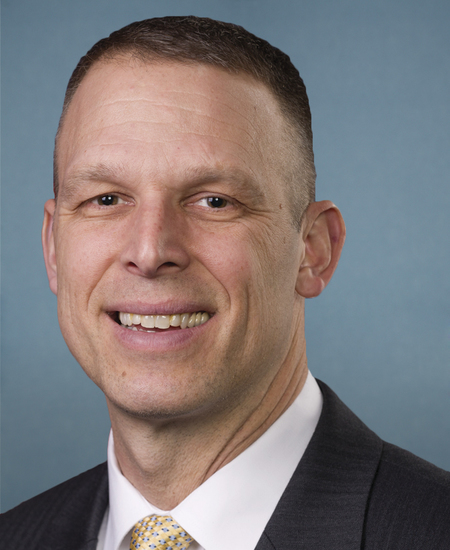
Scott Perry
Scott Perry House · District 10
R
Oppose
31% 194
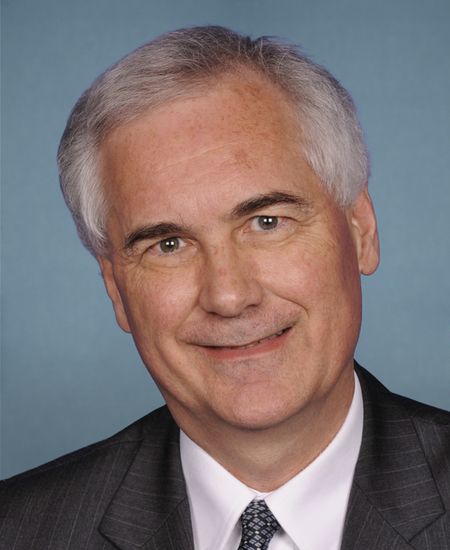
Tom McClintock
Tom McClintock House · District 5
R
Oppose
31% 190
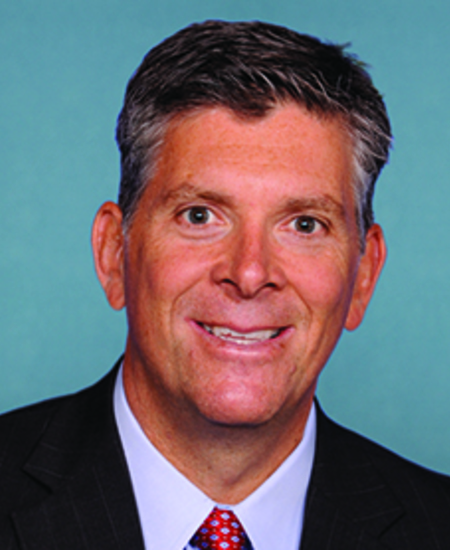
Darin LaHood
Darin LaHood House · District 16
R
Oppose
33% 175
Showing 1,471–1,480 of 1,543 bills

All labor & employment bills

in committee · United States · Senate Apr 8, 2025

S 1352: Public Service Freedom to Negotiate Act of 2025

The Public Service Freedom to Negotiate Act of 2025 establishes federal minimum standards for collective bargaining rights for public employees and supervisory employees. The Federal Labor Relations Authority will determine if states' laws "substantially provide" these rights, and if not, the federal standards will apply to affected workers. The bill guarantees rights like forming labor organizations, negotiating wages and working conditions, and resolving disputes through mediation or arbitration, while prohibiting strikes that would disrupt emergency services. Existing collective bargaining agreements and units are protected from the bill's implementation.
in committee · United States · Senate Mar 5, 2025

S 852: Richard L. Trumka Protecting the Right to Organize Act of 2025

This bill, the Richard L. Trumka Protecting the Right to Organize Act of 2025, aims to strengthen workers' rights to organize and bargain collectively. It would make it harder for employers to classify workers as independent contractors by changing the definition of "employee," restricts employers from threatening to permanently replace workers who strike, and prohibits them from requiring employees to give up their right to pursue class or collective claims. The bill also changes election procedures to make it easier for workers to form unions, requires employers to post notices about workers' rights in conspicuous locations, and increases penalties for unfair labor practices. It directly affects employers and workers across various industries by altering the landscape of labor organizing and collective bargaining.
in committee · United States · House Oct 14, 2025

HR 5761: Fair Warning Act of 2025

The Fair Warning Act of 2025 requires employers with 50 or more employees (or $2 million+ annual payroll) to provide 90 days' written notice before site closings or mass layoffs. This notice must include details about the layoff, recall dates, available benefits, and job opportunities at other locations, and must be provided to affected employees, state workforce agencies, and local governments. Exceptions include natural disasters, terrorist attacks, public health emergencies, and situations where new business or financing would be jeopardized by the notice. The bill creates a public database tracking all notices and increases penalties for non-compliance, including liquidated damages equal to 30 days of back pay.
in committee · United States · House May 15, 2025

HR 3438: Fair Wage Act of 2025

HR 3438, the Fair Wage Act of 2025, establishes a regional minimum wage tied to cost of living, directly affecting most covered workers across the U.S. The bill sets the minimum wage for each metropolitan area or nonmetropolitan region as a percentage (starting at 40%) of the national average hourly wage for private non-supervisory workers, adjusted by regional price parity (ranging from 87.5% to 115% based on local costs). It phases in higher percentages over time (45% after 1 year, 50% after 5 years) and requires tipped employees to receive cash wages equal to 30% of this regional minimum, while setting a new minimum for workers aged 18 or younger at two-thirds of the regional rate. The law takes effect three months after enactment.
in committee · United States · House Mar 21, 2025

HR 2241: Secret Ballot Protection Act

The Secret Ballot Protection Act requires that workers choose their labor union representative through a secret ballot election conducted by the National Labor Relations Board (NLRB), replacing private agreements between employers and unions. It amends the National Labor Relations Act to mandate secret ballot elections for both initial union recognition and decertification (removing a union as representative), ensuring workers' choices remain free from employer influence. The law applies only to new or changed representation relationships after its enactment, leaving existing union contracts unaffected. The NLRB must update its regulations within six months to implement these changes.
in committee · United States · House Feb 18, 2025

HR 1424: To amend the Internal Revenue Code of 1986 to increase the employer tax credit for paid family and medical leave.

HR 1424 increases the employer tax credit for providing paid family and medical leave under the Internal Revenue Code. It doubles the credit percentages - from 12.5% to 25% for smaller employers and 25% to 50% for larger employers - and makes the credit permanent by removing its temporary sunset provision. This bill directly affects employers who offer paid leave benefits, reducing their tax burden for providing such coverage. The changes apply to taxable years beginning after December 31, 2025.
in committee · United States · House Jun 17, 2025

HR 4050: Advancing Skills-Based Hiring Act of 2025

HR 4050, the Advancing Skills-Based Hiring Act of 2025, creates a voluntary program allowing employers with over 100 employees to submit validation evidence for skills-based hiring assessments to the Equal Employment Opportunity Commission (EEOC). Employers can request an EEOC determination confirming their assessments are job-related and consistent with business necessity under federal law, with a fee required for review. If approved, employers gain a legal "safe harbor" to defend against discrimination claims related to those assessments. The bill requires employers to include adverse impact data in submissions but protects submitted information from future enforcement actions or court use without consent. It directly affects businesses using skills-based hiring tools, aiming to streamline compliance verification through EEOC review.
passed · United States · Senate Dec 3, 2025

SRES 527: A resolution supporting the goals and ideals of a National Move Over Law Day.

This is a symbolic Senate resolution (SRES 527), not a law, that supports establishing a National Move Over Law Day. It urges national, state, and regional organizations to promote awareness of existing state "move over" laws, which require drivers to change lanes or slow down near roadside emergencies. The resolution cites that 46 traffic responders were killed in 2024 due to collisions while working near road incidents, emphasizing the need to educate the public about these laws to improve responder safety. It does not create new requirements but advocates for greater public awareness of current state laws.
Sub-Topics Roads & Highways
in committee · United States · House Dec 10, 2025

HR 6597: LET’S Protect Workers Act

HR 6597, the LET’S Protect Workers Act, increases civil penalties for employers violating key labor laws to strengthen worker protections. It raises fines for child labor violations to up to $700,000 per incident causing death or serious injury, and doubles penalties for repeated wage/hour violations (up to $50,000 per violation). The bill also significantly boosts OSHA penalties (e.g., up to $800,000 for serious violations), adds new retaliation penalties for mine safety violations (up to $200,000 for repeat offenses), and clarifies that recordkeeping violations continue until corrected. These changes apply to employers across sectors, including manufacturing, agriculture, and mining, under the Fair Labor Standards Act, Occupational Safety and Health Act, and Mine Safety Act.
in committee · United States · House Feb 21, 2025

HR 1446: Validate Prior Learning to Accelerate Employment Act

Validate Prior Learning to Accelerate Employment Act This bill incorporates assessments that measure an individual's prior knowledge, skills, competencies, and experiences into specified state and local employment training activities under the Workforce Innovation and Opportunity Act. An assessment may be used, for example, to award a recognized postsecondary credential that employers use for recruitment, hiring, retention, or advancement purposes.
Showing 1,471 to 1,480 of 1,543 bills