Issue · Labor & Employment

Labor & Employment

Every labor & employment bill, vote, and legislator stance in United States, automatically classified by Maddy, our AI policy reader.

Total bills
1,420
119th Congress
Top supporter
Brian K. Fitzpatrick
93% support rate
Top opponent
Bernard Sanders
27% support rate
Ranked legislators
10
5 support · 5 oppose
Key legislators

Who's moving labor & employment in United States

Legislators moving labor & employment in United States
Legislator Party Stance Support rate Decisive votes
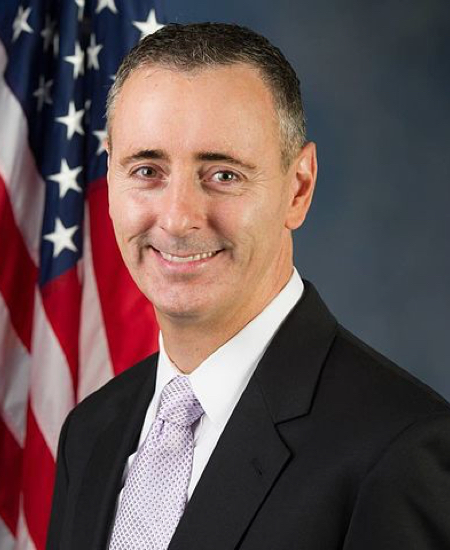
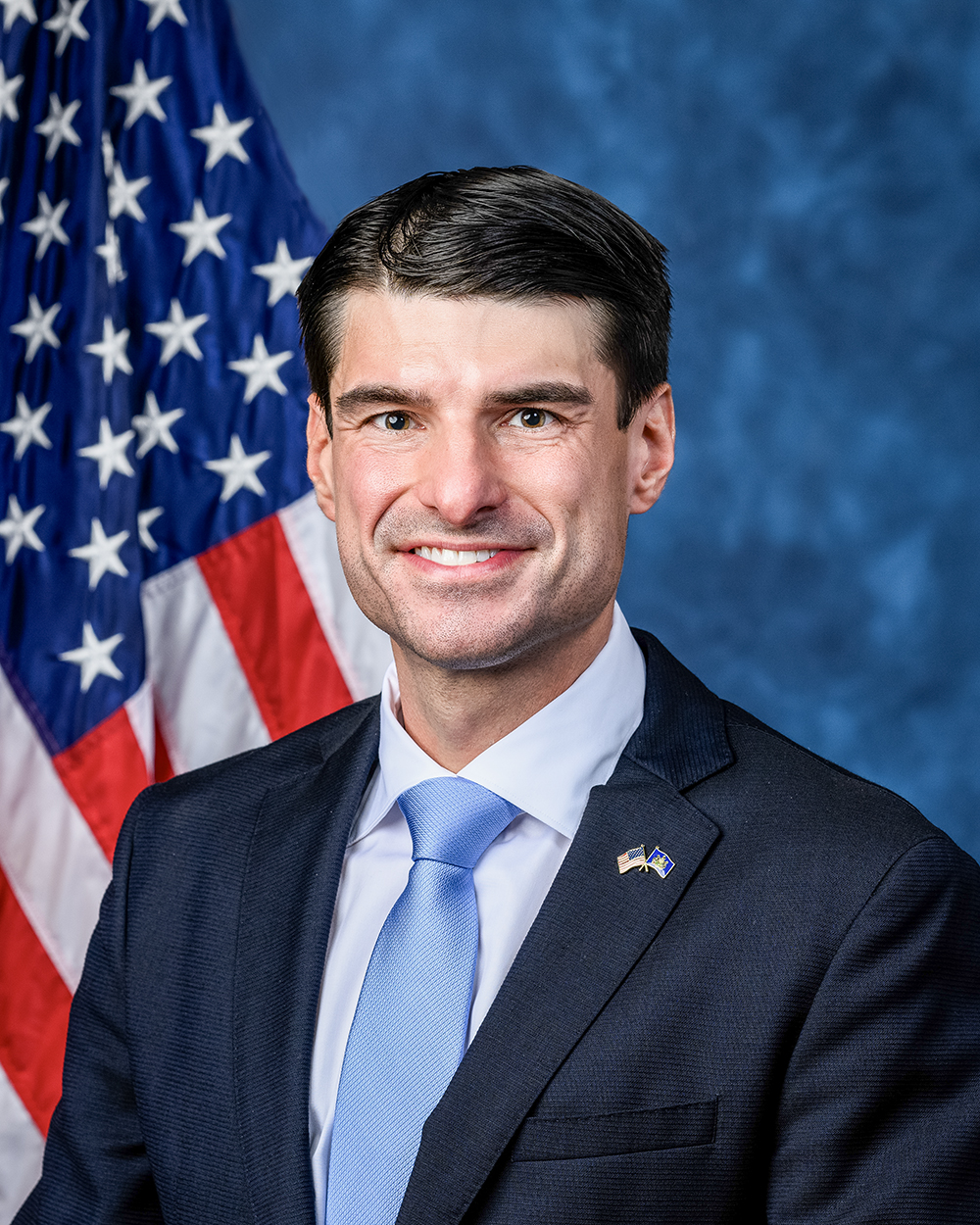
Brian K. Fitzpatrick
Brian K. Fitzpatrick House · District 1
R
Strong +
93% 14
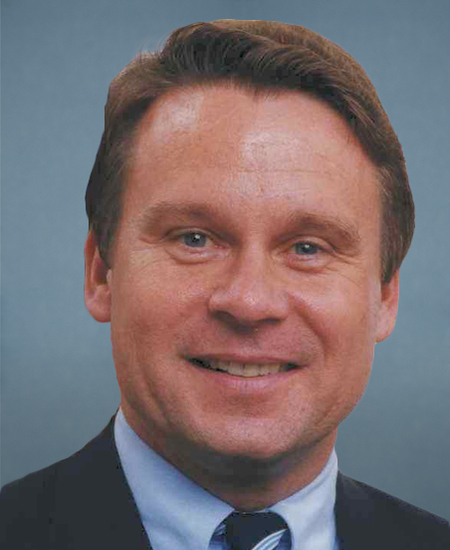
Christopher H. Smith
Christopher H. Smith House · District 4
R
Strong +
93% 14
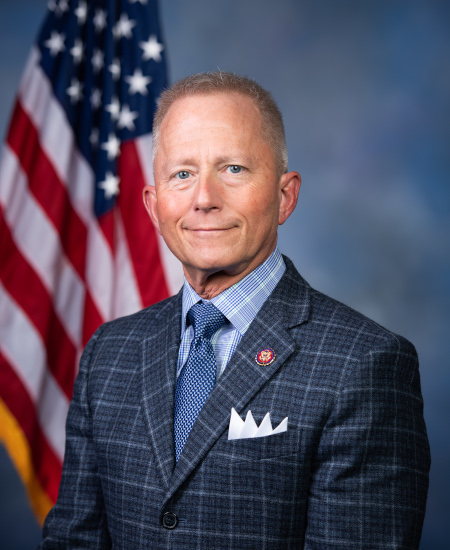
Jefferson Van Drew
Jefferson Van Drew House · District 2
R
Strong +
93% 14
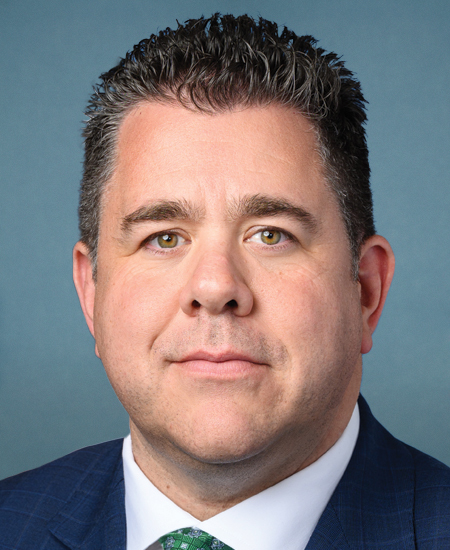
Nick LaLota
Nick LaLota House · District 1
R
Strong +
93% 14
Robert P. Bresnahan, Jr.
Robert P. Bresnahan, Jr. House · District 8
R
Strong +
93% 14
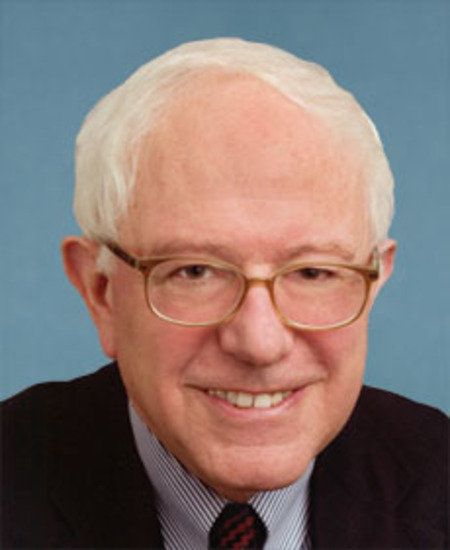
Bernard Sanders
Bernard Sanders Senate
I
Oppose
27% 11
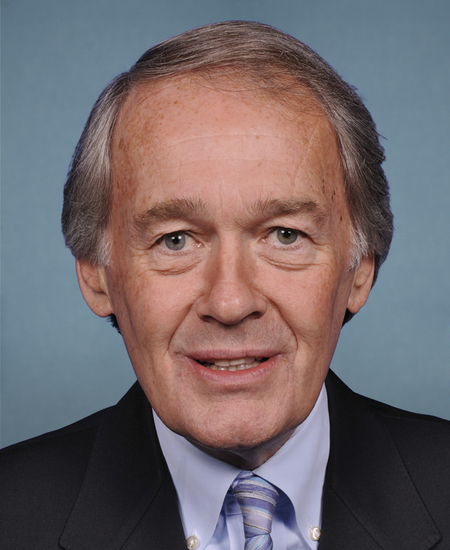
Edward J. Markey
Edward J. Markey Senate
D
Oppose
27% 11
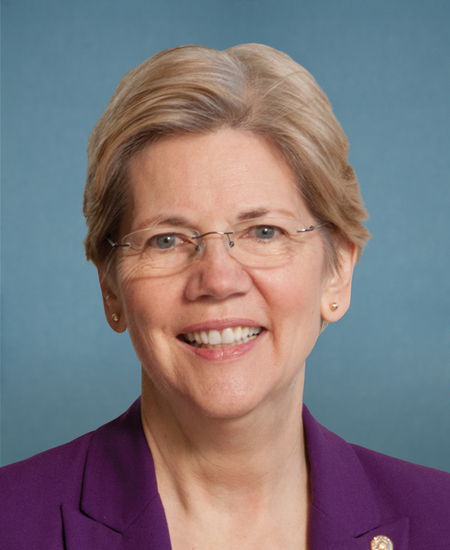
Elizabeth Warren
Elizabeth Warren Senate
D
Oppose
27% 11
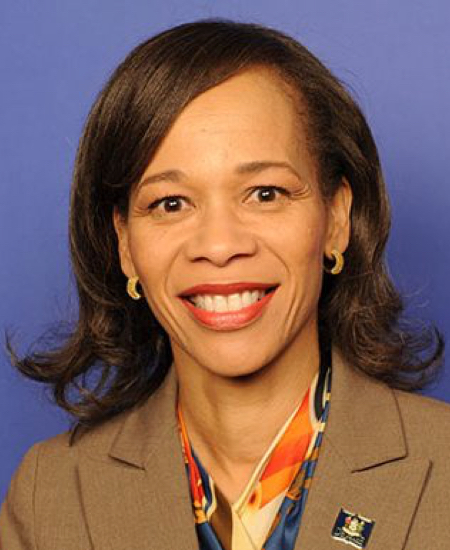
Lisa Blunt Rochester
Lisa Blunt Rochester Senate
D
Oppose
27% 11
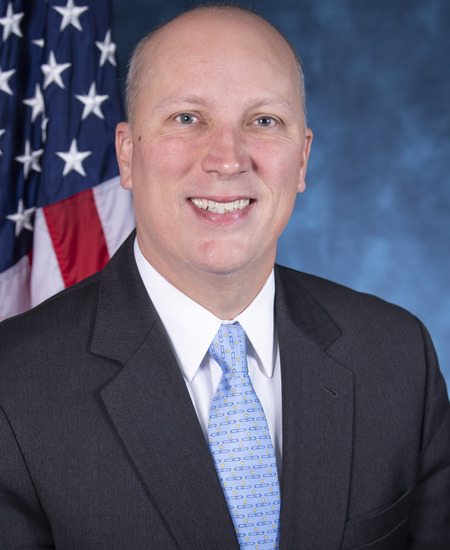
Chip Roy
Chip Roy House · District 21
R
Oppose
29% 14
Showing 1,101–1,110 of 1,420 bills

All labor & employment bills

in committee · United States · Senate Jun 11, 2025

S 2031: Workforce Mobility Act of 2025

The Workforce Mobility Act of 2025 bans most noncompete agreements that restrict workers' ability to change jobs or locations. It directly affects approximately 20% of U.S. workers currently covered by such agreements, removing barriers to job mobility across industries. Key exceptions include business sales (with geographic limits), partnership dissolutions, and senior executives receiving severance pay (capped at one year). The bill preserves employers' ability to protect trade secrets and confidential information through separate agreements, while requiring employers to post notices about the law and establishing enforcement by the FTC and Department of Labor.
in committee · United States · House Sep 16, 2025

HR 5374: Promoting Health Careers in Community and Technical Colleges Act

This bill requires community colleges and technical colleges receiving federal grants under the Health Professions Opportunity Demonstration Project to train participants to earn industry-recognized certifications, such as nursing assistant or medical coding credentials. It directly affects students in health career training programs at eligible community colleges and technical schools, as well as the institutions administering these grants. The bill expands eligibility for these grants by modifying federal law to include more types of colleges under the specified educational frameworks. The changes will take effect on October 1, 2025.
in committee · United States · Senate Jul 31, 2025

S 2597: Saving the Department of the Interior's Workforce Act

This bill prohibits the Department of the Interior (DOI) from implementing any reduction in force or involuntary employee separations (except for misconduct, delinquency, or performance issues) at any DOI agency or bureau. It applies to most federal employees within the DOI, including competitive service workers, excepted service career employees, and senior executives. The moratorium remains in effect until full-year funding for the DOI's fiscal year 2026 budget is approved by Congress. The bill does not alter existing personnel laws but adds this temporary restriction to prevent workforce reductions during the budget process.
Sub-Topics Public Employees
in committee · United States · Senate May 12, 2025

S 1709: Nurse Staffing Standards for Hospital Patient Safety and Quality Care Act of 2025

The Nurse Staffing Standards for Hospital Patient Safety and Quality Care Act of 2025 establishes specific minimum nurse-to-patient ratios for different hospital units, such as 1:1 in trauma emergency units and 2:1 in critical care units. Hospitals must develop and annually update staffing plans with nurse input, document actual staffing levels for each shift, and prohibit practices like averaging ratios or mandating overtime. The bill provides protections for nurses who refuse unsafe assignments and prohibits retaliation for reporting staffing violations, with enforcement through Medicare, Medicaid, and other federal health programs. This applies to all hospitals, including those operated by the Department of Veterans Affairs, Department of Defense, and Indian Health Service.
in committee · United States · Senate Feb 11, 2025

S 531: American Apprenticeship Act

American Apprenticeship Act This bill authorizes the Department of Labor to make grants to assist states in carrying out projects that defray the cost of pre-apprenticeship or related instruction for qualified apprenticeship programs. Labor shall (1) establish performance measures and an evaluation system for such grant program; and (2) identify in-demand occupations that lack the use of apprenticeships, analyze the use of the qualified apprenticeship program model in those occupations, and report on such analysis to states and Congress.
in committee · United States · House Mar 6, 2025

HR 1962: Guaranteeing Overtime for Truckers Act

This bill amends the Fair Labor Standards Act to remove an exemption that previously allowed certain truck drivers to be excluded from overtime pay requirements. It directly affects commercial truck drivers who were previously not required to receive overtime pay for hours worked beyond 40 in a workweek. The key mechanism is striking the existing exemption language in Section 13(b), which would require truck drivers to be paid overtime for all hours worked over 40 per week. This change would extend standard overtime protections to these workers under federal law. The bill focuses on a specific policy change to labor standards, not broader industry impacts.
in committee · United States · Senate Feb 12, 2026

S 3871: Preventing Roadside and Work Zone Deaths Act of 2026

This bill amends highway safety programs to better protect people near disabled vehicles and in work zones. It expands safety measures to include "occupants of and pedestrians associated with disabled vehicles" in existing programs and requires better data collection on roadside and work zone deaths. The bill creates two working groups - one focused on disabled vehicle crashes and another on work zone crashes - to analyze data, develop safety solutions, and improve data sharing with the National Highway Traffic Safety Administration. It also mandates annual reports tracking how states use work zone safety funds and their effectiveness. The bill directly affects drivers, pedestrians near breakdowns, road construction workers, and state transportation agencies responsible for implementing these safety measures.
in committee · United States · Senate Jan 8, 2026

S 3601: Veterans in Campus Safety Act

The Veterans in Campus Safety Act would create a federal grant program for colleges and universities to hire veterans as campus security officers. The Secretary of Education would award competitive grants to institutions, requiring funds to be used solely for hiring veterans in campus security roles, as defined by federal law. The bill also includes a separate provision prohibiting federal funding for centers that provide equity assistance, such as those described in federal regulations. This legislation directly affects higher education institutions and veterans seeking campus security employment.
in committee · United States · Senate Feb 11, 2026

S 3832: Small Business Workforce Pipeline Act of 2026

This bill amends the Small Business Act to require Small Business Development Centers to provide direct assistance to small businesses on workforce programs. It specifically mandates that these centers disseminate information from the Department of Labor and other federal agencies about establishing and improving four key programs: work-based learning, federally registered apprenticeships, pre-apprenticeship programs, and job training programs. The bill directly affects small business concerns by connecting them to federal resources for workforce development. The key mechanism is adding a new provision (subparagraph W) that requires centers to actively share this information, making it easier for small businesses to access these training opportunities.
Sub-Topics Apprenticeships Workforce Development Tags Small Business
in committee · United States · Senate Sep 15, 2025

S 2799: Forced Arbitration Injustice Repeal Act

This bill bans forced arbitration clauses in employment, consumer, antitrust, and civil rights disputes. It prohibits agreements that require individuals to resolve such disputes through private arbitration before any conflict arises, and also blocks waivers that prevent people from joining class or collective lawsuits. The law directly affects workers facing workplace issues, consumers with purchase disputes, and individuals alleging discrimination or civil rights violations. It ensures these cases can be handled in court rather than private arbitration, applying to disputes occurring after the law takes effect.
Showing 1,101 to 1,110 of 1,420 bills