Issue · Healthcare

Healthcare

Every healthcare bill, vote, and legislator stance in United States, automatically classified by Maddy, our AI policy reader.

Total bills
3,150
119th Congress
Top supporter
Darline Graham
100% support rate
Top opponent
Ashley Moody
18% support rate
Ranked legislators
10
5 support · 5 oppose
Key legislators

Who's moving healthcare in United States

Legislators moving healthcare in United States
Legislator Party Stance Support rate Decisive votes
Darline Graham
Darline Graham Senate
R
Strong +
100% 6
AA
Alan Armstrong Senate
R
Strong +
88% 8
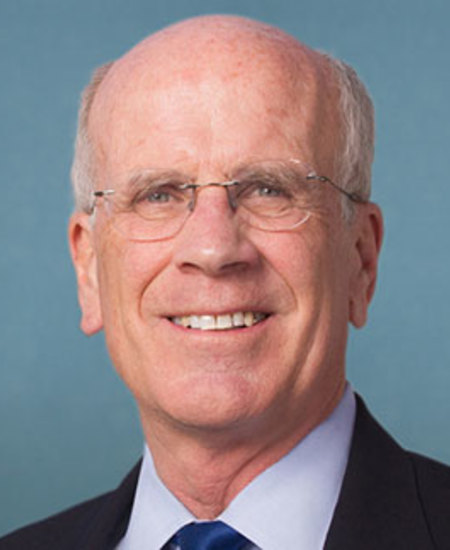
Peter Welch
Peter Welch Senate
D
Strong +
82% 22
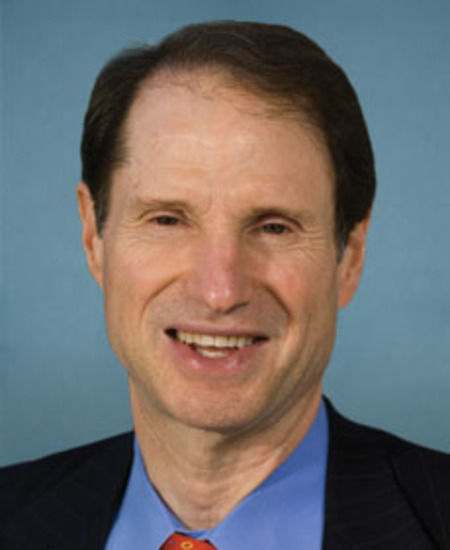
Ron Wyden
Ron Wyden Senate
D
Support
77% 22
Alex Padilla
Alex Padilla Senate
D
Support
76% 21
Ashley Moody
Ashley Moody Senate
R
Strong −
18% 22
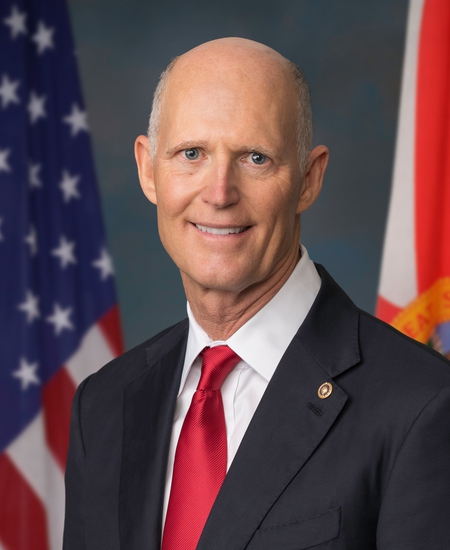
Rick Scott
Rick Scott Senate
R
Strong −
18% 22
Rand Paul
Rand Paul Senate
R
Oppose
23% 22
Brad Knott
Brad Knott House · District 13
R
Oppose
28% 18
Pat Harrigan
Pat Harrigan House · District 10
R
Oppose
28% 18
Showing 341–350 of 3,150 bills

All healthcare bills

in committee · United States · House Jul 17, 2026

HR 9544: Save MEDICARE Act of 2026

The Save MEDICARE Act of 2026 aims to improve the Medicare Advantage program by starting in 2028 with several changes to how health plans are paid and monitored. It requires the government to exclude diagnoses from chart reviews when calculating payments to prevent plans from inflating costs based on questionable data. The bill also speeds up audits and appeals to ensure faster resolution of coding disputes and introduces a new penalty system to recover overpayments from plans. Additionally, the law allows states to enforce Medicare rules within their borders and bans financial incentives for doctors based on how they code patient records. Finally, it establishes a mechanism for the Department of Veterans Affairs to recover costs when Medicare Advantage plans cover care that should have been paid for by the VA.
Sub-Topics Medicare
in committee · United States · Senate Jun 24, 2026

S 4913: MOMMIES Act

The MOMMIES Act expands Medicaid and CHIP coverage for low-income pregnant individuals by extending postpartum benefits from 60 days to one year and mandating full coverage of oral health services during this period. To support these changes, the bill includes a maintenance of effort provision that prevents states from reducing eligibility standards or benefit levels for pregnant individuals until 2027, alongside a 100 percent federal funding match for states that increase spending on this population. A major component is a five-year demonstration project that provides grants to states to implement maternity care home models, which coordinate comprehensive medical and social support services like housing assistance and mental health care to improve birth equity and outcomes. The legislation also requires the Centers for Medicare & Medicaid Services to issue guidance on covering doula services and directs the Government Accountability Office to study the use of telehealth and gaps in coverage for pregnant and postpartum people.
in committee · United States · Senate Jun 24, 2026

S 4898: Medicaid RAC Improvement Act of 2026

The Medicaid RAC Improvement Act of 2026 strengthens oversight of the Medicaid Recovery Audit Contractor program to improve how states identify and recover improper payments. It requires the Centers for Medicare and Medicaid Services to establish clear expiration dates for state exceptions to the program, mandate detailed annual reports on audit results, and ensure managed care organizations are included in these reviews. Additionally, the bill directs the agency to study barriers preventing states from participating and to launch a five-year demonstration project aimed at increasing state engagement. The legislation also extends the standard audit period to allow reviews of payments made over the previous four fiscal years.
in committee · United States · House Jul 6, 2026

HR 9593: Keep Food Containers Safe from PFAS Act of 2026

The Keep Food Containers Safe from PFAS Act of 2026 prohibits the sale of food packaging that contains intentionally added PFAS chemicals starting on January 1, 2027. This law directly impacts manufacturers and distributors by banning the introduction of such packaging into interstate commerce. The bill specifically defines PFAS as a group of fluorinated organic chemicals that include at least one fully fluorinated methyl or methylene carbon atom. By amending the Federal Food, Drug, and Cosmetic Act, the legislation ensures that food containers sold across state lines will not include these specific substances.
Sub-Topics Drinking Water
in committee · United States · Senate Jun 24, 2026

S 4941: Modernizing Opioid Treatment Access Act 2.0 of 2026

The Modernizing Opioid Treatment Access Act 2.0 of 2026 allows licensed addiction medicine specialists to prescribe methadone for opioid use disorder to be dispensed directly through pharmacies, rather than requiring patients to visit traditional treatment clinics. Under this bill, these practitioners must use electronic prescribing and can only dispense liquid or dispersible tablet formulations, while pharmacies do not need separate registration to handle these prescriptions. The law also permits telemedicine for maintenance or detoxification treatment and requires doctors to obtain informed consent from patients regarding how privacy protections differ between clinic and pharmacy settings. Additionally, the Attorney General can revoke a doctor's registration if a state requests it, and the Drug Enforcement Administration must report annually on the number of registered providers and pharmacies involved in the program.
in committee · United States · Senate Jun 24, 2026

S 4880: Dismemberment Abortion Ban Act of 2026

This bill, known as the Dismemberment Abortion Ban Act of 2026, prohibits physicians from performing abortions that involve dismembering an unborn child piece by piece or crushing it with instruments, with the specific intent of causing the child's death. The law defines an "unborn child" as a human organism from fertilization until birth and allows for exceptions only when the procedure is necessary to save the life of the mother due to a physical disorder, illness, or injury. While it bans this specific method, the bill explicitly states that other abortion methods remain legal for reasons such as rape or incest, and it removes the previous federal ban on partial-birth abortions from the legal code. Violators face criminal penalties including fines and up to two years in prison, while women undergoing these procedures are immune from prosecution. Additionally, the bill creates a civil remedy allowing women or parents of minors to sue physicians for money damages, psychological injury, and punitive damages if the ban is violated.
Sub-Topics Women's Health
in committee · United States · Senate Jun 24, 2026

S 4878: Reproductive Health Care Training Act of 2026

The Reproductive Health Care Training Act of 2026 directs the Health Resources and Services Administration to create a grant program that funds medical schools and health centers to expand abortion care training for students and clinicians. These funds are specifically designated for states where such comprehensive training is legally permitted, with a priority given to institutions serving minority populations or those training providers for medically underserved communities. The bill outlines how the money can be used to develop clinical curricula, support telehealth practices, offer scholarships, and build partnerships to improve access to abortion services. Additionally, the legislation requires recipients to submit annual reports on program performance while ensuring federal funds supplement rather than replace existing state or private funding.
in committee · United States · House Jun 29, 2026

HR 9532: No Medicare Clawbacks Act of 2026

The No Medicare Clawbacks Act of 2026 prevents group health plans from taking back money they have already paid for medical services if a patient later becomes eligible for Medicare benefits. This rule applies specifically when the medical care was provided during a period of retroactive Medicare coverage and the patient was current on their required health plan contributions at the time of service. By amending the Social Security Act, the bill ensures that individuals do not face financial penalties for receiving care before their Medicare eligibility is officially recognized. The legislation directly affects employers offering group health plans and their employees who might otherwise face recouped payments due to delayed Medicare enrollment.
Sub-Topics Insurance Medicare
in committee · United States · Senate Jun 24, 2026

S 4886: Medicare Cost Cap Act of 2026

The Medicare Cost Cap Act of 2026 establishes a $5,000 annual limit on out-of-pocket costs for Medicare fee-for-service beneficiaries starting in 2028, after which Medicare will cover 100% of additional covered expenses. This protection applies to all individuals enrolled in Medicare Part A or Part B and includes tracking mechanisms to notify patients and providers once the cap is reached. The bill also modifies eligibility rules for low-income assistance programs, aligning income thresholds between Medicare Savings Programs and Medicaid and expanding data sharing to streamline enrollment for qualifying beneficiaries.
Sub-Topics Medicaid Medicare
in committee · United States · House Jun 30, 2026

HR 9538: Residential Recovery for Seniors Act

The Residential Recovery for Seniors Act expands Medicare coverage to include three specific levels of residential treatment for substance use disorders: clinically managed low-intensity, clinically managed high-intensity, and medically managed services. To qualify for this coverage, facilities must meet strict standards regarding staffing, clinical assessments, and adherence to evidence-based criteria developed by recognized medical associations. The bill also establishes a new payment system that reimburses these facilities on a per-day basis, starting in fiscal year 2027, with rates initially set to cover 100% of their estimated costs.
Showing 341 to 350 of 3,150 bills
Previous 1 … 34 35 36 … 315 Next