Issue · Healthcare

Healthcare

Every healthcare bill, vote, and legislator stance in United States, automatically classified by Maddy, our AI policy reader.

Total bills
3,150
119th Congress
Top supporter
Darline Graham
100% support rate
Top opponent
Ashley Moody
18% support rate
Ranked legislators
10
5 support · 5 oppose
Key legislators

Who's moving healthcare in United States

Legislators moving healthcare in United States
Legislator Party Stance Support rate Decisive votes
Darline Graham
Darline Graham Senate
R
Strong +
100% 6
AA
Alan Armstrong Senate
R
Strong +
88% 8
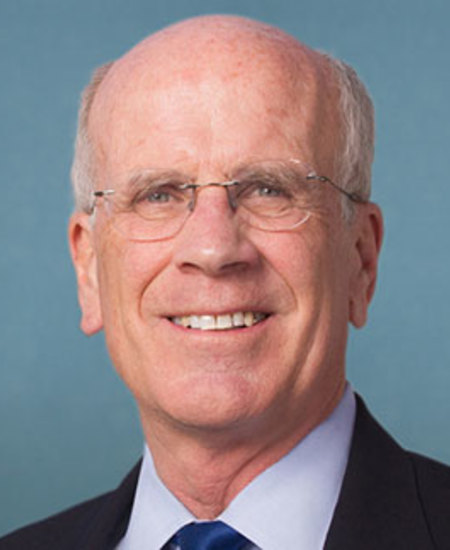
Peter Welch
Peter Welch Senate
D
Strong +
82% 22
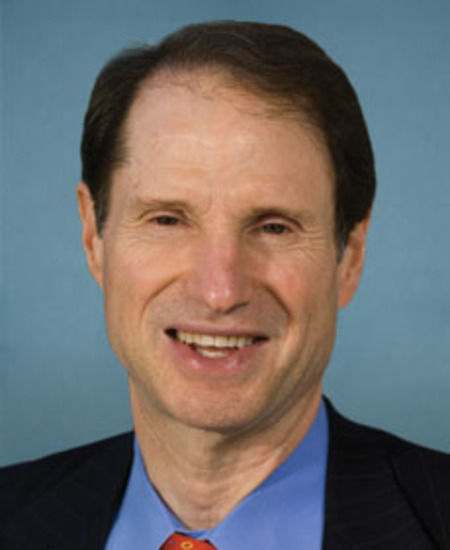
Ron Wyden
Ron Wyden Senate
D
Support
77% 22
Alex Padilla
Alex Padilla Senate
D
Support
76% 21
Ashley Moody
Ashley Moody Senate
R
Strong −
18% 22
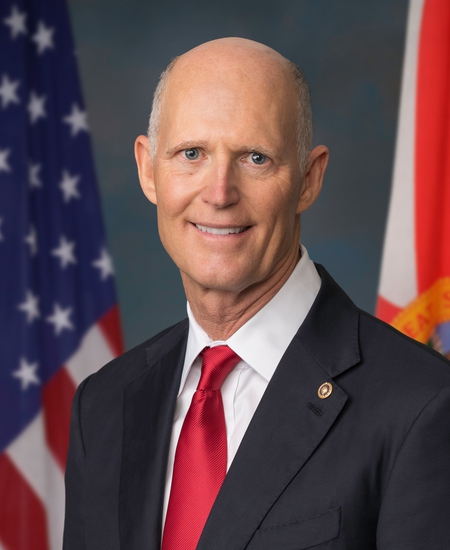
Rick Scott
Rick Scott Senate
R
Strong −
18% 22
Rand Paul
Rand Paul Senate
R
Oppose
23% 22
Brad Knott
Brad Knott House · District 13
R
Oppose
28% 18
Pat Harrigan
Pat Harrigan House · District 10
R
Oppose
28% 18
Showing 3,101–3,110 of 3,150 bills

All healthcare bills

in committee · United States · House Sep 11, 2025

HRES 704: Expressing the sense of the House of Representatives that the Wasteful and Inappropriate Service Reduction Model undermines beneficiary access to health care and should not be implemented.

HRES 704 is a non-binding resolution expressing the House's opposition to the proposed "Wasteful and Inappropriate Service Reduction Model" (WISeR) for traditional Medicare. It opposes expanding prior authorization requirements for Medicare services by 30% - requiring doctors to seek approval before treatment - using private companies with a history of incorrect denials and AI tools reported to have high error rates. The resolution states this would undermine beneficiary access to timely care, citing data showing prior authorization causes physician burnout and that Medicare Advantage denials are overturned 81.7% of the time. It urges CMS to terminate the model but does not change existing law.
Sub-Topics Medicare
in committee · United States · Senate Oct 15, 2025

S 3011: Prohibiting Abortion & Transgender Procedures on the Exchanges Act

This bill prohibits health insurance plans sold through the American Health Benefits Exchanges (the ACA marketplace) from covering abortion (except in cases of life endangerment, rape, or incest) or gender-transition procedures for minors. It defines "gender-transition procedures" to include puberty blockers, hormone therapy, or surgeries for minors seeking to align their bodies with their gender identity, with limited medical exceptions. The law directly affects health plans on the ACA marketplace and their enrollees, particularly minors seeking gender-affirming care and individuals seeking abortions outside the specified exceptions. The changes would take effect for plan years starting January 1, 2026.
in committee · United States · Senate Jul 15, 2025

S 2279: Protect Medicaid and Rural Hospitals Act

This bill repeals two provisions from a previous reconciliation act that reduced Medicaid funding flexibility for states and rescinds related funds. It directly affects Medicaid programs and rural hospitals by restoring prior funding structures and adding $10 billion annually from 2031 through 2035 to the Rural Health Transformation Program. Key mechanisms include undoing changes to state Medicaid provider tax authority and state-directed payments, while increasing annual funding for rural hospital support. The bill makes concrete policy changes by reversing specific funding cuts and guaranteeing new, sustained investment for rural healthcare facilities.
Sub-Topics Hospitals Medicaid
in committee · United States · House Jan 14, 2026

HR 7064: AI in Health Care Efficiency and Study Act

HR 7064, the AI in Health Care Efficiency and Study Act, requires the U.S. Department of Health and Human Services (HHS) to study how artificial intelligence can streamline administrative tasks in healthcare while protecting patient privacy. The study will examine AI applications for scheduling, claims processing, electronic health records, and cybersecurity threats like ransomware, involving healthcare providers, health plans, AI developers, and privacy experts. HHS must report findings and recommendations to Congress within 6 months of completing the study, focusing on reducing provider workload, improving data security, and ensuring compliance with health privacy laws. This bill does not create new regulations but directs a federal study to inform future policy on AI in healthcare administration.
in committee · United States · Senate Sep 9, 2025

SRES 380: A resolution urging the protection of Medicare from the devastating cuts caused by H.R. 1.

This Senate resolution (SRES 380) urges the Senate to protect Medicare from automatic spending cuts triggered by H.R. 1, a budget reconciliation bill. It cites Congressional Budget Office estimates that sequestration under H.R. 1 would cut $45 billion from Medicare in 2026 alone and $536 billion total through 2034, jeopardizing coverage for over 67 million Medicare beneficiaries. The resolution specifically requests safeguarding seniors' benefits and essential health services affected by these cuts. As a non-binding resolution, it expresses the Senate's position but does not alter existing law.
Sub-Topics Medicare Tags Seniors
in committee · United States · House Sep 17, 2025

HJRES 123: Providing for congressional disapproval under chapter 8 of title 5, United States Code, of the rule submitted by the Centers for Medicare & Medicaid Services relating to "Patient Protection and Affordable Care Act; Marketplace Integrity and Affordability".

HJRES 123 is a congressional disapproval resolution targeting a specific rule by the Centers for Medicare & Medicaid Services (CMS). It seeks to nullify CMS's June 2025 rule titled "Patient Protection and Affordable Care Act; Marketplace Integrity and Affordability," which was published in the Federal Register (90 Fed. Reg. 27074). If passed, the resolution would block this rule from taking effect under procedures outlined in Title 5, U.S. Code. The bill directly affects the CMS regulation governing the Affordable Care Act's health insurance marketplace, not the broader law itself.
in committee · United States · Senate Oct 8, 2025

S 2989: Stop MPT Act

This bill prohibits health care entities (like hospitals, clinics, and nursing facilities) and their for-profit owners from selling or leasing property to real estate investment trusts (REITs) if the deal risks weakening the entity's finances or public health. It requires the Health and Human Services (HHS) Secretary to review all such proposed transactions before they proceed. Violations can result in civil penalties up to $10,000 per incident, with states also having enforcement authority. The law directly affects health care providers participating in Medicare and their corporate owners, focusing on preventing financial instability through REIT arrangements.
in committee · United States · Senate May 8, 2025

S 1702: Access to Prescription Digital Therapeutics Act of 2025

This bill requires Medicare to cover "prescription digital therapeutics" (software-based treatments for medical conditions, like apps for diabetes management or mental health) starting January 1, 2026. It mandates Medicare to establish payment rules for manufacturers - considering actual costs and usage - and create specific billing codes for these tools. Manufacturers must annually report pricing, distribution volume, and user data to Medicare, with penalties for noncompliance. The bill directly affects Medicare beneficiaries, digital therapeutic developers, and healthcare providers who prescribe these digital health tools.
in committee · United States · Senate Feb 26, 2025

S 752: Accelerating Kids’ Access to Care Act

This bill creates a streamlined process for out-of-state healthcare providers to enroll in Medicaid or CHIP (Children's Health Insurance Program) in a state. It directly affects children under 21 enrolled in these programs and healthcare providers located in other states who already meet low fraud risk standards. The key provision requires states to adopt a simplified enrollment process using only basic provider information (like name and National Provider Identifier), granting eligible providers a 5-year enrollment period without repeated screening. This reduces administrative barriers for providers serving out-of-state children under 21 who qualify for Medicaid or CHIP coverage.
Sub-Topics Children's Health Insurance Medicaid Tags Children
passed · United States · Senate Sep 29, 2025

SRES 420: A resolution supporting the designation of September 19, 2025, as "National Concussion Awareness Day".

SRES 420 is a non-binding Senate resolution designating September 19, 2025, as "National Concussion Awareness Day." It recognizes concussions as a significant health concern affecting millions, citing CDC data on sports-related injuries and long-term effects. The resolution encourages federal, state, and local officials to collaborate on raising awareness, improving concussion diagnosis and management, and supporting further research. It does not create new laws or funding but aims to promote public and medical community education about concussions.
Showing 3,101 to 3,110 of 3,150 bills