Issue · Healthcare

Healthcare

Every healthcare bill, vote, and legislator stance in United States, automatically classified by Maddy, our AI policy reader.

Total bills
3,150
119th Congress
Top supporter
Darline Graham
100% support rate
Top opponent
Ashley Moody
18% support rate
Ranked legislators
10
5 support · 5 oppose
Key legislators

Who's moving healthcare in United States

Legislators moving healthcare in United States
Legislator Party Stance Support rate Decisive votes
Darline Graham
Darline Graham Senate
R
Strong +
100% 6
AA
Alan Armstrong Senate
R
Strong +
88% 8
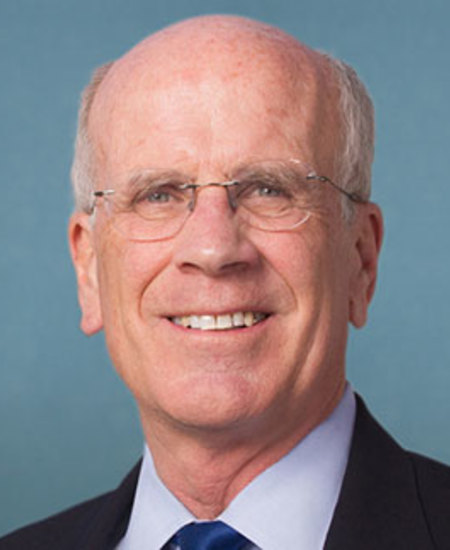
Peter Welch
Peter Welch Senate
D
Strong +
82% 22
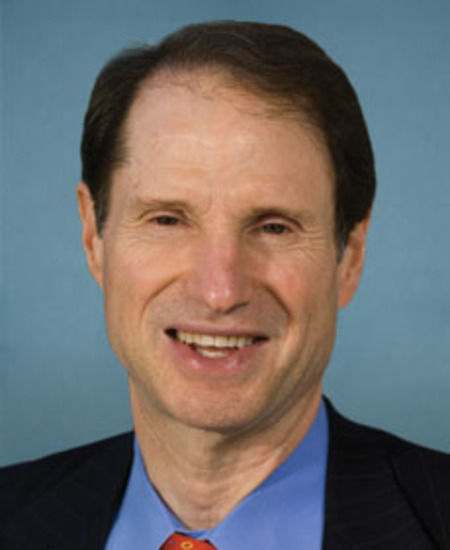
Ron Wyden
Ron Wyden Senate
D
Support
77% 22
Alex Padilla
Alex Padilla Senate
D
Support
76% 21
Ashley Moody
Ashley Moody Senate
R
Strong −
18% 22
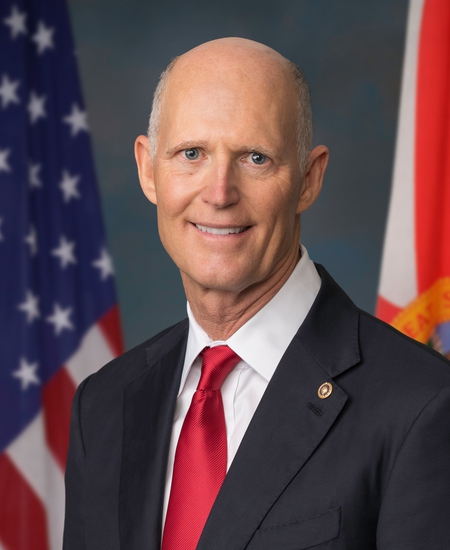
Rick Scott
Rick Scott Senate
R
Strong −
18% 22
Rand Paul
Rand Paul Senate
R
Oppose
23% 22
Brad Knott
Brad Knott House · District 13
R
Oppose
28% 18
Pat Harrigan
Pat Harrigan House · District 10
R
Oppose
28% 18
Showing 2,991–3,000 of 3,150 bills

All healthcare bills

in committee · United States · Senate Mar 10, 2026

SCONRES 28: A concurrent resolution expressing support for the recognition of March 10, 2026, as "Abortion Provider Appreciation Day".

This concurrent resolution formally recognizes March 10, 2026, as "Abortion Provider Appreciation Day" to honor abortion providers and staff for their work in delivering essential reproductive care. It highlights their courage amid challenges including clinic closures, safety threats, and increased harassment following the Dobbs decision. The resolution symbolically affirms Congress's support for providers' safety and patients' access to abortion care, without creating new legal requirements or affecting any individuals directly. (1 sentence; procedural resolution)
in committee · United States · House Feb 25, 2026

HRES 1084: HIV is Not a Crime Day Resolution

HRES 1084 designates February 28 as "HIV is Not a Crime Awareness Day" to address the criminalization of people living with HIV. The resolution calls for ending state laws that impose harsh penalties or criminalize consensual acts based solely on HIV status - regardless of transmission risk, intent, or disclosure - and notes these laws disproportionately impact Black and brown communities, Black women, and transgender women. It urges education for law enforcement and communities, removal of outdated HIV criminalization laws, and increased support for HIV prevention, testing, treatment, and care programs. The resolution does not create new laws but advocates for policy changes to align with current medical understanding and reduce stigma.
Sub-Topics Law Enforcement
in committee · United States · Senate Feb 11, 2025

S 529: Capping Prescription Costs Act of 2025

S 529, the Capping Prescription Costs Act of 2025, limits how much individuals and families must pay annually out-of-pocket for prescription drugs under most health insurance plans. Starting in 2026, it caps these costs at $2,000 per person or $4,000 per family per year, with automatic annual adjustments using the medical care inflation rate (CPI). This applies to both individual health plans (under the Affordable Care Act) and group health plans (like employer-sponsored coverage), as amended across multiple federal laws. The bill does not change drug prices but directly affects millions of health plan enrollees by setting a maximum annual cost for covered prescriptions.
in committee · United States · House Nov 21, 2025

HR 6254: Medicaid Staffing Flexibility and Protection Act of 2025

This bill allows states to contract with outside agencies or private contractors to handle Medicaid eligibility decisions and appeals, rather than relying solely on state staff. It requires that contractors cannot have financial ties to Medicaid managed care organizations or incentives to delay applications or deny coverage to eligible individuals. The law directly affects state Medicaid programs by expanding their administrative options while adding safeguards to prevent conflicts of interest. It does not change Medicaid eligibility rules or funding, only how states process applications and appeals.
Sub-Topics Medicaid
in committee · United States · House Sep 16, 2025

HR 5376: Impacts and Outcomes for Health Career Training Act

This bill requires the U.S. Department of Health and Human Services to study the employment and earnings outcomes of participants in health career training programs funded through existing grants. It mandates that at least 4% of annual funding for these programs must cover rigorous evaluations of their short-, medium-, and long-term impacts. The study will assess how well these training initiatives prepare participants for careers in health fields, directly affecting current and future grant recipients. The requirement takes effect on October 1, 2025.
in committee · United States · House Sep 23, 2025

HRES 764: Recognizing the continuing disparities in Black youth mental health access and treatment.

HRES 764 is a symbolic House resolution recognizing persistent disparities in mental health access and treatment for Black youth. It cites alarming statistics, including a 149% rise in suicide rates among Black adolescents (2007-2023) and higher rates of suicide attempts among Black high school students. The resolution calls on the current administration to continue previous efforts addressing these disparities, incorporate recommendations from the Congressional Black Caucus’s "Ring the Alarm" report, and protect the Substance Abuse and Mental Health Services Administration (SAMHSA) as an independent agency. It does not create new laws or allocate funds but serves as a formal acknowledgment of the crisis and a request for policy continuity.
in committee · United States · House Jun 20, 2025

HRES 524: Expressing support for the designation of June 19, 2025, as "World Sickle Cell Awareness Day" in order to increase public awareness across the United States and global community about sickle cell disease and the continued need for empirical research, early detection screenings, novel effective treatments leading to a cure, and preventative care programs with respect to complications from sickle cell anemia and conditions relating to sickle cell disease.

HRES 524 is a congressional resolution designating June 19, 2025, as "World Sickle Cell Awareness Day" to increase public awareness about sickle cell disease (SCD) in the U.S. and globally. It specifically highlights the need for expanded research, early detection screenings, accessible treatments, and preventative care programs for SCD, which disproportionately affects communities of African, Caribbean, and Mediterranean descent. The resolution urges federal agencies to address healthcare disparities and improve equitable access to therapies, including emerging genetic treatments. As a procedural resolution, it does not create new laws but formally supports existing awareness and advocacy efforts for SCD patients.
in committee · United States · Senate Sep 17, 2025

S 2836: POP Act

The POP Act prohibits a single entity from owning both a health insurance company and certain healthcare providers that receive Medicare payments (excluding hospitals, pharmacies, and specific equipment suppliers). It requires violators to sell off either the insurance business or the healthcare provider within 1-2 years, depending on when the ownership began. The law also bars Medicare Advantage and Part D plans from contracting with organizations that violate this rule starting in 2026, treating such contracts as false claims. Enforcement involves the FTC, DOJ, or state attorneys general, with penalties including selling assets and returning revenue to communities.
Sub-Topics Insurance Medicare
in committee · United States · Senate Jan 22, 2025

S 186: No Taxpayer Funding for Abortion and Abortion Insurance Full Disclosure Act of 2025

This bill prohibits federal funds from being used for abortions or health plans covering abortion. It amends the Affordable Care Act to block premium tax credits and cost-sharing reductions for health plans that include abortion coverage (except for rape/incest cases or life-threatening conditions), and requires clear disclosure of abortion coverage and related surcharges in plan materials. The law explicitly exempts abortions performed due to rape, incest, or to preserve a mother's life, and allows separate abortion coverage using non-federal funds. It applies to all federal health programs and ACA marketplace plans, effective for plan years beginning after 2025.
in committee · United States · House Jul 15, 2025

HR 4406: State-Based Universal Health Care Act of 2025

This bill would allow states to create their own universal health care systems by applying for waivers that replace federal health programs with state-based coverage. States would need to demonstrate they can cover at least 95% of residents within 5 years, maintain comparable benefits and affordability, and provide comprehensive coverage including reproductive health services. The federal government would redirect funds that would have gone to federal programs like Medicaid and Medicare to the states, with states required to submit regular reports on coverage progress and costs. The bill includes specific protections for Indian health care providers and ensures coverage for vulnerable populations without imposing new costs on them. This framework would apply to states that choose to implement their own universal health care system rather than relying on existing federal programs.
Showing 2,991 to 3,000 of 3,150 bills