Issue · Healthcare

Healthcare

Every healthcare bill, vote, and legislator stance in United States, automatically classified by Maddy, our AI policy reader.

Total bills
3,150
119th Congress
Top supporter
Darline Graham
100% support rate
Top opponent
Ashley Moody
18% support rate
Ranked legislators
10
5 support · 5 oppose
Key legislators

Who's moving healthcare in United States

Legislators moving healthcare in United States
Legislator Party Stance Support rate Decisive votes
Darline Graham
Darline Graham Senate
R
Strong +
100% 6
AA
Alan Armstrong Senate
R
Strong +
88% 8
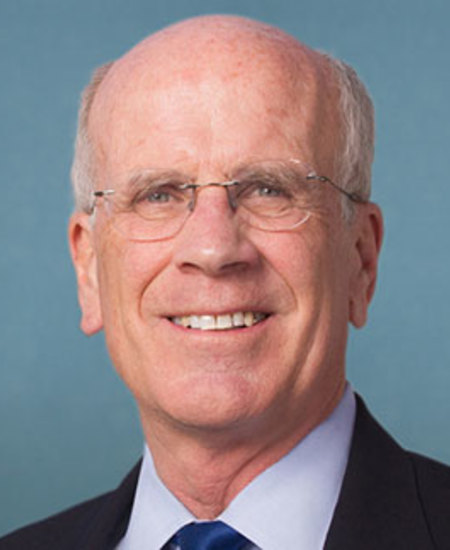
Peter Welch
Peter Welch Senate
D
Strong +
82% 22
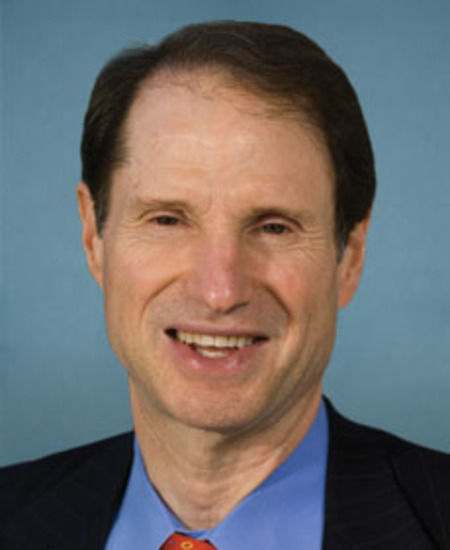
Ron Wyden
Ron Wyden Senate
D
Support
77% 22
Alex Padilla
Alex Padilla Senate
D
Support
76% 21
Ashley Moody
Ashley Moody Senate
R
Strong −
18% 22
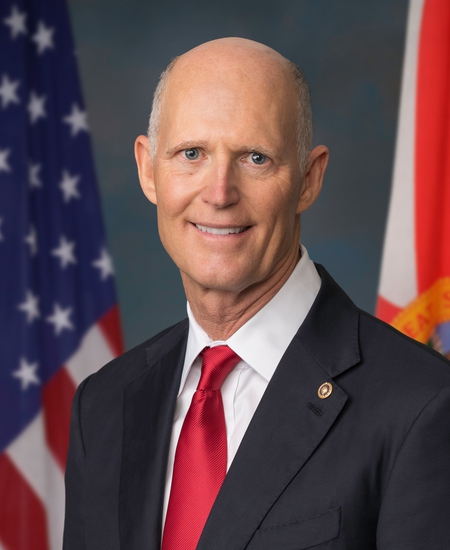
Rick Scott
Rick Scott Senate
R
Strong −
18% 22
Rand Paul
Rand Paul Senate
R
Oppose
23% 22
Brad Knott
Brad Knott House · District 13
R
Oppose
28% 18
Pat Harrigan
Pat Harrigan House · District 10
R
Oppose
28% 18
Showing 2,861–2,870 of 3,150 bills

All healthcare bills

in committee · United States · Senate Feb 24, 2025

S 683: More Behavioral Health Providers Act of 2025

This bill expands Medicare reimbursement incentives to increase mental health provider access in underserved areas. It adds a 15% bonus payment (up from 10%) for mental health and substance use disorder services provided by specific practitioners in designated mental health professional shortage areas. The key mechanism modifies Medicare's bonus program to include qualified providers like clinical psychologists, social workers, and mental health counselors who treat conditions like depression or addiction. This directly affects these providers by increasing their Medicare reimbursement rates when serving patients in areas with critical shortages of mental health professionals.
in committee · United States · Senate Jan 15, 2026

S 3670: End Welfare for Noncitizens Act

This bill prohibits federal funding from being used to provide benefits to refugees, asylees, and undocumented immigrants. It specifically blocks funds for programs like Temporary Assistance for Needy Families (TANF), Medicaid, and food stamps (SNAP) when serving these groups, as well as other federal benefits, subsidies, or services. The law directly affects noncitizens in the U.S. without legal status, refugees, and asylees by denying them access to these federal programs. It amends existing law to prevent the use of appropriated funds for these purposes.
in committee · United States · Senate Jul 23, 2025

S 2410: Medicaid Bump Act

S 2410, the Medicaid Bump Act, increases federal funding for states that raise spending on Medicaid-covered behavioral health services (including mental health and substance use treatment) above 2019 baseline levels. It provides a 90% federal match for the amount exceeding that baseline, requiring states to use these funds to supplement, not replace, existing state funding for these services. States must also use the funds to improve service delivery, such as through higher provider payments or reducing staff turnover. The bill mandates annual reports to Congress on payment rates, service utilization, and the rationale for payment rates for these services. This directly affects state Medicaid programs and providers delivering behavioral health services.
in committee · United States · House Jan 12, 2026

HR 7023: Affordable CHOICE Act

The Affordable CHOICE Act (HR 7023) creates a new public health insurance option to be offered exclusively through state health insurance exchanges starting in 2027. It directly affects consumers purchasing coverage through these exchanges by adding a government-run plan that must offer bronze, silver, and gold coverage tiers. Key provisions require the Secretary to set premiums based on geographic rates (using Medicare reimbursement rates if negotiations with providers fail), collect data to reduce health disparities, and establish provider networks using existing Medicare/Medicaid participating providers unless they opt out. The plan must maintain quality and affordability while operating under the same consumer protections as private plans in the exchanges.
in committee · United States · House Sep 4, 2025

HR 5145: Bipartisan Premium Tax Credit Extension Act

HR 5145, the Bipartisan Premium Tax Credit Extension Act, extends enhanced federal subsidies for health insurance premiums through 2026. It directly affects individuals purchasing coverage through health insurance marketplaces who qualify for premium tax credits. The bill extends the period for increased credit amounts (through 2026 instead of 2025) and maintains the rule allowing tax credits for households earning above 400% of the federal poverty level. These changes apply to tax years beginning after December 31, 2025.
in committee · United States · House Aug 29, 2025

HR 5064: Save our Safety-Net Hospitals Act of 2025

This bill changes Medicaid payment rules to provide more financial support for safety-net hospitals - those serving high numbers of low-income patients. It allows states to use unspent federal funds from prior years to increase payments to these hospitals, without exceeding the overall annual funding cap. States cannot recoup payments already made to hospitals under older rules, and must report any increased payments in their annual Medicaid reports. The changes apply to payments for Medicaid plan years starting after the bill's enactment.
Sub-Topics Hospitals Medicaid
in committee · United States · House Jun 10, 2025

HR 3864: Protecting Health Care for All Patients Act of 2025

This bill prohibits federal health programs (including Medicare, Medicaid, and CHIP) from using quality-adjusted life years (QALYs) or similar metrics to deny coverage, limit payments, or set incentives for care. It directly affects patients with disabilities, elderly individuals, or those with terminal illnesses, who may have faced reduced care access under such metrics. Key provisions ban QALY-based decisions in coverage determinations starting January 1, 2027, and require states and insurers to comply. The bill also mandates a report on how QALYs negatively impact access to care for people with intellectual and developmental disabilities.
Sub-Topics Long-Term Care Medicaid Medicare Tags People with Disabilities
in committee · United States · House Apr 24, 2025

HR 3020: Addressing Anti-Competitive Health Care Contract Clauses Act

This bill mandates a study by the Government Accountability Office (GAO) to examine how specific contract clauses in health insurance agreements affect competition and costs. It focuses on "anti-steering" clauses (restricting insurers from directing patients to lower-cost providers), "anti-tiering" clauses (blocking tiered provider networks), "all-or-nothing" clauses (forcing inclusion of all providers), and "gag" clauses (preventing price transparency). The study will assess these clauses' impact on healthcare consolidation, consumer prices, access, and whether federal agencies have sufficient resources to enforce antitrust laws against them. The findings must be reported to relevant congressional committees within 18 months of the bill's enactment. This is a procedural study - no immediate policy changes are implemented by the bill itself.
in committee · United States · Senate Apr 29, 2026

S 3653: Veterans’ Bill of Rights Act of 2026

This bill requires the Department of Veterans Affairs (VA) to clearly inform veterans about their rights regarding healthcare, benefits, and services. It directly affects veterans using VA services and VA employees, mandating that the VA integrate 10 specific rights into all policies, training, and communications. Key provisions include ensuring veterans receive respectful treatment, transparent claim updates, access to community care, protection from retaliation for seeking care, and clear grievance processes. The VA must display these rights prominently at facilities, in its mobile app, and during military transition programs, with annual staff training and facility audits. The bill does not create new legal rights but codifies existing expectations for VA accountability and veteran communication.
in committee · United States · House Jun 12, 2025

HRES 510: Recognizing the 20th anniversary of the Children's Hospital Association's Family Advocacy Day and honoring the contributions of children's hospitals and their patients and families.

HRES 510 is a symbolic resolution recognizing the 20th anniversary of the Children’s Hospital Association’s Family Advocacy Day. It honors the contributions of children’s hospitals, patients, and families who share their health care stories with lawmakers, and commends the Children’s Hospital Association for its 20 years of advocacy. The resolution does not create new laws or funding but expresses the House’s support for pediatric health care and its call to protect access to care, address youth mental health, and strengthen the pediatric workforce. This is a ceremonial acknowledgment with no binding policy impact.
Showing 2,861 to 2,870 of 3,150 bills