Issue · Healthcare

Healthcare

Every healthcare bill, vote, and legislator stance in United States, automatically classified by Maddy, our AI policy reader.

Total bills
3,230
119th Congress
Top supporter
Darline Graham
82% support rate
Top opponent
Rick Scott
19% support rate
Ranked legislators
10
5 support · 5 oppose
Key legislators

Who's moving healthcare in United States

Legislators moving healthcare in United States
Legislator Party Stance Support rate Decisive votes
Darline Graham
Darline Graham Senate
R
Strong +
82% 11
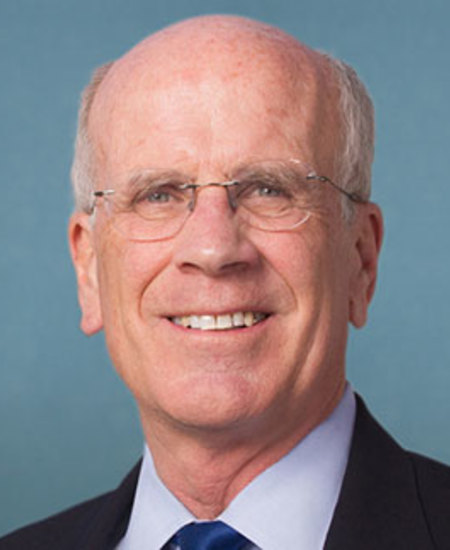
Peter Welch
Peter Welch Senate
D
Strong +
81% 27
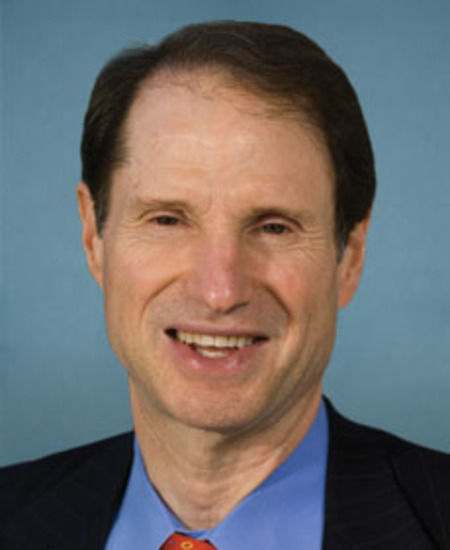
Ron Wyden
Ron Wyden Senate
D
Support
78% 27
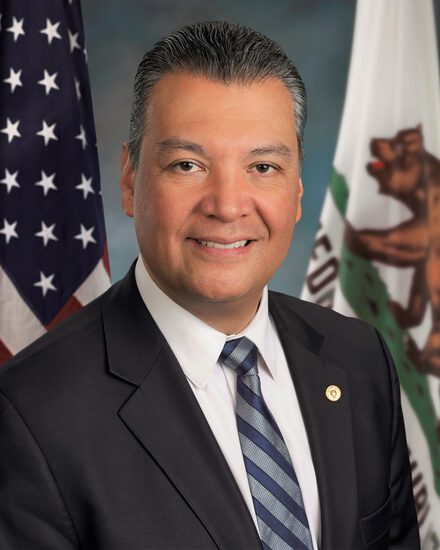
Alex Padilla
Alex Padilla Senate
D
Support
77% 26
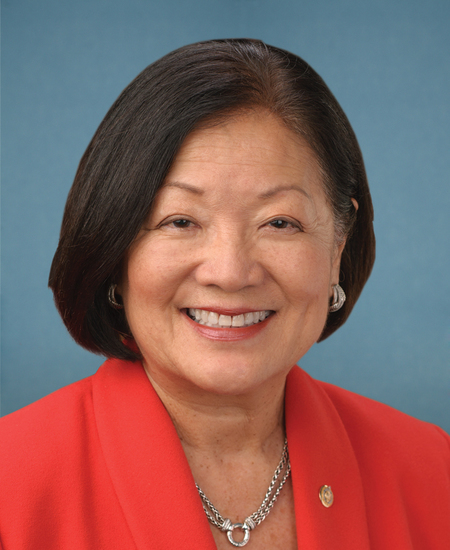
Mazie K. Hirono
Mazie K. Hirono Senate
D
Support
74% 27
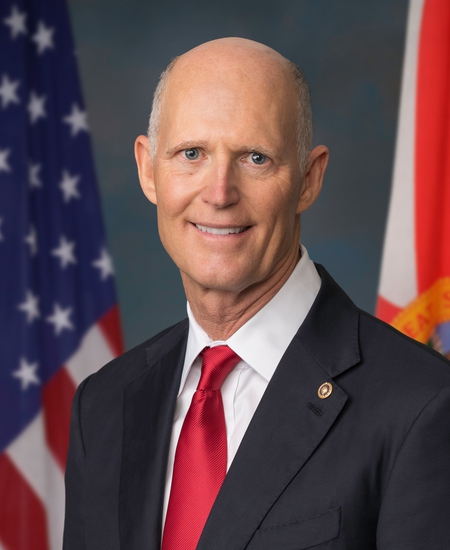
Rick Scott
Rick Scott Senate
R
Strong −
19% 27
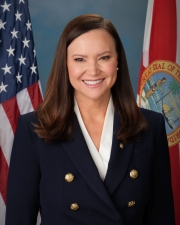
Ashley Moody
Ashley Moody Senate
R
Oppose
22% 27
Rand Paul
Rand Paul Senate
R
Oppose
22% 27
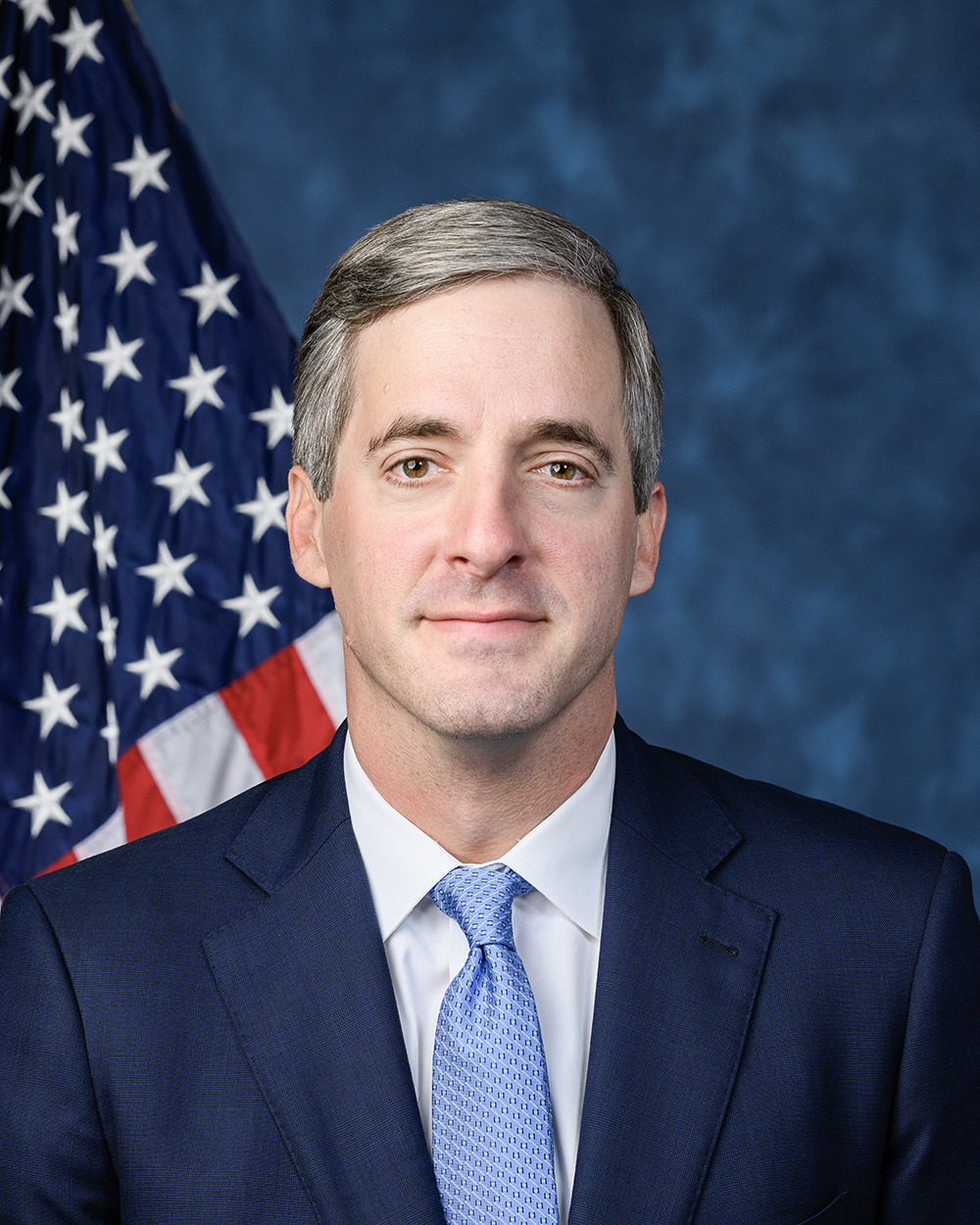
Brad Knott
Brad Knott House · District 13
R
Oppose
28% 18
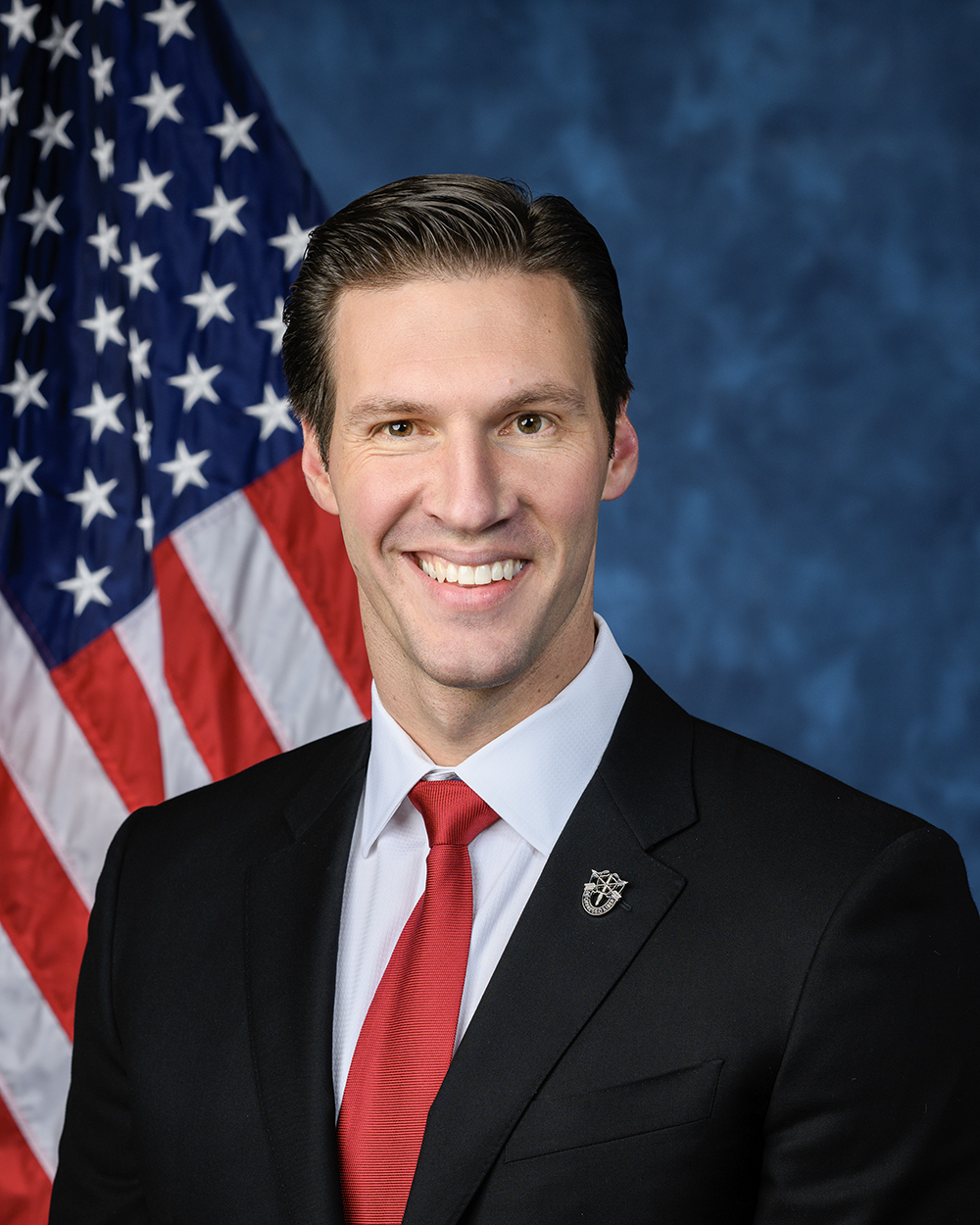
Pat Harrigan
Pat Harrigan House · District 10
R
Oppose
28% 18
Showing 2,031–2,040 of 3,230 bills

All healthcare bills

in committee · United States · Senate May 6, 2025

S 1631: Restoring Safeguards for Dangerous Abortion Drugs Act

This bill would require the FDA to replace current regulations for mifepristone (the drug sold as Mifeprex) with the 2011 risk management plan, reversing recent changes. It bans the importation of mifepristone into the U.S. (including by mail) and creates a federal civil liability for entities that illegally import or transport the drug, allowing individuals harmed by the drug to sue for damages. The law directly affects drug manufacturers, importers, telehealth providers, and pharmacies that handle mifepristone, and would make it illegal to import the drug regardless of state laws. It does not change how the drug is prescribed or dispensed within the U.S. but targets its importation and imposes new legal consequences for violations.
in committee · United States · Senate Dec 2, 2025

S 654: A bill to amend title 38, United States Code, to establish an external provider scheduling program to assist the Department of Veterans Affairs in scheduling appointments for care and services under the Veterans Community Care Program, and for other purposes.

S 654 establishes a new External Provider Scheduling Program within the Department of Veterans Affairs (VA) to improve appointment scheduling for veterans using the Veterans Community Care Program. The program requires real-time technology allowing VA schedulers to view and book appointments with community care providers, directly affecting veterans who rely on non-VA care due to VA wait times. Key provisions mandate reducing referral-to-appointment wait times (measured in days) and scheduler processing time (days/hours), with full VA medical center implementation required by September 30, 2025. The VA must also submit annual progress reports to Congress through 2028.
in committee · United States · House Jan 15, 2026

HR 7092: RAYS Act

The RAYS Act (HR 7092) requires secondary schools to include suicide prevention contact information on student identification cards or, if cards aren't issued, on school websites and student-accessible online platforms. Schools must list the 988 Suicide and Crisis Lifeline, Crisis Text Line, and a local suicide prevention hotline. The bill also allows schools to optionally add more mental health resources and mandates federal outreach to inform students, parents, and staff about these services. It takes effect one year after enactment for physical ID cards and 60 days later for digital methods.
in committee · United States · House Mar 18, 2025

HR 2199: Restore Protections for Dialysis Patients Act

This bill (HR 2199) prevents private health insurance plans from discriminating against patients with end-stage kidney disease (ESRD) who require dialysis. It amends the Social Security Act to prohibit plans from treating dialysis coverage differently than other medical services or applying network restrictions that disproportionately harm ESRD patients. The law clarifies that plans cannot deny or limit benefits for dialysis based on a patient’s diagnosis, while preserving a plan’s right to choose which dialysis providers are in their network. It directly affects ESRD patients and their private health insurance coverage, ensuring dialysis is treated equally with other covered medical services. The bill does not require plans to include specific dialysis providers but stops them from unfairly restricting access to necessary care.
Sub-Topics Insurance Medicare
in committee · United States · House Jan 28, 2025

HR 795: Pregnancy Is Not an Illness Act of 2025

This bill prohibits the Department of Health and Human Services (HHS) and the Food and Drug Administration (FDA) from treating pregnancy as an illness when approving or regulating abortion drugs. It specifically bans using this framework for approvals under the Federal Food, Drug, and Cosmetic Act or for risk management strategies. The bill also nullifies existing approvals of abortion drugs (like mifepristone) that relied on treating pregnancy as an illness. This directly affects how the FDA regulates abortion medications, changing the basis for their safety and efficacy evaluations.
Sub-Topics Women's Health
in committee · United States · House Feb 6, 2025

HR 72: TBI and PTSD Treatment Act

HR 72, the TBI and PTSD Treatment Act, authorizes the Department of Veterans Affairs to provide hyperbaric oxygen therapy as a covered treatment for veterans diagnosed with traumatic brain injury (TBI) or post-traumatic stress disorder (PTSD). This bill directly affects eligible veterans with these specific conditions by expanding their access to this treatment option through VA-approved health care providers. The key provision adds a new section (1710F) to Title 38, specifying that the Secretary must furnish this therapy under existing VA healthcare authority. The bill does not create new benefits but formalizes coverage for this specific treatment method for qualifying veterans.
in committee · United States · House Jan 6, 2026

HR 6951: Stop Unfair Medicaid Recoveries Act

This bill prohibits states from pursuing or collecting Medicaid recovery claims against individuals' estates for payments made during their lifetime. It requires states to withdraw all existing recovery liens within 90 days of enactment and notify affected individuals or their estates. The law specifically ends state efforts to reclaim Medicaid funds from beneficiaries' estates after death, applying to claims initiated before the law's effective date. It directly affects Medicaid beneficiaries and their estates who were subject to prior state recovery actions. The key mechanism is a mandatory 90-day withdrawal of all existing liens and a permanent ban on new recovery claims for correctly paid assistance.
in committee · United States · House Dec 11, 2025

HR 6682: Endometriosis CARE Act

HR 6682, the Endometriosis CARE Act, requires federal agencies to advance research, improve treatment access, and increase awareness for people with endometriosis - a chronic condition causing pelvic pain and fertility challenges affecting an estimated 10% of reproductive-age individuals. The bill mandates $50 million annually for NIH research on endometriosis treatments and cures, directs HHS to analyze barriers like insurance coverage and provider shortages in accessing care, and funds public education campaigns targeting underserved racial, ethnic, and minority groups. It also requires HHS to develop provider training materials on diagnosis and care, and to commission a National Academies study on disparities in endometriosis treatment across race, geography, and insurance status. The legislation focuses on data collection, education, and research rather than altering existing insurance coverage or treatment protocols.
in committee · United States · Senate Feb 25, 2025

S 717: Increasing Access to Quality Cardiac Rehabilitation Care Act of 2025

S 717, the *Increasing Access to Quality Cardiac Rehabilitation Care Act of 2025*, expands Medicare coverage for cardiac and pulmonary rehabilitation programs by broadening which healthcare providers can prescribe these services. The bill amends Medicare rules to allow physician assistants, nurse practitioners, and clinical nurse specialists (in addition to physicians) to prescribe exercise and rehabilitation programs under Medicare Part B. This change directly affects Medicare beneficiaries requiring cardiac or pulmonary rehab, making it easier to access care from a wider range of qualified providers. The key provision removes restrictive language limiting prescriptions to "physicians" and updates definitions to include these additional provider types, effective six months after enactment.
in committee · United States · House Aug 5, 2025

HR 4882: Gun Safety Board and Research Act

The Gun Safety Board and Research Act establishes a 22-member board within the Department of Health and Human Services to conduct and fund research on firearm violence reduction. The board must create a research program using at least half of its $5 million annual funding (rising to $25 million yearly), focusing on topics like domestic violence, suicide prevention, mass shootings, and health care costs, while publishing annual reports with policy recommendations and research gaps. It directly affects public health researchers, law enforcement, victims' advocates, and policymakers by generating evidence-based insights for federal, state, and local action. The board includes diverse expertise - from trauma surgery to firearm manufacturing - and must evaluate existing laws' effectiveness, avoiding advocacy while detailing concrete research priorities.
Showing 2,031 to 2,040 of 3,230 bills