Issue · Healthcare

Healthcare

Every healthcare bill, vote, and legislator stance in United States, automatically classified by Maddy, our AI policy reader.

Total bills
3,230
119th Congress
Top supporter
Darline Graham
82% support rate
Top opponent
Rick Scott
19% support rate
Ranked legislators
10
5 support · 5 oppose
Key legislators

Who's moving healthcare in United States

Legislators moving healthcare in United States
Legislator Party Stance Support rate Decisive votes
Darline Graham
Darline Graham Senate
R
Strong +
82% 11
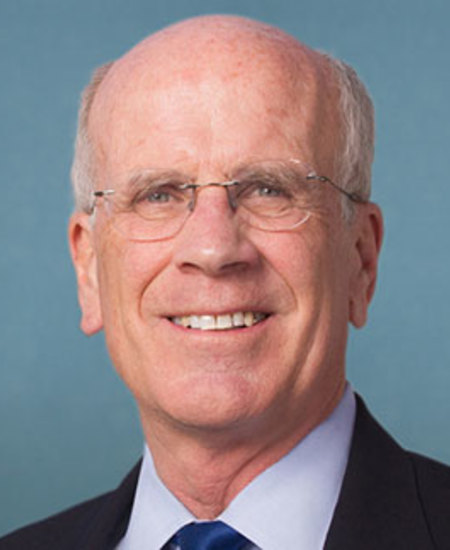
Peter Welch
Peter Welch Senate
D
Strong +
81% 27
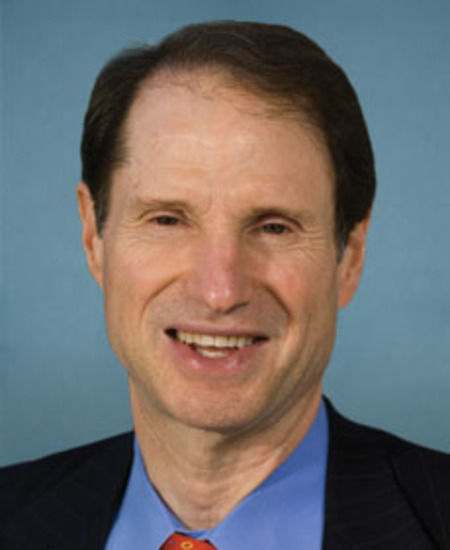
Ron Wyden
Ron Wyden Senate
D
Support
78% 27
Alex Padilla
Alex Padilla Senate
D
Support
77% 26
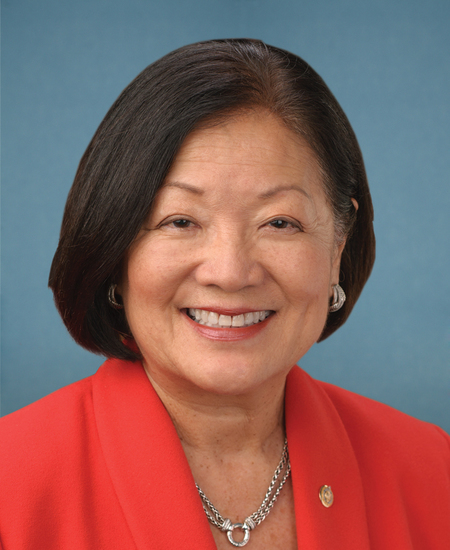
Mazie K. Hirono
Mazie K. Hirono Senate
D
Support
74% 27
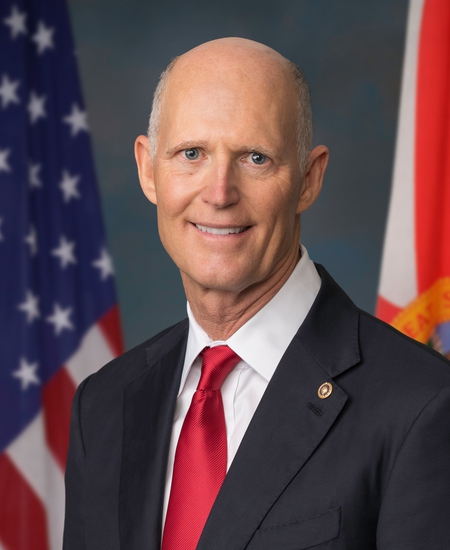
Rick Scott
Rick Scott Senate
R
Strong −
19% 27
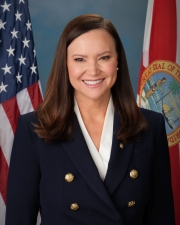
Ashley Moody
Ashley Moody Senate
R
Oppose
22% 27
Rand Paul
Rand Paul Senate
R
Oppose
22% 27
Brad Knott
Brad Knott House · District 13
R
Oppose
28% 18
Pat Harrigan
Pat Harrigan House · District 10
R
Oppose
28% 18
Showing 2,021–2,030 of 3,230 bills

All healthcare bills

in committee · United States · Senate Jul 24, 2025

S 2445: Community Mental Wellness and Resilience Act of 2025

The Community Mental Wellness and Resilience Act of 2025 establishes federal grant programs to fund community-led mental wellness initiatives. It provides planning grants (up to $250,000) for organizations to form resilience networks and assess community needs, followed by program grants (up to $500,000 annually for 4 years) to implement evidence-based programs. At least 20% of funds must support rural areas, requiring networks to include representatives from at least five community sectors (e.g., schools, faith groups, health services). The bill mandates a community-wide "public health approach" focused on strengthening protective factors, addressing risk factors, and developing strategic plans using culturally appropriate methods to build collective resilience.
in committee · United States · House Feb 11, 2025

HR 1219: Oral Health Products Inclusion Act

This bill expands tax-advantaged health accounts to cover specific oral care products. It adds toothbrushes (manual or electric), water flossers, and over-the-counter antiplaque/anticaries drugs (like certain mouthwashes or gels) to the list of qualified medical expenses for Health Savings Accounts (HSAs), Archer MSAs, and health flexible spending accounts (FSAs). The change allows people to use pre-tax dollars from these accounts to pay for these common oral healthcare products, directly affecting individuals managing their dental care costs through such accounts. The bill amends existing tax code provisions to include these items under "qualified medical expenses" without creating new government programs.
in committee · United States · House Dec 2, 2025

HR 6364: Kidd’s Stuttering Act

The Kidd's Stuttering Act requires Medicaid and CHIP to screen children aged 2-6 for stuttering and speech fluency during routine well-child visits starting January 1, 2027. It also mandates that Medicaid and CHIP cover specified speech therapy services for childhood stuttering (defined as "specified speech therapy services") with coverage rules no more restrictive than those for other speech disorders like language delays. The bill ensures these services include telehealth options and applies to all states administering Medicaid or CHIP. This directly affects children with stuttering who qualify for Medicaid or CHIP, aiming to improve early detection and access to treatment.
in committee · United States · Senate Jan 24, 2025

S 247: Choices for Increased Mobility Act of 2025

This bill requires Medicare to create separate billing codes for ultralightweight manual wheelchairs based on their frame material (e.g., titanium/carbon fiber vs. other materials) starting in 2026. It directly affects Medicare beneficiaries who use these wheelchairs, particularly those purchasing or renting models with titanium or carbon fiber frames. The bill mandates that Medicare pays suppliers the standard rate for such wheelchairs regardless of material, but allows suppliers to charge beneficiaries the difference between that payment and their actual cost. It also requires suppliers to provide clear financial notices to patients before sale or rental to inform them of potential additional costs.
Sub-Topics Medicaid Medicare
in committee · United States · House Feb 11, 2026

HR 7482: LymeX Authorization Act

The LymeX Authorization Act authorizes $5 million in federal funding to support prize competitions aimed at accelerating innovations in Lyme disease prevention, diagnosis, and treatment. It directs the Health and Human Services Secretary to use these competitions - modeled on existing frameworks - to spur breakthroughs from stakeholders like researchers, industry, and patient groups. The bill directly affects Lyme disease patients and medical innovators by creating a structured funding mechanism for developing faster, more effective diagnostic tools and care. Key provisions include requiring collaboration with diverse stakeholders and focusing prize efforts on "patient-centered" solutions as outlined in the bill's policy statement.
Sub-Topics Public Health
in committee · United States · House Jan 21, 2026

HR 7177: Protecting Girls with Turner Syndrome Act of 2026

HR 7177, the Protecting Girls with Turner Syndrome Act of 2026, prohibits abortions performed specifically because of a prenatal diagnosis or test result indicating Turner syndrome (a chromosomal condition involving missing or partially missing X chromosomes). It requires healthcare providers to ask pregnant women about such diagnoses before performing abortions and to inform them of the prohibition. Violations could lead to criminal penalties (up to 5 years in prison) or civil lawsuits allowing affected parties - such as the woman, father, or maternal grandparent - to seek damages, including punitive awards. The bill also mandates privacy protections for women involved in such cases and requires medical professionals to report suspected violations.
Sub-Topics Women's Health
in committee · United States · House Dec 17, 2025

HR 6797: Bipartisan IVF for Military Families Act

This bill requires TRICARE to cover fertility-related care, including in vitro fertilization (IVF), for active-duty military members and their dependents starting October 2027. It mandates up to three IVF cycles per year with single embryo transfers by default (unless medically necessary), eliminates cost-sharing barriers after an infertility diagnosis, and prohibits coverage for genetic screening, cloning, or artificial wombs. The law defines "infertility" based on medical guidelines and specifies covered treatments like egg/sperm retrieval, embryo preservation, and fertility medications. It does not apply to former service members or their dependents.
in committee · United States · House Dec 15, 2025

HR 6710: Fiscal Year 2025 Veterans Affairs Major Medical Facility Authorization Act

This bill authorizes the Department of Veterans Affairs to construct a major medical facility project in St. Louis, Missouri, during fiscal year 2026. It specifically approves funding up to $1.76 billion for building a new bed tower, expanding clinical facilities, constructing a consolidated administrative building and warehouse, upgrading utility systems, and adding parking garages. The bill directly affects VA medical infrastructure in St. Louis by enabling this physical expansion project. It does not change veteran benefits or eligibility but provides the funding authorization for the facility construction.
in committee · United States · Senate Apr 10, 2025

S 1096: Preserve Access to Affordable Generics and Biosimilars Act

This bill prohibits "reverse payment" agreements where brand-name drug companies pay generic or biosimilar manufacturers to delay entering the market, which harms competition. It creates a presumption that such agreements are anticompetitive if a generic or biosimilar company receives value in exchange for delaying market entry, with exceptions for standard settlements involving early market entry rights or reasonable litigation expenses. The bill amends the Federal Trade Commission Act to enforce this new prohibition and requires certification of such agreements, aiming to enhance competition and lower drug costs for consumers. This would directly affect brand-name drug companies, generic manufacturers, and biosimilar biological product manufacturers.
Sub-Topics Prescription Drugs
in committee · United States · House Mar 5, 2026

HR 7837: Most Favored Patient Act of 2026

This bill requires drug manufacturers to offer Medicare Part D and Part B patients the lowest price they charge in eight specific countries (Canada, Denmark, France, Germany, Italy, Japan, Switzerland, UK), defined as the "most-favored-nation price." It directly affects drug manufacturers not in a special agreement with Medicare and Medicare beneficiaries who use covered drugs. The model, tested for five years starting in 2029, mandates manufacturers to report pricing data and provide discounts to eligible patients and providers. Manufacturers could avoid the requirement by signing an agreement with Medicare before December 2028. The bill aims to align U.S. drug prices with international averages for certain Medicare-covered drugs.
Showing 2,021 to 2,030 of 3,230 bills