Issue · Environment

Environment

Every environment bill, vote, and legislator stance in United States, automatically classified by Maddy, our AI policy reader.

Total bills
2,003
119th Congress
Top supporter
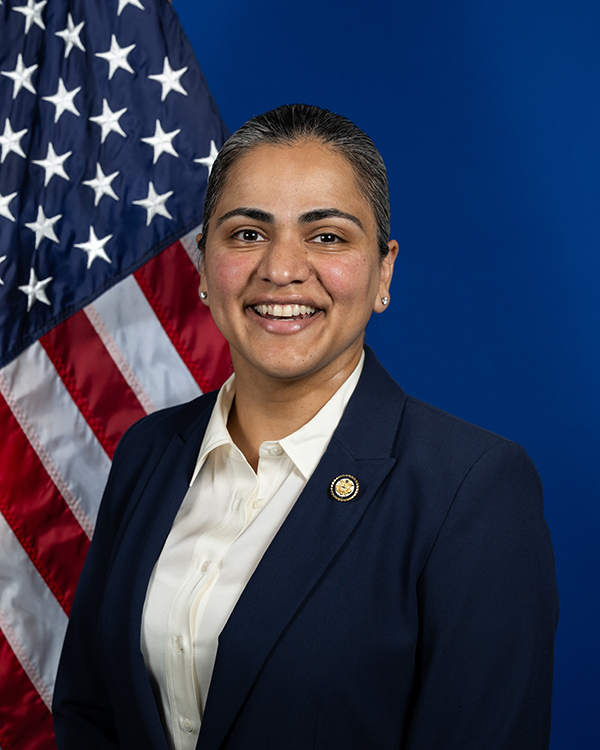
Aisha Wahab
100% support rate
Top opponent
Marsha Blackburn
11% support rate
Ranked legislators
10
5 support · 5 oppose
Key legislators

Who's moving environment in United States

Legislators moving environment in United States
Legislator Party Stance Support rate Decisive votes
Aisha Wahab
Aisha Wahab House · District 14
D
Strong +
100% 7
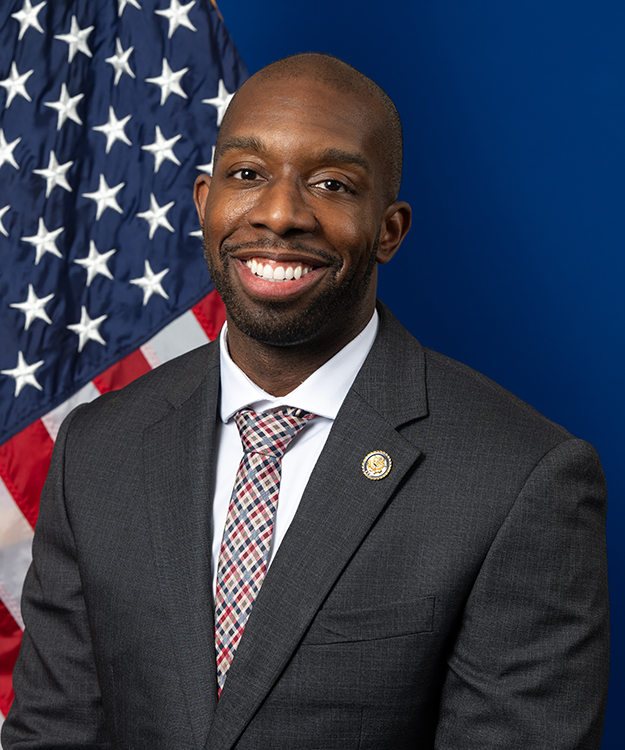
Everton Blair Jr.
Everton Blair Jr. House · District 13
D
Strong +
89% 9
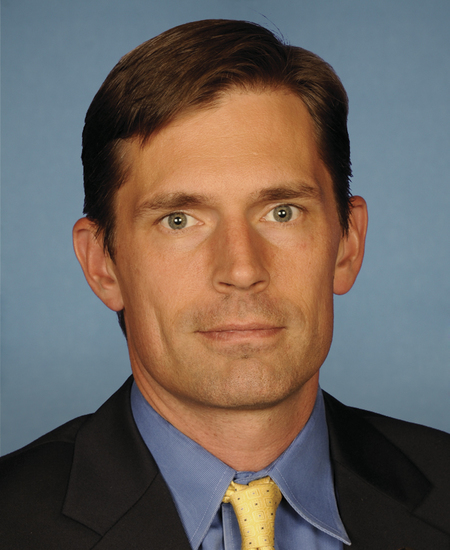
Martin Heinrich
Martin Heinrich Senate
D
Strong +
84% 37
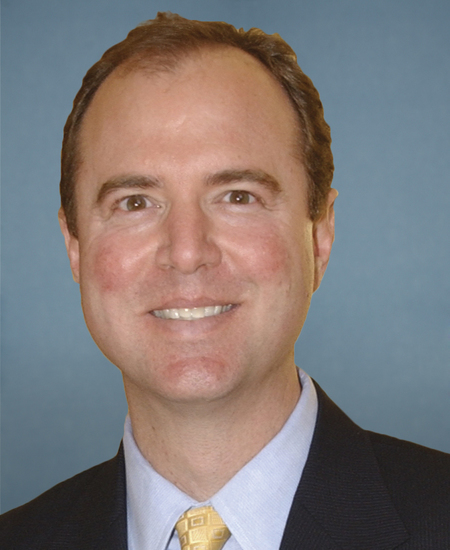
Adam B. Schiff
Adam B. Schiff Senate
D
Support
79% 53
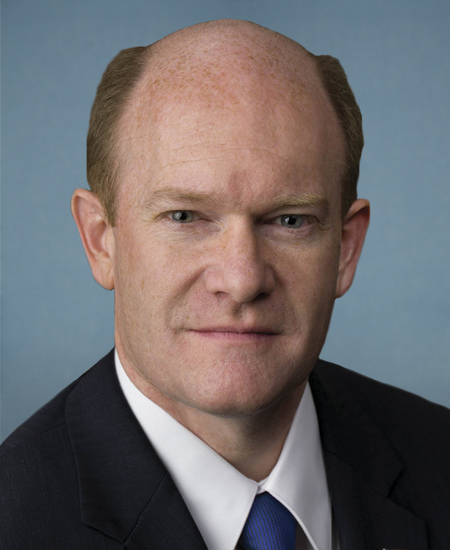
Christopher A. Coons
Christopher A. Coons Senate
D
Support
79% 52
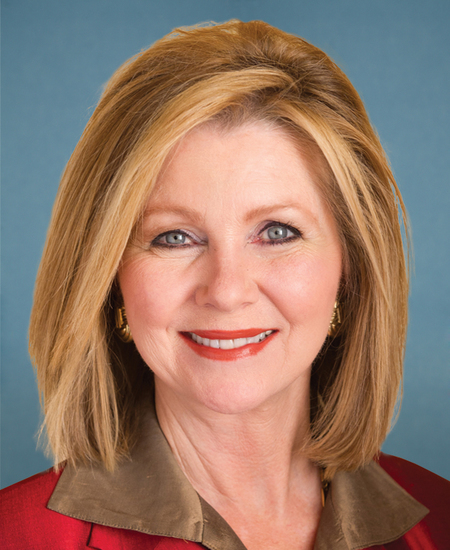
Marsha Blackburn
Marsha Blackburn Senate
R
Strong −
11% 36
Ted Budd
Ted Budd Senate
R
Strong −
20% 40
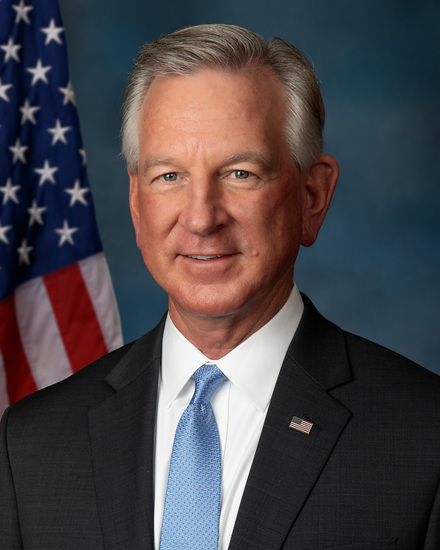
Tommy Tuberville
Tommy Tuberville Senate
R
Oppose
21% 53
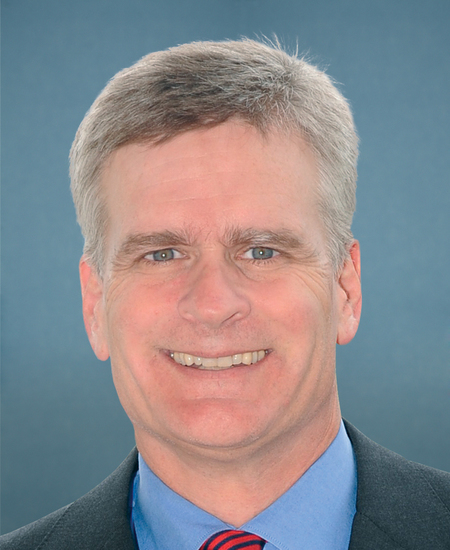
Bill Cassidy
Bill Cassidy Senate
R
Oppose
22% 54
Jerry Moran
Jerry Moran Senate
R
Oppose
23% 53
Showing 911–920 of 2,003 bills

All environment bills

passed · United States · Senate Jun 23, 2025

S 1112: Big Bend National Park Boundary Adjustment Act

This bill allows the Secretary of the Interior to voluntarily acquire approximately 6,100 acres of land (through donation or exchange) to expand Big Bend National Park, as shown on a specific November 2022 map. The acquired land would become part of the park, with the boundary officially revised to include it. The bill prohibits using eminent domain or forced takings for this land acquisition. It directly affects the park's physical boundaries and landowners whose property is acquired through voluntary means.
Sub-Topics Parks & Recreation
in committee · United States · House Jun 23, 2025

HR 4075: Fire Weather Development Act of 2025

The Fire Weather Development Act of 2025 establishes a National Oceanic and Atmospheric Administration (NOAA) program to improve wildfire forecasting, detection, and communication systems. The program will develop better tools for predicting wildfire spread, smoke dispersion, and fire behavior through collaboration with federal agencies, state and local emergency officials, and stakeholders. It authorizes $5 million for fiscal year 2026 to fund research on new technologies like unmanned aircraft systems, advanced satellite detection, and improved communication systems. The bill also creates an Interagency Coordinating Committee on Wildfires and a National Advisory Committee to coordinate wildfire response efforts and provide recommendations to enhance preparedness and response capabilities.
in committee · United States · House Mar 5, 2025

HR 1892: Wireless Electric Vehicle Charging Grant Program Act of 2025

HR 1892 establishes a federal grant program to fund wireless electric vehicle (EV) charging infrastructure across the U.S. The program, authorized with $250 million, provides competitive grants (capped at $25 million per project) to states, transit agencies, and other eligible entities to build or improve wireless charging systems for vehicles - prioritizing fleets (like buses and trucks), underserved communities, and projects that reduce range anxiety. Grants cover up to 80% of project costs, require adherence to Davis-Bacon wage standards, and mandate Buy America rules for equipment. This directly affects local governments and transit providers implementing EV charging networks while aiming to expand EV adoption through accessible, grid-friendly infrastructure.
in committee · United States · House Jan 31, 2025

HR 841: To amend title 54, United States Code, to prohibit the acquisition of land, water, or an interest in land or water from a private landowner using amounts made available under the Land and Water Conservation Fund.

HR 841 amends the Land and Water Conservation Fund (LWCF) provisions in U.S. law to prohibit states from using LWCF funds to purchase land, water, or related interests directly from private landowners. This restriction applies specifically to states receiving financial assistance under the LWCF program. The bill adds a new section (l) to 54 U.S.C. § 200305 and amends § 200306 to explicitly state that LWCF appropriations cannot fund acquisitions from private owners. The policy change directly affects state governments that administer LWCF funds for conservation projects.
in committee · United States · House Feb 20, 2026

HR 7607: METRIC Act

The METRIC Act requires the U.S. Department of Energy to study current energy measurement methods and develop improved metrics for national energy accounting. It mandates a study evaluating how primary energy is measured - particularly its limitations in tracking noncombustion energy sources like solar and wind - and recommends alternatives within 18 months. The bill also directs the Energy Information Administration to collect and publish "incident energy" data (total energy entering systems before conversion, such as sunlight or wind) alongside existing statistics, using surveys and models where direct data isn’t feasible. This aims to create clearer, more comparable energy data for policymakers, researchers, and the public, without changing current energy definitions or policies.
Sub-Topics Solar Tags Data Reporting
in committee · United States · House Apr 28, 2026

HR 4214: Clean Air and Building Infrastructure Improvement Act

HR 4214 requires the Environmental Protection Agency (EPA) to publish final implementing regulations and guidance for new or revised national air quality standards at the same time as the standards themselves. This affects developers seeking preconstruction permits for facilities like factories or power plants, as the new standards cannot be applied to permit reviews until the EPA provides this guidance. The bill also includes a specific provision delaying the application of the 2024 PM2.5 air quality standard to certain permit applications if they meet timing conditions related to the EPA's final designation of affected areas. It does not change the air quality standards or pollution limits themselves, but ensures permit applicants receive clear guidance alongside new rules. The bill focuses on procedural timing for EPA rulemaking to streamline the permitting process.
Sub-Topics Air Quality
in committee · United States · House Jul 10, 2025

HR 4356: Wild Horse and Burro Protection Act of 2025

The Wild Horse and Burro Protection Act of 2025 requires the Bureau of Land Management (BLM) to eliminate helicopter and fixed-wing aircraft use in rounding up wild horses and burros over a two-year phase-out period. It mandates that any remaining aircraft used for these operations must have cameras recording the process, with footage made public in BLM reports. The bill addresses findings that helicopter roundups cost taxpayers over $69.5 million since 2012 and that the BLM spends less than 1% of its budget on fertility controls - a more humane, cost-effective alternative. The legislation also directs the Government Accountability Office to report on humane alternatives, job opportunities, and aircraft impacts on horse populations within one year of enactment.
Sub-Topics Public Lands
in committee · United States · House May 6, 2025

HR 3211: Precision Agriculture Loan Program Act of 2025

HR 3211 establishes a new federal loan program to help crop and livestock producers purchase precision agriculture equipment, which uses technology like GPS, sensors, and data software to manage inputs (such as fertilizer, water, and feed) more efficiently. The program offers loans up to $500,000 with a 12-year term, requiring borrowers to provide security (like a lien on the equipment) and demonstrating creditworthiness and repayment ability. The USDA must report annually on loan recipients - including farm size, demographics, equipment categories used, and estimated environmental benefits - to Congress and the public. This directly affects farmers seeking to adopt efficiency-focused technology, with no eligibility restrictions based on farm size or type.
Tags Agriculture
in committee · United States · House Feb 28, 2025

HR 774: PASTURES Act

The PASTURES Act prohibits federal agencies from penalizing livestock owners for grazing on specific federal lands without existing fences. It directly affects ranchers and livestock owners (cattle, bison, horses, sheep, goats) who graze on National Forest System lands, Fish and Wildlife Service lands, or public lands bordering private property where grazing was previously permitted but later prohibited. The bill requires the Secretary of Agriculture or Interior to cover all costs for constructing or maintaining fences meant to prevent grazing on these lands. This changes the financial responsibility from landowners to the federal government for fence-related expenses on designated "covered lands."
in committee · United States · House Jan 28, 2025

HR 745: Abundant American Resources Act of 2025

HR 745 requires federal agencies to conduct studies on the monetary value of minerals in specific areas. The Bureau of Land Management, Forest Service, and Bureau of Ocean Energy Management must each complete studies within three years to assess the value of oil, gas, and minerals in designated onshore and offshore areas, excluding national parks and certain monuments. These studies will cover areas like national monuments (excluding marine ones), areas under environmental protection, and lands withdrawn from mining or leasing. The bill does not authorize new mining or leasing but mandates data collection for future decision-making.
Sub-Topics Forestry Public Lands
Showing 911 to 920 of 2,003 bills
Previous 1 … 91 92 93 … 201 Next