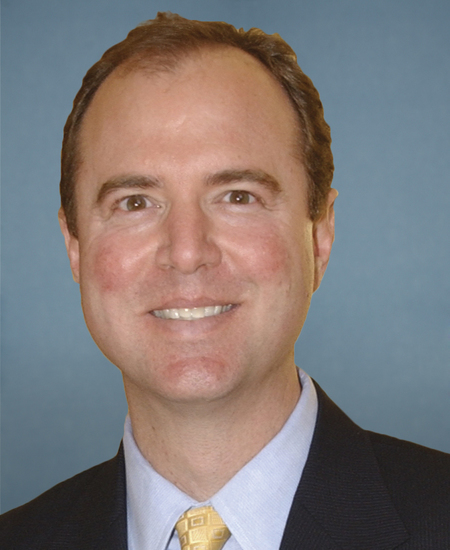
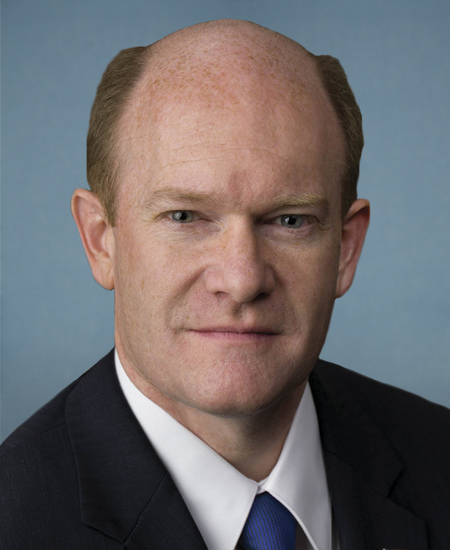
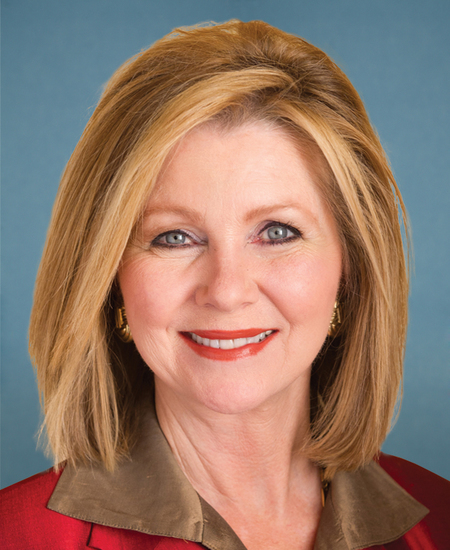
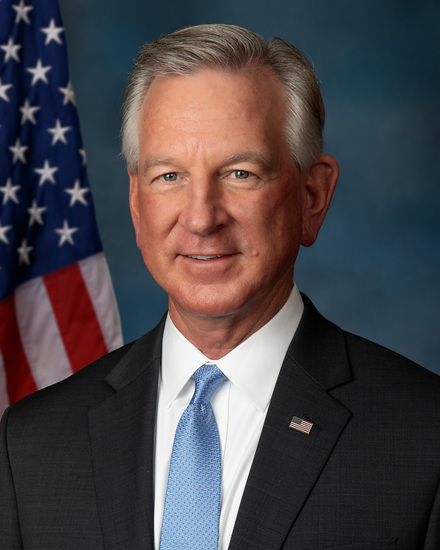
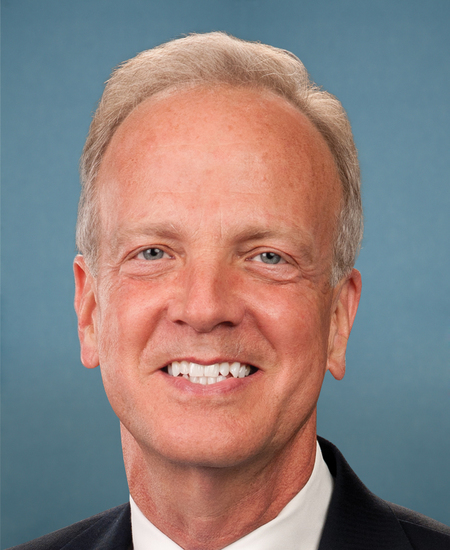
Key legislators
Who's moving environment in United States
Showing 2,001–2,003 of 2,003
bills
All environment bills
This bill repeals multiple tax credits for renewable energy projects, including solar, wind, and clean transportation fuels, which currently provide financial incentives to businesses. It directly affects companies that claim these credits, such as renewable energy developers and manufacturers, by eliminating their eligibility for these tax benefits starting in 2025. Key provisions remove specific sections of the tax code (like Sections 45, 45Q, and 48) and adjust related references to reflect the repeal. The changes apply to taxable years beginning after December 31, 2024, with no new provisions added - only the removal of existing credits.
Topics
✗ Budget & TaxesOpposes Budget & TaxesRepeals renewable energy tax credits (Sections 45, 45Q, 48), eliminating financial incentives for businesses and directly reducing tax benefits under Budget & Taxes.95% confidence
✗ EnergyOpposes EnergyRepeals tax credits for solar, wind, and clean fuels, removing financial incentives for renewable energy development and weakening clean energy standards.95% confidence
✗ EnvironmentOpposes EnvironmentRepeals tax credits for renewable energy (solar, wind, clean fuels), removing financial incentives that support environmental protection and clean energy adoption.95% confidence
✗ TransportationOpposes TransportationRepeals tax credits for clean transportation fuels, eliminating financial incentives for sustainable transport projects and directly defunding this sector.90% confidence
This joint resolution (SJRES 73) seeks to block an Environmental Protection Agency (EPA) rule that set temporary emission standards for volatile organic compounds (VOCs) in aerosol coatings. If passed, it would formally disapprove the EPA's "Interim Final Rule" (published July 2, 2025), preventing it from taking effect. The rule would have required aerosol coating manufacturers to meet specific VOC emission limits, directly affecting companies producing products like spray paints and deodorants. This resolution uses a congressional disapproval process under federal law to halt the EPA's regulatory action.
This resolution (SRES 248) calls on the federal government to create a national biodiversity strategy to address accelerating biodiversity loss. It specifically urges the establishment of a coordinated strategy with key goals, including protecting at least 30% of U.S. lands and waters by 2030 (the "30x30" target), protecting endangered species, integrating climate action, and incorporating Indigenous knowledge. The strategy would require federal agencies to coordinate conservation efforts, collaborate with states, tribes, and communities, and ensure equitable access to nature for historically impacted groups like Tribal communities and communities of color. As a non-binding resolution, it directs agencies to develop this strategy but does not create new laws or funding.