Issue · Environment

Environment

Every environment bill, vote, and legislator stance in United States, automatically classified by Maddy, our AI policy reader.

Total bills
1,989
119th Congress
Top supporter
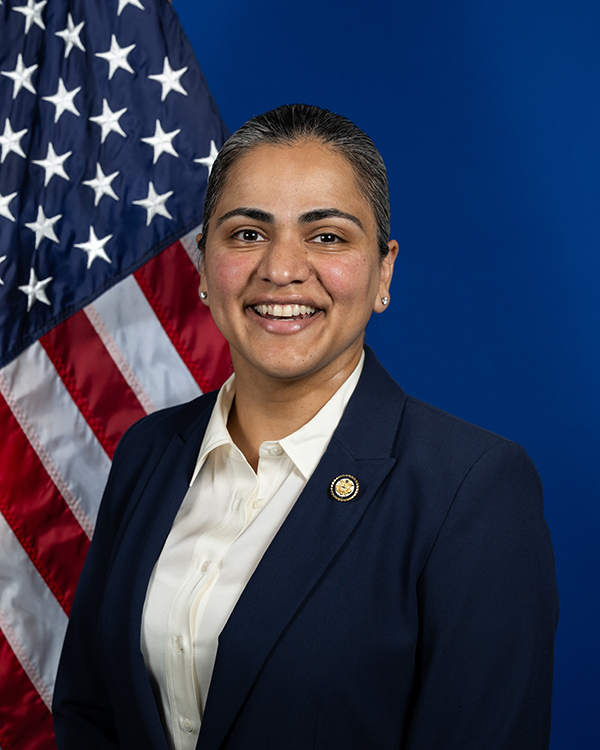
Aisha Wahab
100% support rate
Top opponent
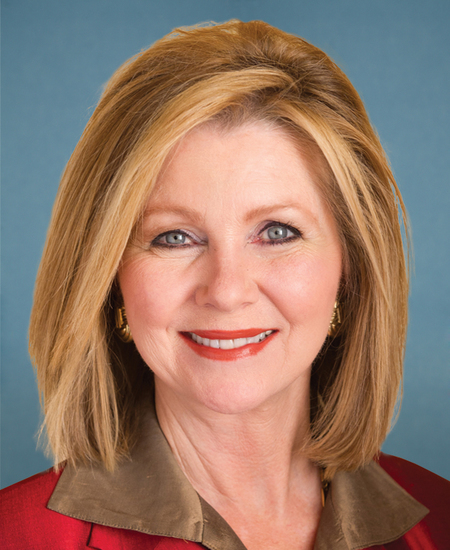
Marsha Blackburn
11% support rate
Ranked legislators
10
5 support · 5 oppose
Key legislators

Who's moving environment in United States

Legislators moving environment in United States
Legislator Party Stance Support rate Decisive votes
Aisha Wahab
Aisha Wahab House · District 14
D
Strong +
100% 7
Everton Blair Jr.
Everton Blair Jr. House · District 13
D
Strong +
89% 9
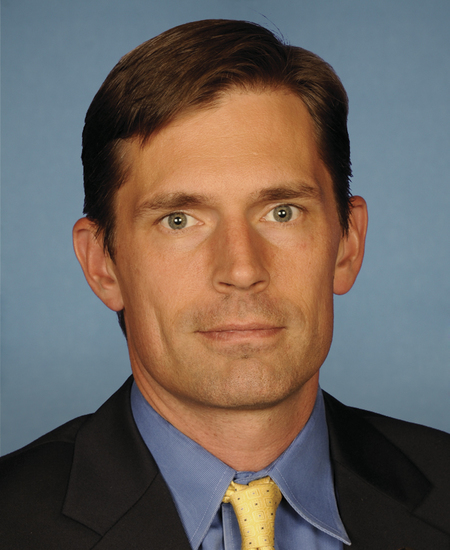
Martin Heinrich
Martin Heinrich Senate
D
Strong +
84% 37
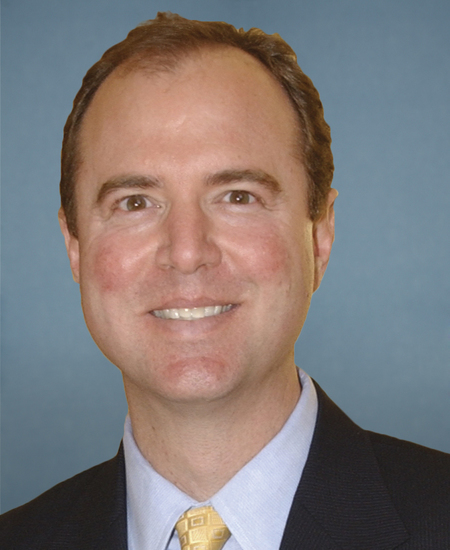
Adam B. Schiff
Adam B. Schiff Senate
D
Support
79% 53
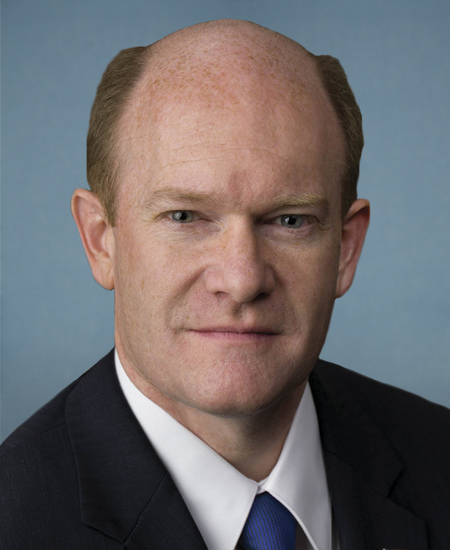
Christopher A. Coons
Christopher A. Coons Senate
D
Support
79% 52
Marsha Blackburn
Marsha Blackburn Senate
R
Strong −
11% 36
Ted Budd
Ted Budd Senate
R
Strong −
20% 40
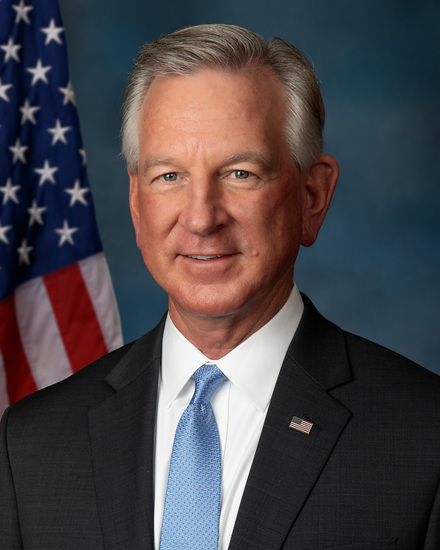
Tommy Tuberville
Tommy Tuberville Senate
R
Oppose
21% 53
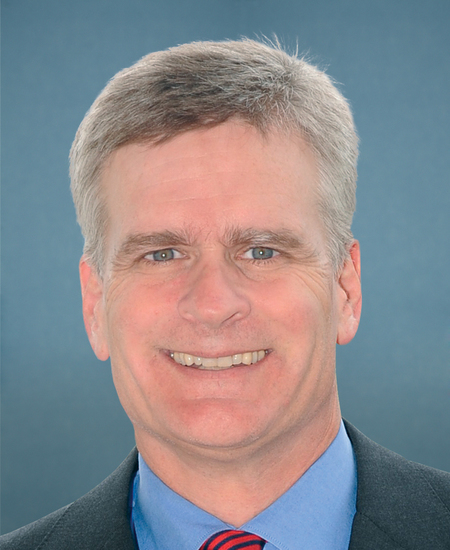
Bill Cassidy
Bill Cassidy Senate
R
Oppose
22% 54
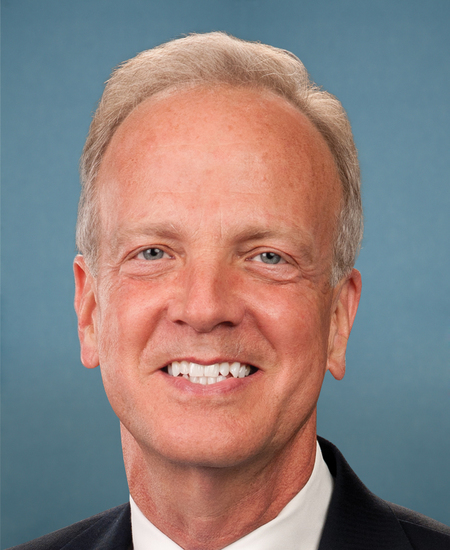
Jerry Moran
Jerry Moran Senate
R
Oppose
23% 53
Showing 751–760 of 1,989 bills

All environment bills

in committee · United States · Senate Jan 13, 2026

S 3621: Protecting Taxpayers from Risky Investments in Venezuela Act

This bill prohibits U.S. federal funds from being used to support Venezuela's oil and petroleum infrastructure, including construction, property purchases, insurance, payments to companies, or government advocacy for the sector. It directly affects all U.S. government departments, agencies, and entities using federal funds, preventing them from financing or promoting Venezuela's oil industry. The prohibition includes all forms of financial support except for expenditures explicitly authorized by future Acts of Congress. Additionally, the Secretary of State must submit annual reports to congressional committees detailing any related activities and confirming compliance.
in committee · United States · House Jan 31, 2026

HR 7301: Maximizing Transportation Efficiency Act

HR 7301, the Maximizing Transportation Efficiency Act, creates a dedicated $20 million annual grant program to fund transportation demand management (TDM) strategies in rural communities. It directly affects rural residents - particularly those with limited car access, elderly or disabled individuals, and low-income families - by supporting projects like vanpooling, carpooling, and trip-planning apps. The bill sets aside funds for eligible recipients (including state agencies, tribes, transit operators, and nonprofits) to develop TDM plans, run marketing campaigns, and implement tools such as real-time traveler systems. These provisions aim to improve rural mobility, reduce transportation costs, and increase access to jobs and essential services through concrete, existing infrastructure improvements.
Sub-Topics Electric Vehicles Rail Transportation Funding Tags Rural Communities
in committee · United States · House Jun 13, 2025

HR 3901: Jurisdictional Determination Backlog Reduction Act

HR 3901, the Jurisdictional Determination Backlog Reduction Act, requires the U.S. Army Corps of Engineers to eliminate existing backlogs for two specific types of applications within 60 days of the bill's enactment. It directly affects developers, construction companies, and others needing federal permits for projects involving waterways (under Clean Water Act Section 404) or jurisdictional determinations. The bill mandates the Corps to expedite processes and reallocate personnel/resources to clear all pending applications as of June 5, 2025. This is a concrete policy change focused on reducing processing delays for permit applicants.
Sub-Topics Water Quality
in committee · United States · House Feb 14, 2025

HR 1393: Wildfire Response Improvement Act

This bill requires FEMA to update its wildfire response policies within one year of enactment. It expands eligibility for fire management assistance to include emergency stabilization efforts regardless of incident timing, updates FEMA's public assistance guide to address wildfire-specific recovery challenges (like debris removal and water toxicity), and mandates a review of cost-effectiveness criteria for wildfire mitigation projects. The review will establish standardized benefits for defensible space projects, prioritize nature-based infrastructure, and consider smoke impacts and water infrastructure protection. These changes directly affect wildfire-impacted communities and FEMA's administration of federal disaster aid under the Stafford Act.
Sub-Topics Drinking Water Forestry Natural Disasters Tags Emergency Management Public Safety
in committee · United States · House Feb 17, 2026

HR 7592: Zero-Based Regulatory Budgeting to Unleash American Energy Act of 2026

HR 7592 requires key energy regulatory agencies - including the Department of Energy, Bureau of Land Management, Bureau of Ocean Energy Management, Bureau of Safety and Environmental Enforcement, Office of Surface Mining, and Federal Energy Regulatory Commission - to set expiration dates for specific energy-related regulations. Existing regulations must expire within one year of enactment, while new regulations expire after five years unless renewed. Renewal requires public comment on costs/benefits and agency determination that the regulation has a "net deregulatory effect," with extensions limited to five years per renewal. If not renewed, regulations cease to be enforceable and are removed from federal rules. The bill directly affects how these agencies manage energy and environmental regulations under specific statutes like the Energy Policy Act and Surface Mining Control Act.
in committee · United States · Senate May 1, 2025

S 1564: Floodplain Enhancement and Recovery Act

S 1564, the Floodplain Enhancement and Recovery Act, exempts ecosystem restoration projects from standard flood insurance map change fees and streamlines approvals for projects that recover or enhance floodplain functions. It allows communities to permit certain restoration projects within regulatory floodways if they meet specific criteria: the project won't increase base flood elevations by more than 1 foot, won't harm critical infrastructure, and includes a post-project analysis submitted within 180 days. The bill directly affects communities, developers, and landowners undertaking floodplain restoration, as it modifies FEMA's processes for approving such projects under the Homeowner Flood Insurance Affordability Act. The Federal Emergency Management Agency (FEMA) must issue implementing guidance within 180 days of the bill's enactment.
Sub-Topics Coastal & Flood Protection Natural Disasters Tags Emergency Management
in committee · United States · House Oct 17, 2025

HR 5785: Voluntary Grazing Permit Retirement Act of 2025

HR 5785 establishes a voluntary program allowing ranchers in 16 Western states (Arizona through Wyoming) to permanently retire their federal grazing permits on designated land areas. Ranchers can submit permits for retirement, but the government will accept no more than 100 nationwide and 25 per state annually. Once retired, the land permanently ends livestock grazing, and no new permits are issued for that area; ranchers also surrender rights to fences and structures (range developments) on the retired land. The bill aims to reduce land-use conflicts while providing ranchers flexibility to exit grazing operations.
in committee · United States · Senate Dec 11, 2025

S 3465: UPGRADE Act of 2025

This bill amends the Safe Drinking Water Act to extend support for small water systems and underserved communities. It updates technical assistance deadlines for small public water systems from 2026 to 2031 (Section 1442(e)(5)) and expands eligibility for assistance to include "unincorporated communities" identified by states with county coordination (Section 1459A). The changes directly affect small water systems and communities lacking municipal status, particularly in rural or disadvantaged areas. The bill provides longer-term funding certainty and broadens access to federal resources for water infrastructure improvements.
in committee · United States · Senate Apr 15, 2026

S 3269: Liquid Cooling for AI Act of 2025

This bill directs the Government Accountability Office (GAO) to conduct a comprehensive study on liquid cooling technologies for data centers, specifically to assess their potential for improving energy efficiency as AI workloads grow. The study will evaluate technical aspects like single-phase vs. 2-phase cooling systems, coolant options, heat-reuse opportunities, and safety considerations, while comparing costs and benefits to traditional air cooling. Federal agencies, including the Department of Energy, will use the findings to inform future decisions about cooling infrastructure for government data centers and AI systems. The bill does not mandate new policies or funding but requires a detailed report within 90 days of enactment to guide future adoption.
in committee · United States · Senate Jul 29, 2025

S 2508: Gas Pipeline Leak Detection and Repair Act of 2025

This bill requires gas pipeline operators to immediately implement a federal safety rule mandating regular leak detection and prompt repair of gas leaks. The rule, finalized by the Pipeline and Hazardous Materials Safety Administration in January 2025, sets specific standards for identifying and fixing leaks in gas pipelines. By making this rule effective upon enactment, the bill removes any delays in its implementation. Pipeline companies operating under federal jurisdiction will be directly affected by these requirements.
Showing 751 to 760 of 1,989 bills
Previous 1 … 75 76 77 … 199 Next