Issue · Environment

Environment

Every environment bill, vote, and legislator stance in United States, automatically classified by Maddy, our AI policy reader.

Total bills
1,989
119th Congress
Top supporter
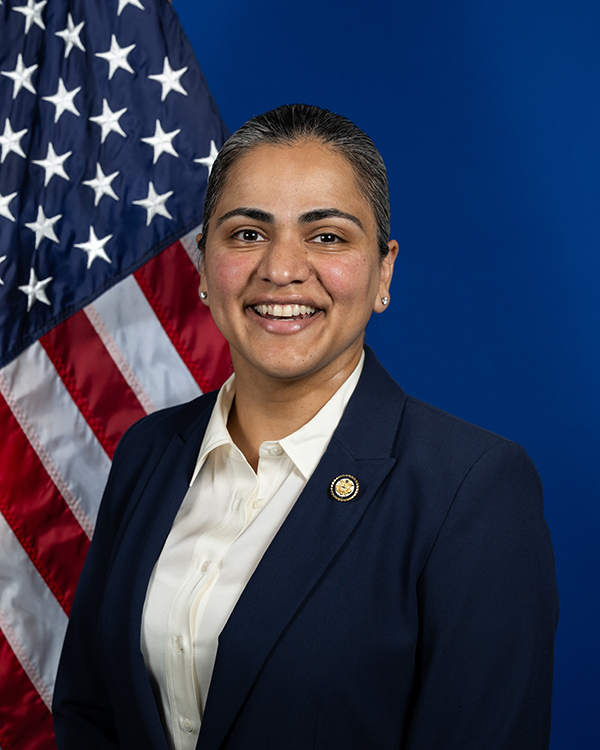
Aisha Wahab
100% support rate
Top opponent
Marsha Blackburn
11% support rate
Ranked legislators
10
5 support · 5 oppose
Key legislators

Who's moving environment in United States

Legislators moving environment in United States
Legislator Party Stance Support rate Decisive votes
Aisha Wahab
Aisha Wahab House · District 14
D
Strong +
100% 7
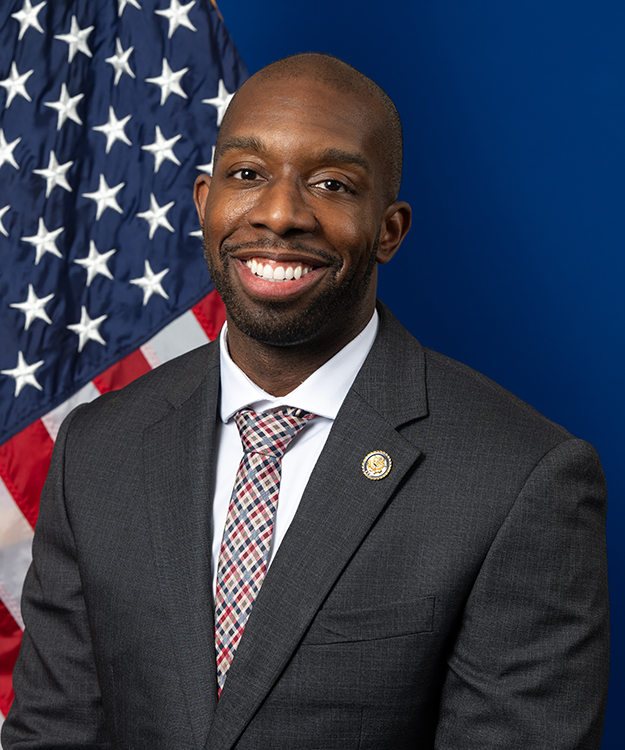
Everton Blair Jr.
Everton Blair Jr. House · District 13
D
Strong +
89% 9
Martin Heinrich
Martin Heinrich Senate
D
Strong +
84% 37
Adam B. Schiff
Adam B. Schiff Senate
D
Support
79% 53
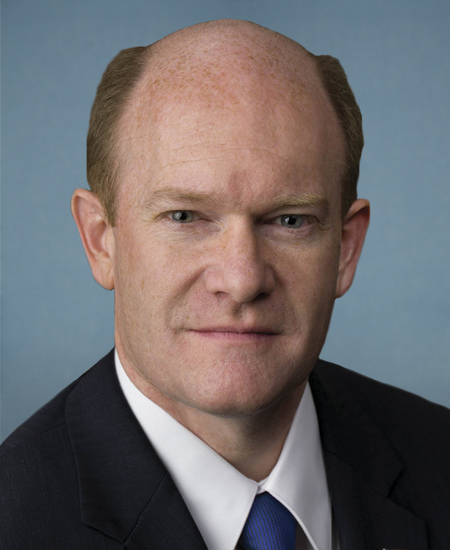
Christopher A. Coons
Christopher A. Coons Senate
D
Support
79% 52
Marsha Blackburn
Marsha Blackburn Senate
R
Strong −
11% 36
Ted Budd
Ted Budd Senate
R
Strong −
20% 40
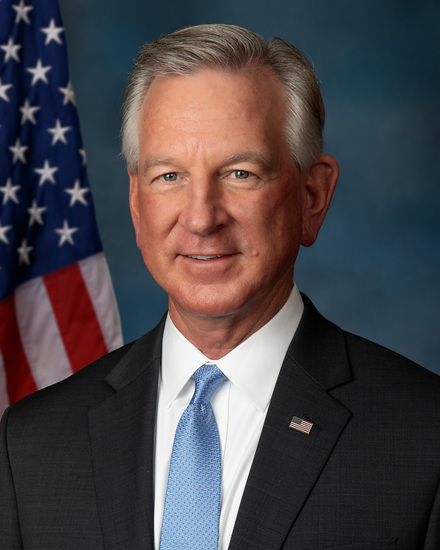
Tommy Tuberville
Tommy Tuberville Senate
R
Oppose
21% 53
Bill Cassidy
Bill Cassidy Senate
R
Oppose
22% 54
Jerry Moran
Jerry Moran Senate
R
Oppose
23% 53
Showing 671–680 of 1,989 bills

All environment bills

passed · United States · Senate Mar 27, 2026

SRES 647: A resolution designating March 21, 2026, as "National Osceola Turkey Day".

This resolution designates March 21, 2026, as "National Osceola Turkey Day" to recognize the cultural and economic significance of wild turkey hunting in the United States. The bill highlights the role of turkey hunting in conservation efforts, particularly in Florida, where revenue from hunting permits supports habitat management through the Wild Turkey Cost Share Program. It notes that the Osceola subspecies is unique to peninsular Florida and is one of five wild turkey subspecies in North America. The resolution encourages Americans to observe the day with ceremonies and activities celebrating turkey hunting traditions.
Sub-Topics Conservation
in committee · United States · House Jun 4, 2025

HR 3742: Offshore Energy Modernization Act of 2025

The Offshore Energy Modernization Act of 2025 sets national offshore wind energy production goals of 30 gigawatts by 2030 and 50 gigawatts by 2035, creating a framework for developing offshore renewable energy projects on the outer Continental Shelf. Key provisions require offshore wind developers to meet domestic content requirements (65% U.S.-made components by 2033), establish project labor agreements for construction, and contribute to an Offshore Renewable Energy Compensation Fund that provides payments to affected communities like commercial fishing interests and Tribal groups. The bill establishes an Offshore Power Administration within the Department of Energy to coordinate transmission infrastructure development and requires more efficient environmental reviews while ensuring meaningful Tribal consultation for projects.
in committee · United States · Senate Jul 31, 2025

S 2633: Saving NOAA’s Workforce Act

This bill prevents the National Oceanic and Atmospheric Administration (NOAA) from implementing layoffs until full funding for its 2026 budget is secured. It bans reductions in force under specific federal personnel rules until Congress enacts the full fiscal year 2026 appropriations. The law directly affects all NOAA employees covered by those federal personnel provisions. The key mechanism is a mandatory funding deadline (2026 budget enactment) that triggers the layoff moratorium, ensuring workforce stability during budget negotiations.
Sub-Topics Unemployment
in committee · United States · Senate May 1, 2025

S 1545: Repeatedly Flooded Communities Preparation Act

This bill requires communities participating in the National Flood Insurance Program that repeatedly experience severe flooding to develop and implement flood mitigation plans. Specifically, it targets communities with at least 50 properties having multiple flood insurance claims totaling over $1,000 each in a 10-year period, or those with unmitigated severe flood damage to public/private facilities. Communities must assess flood risks, create community-specific plans for reducing those risks, and submit them to FEMA for review, with public access to these plans. Failure to comply may result in sanctions, including suspension from the flood insurance program, while FEMA must provide data assistance and consider compliance when distributing mitigation grants.
Sub-Topics Coastal & Flood Protection Natural Disasters Tags Emergency Management
in committee · United States · House Feb 12, 2025

HR 1264: USA Batteries Act

The USA Batteries Act (HR 1264) eliminates federal excise taxes on lead oxide, antimony, and sulfuric acid - key chemicals used in domestic lead battery manufacturing. This change directly affects U.S. battery manufacturers, particularly those producing lead-acid batteries, by removing a tax burden not applied to imported batteries. The bill amends the Internal Revenue Code to strike these chemicals from the Superfund tax table, aiming to reduce production costs for American manufacturers. This policy shift targets a specific tax provision to improve competitiveness in the domestic lead battery industry.
in committee · United States · Senate Feb 12, 2026

S 1464: Buffalo Tract Protection Act

S 1464, the Buffalo Tract Protection Act, withdraws approximately 4,288 acres of federal land in New Mexico (described as Tracts A-D on a 2019 map) from mining claims, mineral leasing, and other disposal under federal law. This directly affects the Bureau of Land Management (BLM), which administers the land, by prohibiting new mineral development on the surface. The bill allows the surface estate to be conveyed (sold or transferred) under existing laws like the Federal Land Policy Act, but requires the federal government to retain all mineral rights permanently.
Sub-Topics Public Lands
in committee · United States · House Apr 17, 2025

HR 2926: National Energy Dominance Council Act of 2025

The National Energy Dominance Council Act of 2025 establishes a new council within the Executive Office of the President, chaired by the Secretary of the Interior and including 20+ cabinet secretaries and White House officials. The council’s primary role is to advise the President on strategies to increase U.S. energy production, reduce unnecessary regulations, and streamline permitting for energy infrastructure. Key provisions require the council to develop a "National Energy Dominance Strategy" within 100 days, focusing on cutting bureaucratic delays, boosting private-sector investment, and fast-tracking projects like natural gas pipelines and Small Modular Nuclear Reactors. The council must also consult with state, local, tribal governments and private sector stakeholders to address energy affordability and reliability for homes, vehicles, and industries.
in committee · United States · House Jan 3, 2025

HR 191: Inflation Reduction Act of 2025

HR 191, titled "Inflation Reduction Act of 2025," is a procedural bill that repeals the Inflation Reduction Act of 2022 (Public Law 117-169) and rescinds its unobligated funds. It directly affects the implementation of the 2022 law by nullifying its provisions and redirecting any remaining unspent budget authority. The bill contains no new policy mechanisms or direct impacts on citizens or programs; its sole action is to undo the previous legislation. This is a straightforward repeal measure with no new funding or regulatory changes. The title is misleading, as the bill does not create a new inflation reduction policy but instead reverses the prior law.
in committee · United States · House Jun 7, 2025

HR 3822: No Desire for Streetcars Act

HR 3822, the "No Desire for Streetcars Act," prohibits federal funding for streetcar projects across multiple transportation programs. The bill amends four key transportation funding laws (surface transportation block grants, congestion mitigation grants, urbanized area grants, and fixed guideway capital grants) to explicitly ban the use of allocated funds for streetcar procurement, operation, or maintenance. This directly affects state and local governments receiving these federal grants, preventing them from using the funds for streetcar-related expenses. The legislation creates a clear, specific restriction on funding without altering other program provisions or making broader policy statements.
in committee · United States · House Nov 19, 2025

HR 338: Every Drop Counts Act

This bill amends federal water storage grant programs under the Infrastructure Investment and Jobs Act to expand eligibility for projects. It sets specific capacity limits: surface water projects must store 200-30,000 acre-feet, while groundwater projects must average 200-150,000 acre-feet annually. Eligible projects must increase storage, convey water to/from storage, or stabilize groundwater levels. The bill also increases the number of annual grants from 5 to 10 and explicitly states it does not override state water laws, federal water rights, or water rights protections.
Showing 671 to 680 of 1,989 bills
Previous 1 … 67 68 69 … 199 Next