Issue · Environment

Environment

Every environment bill, vote, and legislator stance in United States, automatically classified by Maddy, our AI policy reader.

Total bills
1,989
119th Congress
Top supporter
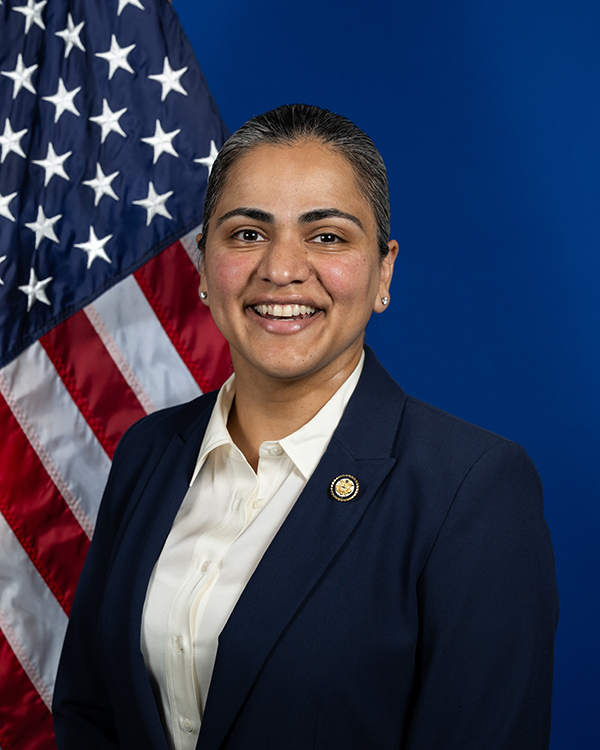
Aisha Wahab
100% support rate
Top opponent
Marsha Blackburn
11% support rate
Ranked legislators
10
5 support · 5 oppose
Key legislators

Who's moving environment in United States

Legislators moving environment in United States
Legislator Party Stance Support rate Decisive votes
Aisha Wahab
Aisha Wahab House · District 14
D
Strong +
100% 7
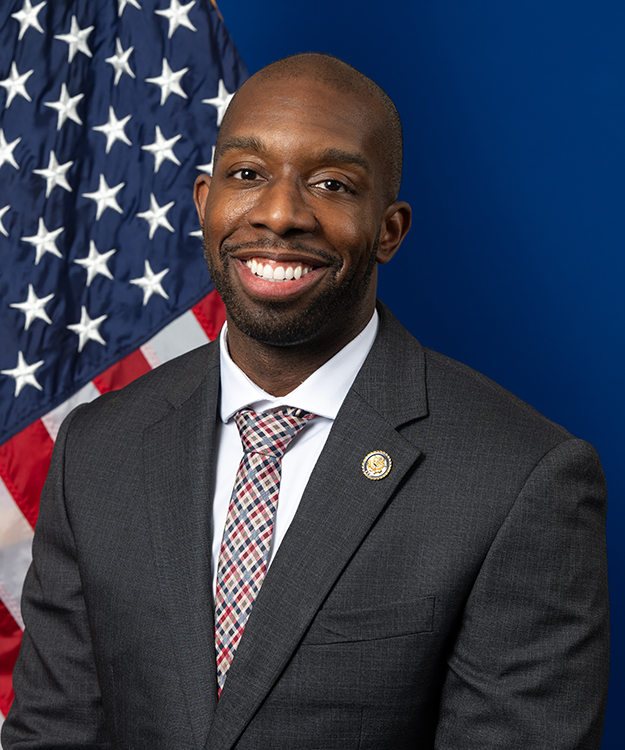
Everton Blair Jr.
Everton Blair Jr. House · District 13
D
Strong +
89% 9
Martin Heinrich
Martin Heinrich Senate
D
Strong +
84% 37
Adam B. Schiff
Adam B. Schiff Senate
D
Support
79% 53
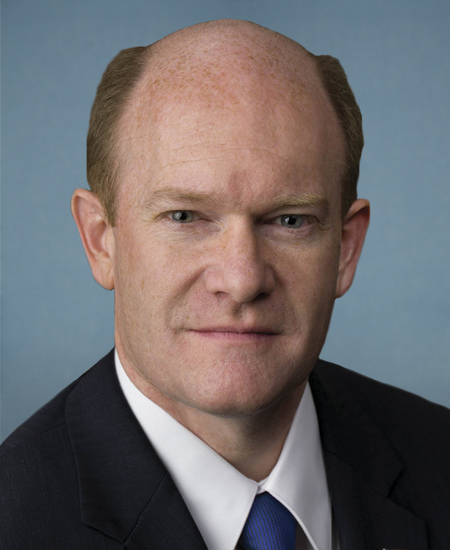
Christopher A. Coons
Christopher A. Coons Senate
D
Support
79% 52
Marsha Blackburn
Marsha Blackburn Senate
R
Strong −
11% 36
Ted Budd
Ted Budd Senate
R
Strong −
20% 40
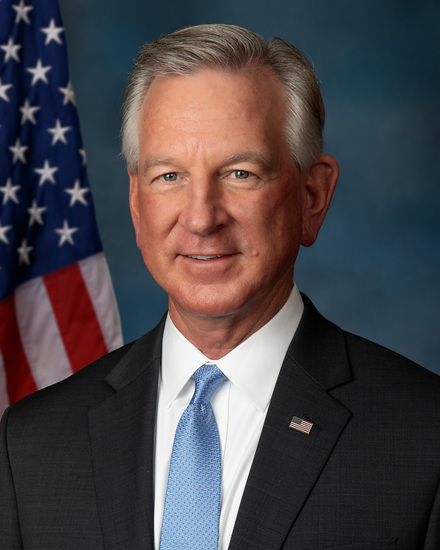
Tommy Tuberville
Tommy Tuberville Senate
R
Oppose
21% 53
Bill Cassidy
Bill Cassidy Senate
R
Oppose
22% 54
Jerry Moran
Jerry Moran Senate
R
Oppose
23% 53
Showing 611–620 of 1,989 bills

All environment bills

in committee · United States · House Dec 16, 2025

HR 6759: To require the Secretary of Defense to establish a pilot program for emerging technologies for moisture control and mitigation in covered housing, to standardize certain mold remediation guidelines, and for other purposes.

HR 6759 requires the Defense Department to test new moisture-control technologies in military housing at 3-5 high-risk bases (prioritizing areas with humidity, rain, or old HVAC systems) for a 5-year pilot program. It also mandates uniform mold remediation guidelines for all military housing, aligning with existing health and industry standards, which must be used in new cleanup contracts starting after the guidelines are issued. The pilot will install sensor-based humidity monitors, test noninvasive mold treatments, upgrade infrastructure, and train staff, with reports to Congress within 180 days after the program ends. This directly affects service members and families living in military housing by addressing mold risks through standardized tech and procedures.
in committee · United States · Senate Mar 12, 2025

S 596: Critical Materials Future Act of 2025

S 596, the Critical Materials Future Act of 2025, establishes a 5-year pilot program under the Department of Energy to support domestic processing of critical materials (like those used in clean energy and defense tech). The program provides financial support - using tools such as price guarantees and contracts - to attract private investment for 3+ eligible projects that refine or recycle raw materials into usable forms, prioritizing those using domestic or reliable sources (e.g., U.S. partners or allies with free trade agreements). It requires annual reports to Congress and a final study to evaluate the effectiveness of these financial tools in building secure supply chains and reducing reliance on imports from countries of concern. The pilot is funded with $750 million and aims to enhance energy and national security through market stability.
Sub-Topics Renewable Energy
passed · United States · House Feb 12, 2026

HR 261: Undersea Cable Protection Act of 2025

The Undersea Cable Protection Act of 2025 prohibits the National Marine Sanctuaries Act from requiring additional authorizations for undersea fiber optic cables that already have federal or state permits. It directly affects cable operators who have obtained licenses, leases, or permits from any federal or state agency for cable installation or maintenance in national marine sanctuaries. The bill prevents the Secretary from blocking or demanding new permits for these cables once they have valid existing authorization. This simplifies regulatory processes by eliminating redundant federal oversight for cables already approved by other agencies.
Sub-Topics Broadband Access
in committee · United States · House Mar 7, 2025

HR 956: Aerial Firefighting Enhancement Act of 2025

HR 956, the Aerial Firefighting Enhancement Act of 2025, updates the 1996 Wildfire Suppression Aircraft Transfer Act to improve how the Department of Defense sells aircraft and parts for wildfire fighting. It specifically adds "water" to the list of materials usable for suppression (alongside fire retardant) and clarifies that sold aircraft can only be used for wildfire suppression services, not other purposes. The bill extends the authorization period for these sales from October 1, 2025, to October 1, 2035. This directly affects the Department of Defense, which manages the sales, and wildfire suppression agencies that would use the aircraft and equipment. The changes aim to streamline access to aerial firefighting resources while ensuring they are used solely for wildfire response.
in committee · United States · House Oct 3, 2025

HR 501: Promoting Resilient Buildings Act of 2025

This bill creates a 3-year pilot program (2025-2028) using up to 10% of existing disaster relief funds to help low-income homeowners in disaster-prone areas make resilience upgrades to their homes. It funds specific retrofits like floodproofing, seismic upgrades, wildfire mitigation, and hurricane-resistant roofing to reduce damage from natural disasters. The program requires states to prioritize financially needy homeowners and mandates a detailed report by 2029 on outcomes, including homes retrofitted, costs, and avoided disaster costs. It applies only to funds appropriated after the bill's enactment.
Sub-Topics Forestry Natural Disasters Building Codes Tags Emergency Management
in committee · United States · House Jun 10, 2025

HR 3892: Flow Act

HR 3892, the Flow Act, clarifies that replacing privately-owned lead service lines connected to public water systems does not count as "private business use" under federal tax law. This change directly affects public water systems and issuers of tax-exempt bonds by allowing them to use bond proceeds for lead pipe replacement without disqualifying the bonds from tax-exempt status. The bill specifies that funds used to replace lead service lines to comply with federal lead regulations (as defined in the Safe Drinking Water Act) qualify for this tax treatment. The provision applies to bonds issued after December 31, 2025, facilitating future financing for lead pipe removal projects.
in committee · United States · House Feb 26, 2026

HR 7728: Connect the Grid Act

HR 7728, the Connect the Grid Act, requires Texas' ERCOT grid to connect with neighboring power systems by repealing its special exemptions from federal grid regulations. It mandates minimum power flow capacity between ERCOT and other grids (SPP, MISO, and the Western Interconnection) ranging from 2.5 to 12.6 gigawatts, with specific deadlines for new transmission projects by 2037. The bill directs grid operators to prioritize using existing infrastructure, degraded land sites, renewable energy access, and community engagement - including environmental justice and Tribal communities - in planning new transmission. It also increases federal funding for transmission projects and requires a study on benefits of connecting with Mexico’s grid.
passed · United States · Senate Jun 16, 2025

SRES 247: A resolution designating May 2025 as "National Wildfire Preparedness Month".

SRES 247 designates May 2025 as "National Wildfire Preparedness Month" to raise awareness about wildfire risks across the United States. The resolution highlights increasing wildfire frequency, scale, and human causes (85% of wildland fires), while emphasizing preventative measures like fire-resistant construction, community planning, evacuation readiness, vegetation management, and reducing human ignitions. It encourages federal, state, local, tribal, and community efforts to promote preparedness through education and resources. The resolution does not create new laws or funding but aims to foster nationwide awareness and adoption of proven fire mitigation practices.
in committee · United States · Senate Dec 18, 2025

S 3579: Bycatch Reduction and Research Act of 2025

This bill establishes the Bycatch Reduction and Research Task Force to study Alaska salmon migration and bycatch, requiring research on salmon tagging, genetic sampling, and ecosystem impacts in the Bering Sea, Aleutian Islands, and Gulf of Alaska. It creates a new Bycatch Mitigation and Habitat Protection Assistance Fund to help commercial fishermen purchase or modify gear designed to reduce bycatch and habitat damage. The bill also mandates improved electronic monitoring systems, streamlined permit processes for innovative gear, and annual reports on research findings and data integration strategies. These provisions directly affect Alaskan commercial fisheries, salmon management, and coastal communities relying on sustainable fishing practices. The legislation requires final reports within three years detailing research outcomes and recommendations for reducing salmon bycatch.
in committee · United States · Senate Dec 15, 2025

S 3478: Indian Buffalo Management Act

This bill authorizes the U.S. Department of the Interior to provide funding, contracts, and technical assistance to Indian Tribes and Tribal organizations for buffalo restoration and management on tribal lands. It requires the Department to consult with tribes on buffalo-related initiatives and allows tribes to receive surplus buffalo from federal land without cost. The law supports tribes in using buffalo for cultural preservation, subsistence, and economic development through programs like meat processing and habitat management. It explicitly protects tribal treaty rights and mandates that all actions align with tribal laws and management plans.
Sub-Topics Conservation Public Lands Tags Tribal Nations
Showing 611 to 620 of 1,989 bills
Previous 1 61 62 63 199 Next