Issue · Environment

Environment

Every environment bill, vote, and legislator stance in United States, automatically classified by Maddy, our AI policy reader.

Total bills
1,989
119th Congress
Top supporter
Aisha Wahab
100% support rate
Top opponent
Marsha Blackburn
11% support rate
Ranked legislators
10
5 support · 5 oppose
Key legislators

Who's moving environment in United States

Legislators moving environment in United States
Legislator Party Stance Support rate Decisive votes
Aisha Wahab
Aisha Wahab House · District 14
D
Strong +
100% 7
Everton Blair Jr.
Everton Blair Jr. House · District 13
D
Strong +
89% 9
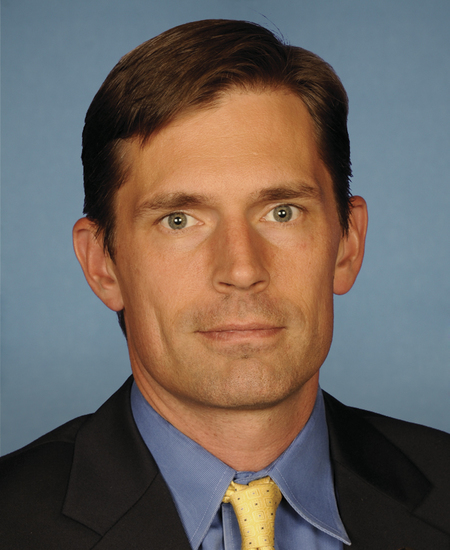
Martin Heinrich
Martin Heinrich Senate
D
Strong +
84% 37
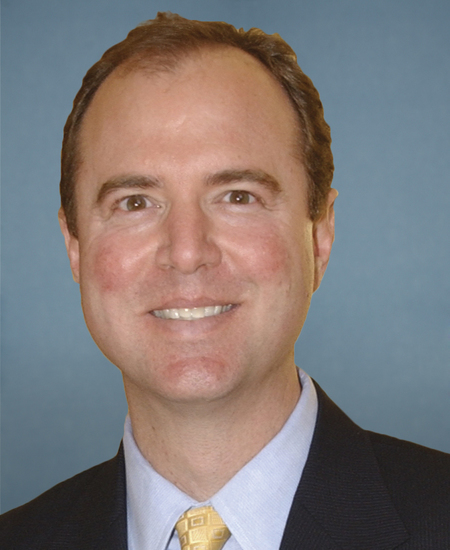
Adam B. Schiff
Adam B. Schiff Senate
D
Support
79% 53
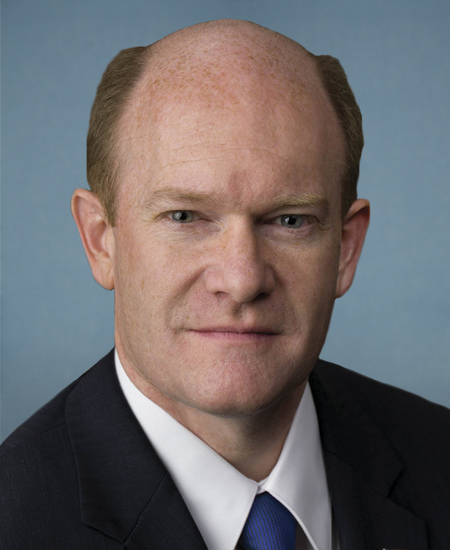
Christopher A. Coons
Christopher A. Coons Senate
D
Support
79% 52
Marsha Blackburn
Marsha Blackburn Senate
R
Strong −
11% 36
Ted Budd
Ted Budd Senate
R
Strong −
20% 40
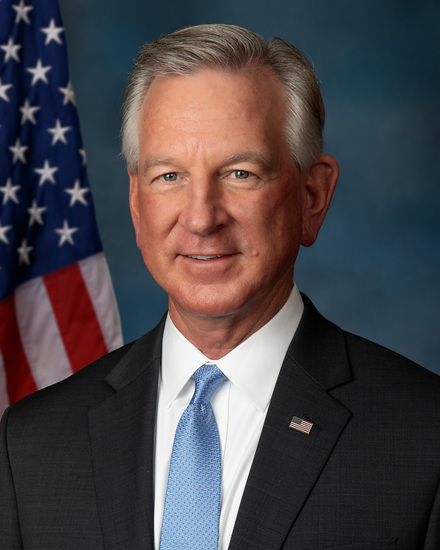
Tommy Tuberville
Tommy Tuberville Senate
R
Oppose
21% 53
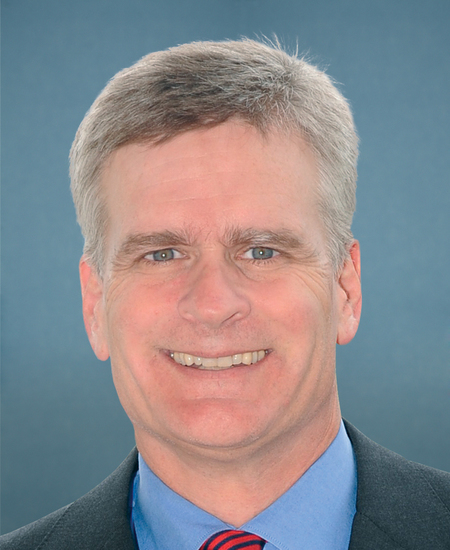
Bill Cassidy
Bill Cassidy Senate
R
Oppose
22% 54
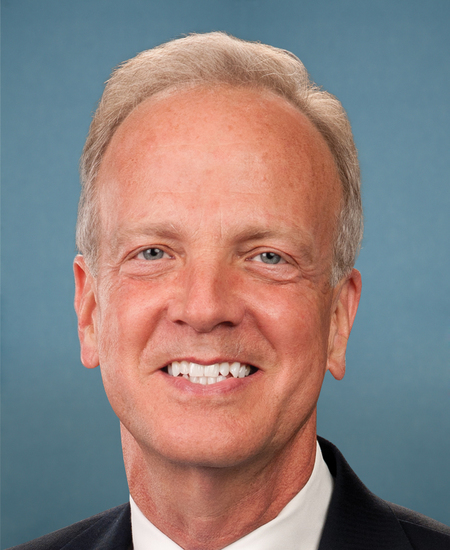
Jerry Moran
Jerry Moran Senate
R
Oppose
23% 53
Showing 601–610 of 1,989 bills

All environment bills

passed · United States · House Mar 17, 2026

HR 1366: Mining Regulatory Clarity Act

Mining Regulatory Clarity Act This bill allows mining operators to use federal lands for activities ancillary to mining, such as waste disposal, regardless of whether those lands contain mineral deposits valuable enough to be mined (mineral validity). It also establishes the Abandoned Hardrock Mine Fund. The bill addresses a 2022 decision in the U.S. Court of Appeals for the Ninth Circuit related to the Rosemont Copper Mine in Arizona (commonly known as the Rosemont decision , described further in CRS Report R48166 ). The court held that mining claims are only allowed where mineral validity has been established and that mill site claims are more appropriate means for establishing a mining waste disposal site under the Mining Act. The bill allows a mining operator to (1) locate and include within its plan of operations as many mill site claims (e.g., areas for waste rock disposal) as are reasonably necessary for its operations, and (2) use or occupy public land in accordance with an approved plan of operations. Additionally, the bill requires any revenue generated from fees for such mill site claims to be deposited into the Abandoned Hardrock Mine Fund. The Department of the Interior must use the fund for certain abandoned hardrock mine reclamation activities.
in committee · United States · House Sep 10, 2026

HR 2323: Big Bend National Park Boundary Adjustment Act

HR 2323, the Big Bend National Park Boundary Adjustment Act, would expand Big Bend National Park by adding approximately 6,100 acres of land. The Secretary of the Interior may acquire this land through donation or exchange (not eminent domain), using a specific map dated November 2022. Once acquired, the land becomes part of the park and is managed under existing laws. The map must be publicly available for inspection at National Park Service offices.
Sub-Topics Parks & Recreation
in committee · United States · House Mar 25, 2025

HR 2345: Ocmulgee Mounds National Park and Preserve Establishment Act

This bill redesignates the existing Ocmulgee Mounds National Historical Park as Ocmulgee Mounds National Park and establishes a separate Ocmulgee Mounds National Preserve in Georgia. It allows voluntary land acquisition (via purchase, donation, or exchange) for both areas without eminent domain, and requires the Secretary of the Interior to develop a management plan prioritizing cultural resource preservation for the Muscogee (Creek) Nation. The bill mandates tribal consultation, provides hiring preferences for tribal members, and ensures protection of sacred sites. It also places 126 acres of tribal land into federal trust for the Muscogee (Creek) Nation.
in committee · United States · Senate Feb 10, 2026

S 3814: ARC Act of 2026

The ARC Act of 2026 establishes a $3.6 billion federal program to provide cost certainty for advanced nuclear energy projects seeking loan guarantees under the Energy Policy Act of 2005. It requires qualifying projects to submit detailed cost estimates, schedule risk analyses, and a project delivery plan to demonstrate on-time, on-budget construction. Borrowers cover cost overruns up to 120% of the base cost estimate, after which the program covers up to 30% of that base estimate (capped at $1.2 billion per project). This directly affects advanced nuclear reactor developers and project owners seeking federal loan guarantees, with strict oversight requirements including quarterly progress reviews and annual schedule updates.
Sub-Topics Nuclear
in committee · United States · House Mar 28, 2025

HR 1923: Modernizing Wildfire Safety and Prevention Act of 2025

HR 1923, the Modernizing Wildfire Safety and Prevention Act of 2025, establishes training programs for wildfire professionals and improves retirement benefits for firefighters. It creates a National Smoke Monitoring and Alert System to protect public health during wildfire events and requires payment for wildfire recovery programs within 90 days of application approval. These provisions directly affect federal firefighters, wildfire response organizations, and communities in wildfire-prone areas. The bill also includes mechanisms for workforce development, casualty assistance, and data sharing to enhance wildfire management and public safety.
Sub-Topics Forestry Natural Disasters Workforce Development Tags Public Safety
in committee · United States · Senate Sep 18, 2025

S 2901: Safer Emergency and Evacuation Routes Response Act of 2025

S 2901 creates a voluntary pilot program for states to link wildfire hazard alerts from the National Weather Service with local traffic management systems. This would automatically send real-time updates about road closures and evacuation routes to drivers during wildfires, using existing technology without requiring new systems or centralized infrastructure. The program, funded through current transportation research budgets, must be evaluated after two years and explicitly states the federal government cannot direct roadway closure decisions.
in committee · United States · Senate Jun 18, 2026

S 1898: ORBITS Act of 2025

The ORBITS Act of 2025 directs the U.S. government to address orbital debris (human-made space junk) by requiring the Commerce Department to publish a public list of high-risk debris within 90 days of enactment. It authorizes $150 million for NASA to establish a demonstration project, partnering with commercial companies, universities, or nonprofits to develop technologies for actively removing debris from orbit. The bill also mandates updates to national debris mitigation standards and space traffic coordination practices, with requirements for annual reports to Congress on progress. These provisions primarily affect NASA, the Commerce Department, and commercial space operators involved in debris remediation efforts.
in committee · United States · House Oct 24, 2025

HR 5814: Natural Gas Export Expansion Act

This bill streamlines approval for natural gas exports by creating an expedited process under the Natural Gas Act. It removes the requirement for formal approval orders when exporting to Canada or Mexico. Exports to nations under U.S. sanctions or designated by the President/Congress for national security reasons are excluded from the expedited process. The bill directly affects natural gas exporters seeking to expand international sales, primarily changing the application and approval procedures for foreign markets.
in committee · United States · House Jul 14, 2025

HR 4377: Tribal Access to Clean Water Act of 2025

The Tribal Access to Clean Water Act of 2025 provides federal funding to address the lack of clean water and sanitation on Tribal lands and for the Native Hawaiian Community. The bill authorizes $100 million annually for USDA water infrastructure loans and grants, $500 million annually for Indian Health Service sanitation facilities, $100 million annually for operation and maintenance of water systems, and $30 million annually for technical assistance to help Tribal communities access and manage water infrastructure funding. It specifically expands eligibility to include Native Hawaiian organizations, addresses gaps in previous infrastructure funding, and requires no matching contributions from Tribal communities. The bill targets the situation where nearly half of households on Tribal lands lack reliable water sources and basic sanitation.
Sub-Topics Drinking Water Water Quality Tags Tribal Nations
passed · United States · House Jun 3, 2026

HR 2768: Benton MacKaye National Scenic Trail Feasibility Study Act of 2026

HR 2768, the Benton MacKaye National Scenic Trail Feasibility Study Act of 2025, requires the U.S. Secretary of Agriculture to conduct a study within one year of enactment to determine if the 287-mile Benton MacKaye Trail - which runs through Georgia, Tennessee, and North Carolina, traversing national forests, wilderness areas, and the Great Smoky Mountains National Park - should be designated as a National Scenic Trail. The study must evaluate the trail’s suitability for this designation, considering its current use, maintenance, economic benefits to rural communities, and existing federal land management. This bill does not change the trail’s status but sets a process to assess its potential future designation under the National Trails System Act.
Showing 601 to 610 of 1,989 bills
Previous 1 60 61 62 199 Next