Issue · Environment

Environment

Every environment bill, vote, and legislator stance in United States, automatically classified by Maddy, our AI policy reader.

Total bills
2,003
119th Congress
Top supporter
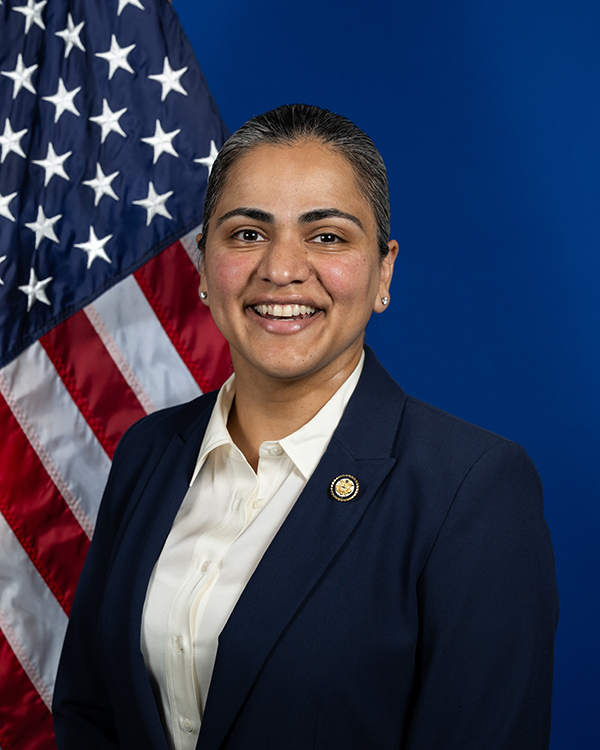
Aisha Wahab
100% support rate
Top opponent
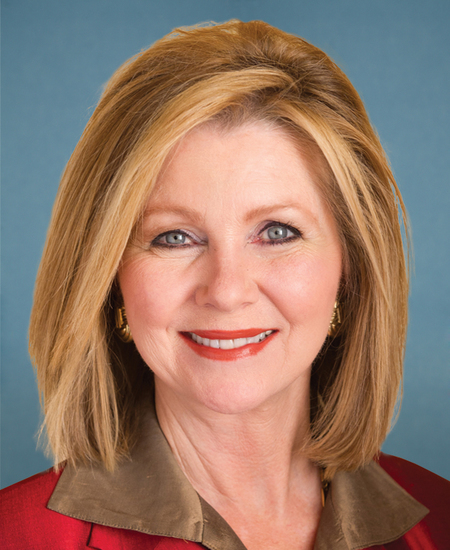
Marsha Blackburn
11% support rate
Ranked legislators
10
5 support · 5 oppose
Key legislators

Who's moving environment in United States

Legislators moving environment in United States
Legislator Party Stance Support rate Decisive votes
Aisha Wahab
Aisha Wahab House · District 14
D
Strong +
100% 7
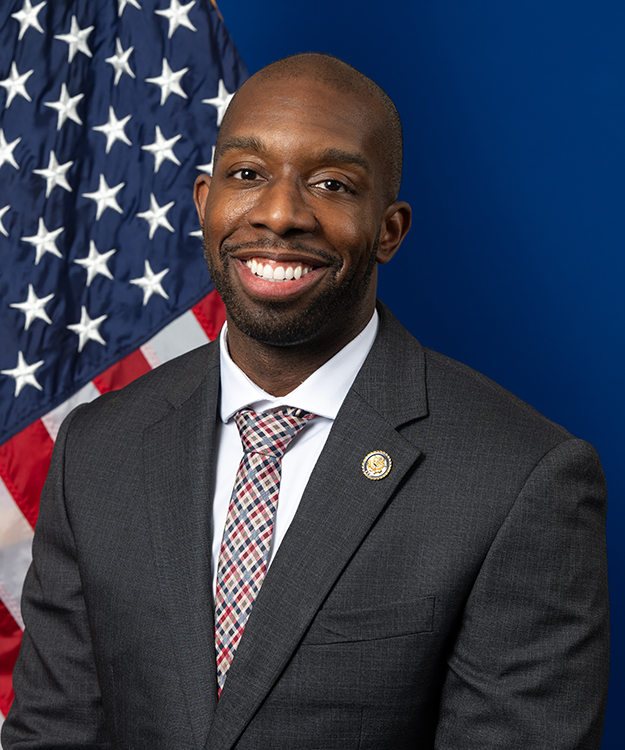
Everton Blair Jr.
Everton Blair Jr. House · District 13
D
Strong +
89% 9
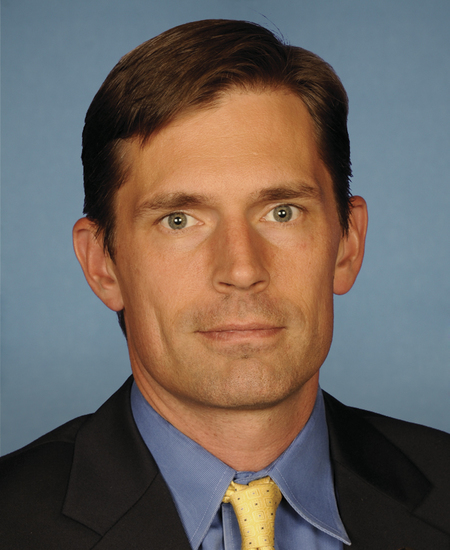
Martin Heinrich
Martin Heinrich Senate
D
Strong +
84% 37
Adam B. Schiff
Adam B. Schiff Senate
D
Support
79% 53
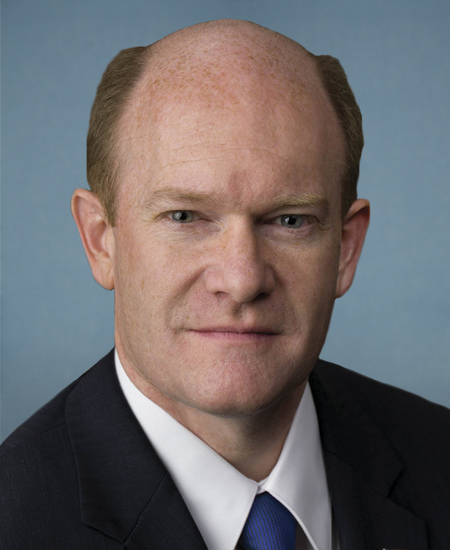
Christopher A. Coons
Christopher A. Coons Senate
D
Support
79% 52
Marsha Blackburn
Marsha Blackburn Senate
R
Strong −
11% 36
Ted Budd
Ted Budd Senate
R
Strong −
20% 40
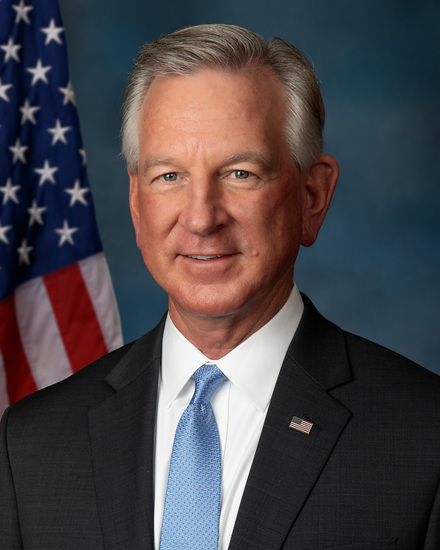
Tommy Tuberville
Tommy Tuberville Senate
R
Oppose
21% 53
Bill Cassidy
Bill Cassidy Senate
R
Oppose
22% 54
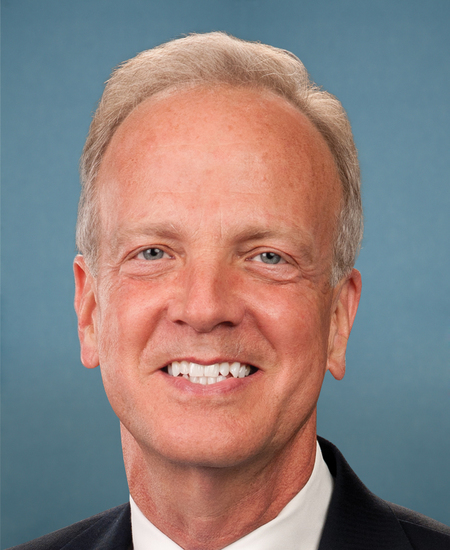
Jerry Moran
Jerry Moran Senate
R
Oppose
23% 53
Showing 1,171–1,180 of 2,003 bills

All environment bills

in committee · United States · House Apr 7, 2025

HR 2697: Finger Lakes National Heritage Area Act

HR 2697 designates the Finger Lakes region in 14 New York counties (including Cayuga, Monroe, and Seneca) as a National Heritage Area, managed by the Finger Lakes Tourism Alliance. It requires the local entity to submit a management plan to the Interior Secretary within three years of enactment. The program will end automatically 15 years after the bill's passage. This bill creates a formal framework for preserving and promoting the area's cultural and natural resources, directly affecting local tourism and conservation efforts across the designated counties.
Sub-Topics Conservation
in committee · United States · House Mar 31, 2025

HR 2500: Abandoned Vessel Prevention Act

HR 2500, the Abandoned Vessel Prevention Act, holds the original seller liable for cleanup and damage costs if a decommissioned commercial vessel (or a recreational vessel previously used commercially) sinks after being transferred for recreational use. It directly affects individuals or companies selling such vessels, requiring them to cover specified expenses like pollution cleanup, debris removal, and water intake repairs if the vessel sinks. Exceptions apply for vessels under 35 feet, under 40 years old, or if the new owner has insurance covering these costs. The law shifts financial responsibility from taxpayers to the transferor for preventable sinkings of converted commercial vessels.
in committee · United States · Senate Feb 4, 2025

S 386: Critical Water Resources Prioritization Act of 2025

This bill creates a temporary exemption process under the Endangered Species Act for water projects meeting "critical human water needs," such as municipal drinking water, firefighting, public health, or food security. Water management agencies (federal, state, or local) must first exhaust conservation measures and alternative water sources before seeking an exemption. Exemptions last up to 180 days and require monthly reports on water use, alternative development efforts, and species impacts, with annual reports to Congress. The Secretary of the Interior must issue implementing regulations within 180 days of enactment. This directly affects water agencies managing critical infrastructure during shortages while maintaining ESA protections through strict conditions and oversight.
in committee · United States · House Jul 10, 2025

HR 4308: To amend the Energy Independence and Security Act of 2007 to reauthorize the Energy Efficiency and Conservation Block Grant Program, and for other purposes.

HR 4308 reauthorizes the Energy Efficiency and Conservation Block Grant Program through 2030, providing $3.5 billion annually for state and local governments to fund energy efficiency projects. The bill expands eligible uses to include infrastructure for alternative fuels and energy distribution technologies like district heating systems and distributed energy resources. It directs grants toward diversifying energy supplies and increasing efficiency, with administrative costs capped at 1% of annual funding. This program directly supports communities implementing clean energy initiatives under the 2007 Energy Independence Act.
in committee · United States · Senate Feb 12, 2026

S 2860: Revitalizing America’s Offshore Critical Minerals Dominance Act

S 2860 (Revitalizing America’s Offshore Critical Minerals Dominance Act) aims to accelerate U.S. development of seabed mineral resources on the Outer Continental Shelf. It directs federal agencies to expedite permits for exploration and commercial recovery of critical minerals like nickel, cobalt, and rare earth elements - key for defense, energy, and manufacturing - while requiring a seabed mapping plan and identifying minerals essential for national security. The bill also mandates coordination with allies to support international partnerships for seabed mineral development and environmental monitoring. This primarily affects U.S. companies seeking seabed mineral rights and federal agencies managing offshore resources.
in committee · United States · House May 15, 2025

HR 3456: CHER Act of 2025

The CHER Act of 2025 bans the display, housing, management, and breeding of African and Asian elephants in U.S. zoos and safari parks after one year from its enactment. It requires existing elephants in these facilities to be transferred to authorized wildlife sanctuaries within three years. Authorized sanctuaries must be nonprofit, accredited, provide lifelong care without breeding or public entertainment, and meet specific space and veterinary standards. The bill also mandates a feasibility study and grant program to support the transition and care of elephants in sanctuaries.
Sub-Topics Wildlife
in committee · United States · Senate Jan 14, 2025

S 85: Continued Rapid Ohia Death Response Act of 2025

S 85 authorizes $5 million annually from 2026 to 2036 to address Rapid Ohia Death, a fungus killing over 1 million native ohia trees in Hawaii. The bill directs federal agencies (Interior and Agriculture Departments) to collaborate with Hawaii state officials on research, preventing the fungus's spread, managing animals that spread it, and propagating resistant trees for forest restoration. It specifically funds ongoing efforts like studying how the fungus spreads, partnering with local groups on land management, and supporting the Institute of Pacific Islands Forestry for research. This funding directly supports Hawaii's native ecosystems and communities reliant on them.
in committee · United States · House Dec 5, 2025

HR 5703: Organic Science and Research Investment Act of 2025

This bill establishes a new Coordinating and Expanding Organic Research Initiative within the U.S. Department of Agriculture to better coordinate organic agricultural research across multiple agencies. The initiative will conduct regular surveys of organic research, develop strategic plans, and make recommendations on research priorities including climate adaptation, soil health, and ecosystem services. It authorizes significant funding increases for organic research, starting at $60 million in 2026 and reaching $100 million annually after 2030. The bill directly affects USDA research agencies, organic farmers, and the organic food industry by improving research coordination and increasing funding for organic agricultural science.
Sub-Topics Climate Change
in committee · United States · House Mar 6, 2025

HR 1874: To amend the Coastal Zone Management Act of 1972 to establish a conclusive presumption that a State concurs to certain activities, and for other purposes.

HR 1874 amends the Coastal Zone Management Act to create a "conclusive presumption" that coastal states automatically approve certain federal projects in their coastal zones. This applies to national security activities, critical infrastructure projects (like energy or transportation systems), disaster recovery efforts, and projects in areas with high unemployment or low income. States can no longer delay these projects through objections, though the federal Secretary of Commerce may override the presumption within 30 days if the project doesn’t qualify. The bill streamlines approvals for these specific activities while maintaining federal oversight.
in committee · United States · House Jan 31, 2025

HR 112: FUEL Reform Act

HR 112, the FUEL Reform Act, repeals bioenergy subsidy programs established under the 2002 Farm Security Act. This bill directly affects farmers and bioenergy producers who currently receive federal subsidies for renewable energy projects under these programs. The key mechanism is removing the specific provisions (Title IX of the 2002 Act) that authorized these subsidies from federal law. The bill eliminates existing financial support for certain bioenergy initiatives without creating new programs or requirements.
Sub-Topics Renewable Energy Tags Rural Communities
Showing 1,171 to 1,180 of 2,003 bills