Issue · Environment

Environment

Every environment bill, vote, and legislator stance in United States, automatically classified by Maddy, our AI policy reader.

Total bills
2,003
119th Congress
Top supporter
Aisha Wahab
100% support rate
Top opponent
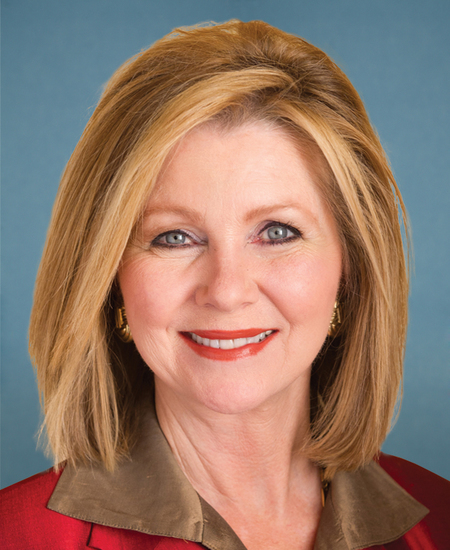
Marsha Blackburn
11% support rate
Ranked legislators
10
5 support · 5 oppose
Key legislators

Who's moving environment in United States

Legislators moving environment in United States
Legislator Party Stance Support rate Decisive votes
Aisha Wahab
Aisha Wahab House · District 14
D
Strong +
100% 7
Everton Blair Jr.
Everton Blair Jr. House · District 13
D
Strong +
89% 9
Martin Heinrich
Martin Heinrich Senate
D
Strong +
84% 37
Adam B. Schiff
Adam B. Schiff Senate
D
Support
79% 53
Christopher A. Coons
Christopher A. Coons Senate
D
Support
79% 52
Marsha Blackburn
Marsha Blackburn Senate
R
Strong −
11% 36
Ted Budd
Ted Budd Senate
R
Strong −
20% 40
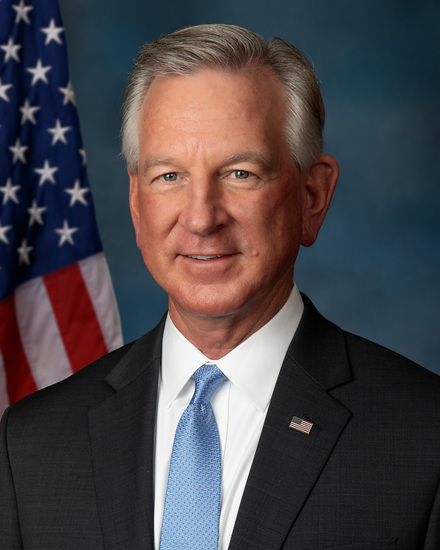
Tommy Tuberville
Tommy Tuberville Senate
R
Oppose
21% 53
Bill Cassidy
Bill Cassidy Senate
R
Oppose
22% 54
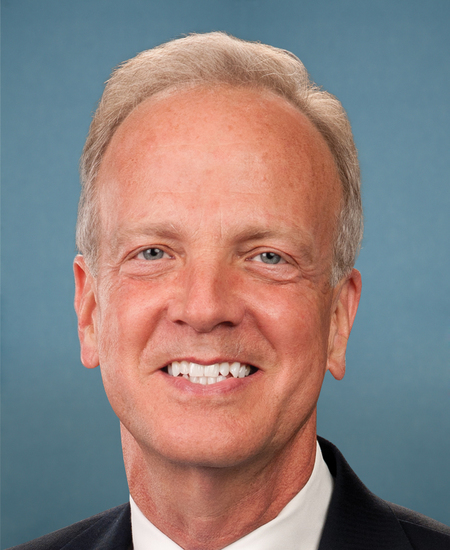
Jerry Moran
Jerry Moran Senate
R
Oppose
23% 53
Showing 1,061–1,070 of 2,003 bills

All environment bills

in committee · United States · Senate Apr 9, 2025

S 1395: NO TIME TO Waste Act);

The NO TIME TO Waste Act (S 1395) establishes a new Office of Food Loss and Waste within the Department of Agriculture to coordinate federal efforts to reduce food waste. The bill creates grant programs for states, local governments, and nonprofits to collect data on food waste policies and develop model approaches for reducing waste, with a goal of cutting food loss and waste by 50% by 2030. It requires federal contractors to report on their food waste prevention efforts and funds public-private partnerships to help communities reduce food loss and waste. The legislation also creates a national education campaign to teach consumers about food safety, preservation, and upcycled food products. The bill mandates annual reports tracking progress toward the 2030 goal and sets funding levels for these programs through 2030.
Sub-Topics Conservation
in committee · United States · Senate Feb 27, 2025

S 811: RTP Full Funding Act of 2025

The RTP Full Funding Act of 2025 would require the Federal Highway Administration to annually estimate and report the total tax revenue collected from nonhighway recreation fuel (currently about $281 million yearly) to Congress. It aims to increase funding for the Recreational Trails Program (RTP) from its current $84 million annual level to match the tax revenue collected. The program, which supports trail development and maintenance nationwide, directly benefits states and local communities managing recreational trails used by hikers, cyclists, equestrians, and motorized vehicle users. The bill mandates this reporting requirement at least one year before highway program funding expires, ensuring the RTP receives funds commensurate with tax contributions.
in committee · United States · House Feb 21, 2025

HR 1462: To amend the Internal Revenue Code of 1986 to disallow the production tax credit and investment tax credit for offshore wind facilities placed in service in the inland navigable waters of the United States or the coastal waters of the United States.

HR 1462 removes tax credits for offshore wind facilities located in the inland navigable waters or coastal waters of the United States. Specifically, it disallows the investment tax credit (Section 48) and production tax credits (Sections 45 and 45Y) for such facilities placed in service after December 31, 2025. This policy change directly affects developers building wind projects in these specific waterways, as they will no longer qualify for federal tax incentives. The bill modifies existing tax code provisions without altering the broader eligibility for offshore wind projects in open ocean waters.
passed · United States · House Mar 19, 2026

HR 556: Protecting Access for Hunters and Anglers Act

HR 556, the Protecting Access for Hunters and Anglers Act, prevents federal agencies from banning lead ammunition or tackle on public lands and waters managed for hunting or fishing. It directly affects hunters and anglers using federal lands (like national wildlife refuges, public forests, and BLM lands) by blocking nationwide restrictions on lead products. The bill allows limited exceptions only for specific locations where wildlife decline is directly linked to lead use, and the restriction must align with state law or get approval from the state wildlife agency. This changes how federal land managers can regulate lead, requiring state coordination for any local restrictions.
in committee · United States · Senate Jul 31, 2025

S 2586: MARA Act of 2025

The MARA Act of 2025 establishes a framework for developing sustainable offshore aquaculture in U.S. waters by creating an Office of Aquaculture within NOAA. It authorizes commercial-scale demonstration projects that must meet strict environmental requirements to minimize impacts on wildlife, habitats, and existing ocean users, while requiring regular data reporting on environmental and socioeconomic impacts. The bill includes provisions for workforce development through Aquaculture Centers of Excellence at minority-serving institutions and mandates studies on offshore aquaculture viability and regulatory processes. These provisions directly affect offshore aquaculture developers, coastal communities, seafood industry workers, and environmental stakeholders. The bill aims to support the growth of a domestic aquaculture industry while ensuring environmental protection and community benefits.
in committee · United States · Senate Jan 29, 2026

S 3722: Lowering Home Energy Costs Act

This bill extends three key federal tax credits that help homeowners reduce energy costs. It pushes back the deadline for the residential energy efficiency home credit (Section 45L) from 2026 to 2032 and the clean energy credit (Section 25D) from 2025 to 2032. It also reinstates the energy-efficient home improvement credit (Section 25C), which was temporarily repealed in prior legislation. These changes directly benefit homeowners who install qualifying upgrades like solar panels, efficient windows, or insulation, allowing them to claim tax savings through 2032. The bill makes no new policy changes but prolongs existing financial incentives for residential energy efficiency.
in committee · United States · House Jan 16, 2025

HR 549: To amend the Internal Revenue Code of 1986 to repeal the clean fuel production credit.

HR 549 repeals a tax credit for clean fuel production from the Internal Revenue Code. It directly affects companies that produce clean fuel, removing a financial incentive they previously received. The bill eliminates Section 45Z of the tax code, which provided this credit, meaning businesses will no longer qualify for this specific tax benefit. The repeal takes effect for tax years beginning after December 31, 2024.
in committee · United States · House Jan 14, 2026

HR 7066: SHIELD Act

HR 7066, the SHIELD Act, requires electricity utilities to fully recover grid upgrade costs from large commercial or industrial facilities (those with peak demand over 75 megawatts) that drive these upgrades. It prioritizes new service requests from such facilities that use energy efficiency, onsite storage, or zero-emission energy (like solar or wind) to meet their needs. The bill also defines "large load facilities" to exclude existing sites where increased demand results from electrification or emissions-reduction efforts. Utilities must implement these requirements within 2 years, with states reporting progress to Congress. This directly affects major electricity consumers and shapes how grid costs are allocated.
in committee · United States · House Mar 27, 2025

HR 2408: Protecting Local Communities from Harmful Algal Blooms Act

The Protecting Local Communities from Harmful Algal Blooms Act amends the Robert T. Stafford Disaster Relief Act to include harmful algal blooms as a qualifying event for federal disaster assistance, alongside existing events like droughts and floods. This change allows communities affected by harmful algal blooms - such as those experiencing water contamination or public health risks - to access federal disaster relief funds and support. The bill directly impacts local communities that face recurring water quality issues from algal blooms, which can disrupt drinking water, recreation, and ecosystems. The key mechanism is updating the Stafford Act’s list of qualifying events to explicitly add "harmful algal blooms" without creating new programs. This procedural amendment streamlines access to existing disaster relief resources for affected areas.
in committee · United States · House Sep 15, 2026

HR 1555: Bureau of Land Management Mineral Spacing Act

This bill changes federal permitting rules for oil and gas drilling on land where the federal government owns less than half the mineral rights beneath non-federal surface land. It requires operators to use a state permit instead of a federal drilling permit, removes federal environmental review requirements under NEPA and the Endangered Species Act, and allows operations to start 30 days after submitting the state permit. It does not affect royalty payments to the federal government or apply to Indian lands. The policy directly affects oil and gas operators working on non-federal surface estates with partial federal mineral ownership.
Showing 1,061 to 1,070 of 2,003 bills