

Issue · Education
Education (School Safety)
Every education bill, vote, and legislator stance in United States, automatically classified by Maddy, our AI policy reader.
Total bills
91
119th Congress
Top supporter
Adam Smith
67% support rate
Top opponent
Donald G. Davis
0% support rate
Ranked legislators
10
5 support · 5 oppose
Key legislators
Who's moving school safety in United States
| Legislator | Party | Stance | Support rate | Votes |
|---|---|---|---|---|
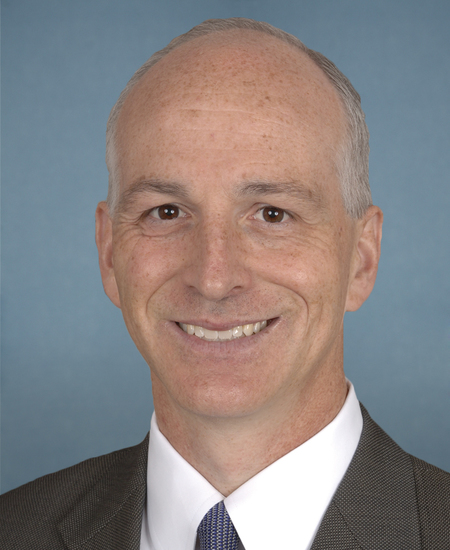
Adam Smith
House · District 9
|
D |
Support
|
67% | 3 |
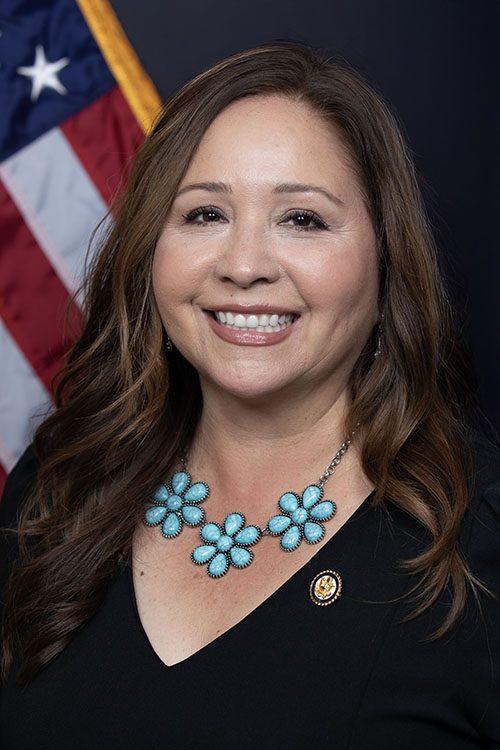
Adelita S. Grijalva
House · District 7
|
D |
Support
|
67% | 3 |
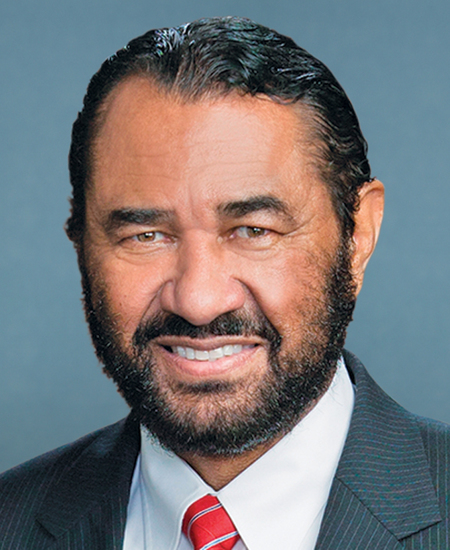
Al Green
House · District 9
|
D |
Support
|
67% | 3 |

Alexandria Ocasio-Cortez
House · District 14
|
D |
Support
|
67% | 3 |
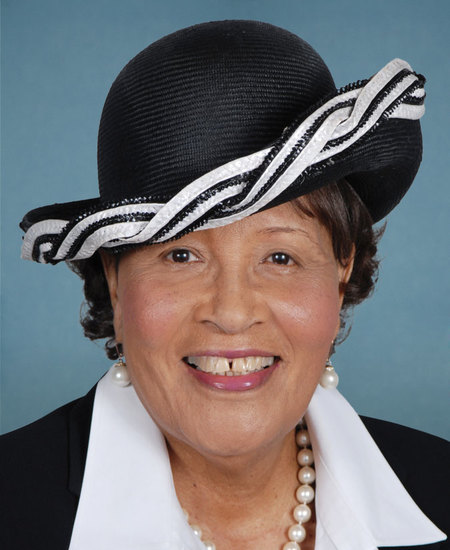
Alma S. Adams
House · District 12
|
D |
Support
|
67% | 3 |
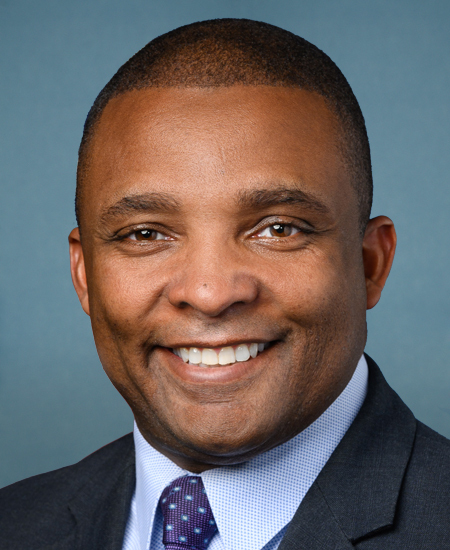
Donald G. Davis
House · District 1
|
D |
Strong −
|
0% | 3 |
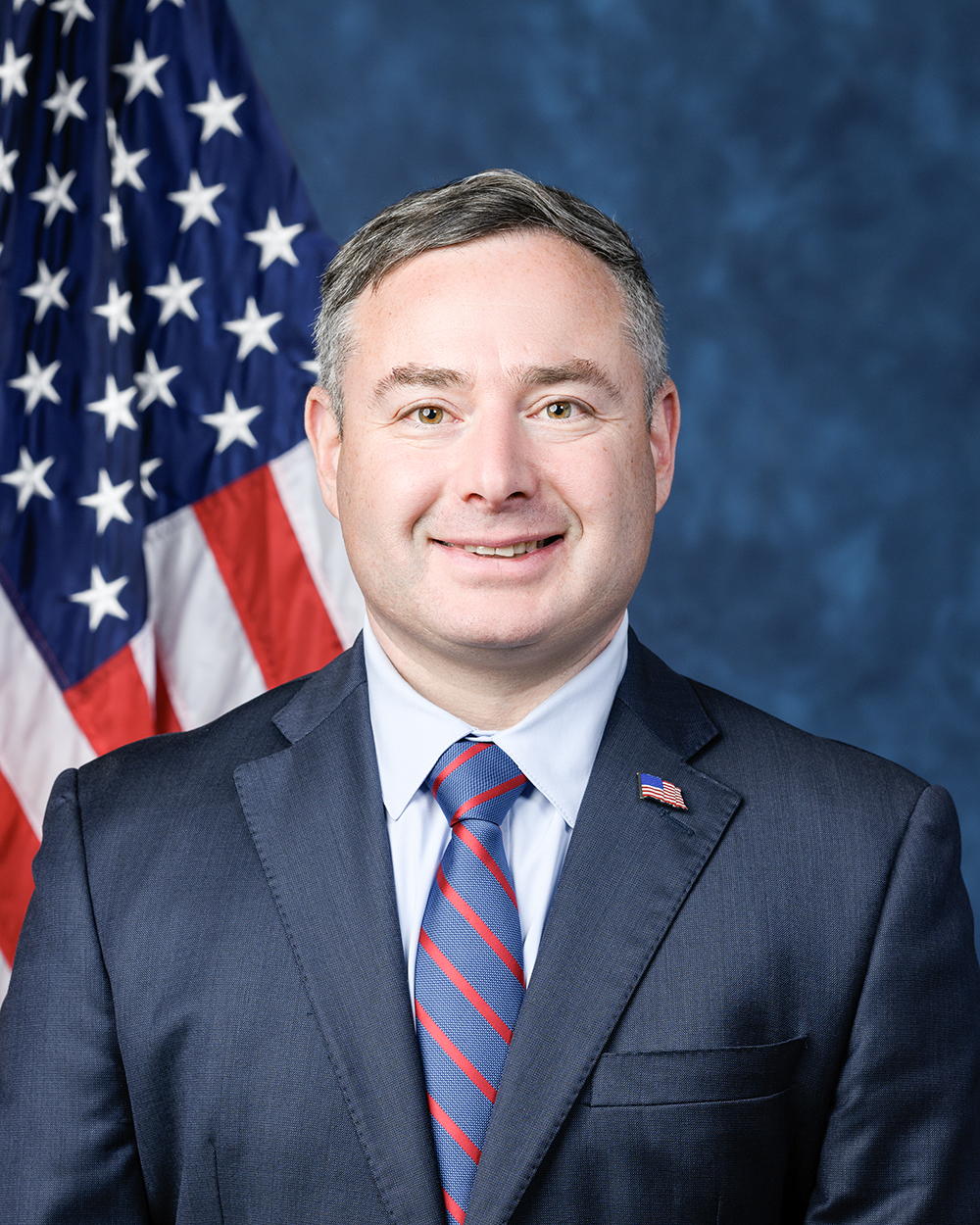
Eugene Simon Vindman
House · District 7
|
D |
Strong −
|
0% | 3 |
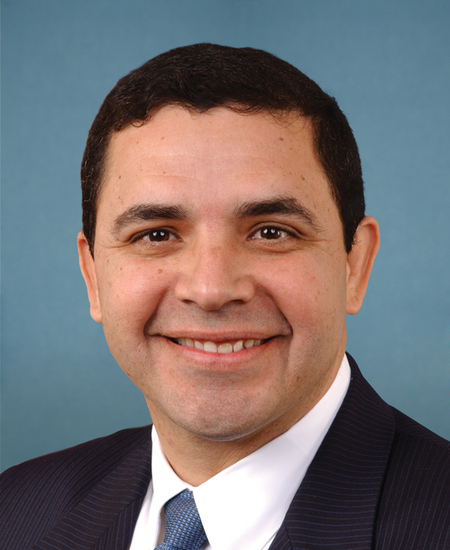
Henry Cuellar
House · District 28
|
D |
Strong −
|
0% | 3 |
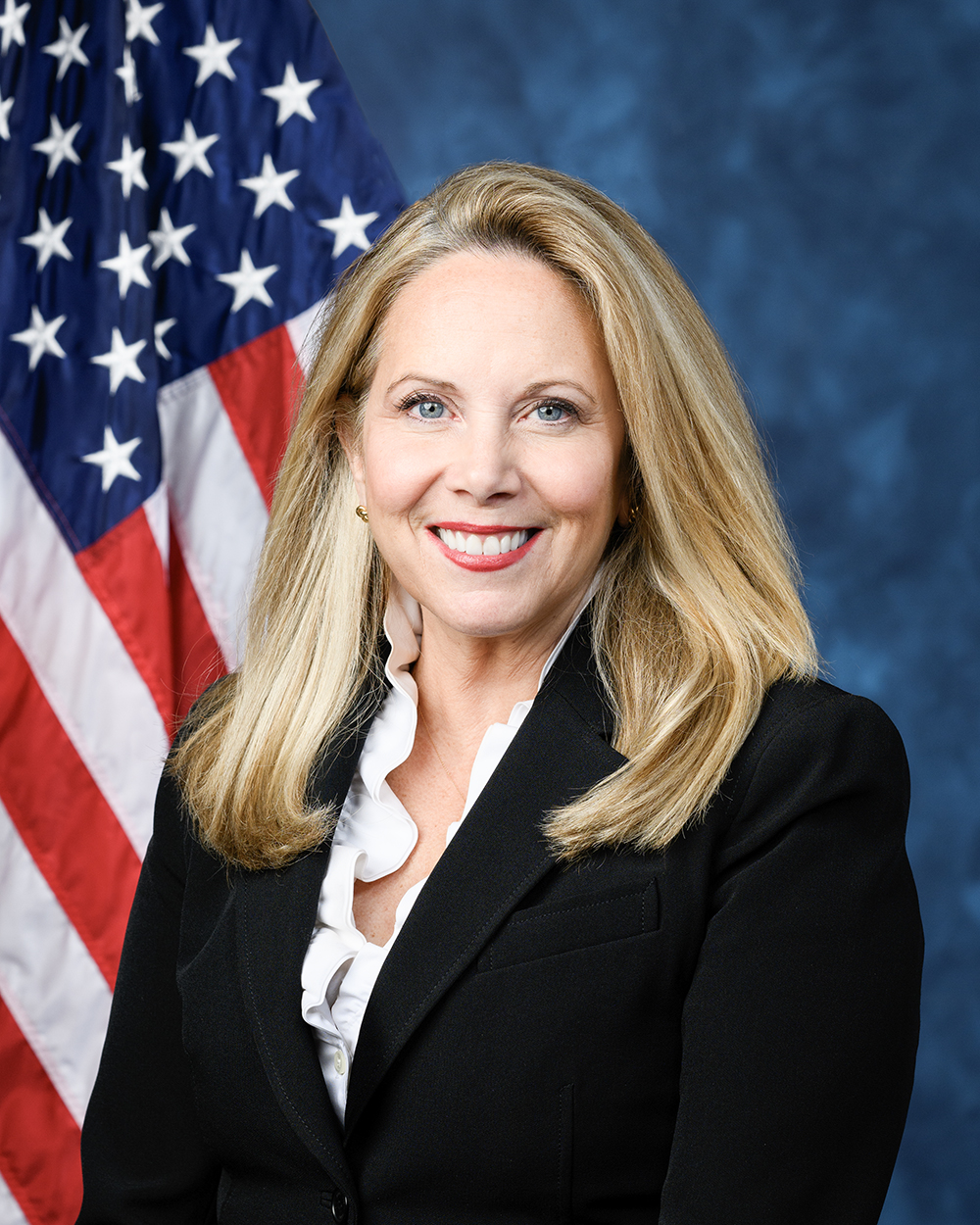
Laura Gillen
House · District 4
|
D |
Strong −
|
0% | 3 |

Marie Gluesenkamp Perez
House · District 3
|
D |
Strong −
|
0% | 3 |
Showing 71–80 of 91
bills
All education bills
HR 7340: Rebuild America’s Schools Act of 2026
Topics
✓ Budget & TaxesSupports Budget & TaxesBill authorizes $20B annual federal funding for public school facility improvements, increasing government spending on essential public education services.
✓ EducationSupports EducationBill allocates $20B annually (2027-2031) for public school facility upgrades, prioritizing safety, energy efficiency, and accessibility in schools serving low-income students.
✓ EnergySupports EnergyBill explicitly prioritizes energy efficiency in school facility projects, aligning with energy efficiency investments and infrastructure improvements.
✓ EnvironmentSupports EnvironmentBill includes funding for energy efficiency improvements in school facilities, which indirectly supports environmental conservation and reduced energy consumption.
HR 3430: SRO Funding Protection Act of 2025
Topics
✓ Budget & TaxesSupports Budget & TaxesMandates states to maintain SRO program funding at prior year or 5-year average levels, preventing defunding of school safety programs and protecting existing budget allocations.
✓ Criminal JusticeSupports Criminal JusticeFunds school resource officer programs, directly supporting law enforcement presence in schools under criminal justice framework.
✓ EducationSupports EducationRequires states to maintain SRO funding levels under ESEA, protecting school safety program financing as part of educational funding structure.
S 3063: LIFE with AI Act
Topics
✓ EducationSupports EducationMandates student data privacy protections for schools, requiring parental consent systems and banning facial recognition without consent, thus protecting educational access and privacy.
✓ TechnologySupports TechnologyRequires real-time parental consent for student data, prohibits facial recognition without consent, and establishes data privacy standards - directly strengthens student data protection in educational technology.
HR 2577: PLAN for School Safety Act of 2025
Topics
✓ EducationSupports EducationBill allocates $25M annually for school safety centers to develop evidence-based safety/mental health plans, targeting underserved schools, advancing educational safety infrastructure.
✓ HealthcareSupports HealthcareFunds mental health plans for schools via $25M grants, directly supporting mental health services as part of school safety programs.
S 3777: Rebuild America’s Schools Act of 2026
Topics
✓ Budget & TaxesSupports Budget & TaxesBill allocates $20 billion annually for public school facility improvements, increasing government spending on public education infrastructure. This directly funds a public service, aligning with 'support' for Budget & Taxes.
✓ EducationSupports EducationProvides $20B/year for public school facility improvements, prioritizes underfunded schools with high free/reduced lunch eligibility, directly funds infrastructure upgrades in education.
HR 4699: BIKE Act of 2025
Topics
✓ EducationSupports EducationProvides federal grant funding for K-12 bicycle safety education curriculum, enhancing student program requirements in schools.
✓ TransportationSupports TransportationRequires federal grants for bicycle safety education, revises transportation safety guidelines to include cycling skills and helmet use, directly enhancing transportation safety standards.
Sub-Topics
K-12 Education
School Safety
School Transportation
Bicycle Infrastructure
Pedestrian Safety
Traffic Safety
HR 1069: PROTECT Our Kids Act
HR 4253: Expanding Access to Mental Health Services in Schools Act of 2025
Topics
✓ Criminal JusticeSupports Criminal JusticeBill provides school mental health services, a proven prevention strategy that reduces youth involvement in criminal justice system and supports reform by lowering recidivism.
✓ EducationSupports EducationFederal grants fund mental health staff in high-need schools, directly expanding access to student support services and addressing staffing shortages per educational access criteria.
✓ HealthcareSupports HealthcareBill creates federal grants to fund mental health professionals in schools, directly expanding access to mental health services, a core healthcare component per topic description.
HR 1649: Expanding Student Access to Mental Health Services Act
Topics
✓ EducationSupports EducationExpands student mental health access using existing ESEA funds, directly enhancing educational access and student well-being per bill summary.
✓ HealthcareSupports HealthcareAmends ESEA to use federal funds for student mental health services, expands telehealth access, and mandates coordination with health providers.
✓ TechnologySupports TechnologyBill explicitly expands telehealth access, a technology-dependent service, promoting digital equity in mental health care delivery within schools.