Issue · Education

Education (Higher Education)

Every education bill, vote, and legislator stance in United States, automatically classified by Maddy, our AI policy reader.

Total bills
273
119th Congress
Top supporter
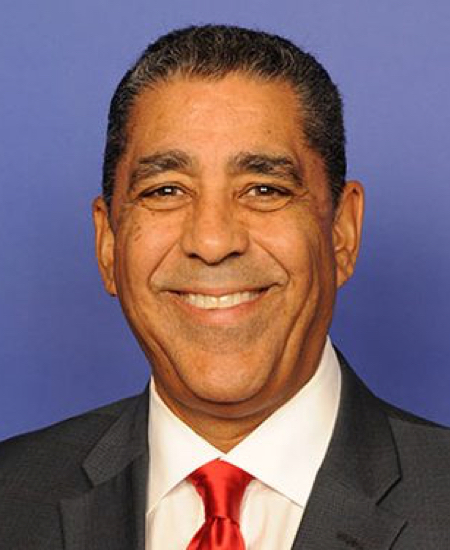
Adriano Espaillat
75% support rate
Top opponent
Aaron Bean
25% support rate
Ranked legislators
10
5 support · 5 oppose
Key legislators

Who's moving higher education in United States

Legislators moving higher education in United States
Legislator Party Stance Support rate Votes
Adriano Espaillat
Adriano Espaillat House · District 13
D
Support
75% 4
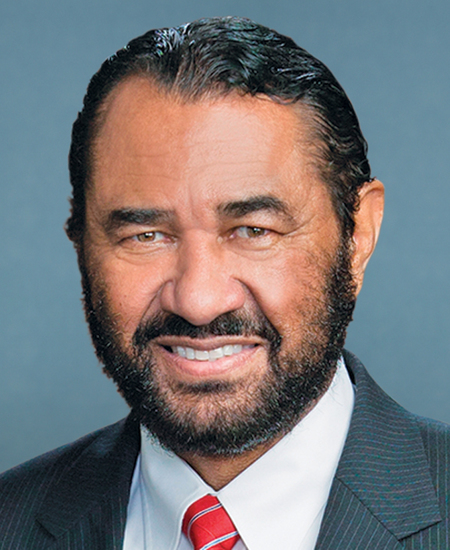
Al Green
Al Green House · District 9
D
Support
75% 4
Alexandria Ocasio-Cortez
Alexandria Ocasio-Cortez House · District 14
D
Support
75% 4
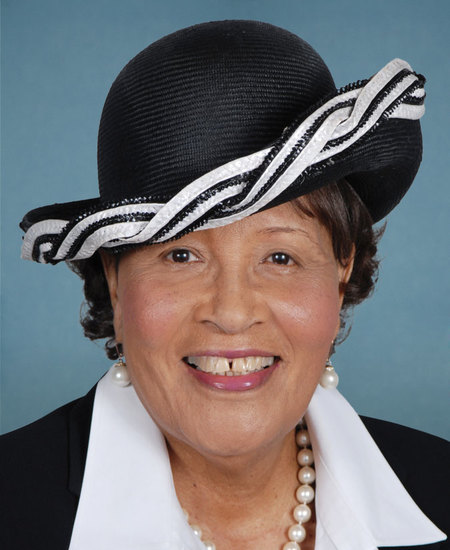
Alma S. Adams
Alma S. Adams House · District 12
D
Support
75% 4
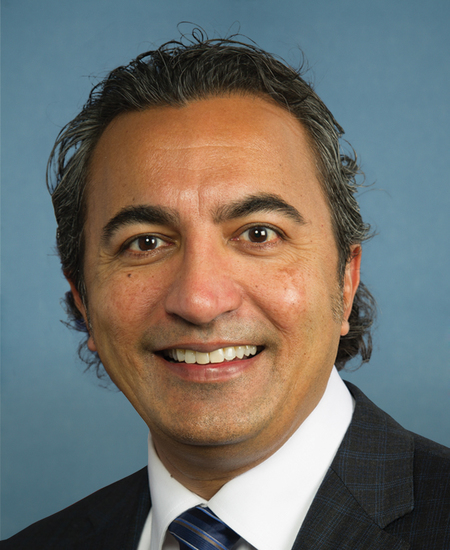
Ami Bera
Ami Bera House · District 6
D
Support
75% 4
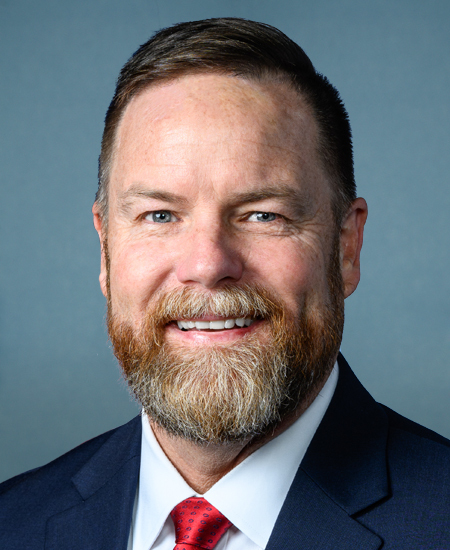
Aaron Bean
Aaron Bean House · District 4
R
Oppose
25% 4
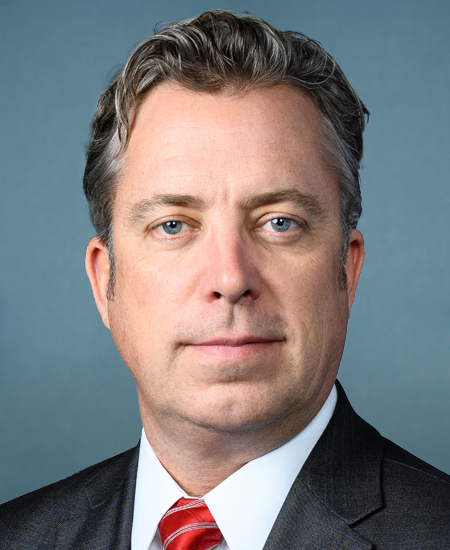
Addison P. McDowell
Addison P. McDowell House · District 6
R
Oppose
25% 4
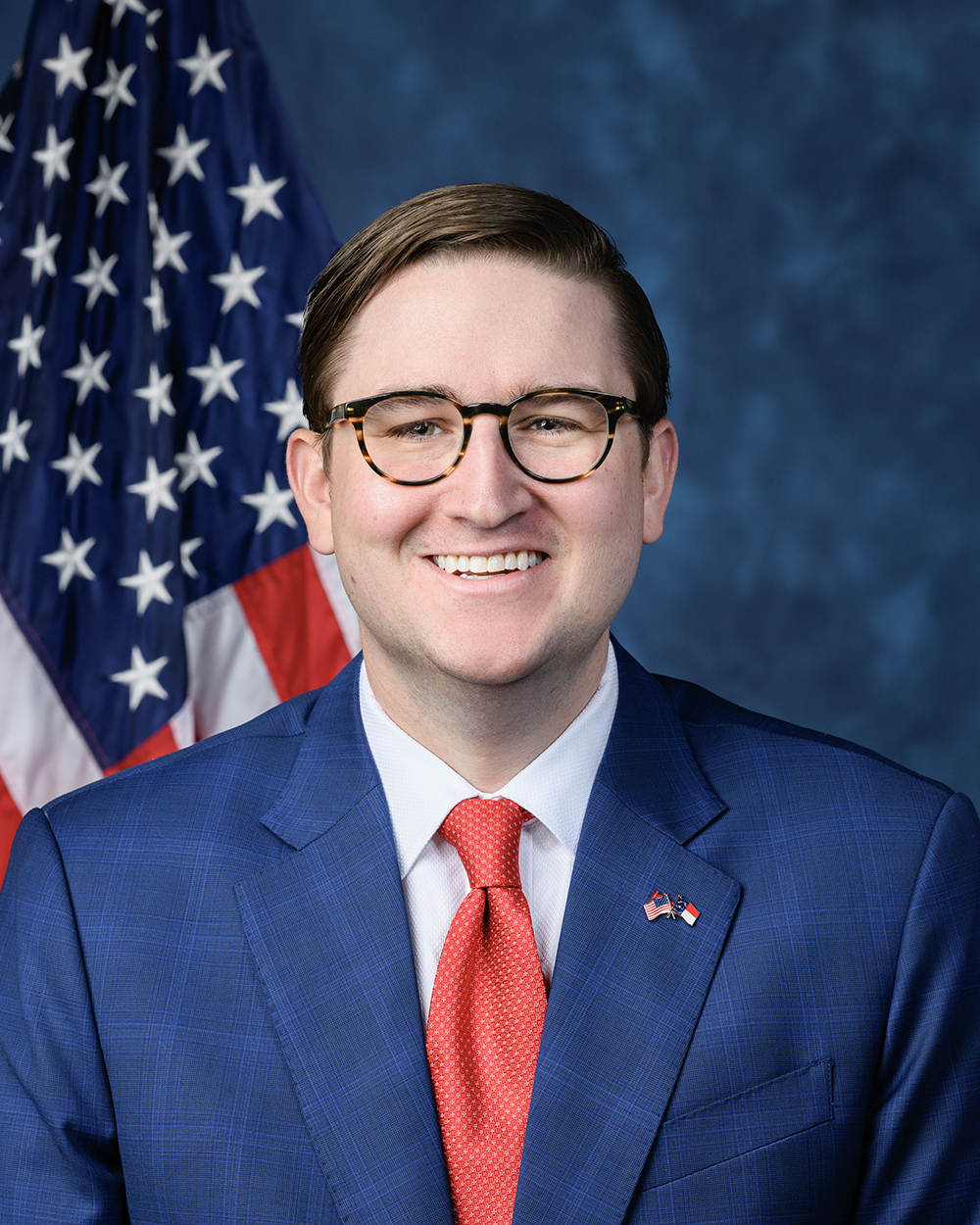
Andrew Ogles
Andrew Ogles House · District 5
R
Oppose
25% 4
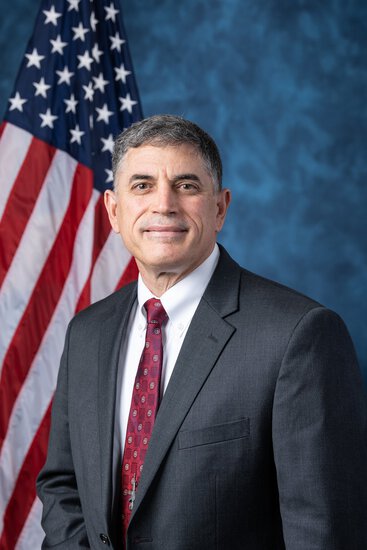
Andrew S. Clyde
Andrew S. Clyde House · District 9
R
Oppose
25% 4
Andy Biggs
Andy Biggs House · District 5
R
Oppose
25% 4
Showing 31–40 of 273 bills

All education bills

in committee · United States · House Sep 8, 2026

HR 9203: Student Protection and University Accountability Act

The Student Protection and University Accountability Act requires colleges receiving federal funds to establish clear, public processes for investigating discrimination complaints based on race, color, or national origin. Under this bill, universities must designate a compliance officer, provide detailed explanations for their investigative decisions, and notify complainants of outcomes within 30 days. The law also mandates that schools display federal anti-discrimination materials on campus and makes them ineligible for funding if they fail to comply with these requirements for two consecutive years. Additionally, the bill directs the Department of Education to report monthly on discrimination complaints to Congress and prohibits the agency from dismissing or delaying investigations when similar claims are filed elsewhere.
Sub-Topics Higher Education
in committee · United States · House May 14, 2026

HR 8834: Senator Paul Simon Study Abroad Program Act of 2026

This bill renames the existing IDEAS Program to the Senator Paul Simon Study Abroad Program and directs the Secretary of State to expand it to increase global education opportunities for U.S. college students. The program will award competitive grants to universities and consortia to support study abroad initiatives, with a specific focus on helping low-income students, students of color, and minority-serving institutions participate. Funding priorities include encouraging travel to nontraditional destinations, particularly developing countries, and ensuring that grant recipients have robust health, safety, and security plans for students overseas. The legislation sets a long-term goal of having at least one million undergraduate students study abroad annually while requiring the Department of State to submit annual reports on progress.
Sub-Topics Higher Education
in committee · United States · House May 21, 2026

HR 8978: Enhancing Mental Health and Suicide Prevention Through Campus Planning Act

This bill directs the U.S. Department of Education to encourage colleges and universities to create evidence-based plans for preventing suicide and improving mental health. The Department must coordinate these efforts with the Department of Health and Human Services and align them with existing federal suicide prevention programs. Additionally, the bill requires the Secretary of Education to submit reports to Congress on these initiatives within one year and three years of enactment. Crucially, the legislation explicitly states that it does not create new legal obligations for schools or grant the Department new regulatory authority.
in committee · United States · House May 29, 2026

HR 9045: Early Childhood Mental Health Support Act

The Early Childhood Mental Health Support Act directs the Department of Health and Human Services to identify and review evidence-based interventions that improve the social, emotional, and behavioral health of children in Head Start and Early Head Start programs. This process includes selecting trauma-informed practices that support both child development and staff wellness while consulting with experts and the public before implementation. Following the review, the bill authorizes grants to diverse Head Start agencies across the country to adopt these proven methods and establishes a framework to evaluate their effectiveness over time. Additionally, the legislation funds up to five university centers to train future staff and provides $100 million in authorized funding for these activities from fiscal years 2027 through 2036.
in committee · United States · House Jun 3, 2026

HR 9123: Espionage Prevention Act

The Espionage Prevention Act restricts U.S. intelligence community funding for colleges and universities that maintain relationships with specific Chinese entities, such as Confucius Institutes or universities involved in military-civil fusion. To comply with this rule, affected institutions must terminate their contracts, agreements, or donations with these listed organizations to regain eligibility for federal intelligence funds. The law allows the Director of National Intelligence to grant temporary waivers if a university demonstrates strong security safeguards or proves the relationship serves U.S. national security interests. Additionally, the bill requires the intelligence director to provide technical assistance to schools for compliance and submit annual reports to Congress on how the restrictions are being implemented.
Sub-Topics Higher Education
in committee · United States · House Jun 4, 2026

HR 9137: Protect College Sports Act of 2026

The Protect College Sports Act of 2026 establishes a new framework for college athletics that grants student athletes the right to earn money from their name, image, and likeness without fear of losing scholarships or eligibility, while requiring institutions to disclose these deals in a public database. The bill strengthens protections for athletes by mandating better medical coverage, prohibiting coaches from influencing medical return-to-play decisions, and creating an independent ombudsman office to assist student athletes with grievances. It also introduces stricter rules on agent registration, limits on mid-season coaching transitions, and protections for athletes transferring schools or facing sexual misconduct. On the broadcasting side, the legislation creates a new entity to collectively sell media rights for college sports, ensuring that revenue is distributed fairly and that local fans can access games without paying extra fees. The law further restricts large conference mergers to preserve competition and requires that non-revenue sports like women's and Olympic programs maintain their current roster sizes and scholarship opportunities. Finally, the act sets up a congressional commission to study the future of college athletics and make recommendations on structural changes, including potential adjustments to revenue sharing caps.
in committee · United States · Senate May 14, 2026

S 4541: Senator Paul Simon Study Abroad Program Act of 2026

This bill establishes the Senator Paul Simon Study Abroad Program by renaming the existing IDEAS Program and directing the Secretary of State to expand access to international study opportunities. The legislation creates a competitive grant system for colleges and universities to support students, with a specific focus on increasing participation among low-income students, students of color, and those attending minority-serving institutions. To achieve its goals, the program prioritizes funding for initiatives that include world language learning, safety measures, and study in developing nations, aiming to reach one million undergraduate students annually within ten years. Institutions receiving grants must submit detailed plans outlining how they will use the funds and demonstrate a commitment to sustaining these programs over time.
Sub-Topics Higher Education
in committee · United States · Senate Apr 22, 2026

S 4371: TECH Act

The TECH Act allows qualified technical schools to apply for the same federal funding as traditional two-year and four-year colleges. To make this happen, the bill requires government agencies to update their rules and application forms so these technical schools can participate in specific grant programs for student support and workforce training. A technical school must offer approved career training programs that lead to recognized credentials in high-demand fields like healthcare or manufacturing to qualify. This change aims to help these schools compete more fairly for financial resources while ensuring they prepare students for essential jobs.
in committee · United States · House Apr 30, 2026

HR 8618: College Affordability and Accessibility Act

The College Affordability and Accessibility Act increases the maximum Federal Pell Grant amount to $14,800, effective July 1, 2026, and adjusts future amounts based on changes in the Consumer Price Index. It also extends the eligibility period for Pell Grants to include up to 16 semesters for completing both undergraduate and postbaccalaureate degrees, provided students meet specific enrollment requirements. These changes directly affect low-income students who rely on federal financial aid to cover college costs. The bill modifies existing provisions in the Higher Education Act of 1965 to implement these adjustments.
passed · United States · Senate Apr 22, 2026

SRES 686: A resolution recognizing the significance of Community College Month in April as a celebration of more than 1,000 institutions throughout the United States supporting access to higher education, workforce training, and more broadly sustaining and advancing the economic prosperity of the United States.

This Senate resolution formally acknowledges April as Community College Month to honor the role of over 1,000 institutions in providing affordable higher education and workforce training. The bill does not change any laws or allocate funding; instead, it serves as a symbolic statement recognizing how these colleges support economic prosperity and serve diverse student populations. By highlighting statistics on enrollment, tuition costs, and economic impact, the resolution aims to raise public awareness about the value of community colleges without imposing new requirements.
Sub-Topics Higher Education
Showing 31 to 40 of 273 bills
Previous 1 3 4 5 28 Next