Issue · Education

Education (Student Financial Aid)

Every education bill, vote, and legislator stance in United States, automatically classified by Maddy, our AI policy reader.

Total bills
258
119th Congress
Top supporter
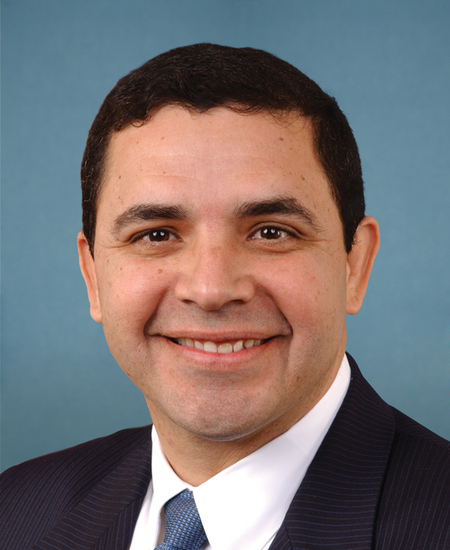
Henry Cuellar
100% support rate
Top opponent
Aaron Bean
33% support rate
Ranked legislators
10
5 support · 5 oppose
Key legislators

Who's moving student financial aid in United States

Legislators moving student financial aid in United States
Legislator Party Stance Support rate Decisive votes
Henry Cuellar
Henry Cuellar House · District 28
D
Strong +
100% 3
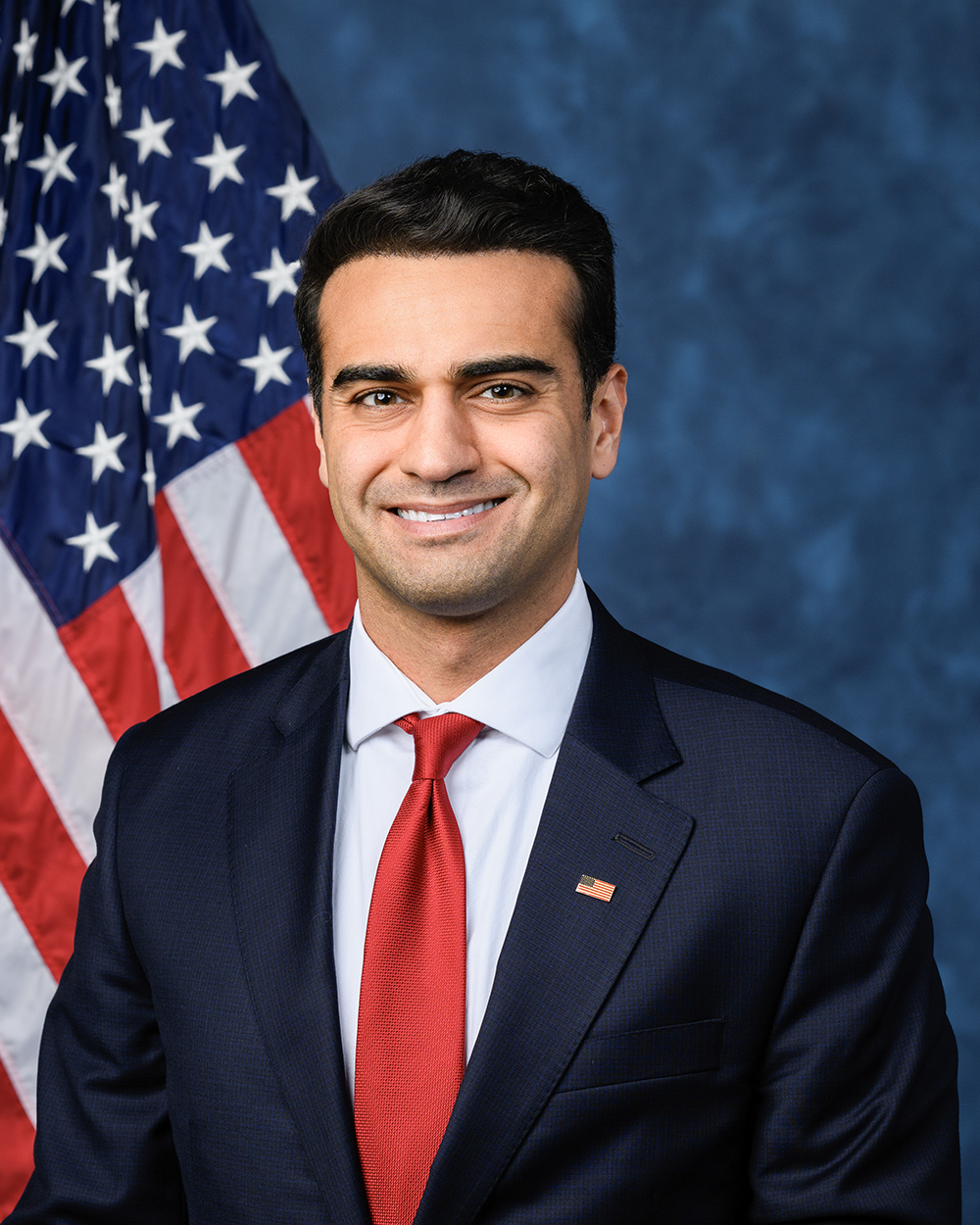
Abraham J. Hamadeh
Abraham J. Hamadeh House · District 8
R
Support
67% 3
Adam Gray
Adam Gray House · District 13
D
Support
67% 3
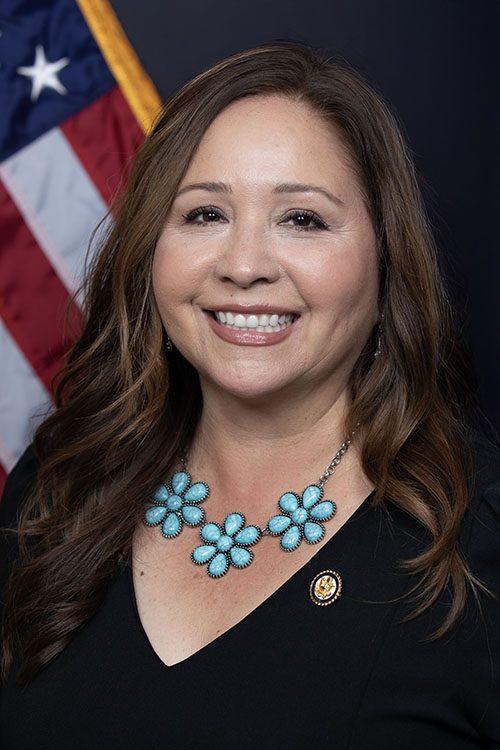
Adelita S. Grijalva
Adelita S. Grijalva House · District 7
D
Support
67% 3
Adrian Smith
Adrian Smith House · District 3
R
Support
67% 3
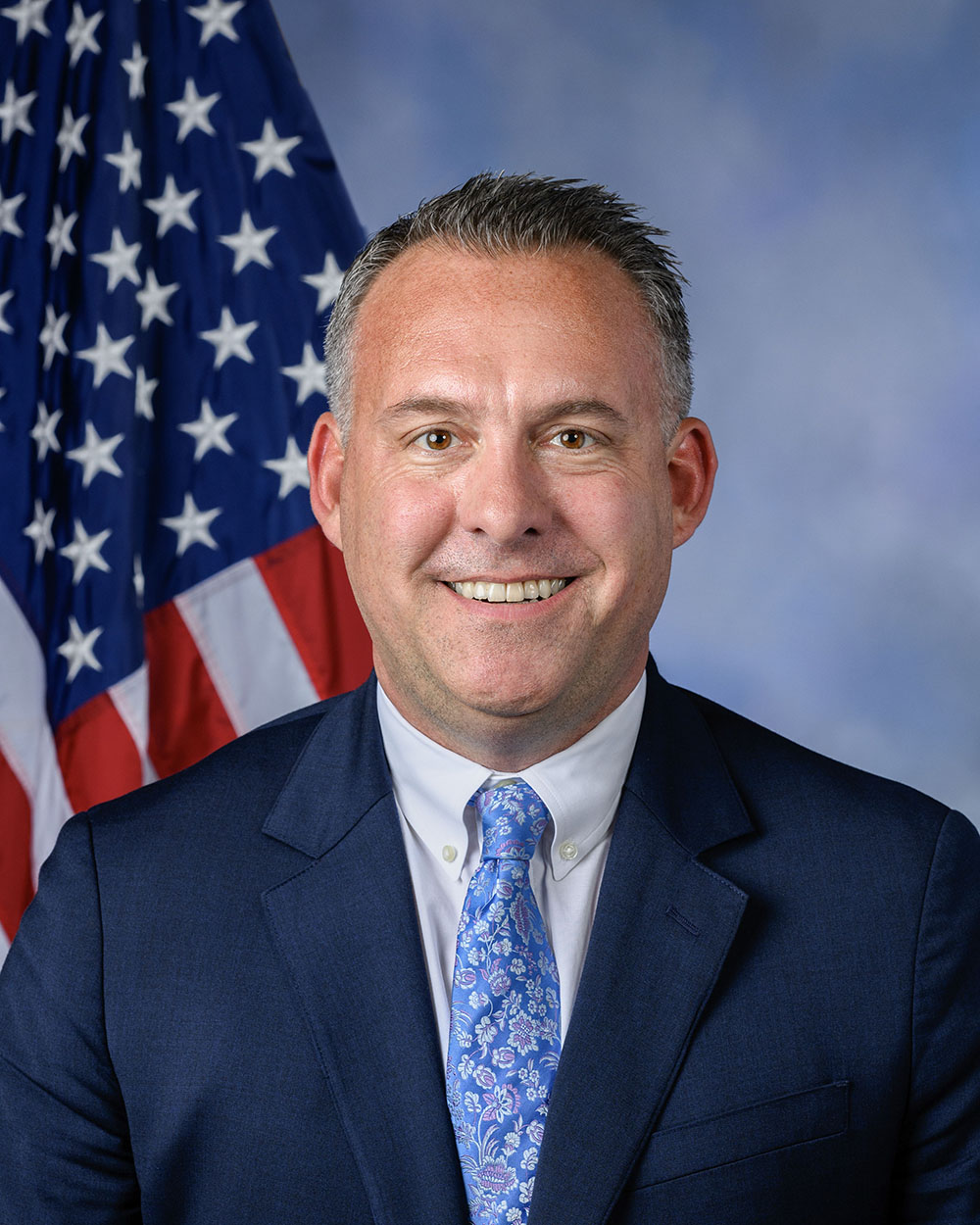
Aaron Bean
Aaron Bean House · District 4
R
Oppose
33% 3
Addison P. McDowell
Addison P. McDowell House · District 6
R
Oppose
33% 3
Andrew Ogles
Andrew Ogles House · District 5
R
Oppose
33% 3
Andrew S. Clyde
Andrew S. Clyde House · District 9
R
Oppose
33% 3
Andy Biggs
Andy Biggs House · District 5
R
Oppose
33% 3
Showing 21–30 of 258 bills

All education bills

in committee · United States · Senate Aug 6, 2026

S 5339: Back-to-School Supplies Affordability Act

The Back-to-School Supplies Affordability Act prevents new tariffs from being applied to specific school supplies and educational materials, ensuring their prices remain at levels seen before January 19, 2025. This legislation directly affects students, families, teachers, and schools by exempting items such as notebooks, backpacks, pencils, pens, and certain electronic devices from increased import duties. The Secretary of Commerce is tasked with designating additional classroom items for this exemption in coordination with the Secretary of Education, while providing regular reports to Congress on the covered products. To maintain legislative oversight, the bill includes a mechanism allowing Congress to pass a joint resolution to disapprove any specific item designated for tariff exemption by the executive branch.
in committee · United States · Senate Aug 6, 2026

S 5322: Federal Tax Credit Scholarship Improvement Act

The Federal Tax Credit Scholarship Improvement Act amends the Internal Revenue Code to increase the maximum tax credit available for contributions to scholarship programs from $1,000 to $1,700 per taxpayer. This change directly affects individuals and married couples filing jointly who donate to qualified scholarship organizations, allowing them to claim a larger deduction against their federal taxes. The bill also establishes an automatic annual adjustment mechanism that increases the credit limit based on inflation starting in 2026, with any adjustments rounded to the nearest $50 increment. These provisions are set to take effect for tax years beginning after December 31, 2025.
in committee · United States · Senate Aug 6, 2026

S 5296: Pathways to Health Careers Act

The Pathways to Health Careers Act establishes a federal grant program effective October 1, 2026, to train low-income individuals for careers in health professions such as nursing, emergency medical services, and allied health fields. The legislation allocates $435 million annually from fiscal years 2027 through 2031 to fund these initiatives, with specific requirements ensuring that at least two grants are awarded in each state and the District of Columbia, along with dedicated funding for tribal entities and U.S. territories. Key provisions mandate that grant recipients provide comprehensive support services, including adult basic education, childcare, transportation assistance, and cash stipends, while also requiring rigorous evaluations of demonstration projects focused on individuals with criminal records and maternal health career pathways.
in committee · United States · House Aug 3, 2026

HR 10029: Supporting Students and Families Act

The Supporting Students and Families Act creates a new tax credit to help offset costs for elementary and secondary school supplies. This credit allows taxpayers to claim up to $200 for expenses related to books, supplies, and equipment for dependents attending public, private, or religious schools. The benefit is reduced for individuals with modified adjusted gross incomes exceeding $150,000 and cannot be claimed for expenses already covered by Coverdell education savings accounts. The changes will take effect for taxable years beginning after December 31, 2026.
in committee · United States · Senate Jul 28, 2026

S 5146: Higher Education Access and Success for Homeless and Foster Youth Act of 2026

The Higher Education Access and Success for Homeless and Foster Youth Act of 2026 amends the Higher Education Act to provide specific protections and support services for homeless and foster care youth. The bill requires colleges to designate trained staff liaisons to assist these students with accessing financial aid, housing, and other essential resources, while also mandating that institutions offer priority access to on-campus housing during breaks. Additionally, the legislation expands eligibility for in-state tuition rates at public universities for both homeless and foster care youth and updates Federal TRIO programs to require outreach and barrier removal for these populations. The act also establishes new reporting requirements to track the number of homeless and foster youth served and mandates annual training for university staff.
in committee · United States · House Aug 3, 2026

HR 10043: Heritage Legacy Act

The Heritage Legacy Act directs the Secretary of Education to provide grants to Historically Black Colleges and Universities (HBCUs) in 2027 and subsequent years, with the grant amount equal to the total tuition charged to all qualified students at each institution. These funds must be used to offer direct scholarships to undergraduate students who are full-time enrollees and can prove they are descendants of individuals who were enslaved in the United States. To receive a scholarship, a student must provide documentation, such as census records, showing that at least one-quarter of their genes come from an ancestor who was enslaved, and the bill sets aside five percent of the funding to cover the costs of verifying these claims. Additionally, the legislation amends the Higher Education Act to ensure that scholarships awarded under this new program are excluded from calculations used to determine a student's financial aid index.
in committee · United States · House Jul 23, 2026

HR 9896: WINGS Act of 2026

The WINGS Act of 2026 expands federal financial aid eligibility to cover specific aviation training expenses for students enrolled in qualifying aviation programs at colleges and universities. Under this bill, students could use federal funds to pay for costs such as flight simulator hours, aircraft instruction, aviation training materials, and licensing exam fees. The legislation defines eligible programs as those offering associate's or bachelor's degrees in aviation-related fields and includes professional degree programs that meet specific regulatory training standards. These changes would take effect on July 1, 2027, allowing students to access financial support for practical aviation training components starting with the 2027-2028 award year.
in committee · United States · House Jul 27, 2026

HR 9957: Time for Completion Act

The Time for Completion Act requires colleges to publicly report how quickly students finish their degrees based on their specific enrollment status. Institutions must disclose the percentage of first-time and returning students who graduate within the normal time, 150 percent of that time, 200 percent, and 300 percent. These statistics will be broken down by whether students attend full-time or part-time and will be displayed with equal visibility on college websites. The law also updates financial aid reporting to include these same completion rates, ensuring that prospective students and families have clearer data on graduation timelines.
in committee · United States · Senate Jun 24, 2026

S 4943: Outcomes-Based Financing (OBF) for Students Act

This bill creates a new federal regulatory framework for Outcomes-Based Financing (OBF) products, which are loans for education where repayment amounts depend on the borrower's future income. It directly affects private lenders, educational institutions, and students by establishing specific rules for how these loans are underwritten, disclosed, and repaid. Key provisions require lenders to clearly advertise and disclose critical terms like income thresholds and payment calculations, while also mandating that monthly payments never exceed 20% of a borrower's income. The legislation further defines how these loans are treated for tax purposes, bankruptcy discharge, and credit reporting, and it preempts certain state laws that might otherwise restrict such financial products.
in committee · United States · House Jul 27, 2026

HR 9955: Pathway to Trades Act

The Pathway to Trades Act requires colleges that receive Federal Perkins Loans to establish specific support systems for students interested in vocational careers. Institutions must appoint a faculty member to serve as a contact for trade students and create dedicated courses related to these fields. This legislation directly affects higher education schools participating in the Perkins Loan program by mandating these structural changes to their academic offerings.
Showing 21 to 30 of 258 bills
Previous 1 … 2 3 4 … 26 Next