Issue · Education

Education (Higher Education)

Every education bill, vote, and legislator stance in United States, automatically classified by Maddy, our AI policy reader.

Total bills
260
119th Congress
Top supporter
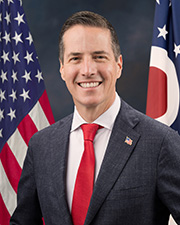
Bernie Moreno
100% support rate
Top opponent
Adam B. Schiff
0% support rate
Ranked legislators
10
5 support · 5 oppose
Key legislators

Who's moving higher education in United States

Legislators moving higher education in United States
Legislator Party Stance Support rate Decisive votes
Bernie Moreno
Bernie Moreno Senate
R
Strong +
100% 6
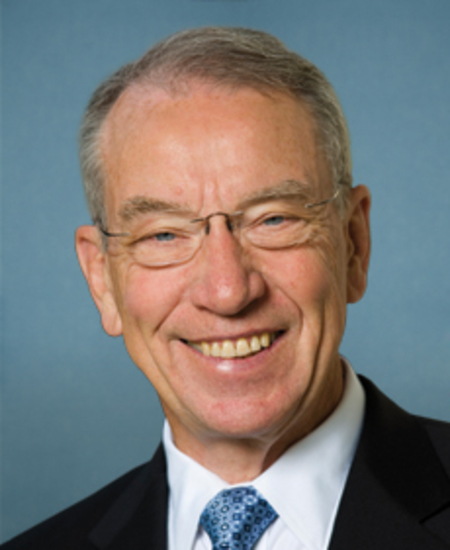
Chuck Grassley
Chuck Grassley Senate
R
Strong +
100% 6
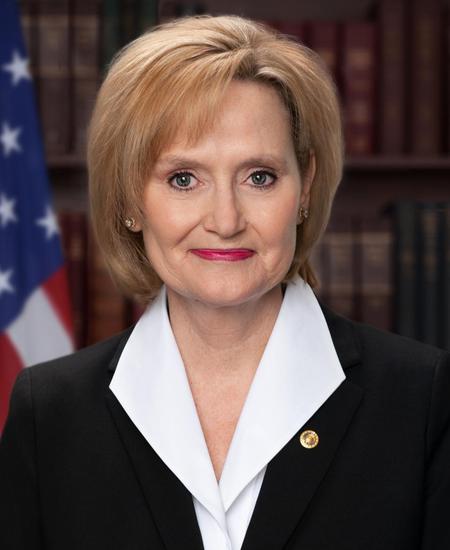
Cindy Hyde-Smith
Cindy Hyde-Smith Senate
R
Strong +
100% 6
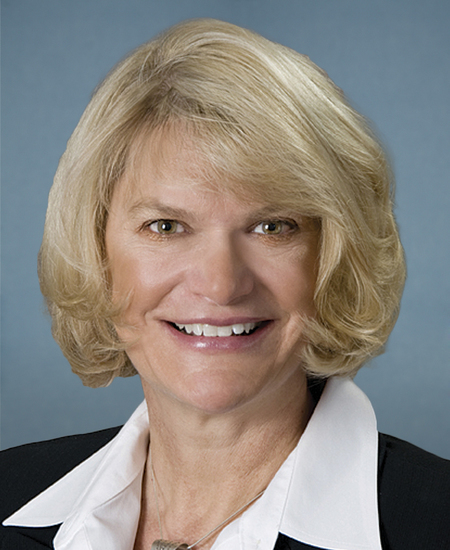
Cynthia M. Lummis
Cynthia M. Lummis Senate
R
Strong +
100% 6
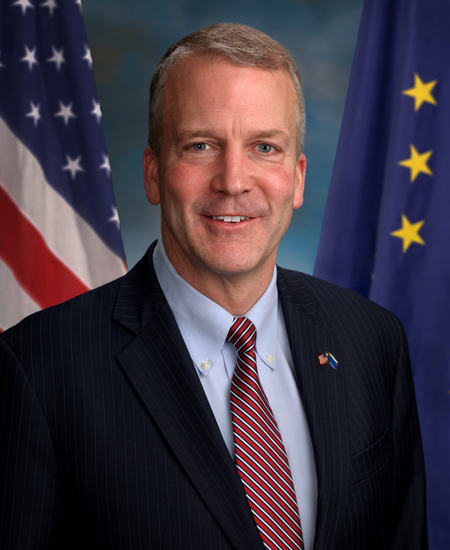
Dan Sullivan
Dan Sullivan Senate
R
Strong +
100% 6
Adam B. Schiff
Adam B. Schiff Senate
D
Strong −
0% 6
Angela D. Alsobrooks
Angela D. Alsobrooks Senate
D
Strong −
0% 6
Bernard Sanders
Bernard Sanders Senate
I
Strong −
0% 6
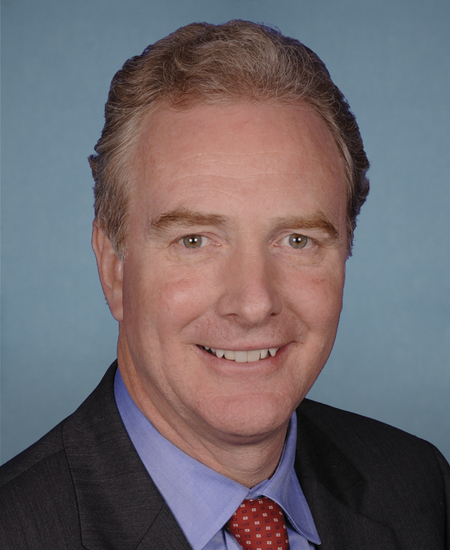
Chris Van Hollen
Chris Van Hollen Senate
D
Strong −
0% 6
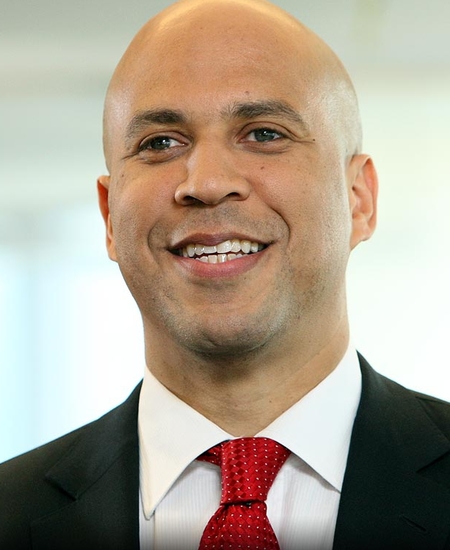
Cory A. Booker
Cory A. Booker Senate
D
Strong −
0% 6
Showing 191–200 of 260 bills

All education bills

in committee · United States · House Oct 28, 2025

HR 5850: GRAD Act

The GRAD Act (HR 5850) prevents colleges from changing or ending a student's enrollment status if federal financial aid under Title IV is delayed due to a government shutdown. It directly affects students receiving federal aid and the institutions that award it. The bill amends the Higher Education Act to require schools to maintain enrollment status during disruptions caused by lapses in government funding. This ensures students aren’t penalized for aid delays beyond their control during shutdowns.
in committee · United States · Senate Aug 5, 2026

S 3589: RISE Act

The RISE Act amends the Higher Education Act to improve support for college students with disabilities. It requires institutions to accept multiple forms of documentation (like high school IEPs or 504 plans) to verify disability status and mandates transparent, accessible processes for determining accommodation eligibility. Colleges must also report specific disability-related data to federal databases, including the number of students receiving accommodations and degree completions. Additionally, the bill authorizes $10 million annually (2027-2031) for a national center providing technical support to students with disabilities, without altering existing ADA definitions or rights.
Sub-Topics Higher Education K-12 Education Special Education Tags People with Disabilities
in committee · United States · Senate May 22, 2025

S 1895: Mental Health Excellence in Schools Act

S 1895, the Mental Health Excellence in Schools Act, creates a federal program to expand school-based mental health services by subsidizing graduate education costs for future school psychologists, counselors, and social workers. It authorizes $20-50 million annually (2026-2030) to cover up to 50% of tuition for students in accredited school-based mental health programs, requiring participating universities to match these funds. The program prioritizes students who received Federal Pell Grants or attended designated institutions under the Higher Education Act. Participating schools must report annually on student demographics, program coverage, and outcomes, with independent evaluations required after four years to assess effectiveness.
in committee · United States · House Mar 10, 2025

HR 2021: American Teacher Act

American Teacher Act This bill establishes grants to increase the minimum salary of public elementary and secondary school teachers. It also authorizes a national campaign regarding the value of the teaching profession. First, the bill directs the Department of Education (ED) to award four-year grants to state educational agencies (SEAs) and, through them, subgrants to local educational agencies to establish a minimum annual salary of $60,000 (to be adjusted annually for inflation) for these teachers. Second, the bill directs ED to award grants to eligible SEAs to provide cost-of-living adjustments to the annual base salary of teachers. Finally, the bill authorizes ED to carry out a national campaign to (1) increase awareness about the importance of teachers and the value of the teaching profession, (2) encourage secondary school and college students to consider teaching as a professional career, and (3) diversify the pool of individuals who enter the teaching profession.
in committee · United States · House Aug 12, 2025

HR 4965: Counseling for Career Choice Act

HR 4965, the Counseling for Career Choice Act, requires schools to strengthen career guidance programs for students. It directly affects K-12 school counselors and students by mandating specific components, including identifying local job market trends with workforce agencies, providing financial aid awareness, and developing personalized career plans. Key provisions require schools to create systems for counselors to access workforce data, offer professional development, and connect students to apprenticeships, internships, dual enrollment, and job training programs. The law also encourages using technology like AI tools to support career counseling and evaluate student outcomes. This focuses on preparing students for college and careers through structured, data-informed school counseling services.
in committee · United States · Senate Apr 1, 2025

S 1220: Savings Opportunity and Affordable Repayment Act

The Savings Opportunity and Affordable Repayment Act creates a new income-driven repayment plan for federal student loan borrowers, replacing the current Pay As You Earn and Income Contingent Repayment plans. Under this plan, monthly payments are calculated as 5% of income above 250% of the federal poverty line (with a minimum $0 or $10 payment), and 50% of each payment reduces principal while interest accrues only on unpaid balances. Borrowers qualify for full loan forgiveness after 120 payments (10 years) for undergraduate-only loans or 180 payments (15 years) for other eligible loans. The plan applies to borrowers with eligible federal loans and takes effect 180 days after enactment.
in committee · United States · Senate Jun 2, 2025

S 1924: Improving Mental Health Access for Students Act

S 1924, the Improving Mental Health Access for Students Act, requires colleges and universities covered by the Higher Education Act to include suicide prevention contact information on student identification cards or their websites. Specifically, it mandates that institutions include the 988 Suicide and Crisis Lifeline, Crisis Text Line, and their campus mental health center contact details on student IDs (or publish this information online if IDs aren't issued). The bill applies to all affected institutions and takes effect one year after enactment. It directly impacts students by making critical mental health resources more visible and accessible during emergencies. The law focuses on standardizing access to existing support services, not creating new programs.
in committee · United States · House Nov 21, 2025

HR 6282: Providing Distance Education for Foreign Institutions Act

This bill modifies the Higher Education Act to allow foreign institutions of higher education to offer distance learning courses that qualify for federal student aid. It sets three key requirements: distance education must not exceed 12.5% of a program, the institution must be evaluated by an outside accreditor, and students must physically attend instruction in the foreign country. The changes apply to foreign institutions seeking to provide hybrid programs where students receive aid under the Higher Education Act. The rules take effect after enactment, with a 3-month implementation period for the first qualifying semester.
in committee · United States · House Mar 11, 2025

HR 2057: Students Bill of Rights Act of 2025

The Students Bill of Rights Act of 2025 requires public colleges and universities receiving federal student aid funds to adopt clear, neutral policies protecting student organizations. It prohibits denying recognition based on lack of faculty advisors or national affiliations, mandates transparent standards for distributing student activity fees and setting security fees (without considering speech content), and requires accessible appeal processes for denied recognition or funding. Students harmed by violations can sue for damages, and institutions failing to comply risk losing federal funding after court rulings. The bill also demands public reporting of violations and compliance efforts to the Department of Education.
in committee · United States · Senate Feb 26, 2025

S 756: Freedom to Invest in Tomorrow’s Workforce Act

This bill amends the tax code to allow 529 college savings accounts to cover certain postsecondary credentialing costs, such as certifications, licenses, and apprenticeship fees, in addition to traditional tuition. It directly affects individuals using 529 accounts who pursue industry-recognized credentials (like IT certifications, nursing licenses, or registered apprenticeships) instead of degree programs. The key provision expands "qualified higher education expenses" under Section 529(e)(3) to include tuition, testing fees, and required continuing education for recognized credentials listed in state directories or federal systems (like the COOL directory). It defines "recognized" credentials based on industry standards, federal programs, or state approval. This change enables 529 account holders to use tax-advantaged savings for workforce training beyond traditional degree paths.
Showing 191 to 200 of 260 bills
Previous 1 … 19 20 21 … 26 Next