Issue · Education

Education (Teachers)

Every education bill, vote, and legislator stance in United States, automatically classified by Maddy, our AI policy reader.

Total bills
82
119th Congress
Top supporter
Adam B. Schiff
100% support rate
Top opponent
Alex Padilla
25% support rate
Ranked legislators
10
5 support · 5 oppose
Key legislators

Who's moving teachers in United States

Legislators moving teachers in United States
Legislator Party Stance Support rate Votes
Adam B. Schiff
Adam B. Schiff Senate
D
Strong +
100% 4
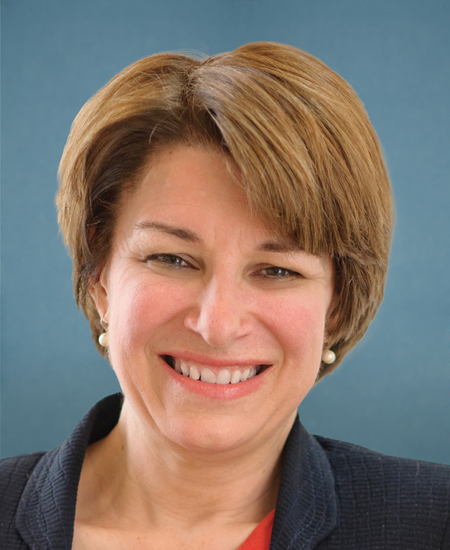
Amy Klobuchar
Amy Klobuchar Senate
D
Strong +
100% 4
Angela D. Alsobrooks
Angela D. Alsobrooks Senate
D
Strong +
100% 4
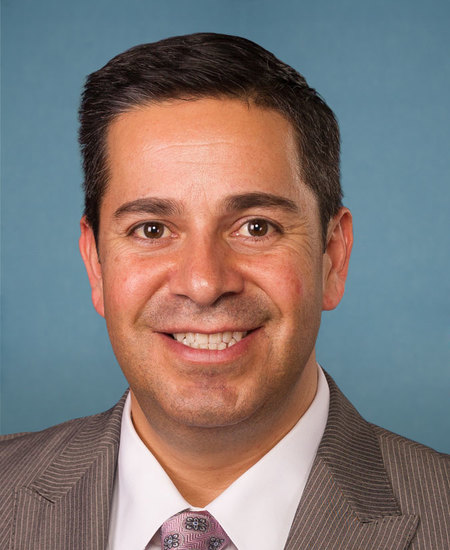
Ben Ray Luján
Ben Ray Luján Senate
D
Strong +
100% 4
Bill Cassidy
Bill Cassidy Senate
R
Strong +
100% 4
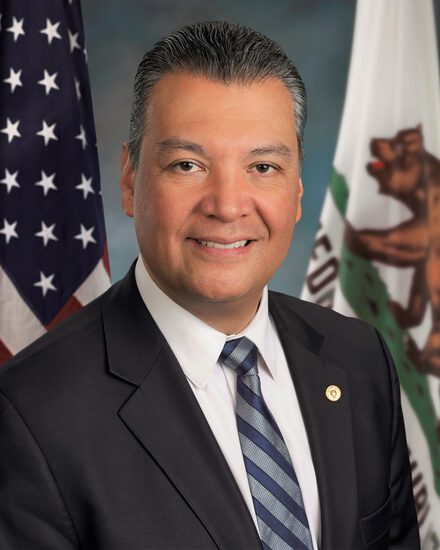
Alex Padilla
Alex Padilla Senate
D
Oppose
25% 4
Bernard Sanders
Bernard Sanders Senate
I
Oppose
25% 4
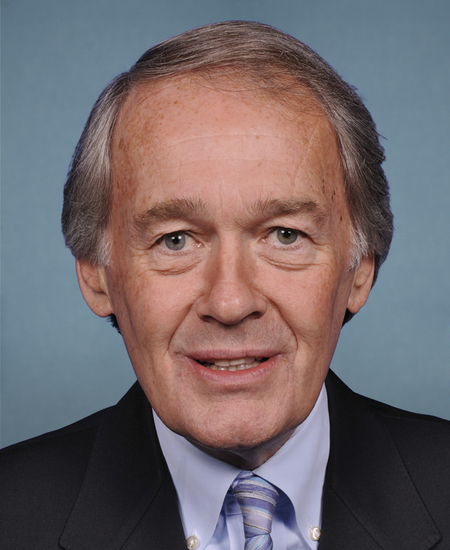
Edward J. Markey
Edward J. Markey Senate
D
Oppose
25% 4
Elizabeth Warren
Elizabeth Warren Senate
D
Oppose
25% 4
Jon Ossoff
Jon Ossoff Senate
D
Oppose
25% 4
Showing 1–10 of 82 bills

All education bills

in committee · United States · House Sep 2, 2026

HR 10232: To prohibit the transfer of certain offices and functions of the Department of Education to other Federal agencies, and for other purposes.

This bill prohibits the Department of Education from transferring specific program functions to other federal agencies, focusing on offices that manage special education, postsecondary education, Indian education, and elementary and secondary education. It blocks new interagency agreements for these areas but allows existing contracts in place as of February 1, 2025, to continue or be renewed with similar terms. The legislation also requires the Secretary of Education to submit quarterly cost reports to Congress detailing the financial impact of any new interagency arrangements made after that date. Finally, it restricts the use of certain administrative travel funds for the Secretary until these required cost analyses are provided.
in committee · United States · Senate Aug 5, 2026

S 5248: Early Childhood Educator Professional Improvement Act of 2026

The Early Childhood Educator Professional Improvement Act of 2026 authorizes the Secretary of Health and Human Services to award five-year grants to states to enhance the qualifications, pay, and professional development of early childhood educators. To receive funding, states must submit a comprehensive plan that includes establishing educator standards, creating career progression pathways, and coordinating with higher education institutions to offer accessible degree programs. Grant funds are specifically designated for providing scholarships, supporting credential attainment, increasing compensation for educators pursuing degrees, and offering ongoing training in areas such as cultural competence and child development. The legislation requires that these federal funds supplement rather than replace existing state or local resources, and states must maintain their own financial commitment to early childhood education at a level equal to or greater than the previous year.
in committee · United States · Senate Aug 6, 2026

S 5299: Native Language Educators in Classrooms Act

The Native Language Educators in Classrooms Act amends the Head Start Act to create distinct staffing qualification standards for Indian Head Start and Indian Early Head Start programs, separating them from the requirements applied to other center-based programs. Under this bill, teachers and teaching assistants in these specific tribal programs are permitted to be hired if they hold a child development associate credential, an early childhood education certificate from a college or university (including Tribal institutions), or a state-issued certificate that meets minimum standards. Alternatively, staff members may be hired with proof of enrollment in an approved education program, provided they complete the necessary coursework and earn their credential within two years of starting employment.
Sub-Topics Early Childhood Higher Education Teachers Tags Tribal Nations
in committee · United States · House Aug 3, 2026

HR 10030: Supporting Our Educators Act of 2026

The Supporting Our Educators Act of 2026 increases the tax deduction limit for unreimbursed classroom expenses for elementary and secondary school teachers from $250 to $600. This change directly affects teachers who pay for school-related costs out of pocket, allowing them to deduct a larger portion of these expenses from their taxable income. The provision becomes effective for tax years starting after December 31, 2025, and includes updates to the Internal Revenue Code to reflect the new dollar amount and applicable years.
in committee · United States · House Aug 6, 2026

HR 10057: Early Childhood Educator Professional Improvement Act of 2026

The Early Childhood Educator Professional Improvement Act of 2026 authorizes the Department of Health and Human Services to provide five-year grants to States aimed at improving the training, pay, and credentials of early childhood educators. To receive funding, States must submit detailed plans outlining how they will collaborate with various education and childcare groups to establish professional standards, create career ladders, and offer accessible higher education options for working educators. Grant money can be used to offer scholarships for bachelor's degrees, support educators in obtaining necessary licenses, raise salaries to match those of other professionals, and fund ongoing professional development in areas like child development and cultural competence. The bill requires that these federal funds supplement existing state and local resources rather than replace them, and it mandates that States maintain their current spending levels on these activities.
in committee · United States · House Aug 3, 2026

HR 10031: READ Act

The READ Act amends the Elementary and Secondary Education Act to improve reading instruction by defining specific terms like "science of reading" and "high-impact tutoring" and requiring states to exclude certain teaching models that rely on context clues. The bill directs federal literacy grants to states, with mandatory funding for low-performing states, to implement evidence-based strategies such as universal early literacy screenings, professional development for teachers, and the adoption of high-quality instructional materials. It also mandates that states report data on student progress and teacher training while prohibiting the Department of Education from issuing regulations that dictate specific instructional content or curricula. Additionally, the legislation expands research initiatives to study reading development and requires the federal government to provide states with detailed reports on academic outcomes and achievement gaps.
Sub-Topics Curriculum Teachers
in committee · United States · House Aug 3, 2026

HJRES 208: Proposing an amendment to the Constitution of the United States to require the United States and the States to jointly ensure a high-quality education to all persons within the United States.

This bill proposes adding a new clause to the U.S. Constitution that mandates the federal government, states, Indian Tribes, and territories to work together to guarantee high-quality education for every person in the country. The amendment would give Congress the authority to pass laws necessary to enforce and carry out this educational requirement. If approved by three-fourths of the states, it would create a permanent constitutional obligation for all levels of government to ensure access to quality schooling.
in committee · United States · House Jul 27, 2026

HR 9973: Indigenous Students Excel through Parity Act of 2026 (II)

The Indigenous Students Excel through Parity Act of 2026 directs the Secretary of the Interior to update the funding formula for Bureau of Indian Education schools and tribally controlled schools by the end of 2027. This update requires matching teacher salaries to the highest quartile of state averages and includes specific adjustments for small rural schools and the Havasupai Elementary School. The bill also mandates that future federal budgets fully fund these programs, adjusting amounts annually for inflation and ensuring non-teacher staff receive pay increases equal to federal employees. Additionally, the Secretary must submit a report to Congress evaluating the current funding adequacy and offering recommendations for further improvements.
Sub-Topics K-12 Education School Funding Teachers Tags Tribal Nations
in committee · United States · House Jul 16, 2026

HR 9765: Educators for America Act

The Educators for America Act amends the Higher Education Act to update how federal teacher quality partnerships select participants for their residency programs. Under this change, these partnerships must establish specific criteria for choosing eligible individuals and are required to prioritize recruiting people who are underrepresented in the teaching profession, including men. The legislation directly affects the organizations that run these residency programs and the individuals seeking to become teachers through them. By adjusting the selection rules, the bill aims to make the recruitment process more inclusive without altering the overall funding or structure of the partnerships.
Sub-Topics Teachers
in committee · United States · Senate Jul 15, 2026

S 4988: Advanced Coursework Equity Act

The Advanced Coursework Equity Act creates a federal grant program to help under-resourced schools increase access to advanced classes like Advanced Placement and gifted programs for students from historically underrepresented groups. To achieve this, the bill requires schools to use objective testing methods, such as universal screening, rather than relying solely on teacher recommendations to determine which students qualify for these courses. Funding is distributed to states, local school districts, and nonprofit organizations to support training for educators, expand course capacity, and provide tutoring, with a specific focus on improving outcomes in science, technology, engineering, and mathematics. The legislation mandates that recipients set specific enrollment goals for different student subgroups and report their progress to the Department of Education, while also offering bonus payments to those who make the most significant improvements in equity.
Sub-Topics Teachers
Showing 1 to 10 of 82 bills
1 2 3 9 Next