Issue · Budget & Taxes

Budget & Taxes

Every budget & taxes bill, vote, and legislator stance in United States, automatically classified by Maddy, our AI policy reader.

Total bills
2,352
119th Congress
Top supporter
Clay Fuller
87% support rate
Top opponent
Eleanor Holmes Norton
0% support rate
Ranked legislators
10
5 support · 5 oppose
Key legislators

Who's moving budget & taxes in United States

Legislators moving budget & taxes in United States
Legislator Party Stance Support rate Decisive votes
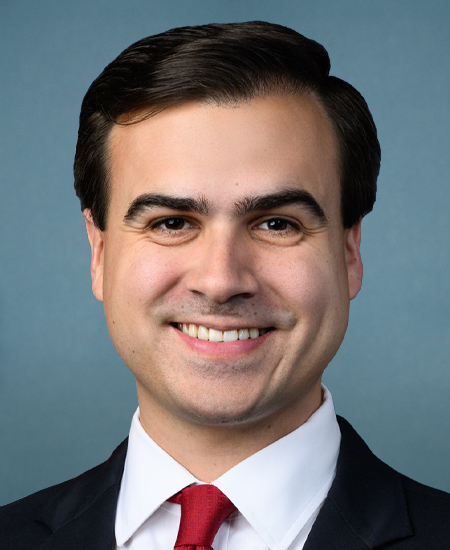
Clay Fuller
Clay Fuller House · District 14
R
Strong +
87% 46
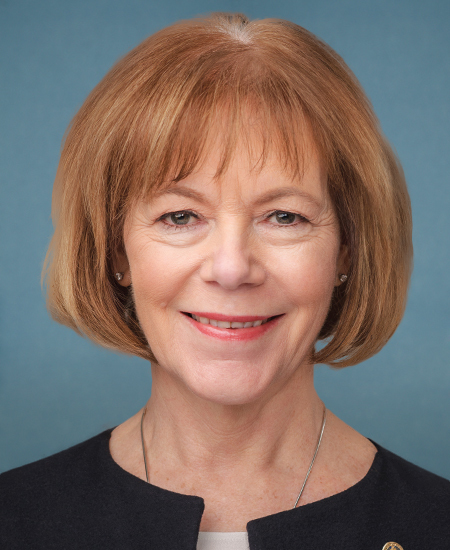
Tina Smith
Tina Smith Senate
D
Strong +
83% 77
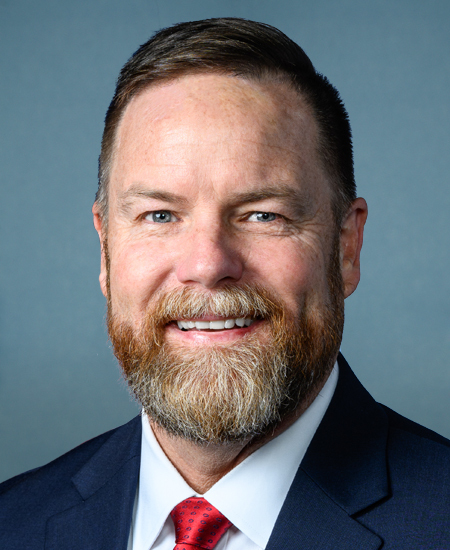
Andrew Ogles
Andrew Ogles House · District 5
R
Strong +
83% 65
Aaron Bean
Aaron Bean House · District 4
R
Strong +
83% 69
Ben Cline
Ben Cline House · District 6
R
Strong +
83% 69
Eleanor Holmes Norton
Eleanor Holmes Norton House · District At-Large
D
Strong −
0% 26
Pablo José Hernández
Pablo José Hernández House · District At-Large
D
Strong −
7% 28
Analilia Mejia
Analilia Mejia House · District 11
D
Strong −
13% 45
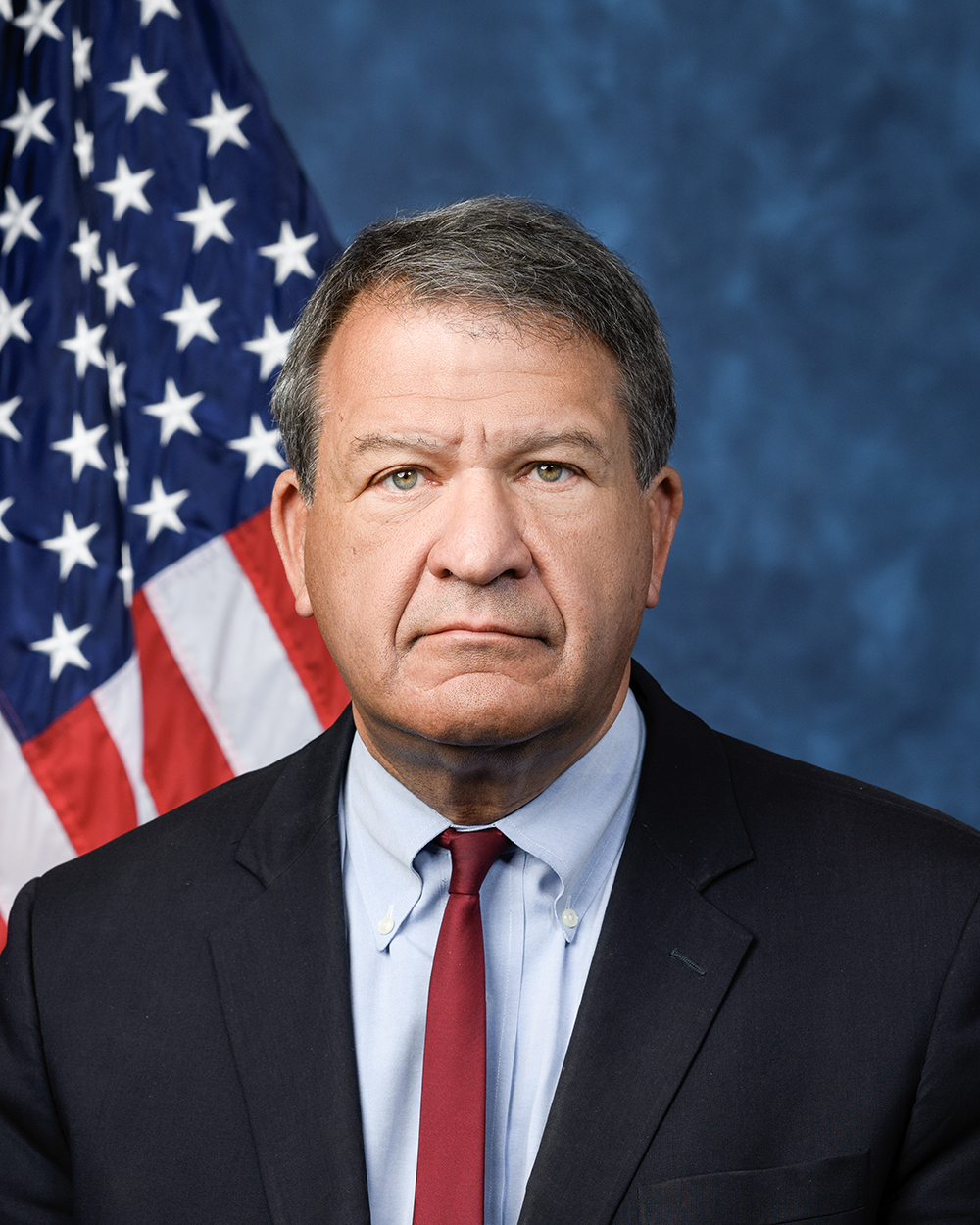
George Latimer
George Latimer House · District 16
D
Strong −
13% 67
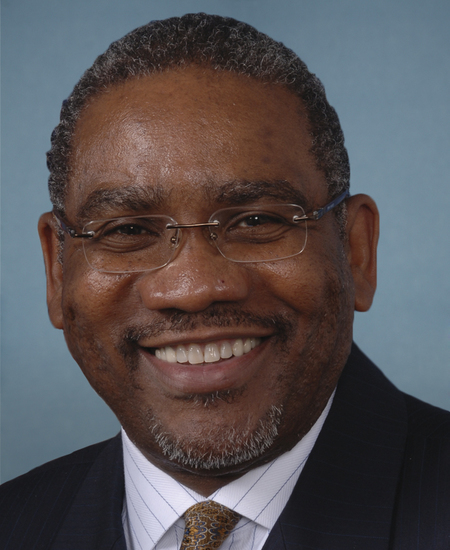
Gregory W. Meeks
Gregory W. Meeks House · District 5
D
Strong −
14% 66
Showing 2,121–2,130 of 2,352 bills

All budget & taxes bills

in committee · United States · Senate Jun 26, 2025

S 2187: Pay Down the Debt Act

S 2187, the "Pay Down the Debt Act," requires federal grant funds not accepted by states or local governments to be automatically rescinded from the federal budget. These rescinded funds must then be deposited into the Treasury's general fund specifically for reducing the national deficit. The bill directly affects states and local governments that decline federal grant offers, creating a new mechanism to redirect unclaimed federal resources toward deficit reduction without creating new programs or altering existing grant terms.
in committee · United States · House Jul 23, 2025

HR 4639: Infertility Treatment Affordability Act of 2025

This bill creates a 50% tax credit for qualified infertility treatments, allowing eligible individuals to reduce their federal income tax by half their eligible expenses. It directly affects people diagnosed with infertility or those needing fertility preservation (e.g., before cancer treatment) who pay for physician-provided care. The credit is capped at $5,000 annually (adjusted for inflation), phases out for taxpayers with adjusted gross income over $40,000, and cannot be claimed if expenses are covered by insurance or other programs. The credit applies to tax years beginning after December 31, 2024.
Sub-Topics Income Tax Tax Credits
in committee · United States · House Jan 15, 2025

HR 446: Endowment Tax Fairness Act

This bill increases the tax rate on investment income earned by private colleges and universities from 1.4% to 21%. It directly affects private institutions with significant endowments, requiring them to pay a higher tax on their investment returns. The revenue generated must be deposited into the federal Treasury to reduce the national deficit and debt. The tax applies to taxable years beginning after the bill's enactment date.
Sub-Topics Sales Tax State Budget
in committee · United States · Senate Dec 15, 2025

S 3478: Indian Buffalo Management Act

This bill authorizes the U.S. Department of the Interior to provide funding, contracts, and technical assistance to Indian Tribes and Tribal organizations for buffalo restoration and management on tribal lands. It requires the Department to consult with tribes on buffalo-related initiatives and allows tribes to receive surplus buffalo from federal land without cost. The law supports tribes in using buffalo for cultural preservation, subsistence, and economic development through programs like meat processing and habitat management. It explicitly protects tribal treaty rights and mandates that all actions align with tribal laws and management plans.
Sub-Topics Conservation Public Lands Tags Tribal Nations
introduced · United States · Senate Nov 8, 2025

S 3166: Returning Unspent COVID Funds Act

This bill rescinds unused funds from major 2020-2021 COVID relief laws, including the CARES Act, American Rescue Plan, and Paycheck Protection Program funding. It allows limited exceptions for national security programs if the President submits a waiver request within 60 days of enactment. The rescinded funds will remain in the Treasury's general fund specifically for reducing the federal deficit. The bill directly affects federal budget management by redirecting unspent pandemic relief resources.
Sub-Topics State Budget
in committee · United States · House Apr 21, 2025

HR 2981: USA CAR Act

HR 2981, the USA CAR Act, creates a new federal tax deduction for interest paid on loans used to purchase certain U.S.-assembled vehicles. It directly affects taxpayers who finance new cars meeting specific criteria: the vehicle must be manufactured with final assembly occurring within the United States (as defined by the Automobile Information Disclosure Act). The bill adds a new "qualified automobile interest" category to the tax code, allowing deductions for interest on loans taken out on or after January 1, 2025, for these qualifying vehicles. The deduction applies only to loans secured by the automobile and acquired after the specified date.
in committee · United States · House Jun 17, 2025

HR 4024: Filling Public Safety Vacancies Act

HR 4024, the Filling Public Safety Vacancies Act, allocates $162 million in federal funds for law enforcement agencies to hire or rehire additional officers under the Safe Streets Act. This funding directly affects state and local law enforcement agencies that receive grants under the program. Key provisions require agencies using these funds to conduct mandatory background checks and psychological evaluations for new officers, with the grant money covering these costs. The bill focuses on providing resources for officer recruitment while establishing specific hiring requirements for agencies utilizing the funds.
Sub-Topics Appropriations Firearms Law Enforcement Tags Public Safety
in committee · United States · House Mar 27, 2025

HR 2442: Freedom from Unfair Gun Taxes Act of 2025

The Freedom from Unfair Gun Taxes Act of 2025 would prohibit states and local governments from imposing taxes on the sale of firearms, ammunition, or firearm parts during interstate or foreign commerce. This bill directly affects state tax policies and manufacturers or dealers selling these items across state lines. It explicitly states that the bill does not change the existing federal tax on firearms and ammunition that funds wildlife conservation programs. The key provision bans state-level taxes for these sales in interstate transactions while preserving current federal funding mechanisms.
Sub-Topics Sales Tax
in committee · United States · House Feb 27, 2025

HR 1697: Child Tax Credit Relief for Puerto Rican Families Act

This bill allows residents of Puerto Rico to claim the refundable portion of the federal child tax credit, which they are currently excluded from. It amends the tax code to include Puerto Rico residents in the calculation of this credit, removing their current exclusion. The key change modifies Section 24(d)(1) of the Internal Revenue Code to treat Puerto Rico as eligible for the refundable credit, similar to U.S. states. The changes take effect for tax years beginning after December 31, 2024, directly benefiting Puerto Rican families who qualify for the credit.
Sub-Topics Tax Credits
introduced · United States · Senate Dec 11, 2025

S 3385: Lower Health Care Costs Act

Lower Health Care Costs Act This bill extends for three years, through 2028, temporary changes enacted by the American Rescue Plan Act of 2021 (ARPA) and the Inflation Reduction Act of 2022 (IRA) that generally expand eligibility for and increase the amount of the premium tax credit.  Currently, eligible taxpayers may be able to claim the premium tax credit, which applies toward the cost of obtaining health insurance through health insurance exchanges. To be eligible for the premium tax credit, a taxpayer’s household income must meet or exceed 100% of the federal poverty level (FPL) and, after 2025, may not exceed 400% of the FPL (maximum income limit). For 2021-2025, the ARPA and IRA eliminated the maximum income limit, which generally expands eligibility for the premium tax credit. Further, under current law, the amount of the premium tax credit is (1) generally the plan premium (conditions apply), minus (2) the taxpayer’s household income multiplied by the applicable percentage. The applicable percentage is a specific percentage that varies depending on which of six income ranges (adjusted for inflation after 2025) the taxpayer’s household income falls within. For 2021-2025, the ARPA and IRA lowered the applicable percentages and eliminated the adjustment of the applicable percentages for inflation, which generally increases the amount of the premium tax credit. The bill extends for three years, through 2028, the elimination of the 400% maximum income limit, the lower applicable percentages, and the elimination of the inflation adjustment for the applicable percentages.
Sub-Topics Tax Credits Insurance
Showing 2,121 to 2,130 of 2,352 bills