

Issue · Budget & Taxes
Budget & Taxes
Every budget & taxes bill, vote, and legislator stance in United States, automatically classified by Maddy, our AI policy reader.
Total bills
2,352
119th Congress
Top supporter
Clay Fuller
87% support rate
Top opponent
Eleanor Holmes Norton
0% support rate
Ranked legislators
10
5 support · 5 oppose
Key legislators
Who's moving budget & taxes in United States
| Legislator | Party | Stance | Support rate | Decisive votes |
|---|---|---|---|---|

Clay Fuller
House · District 14
|
R |
Strong +
|
87% | 46 |

Tina Smith
Senate
|
D |
Strong +
|
83% | 77 |

Andrew Ogles
House · District 5
|
R |
Strong +
|
83% | 65 |

Aaron Bean
House · District 4
|
R |
Strong +
|
83% | 69 |

Ben Cline
House · District 6
|
R |
Strong +
|
83% | 69 |

Eleanor Holmes Norton
House · District At-Large
|
D |
Strong −
|
0% | 26 |

Pablo José Hernández
House · District At-Large
|
D |
Strong −
|
7% | 28 |

Analilia Mejia
House · District 11
|
D |
Strong −
|
13% | 45 |
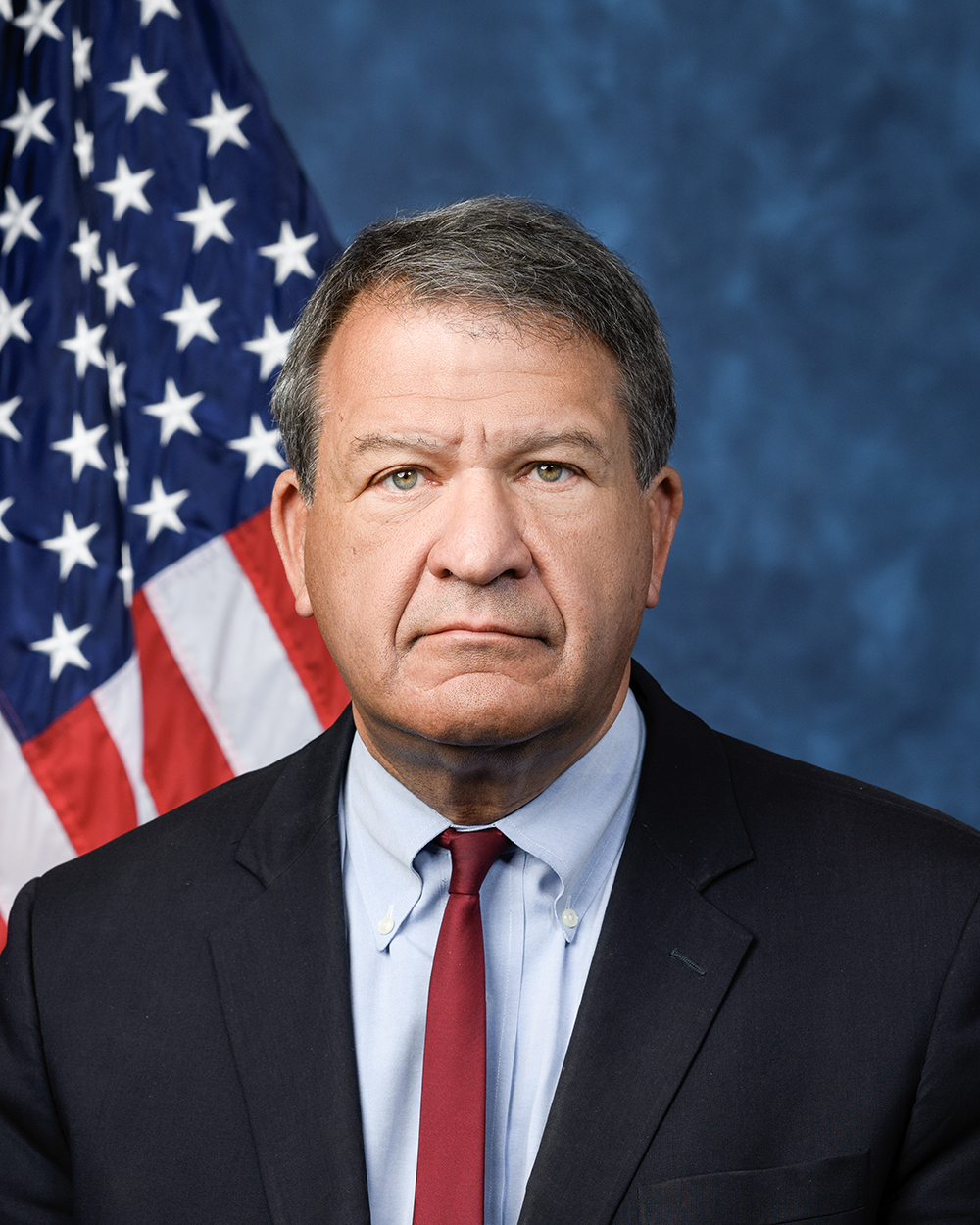
George Latimer
House · District 16
|
D |
Strong −
|
13% | 67 |

Gregory W. Meeks
House · District 5
|
D |
Strong −
|
14% | 66 |
Showing 2,111–2,120 of 2,352
bills
All budget & taxes bills
S 3002: Pay Our Military Act of 2025
Sub-Topics
Appropriations
HR 6824: To amend the Internal Revenue Code of 1986 to establish a tax credit for qualified combined heat and power system property, and for other purposes.
Topics
✓ Budget & TaxesSupports Budget & TaxesBill establishes a 10% federal tax credit for qualifying CHP systems, providing tax relief to businesses and advancing fiscal incentives for energy efficiency through targeted tax policy.
✓ EnergySupports EnergyCreates 10% tax credit for efficient CHP systems (>60% efficiency), promoting energy efficiency and clean infrastructure investment per bill's explicit provisions.
✓ EnvironmentSupports EnvironmentBill provides 10% tax credit for high-efficiency CHP systems (60%+ efficiency), reducing energy waste and emissions per EPA definitions of clean energy incentives.
HR 4330: To amend the Internal Revenue Code of 1986 to establish the Early Childhood Education Trust Fund consisting of amounts paid for the estate tax and made available to fund child care services, and for other purposes.
Sub-Topics
Revenue
HR 1426: To amend the Internal Revenue Code of 1986 to increase the amount allowed as a credit under the expenses for household and dependent care services credit and the employer-provided child care credit.
Topics
✓ Budget & TaxesSupports Budget & TaxesIncreases tax credits for childcare expenses, providing direct tax relief to working families and employers, aligning with middle-income tax relief indicators.
✓ Labor & EmploymentSupports Labor & EmploymentIncreases childcare tax credits, reducing financial barriers for working parents and supporting labor force participation and employment stability.
HR 523: Permanent Tax Cuts for American Families Act of 2025
Sub-Topics
Income Tax
HR 137: TCJA Permanency Act
HR 73: Abortion Is Not Health Care Act of 2025
Topics
✗ Budget & TaxesOpposes Budget & TaxesRemoves tax deduction for abortion expenses, restricting tax benefits under IRS code, directly opposing tax deduction policies.
✗ HealthcareOpposes HealthcareExcludes abortion costs from tax-deductible medical expenses, restricting financial access to abortion services classified under healthcare coverage.
HCONRES 12: Supporting the Local Radio Freedom Act.
S 3759: SAF Act
Topics
✓ Budget & TaxesSupports Budget & TaxesIncreases tax credits for SAF producers ($1.75/gal, 35¢/gal) and extends incentives through 2033, directly advancing tax policy to support sustainable fuels.
✓ EnergySupports EnergyIncreases tax credits for sustainable aviation fuel (SAF) producers, promoting renewable energy development and extending incentives through 2033 while excluding fossil fuel derivatives.
✓ EnvironmentSupports EnvironmentBoosts tax credits for sustainable aviation fuel (SAF) production, promoting cleaner energy alternatives and excluding environmentally harmful palm oil-based fuels to reduce emissions.
✓ TransportationSupports TransportationBill increases tax credits for sustainable aviation fuel (SAF), directly promoting sustainable transportation infrastructure and aligning with 'promotes sustainable transportation' indicator.