Issue · Budget & Taxes

Budget & Taxes

Every budget & taxes bill, vote, and legislator stance in United States, automatically classified by Maddy, our AI policy reader.

Total bills
2,411
119th Congress
Top supporter
Clay Fuller
87% support rate
Top opponent
Eleanor Holmes Norton
0% support rate
Ranked legislators
10
5 support · 5 oppose
Key legislators

Who's moving budget & taxes in United States

Legislators moving budget & taxes in United States
Legislator Party Stance Support rate Decisive votes
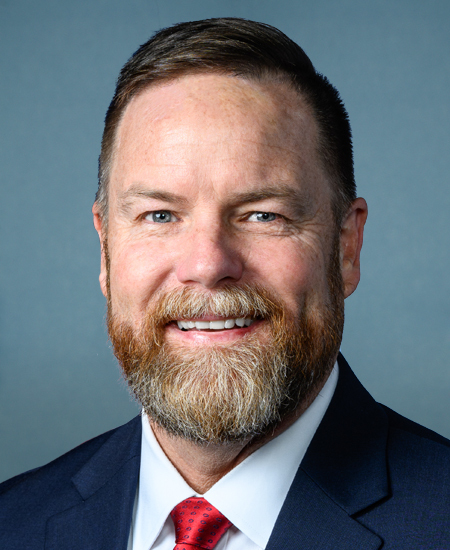
Clay Fuller
Clay Fuller House · District 14
R
Strong +
87% 46
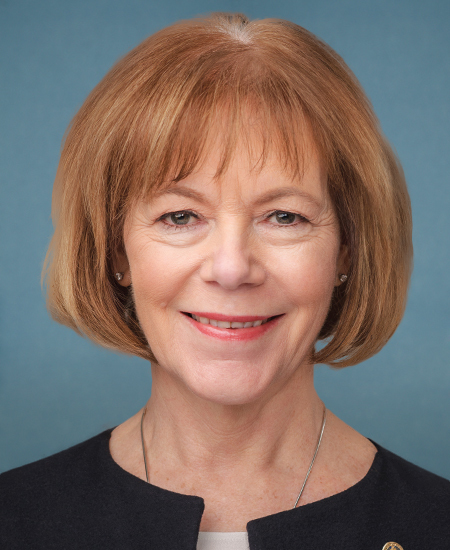
Tina Smith
Tina Smith Senate
D
Strong +
83% 77
Andrew Ogles
Andrew Ogles House · District 5
R
Strong +
83% 65
Aaron Bean
Aaron Bean House · District 4
R
Strong +
83% 69
Ben Cline
Ben Cline House · District 6
R
Strong +
83% 69
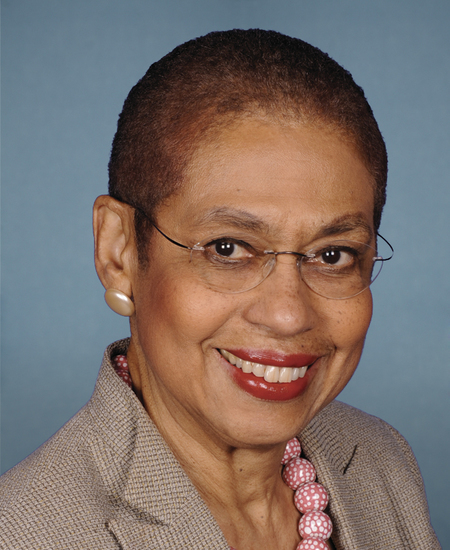
Eleanor Holmes Norton
Eleanor Holmes Norton House · District At-Large
D
Strong −
0% 26
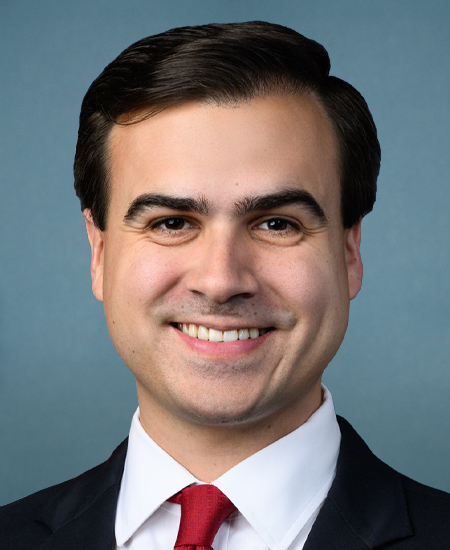
Pablo José Hernández
Pablo José Hernández House · District At-Large
D
Strong −
7% 28
Analilia Mejia
Analilia Mejia House · District 11
D
Strong −
13% 45
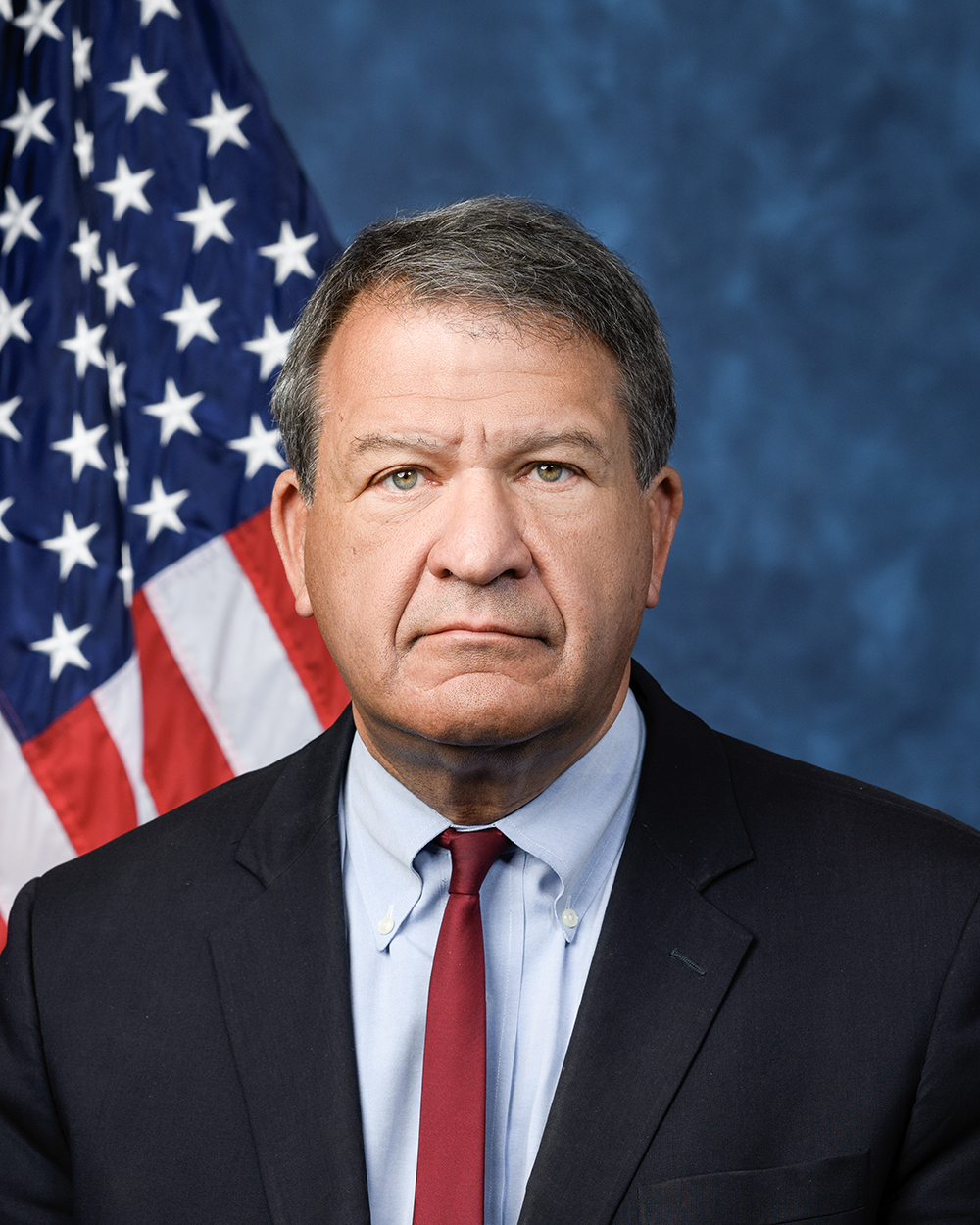
George Latimer
George Latimer House · District 16
D
Strong −
13% 67
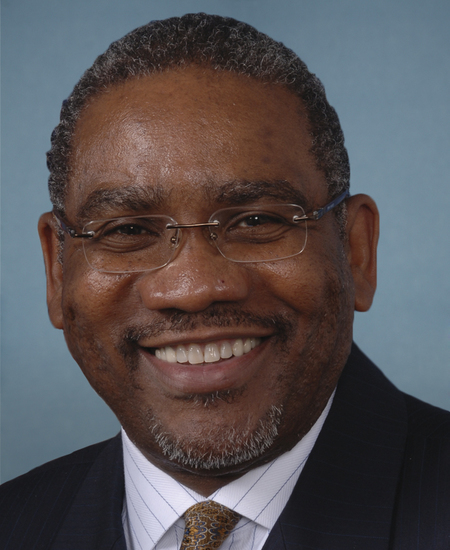
Gregory W. Meeks
Gregory W. Meeks House · District 5
D
Strong −
14% 66
Showing 1,941–1,950 of 2,411 bills

All budget & taxes bills

in committee · United States · Senate Jun 11, 2025

S 2021: Close the Round-Tripping Loophole Act

This bill amends U.S. tax law to close a loophole allowing companies to artificially shift profits between U.S. and foreign subsidiaries to reduce taxes. It directly affects U.S. corporations with foreign subsidiaries that engage in "round-tripping" - moving profits through transactions involving U.S.-sold property or services without proper documentation of foreign use. The key mechanism creates a "round-tripping ratio" that reduces tax benefits for profits tied to these practices by calculating the percentage of income derived from such transactions relative to total foreign income. Small businesses with average annual gross receipts under $100 million are exempt from this calculation. The changes apply to tax years beginning after the bill's enactment.
Sub-Topics Business Taxes
in committee · United States · Senate Jan 29, 2025

S 317: Charitable Act

This bill, S 317 (Charitable Act), creates a new federal income tax deduction for charitable contributions for individuals who do not itemize deductions (the majority of taxpayers). It allows these taxpayers to deduct up to one-third of their standard deduction amount for charitable gifts in 2026 and 2027. The bill also eliminates penalties related to charitable deduction errors under tax code sections 6662 and 6664. The changes apply to tax returns filed for 2026 and 2027 tax years.
Sub-Topics Income Tax Tax Credits
in committee · United States · Senate Dec 2, 2025

S 3299: DSH in Tennessee Act

S 3299, the "DSH in Tennessee Act," permanently restores federal funding for hospitals in Tennessee that serve many low-income patients, directly affecting those hospitals. For fiscal year 2026, it sets Tennessee's funding level equal to its 2015 amount, adjusted annually for inflation using the consumer price index. Starting in 2027, Tennessee will be treated as a "low DSH state," receiving annual funding increases based on the same inflation adjustment used for similar states. This bill specifically changes how Tennessee's Medicaid Disproportionate Share Hospital (DSH) funding is calculated and allocated.
Sub-Topics Hospitals Medicaid
in committee · United States · Senate Nov 20, 2025

S 3265: Improve and Enhance the Work Opportunity Tax Credit Act

This bill extends and expands the Work Opportunity Tax Credit (WOTC), which helps employers hire from targeted groups like veterans, long-term welfare recipients, and individuals in high-unemployment areas. It extends the program through 2030 (from 2025), increases the credit rate to 50% for certain new hires (up from 40%), adds automatic annual inflation adjustments to key dollar amounts, and expands eligibility to include military spouses and people receiving SNAP benefits without an age limit. Employers hiring from these groups will see higher tax credits for qualifying wages, with new rules specifically for agricultural workers, summer youth employees, and veterans. The changes apply to workers hired after December 2025.
in committee · United States · Senate Sep 9, 2025

S 2749: A bill to exempt Medicare from any sequestration under Statutory PAYGO that is caused by the One Big Beautiful Bill Act.

S 2749 exempts Medicare programs from automatic budget cuts (sequestration) caused by the budgetary effects of the "One Big Beautiful Bill Act" (a separate bill). This means Medicare funding under the Social Security Act would not face reductions triggered by that specific legislation's spending impacts. The bill directly affects Medicare beneficiaries and programs by ensuring their funding remains protected from these automatic cuts. It achieves this through a specific exemption clause in the Statutory PAYGO Act's sequestration rules.
Sub-Topics Medicare
in committee · United States · Senate Apr 14, 2026

S 2378: SAFEGUARDS Act of 2025

The SAFEGUARDS Act of 2025 ensures that revenue from the 9/11 Security Fee (paid by airline passengers) is used exclusively for aviation security, ending its diversion to other government purposes by 2027. It creates two dedicated funds: the Aviation Security Capital Fund (receiving $250 million annually through 2025, then $500 million annually starting in 2026) for general security improvements, and the Aviation Security Checkpoint Technology Fund (receiving $250 million annually starting in 2026) specifically for security screening technology like baggage scanners and exit lanes. The bill requires the Transportation Security Administration (TSA) to collect sufficient fees to fund these amounts and allows retroactive grants for security technology projects implemented since 2023. This directly affects TSA operations, airports, and passenger fees, with no new taxes or fees imposed.
Sub-Topics State Budget
in committee · United States · Senate Feb 19, 2025

S 631: Rural Historic Tax Credit Improvement Act

The Rural Historic Tax Credit Improvement Act increases tax credits for rehabilitating historic buildings in rural areas. It provides a 40% credit for affordable housing projects (where at least half the building meets affordability standards) and a 30% credit for other rural historic projects, with a $5 million cap on eligible costs. Taxpayers can transfer these credits to other taxpayers, requiring certification and reporting to the IRS. The bill also adds recapture rules for projects failing to meet affordable housing requirements and removes a basis adjustment for these credits, effective for projects placed in service after 2025.
in committee · United States · House Jun 30, 2025

HR 4267: Get Your Money Back Act

HR 4267, the "Get Your Money Back Act," requires the federal government to continue operating the IRS's free Direct File tax return system and mandates that all 50 states and the District of Columbia must participate in this system for tax years beginning after December 31, 2025. The bill directly affects taxpayers who use the free e-filing option and state tax authorities responsible for implementing the system. Key provisions include requiring the Treasury Secretary to maintain the existing free Direct File program and obligating states to join by 2026. This creates a nationwide, no-cost option for filing federal taxes through state tax agencies. The law focuses on expanding access to a specific tax filing mechanism, not on refund amounts or financial benefits.
in committee · United States · House Apr 17, 2025

HR 2927: All-Americans Tax Relief Act of 2025

The All-Americans Tax Relief Act of 2025 would significantly expand tax benefits for low-to-moderate income individuals and families. Key provisions include making the Child Tax Credit fully refundable (allowing payments even if taxpayers owe no income tax), expanding the Earned Income Tax Credit with higher maximum amounts, and creating new deductions for medical expenses, daycare, commuting, tutoring, and credit card interest. The bill would also establish a rent deduction for primary residences and exclude certain discharged debt from taxable income. These changes would apply to tax years beginning after December 31, 2026, and would primarily benefit working families with children and lower-income taxpayers.
in committee · United States · House Feb 21, 2025

HR 1447: No Deductions for Marijuana Businesses Act

This bill prohibits marijuana businesses from deducting ordinary business expenses on their federal tax returns. It amends federal tax law to deny deductions or credits for any costs related to selling marijuana (which remains illegal under federal law), directly affecting state-legal marijuana businesses operating under state law but subject to federal prohibition. The key provision requires these businesses to pay taxes on their full gross income without subtracting standard business costs like rent or supplies. The rule applies to tax years beginning after the bill's enactment date.
Showing 1,941 to 1,950 of 2,411 bills