Issue · Budget & Taxes

Budget & Taxes

Every budget & taxes bill, vote, and legislator stance in United States, automatically classified by Maddy, our AI policy reader.

Total bills
2,411
119th Congress
Top supporter
Clay Fuller
87% support rate
Top opponent
Eleanor Holmes Norton
0% support rate
Ranked legislators
10
5 support · 5 oppose
Key legislators

Who's moving budget & taxes in United States

Legislators moving budget & taxes in United States
Legislator Party Stance Support rate Decisive votes
Clay Fuller
Clay Fuller House · District 14
R
Strong +
87% 46
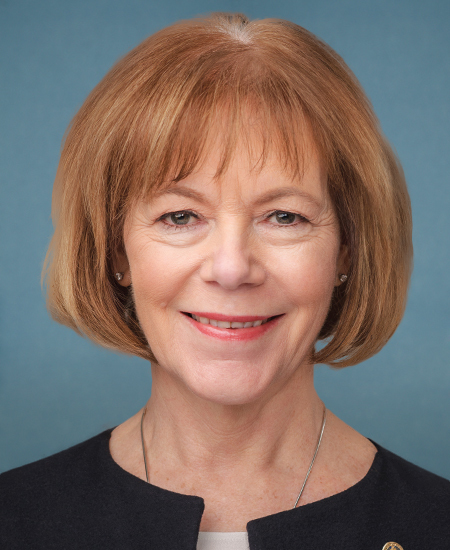
Tina Smith
Tina Smith Senate
D
Strong +
83% 77
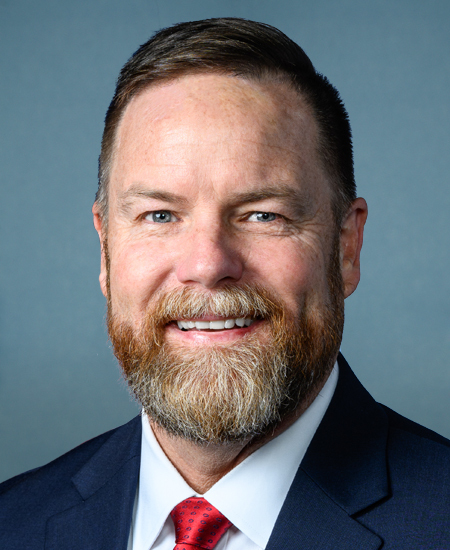
Andrew Ogles
Andrew Ogles House · District 5
R
Strong +
83% 65
Aaron Bean
Aaron Bean House · District 4
R
Strong +
83% 69
Ben Cline
Ben Cline House · District 6
R
Strong +
83% 69
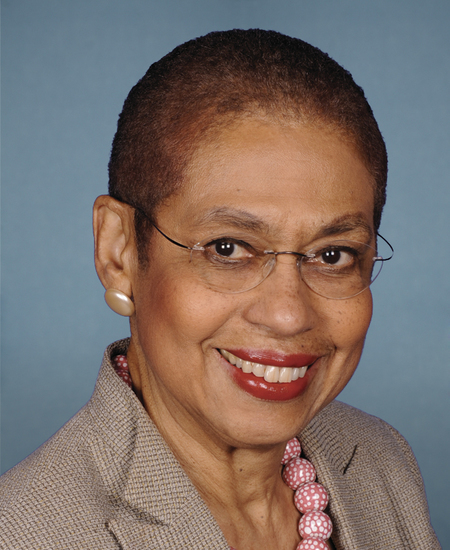
Eleanor Holmes Norton
Eleanor Holmes Norton House · District At-Large
D
Strong −
0% 26
Pablo José Hernández
Pablo José Hernández House · District At-Large
D
Strong −
7% 28
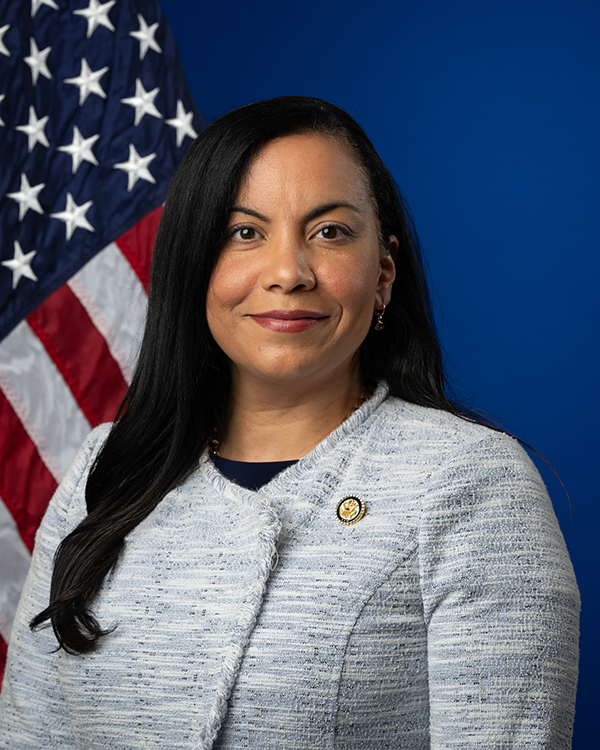
Analilia Mejia
Analilia Mejia House · District 11
D
Strong −
13% 45
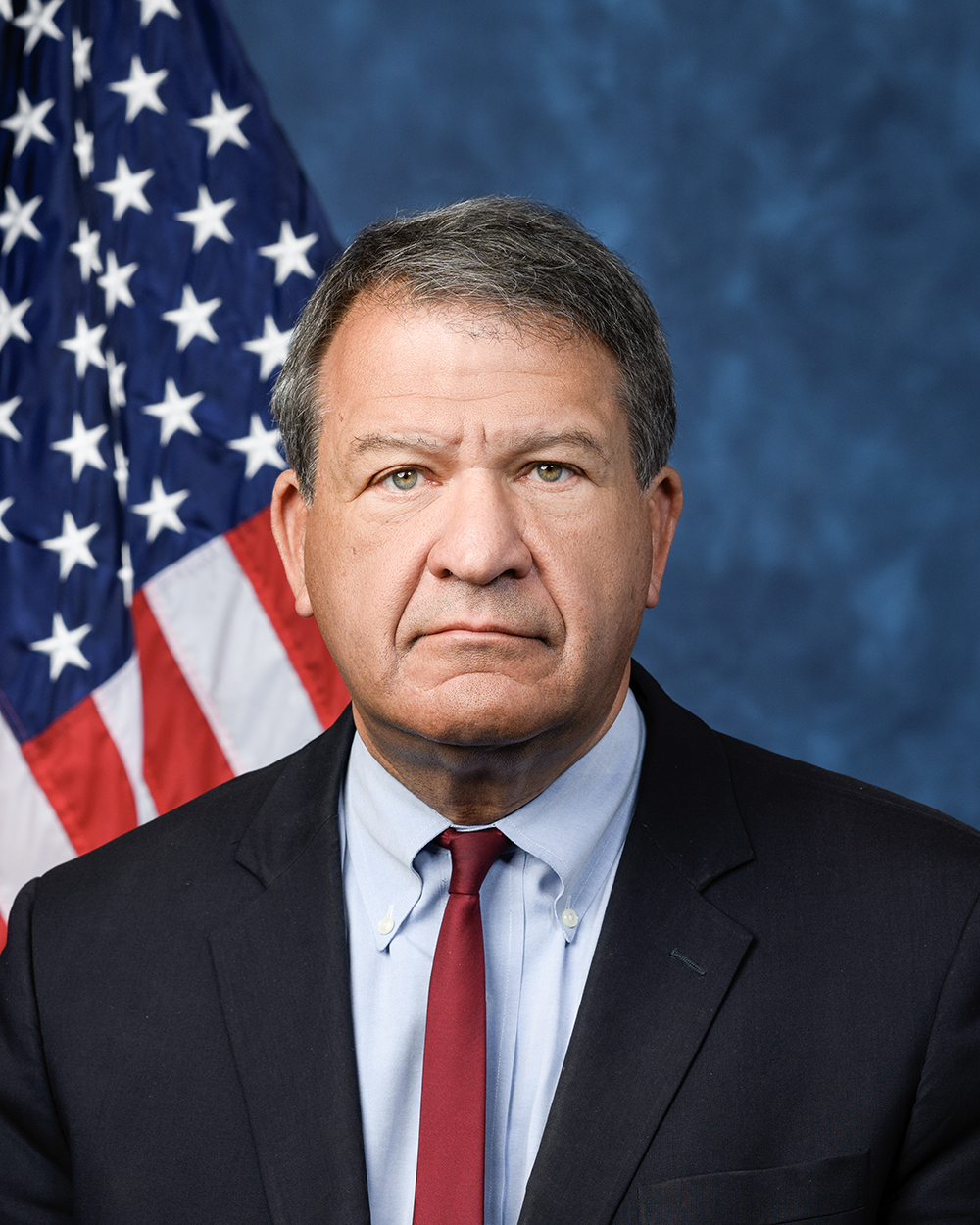
George Latimer
George Latimer House · District 16
D
Strong −
13% 67
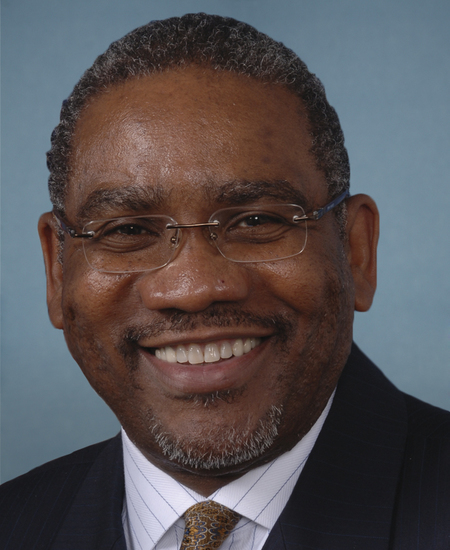
Gregory W. Meeks
Gregory W. Meeks House · District 5
D
Strong −
14% 66
Showing 1,721–1,730 of 2,411 bills

All budget & taxes bills

in committee · United States · Senate Mar 4, 2025

S 838: ACRE Act of 2025

The ACRE Act of 2025 excludes interest income from certain rural and agricultural loans from taxable income for specific lenders. It directly affects qualified lenders (like banks, farm credit institutions, and insurance companies) and borrowers securing loans for rural property, including single-family homes in rural areas or agricultural land. Key provisions allow lenders to not count interest on qualifying loans as taxable income, provided the loans are secured by eligible rural/agricultural property, don’t exceed $750,000 for single-family homes, and avoid "foreign adversary entities" (like China, Russia, or Iran). The bill also requires a Treasury report on the policy’s impact after five years.
Tags Agriculture Rural Communities
in committee · United States · Senate Mar 4, 2025

S 300: DLARA

This bill, the Disaster Loan Accountability and Reform Act (DLARA), requires the Small Business Administration (SBA) to improve transparency and oversight of disaster loans. Key provisions include mandating monthly reports on loan funding status (e.g., notifying Congress when unobligated funds drop below 10% of the latest appropriation), requiring detailed budget explanations for disaster loan costs, and prohibiting loan forgiveness without congressional authorization. It also restricts the SBA from issuing rules that increase program costs and mandates reviews by the GAO and SBA Inspector General into recent loan program changes and funding shortfalls. The bill directly affects SBA operations and reporting to Congress, focusing on accountability rather than altering loan eligibility or benefits for borrowers.
Sub-Topics Appropriations
in committee · United States · Senate Jan 23, 2025

S 213: Main Street Tax Certainty Act

S 213, the Main Street Tax Certainty Act, makes the qualified business income deduction permanent for small business owners. It directly affects pass-through business owners (like sole proprietors and small partnerships) who currently benefit from this tax break. The bill removes the temporary expiration of Section 199A of the tax code, providing long-term certainty for these taxpayers by ensuring they can continue deducting up to 20% of their qualified business income.
Sub-Topics Business Taxes Tax Incentives Tags Small Business
in committee · United States · Senate May 13, 2025

S 1723: Equitable Access to School Facilities Act

S 1723, the Equitable Access to School Facilities Act, provides federal funding to help states create or improve programs that support charter schools' access to facilities. It authorizes $100 million annually (2026-2030) for competitive grants to state education agencies, prioritizing states that expand charter school access to public buildings, provide tax-exempt financing, or grant charter schools first rights to purchase surplus public property. States using these funds must focus on reducing facility funding gaps between charter schools and traditional public schools, particularly in low-income and rural communities, while supplementing (not replacing) existing state funding. The bill also includes provisions for technical assistance and grants to help charter schools meet building codes and secure facilities.
in committee · United States · House Jan 21, 2025

HR 570: To amend the Internal Revenue Code of 1986 to allow the child tax credit with respect to stillbirths.

This bill amends the tax code to allow taxpayers to claim the child tax credit for stillborn children carried for 20 weeks or more. It directly affects parents who experience stillbirths after 20 weeks of pregnancy by treating the unborn child as a "qualifying child" for tax credit purposes, as if the child had been born alive. Key provisions adjust existing tax rules to exclude the stillborn child from standard eligibility restrictions (like requiring a social security number) if the child would have qualified had it been born. The change applies to tax returns filed for years after the bill becomes law.
Sub-Topics Tax Credits
in committee · United States · Senate Jun 5, 2025

S 1968: Working Waterfronts Act of 2025

The Working Waterfronts Act of 2025 provides financial support to coastal communities and industries through multiple programs. It creates a tax credit for hydroelectric facilities that improve fish passage and water quality, offers Department of Agriculture loans and grants for fishing and mariculture businesses, and establishes grants to support rural seafood processing infrastructure. The bill also includes a working waterfronts preservation grant program to protect areas used by commercial fishing, mariculture, and boatbuilding industries, and creates a maritime workforce grant program to support training and education. These provisions directly affect commercial fishing businesses, seafood processors, coastal communities, and maritime workers.
in committee · United States · Senate May 8, 2025

S 1690: Medicare and Social Security Fair Share Act

This bill would adjust Social Security and Medicare tax provisions for high-income earners. It would raise the Social Security wage base to $400,000 (so income above this level would no longer be subject to Social Security tax) while adding a new 1.2% tax on wages exceeding $400,000 (or $500,000 for joint returns). It would similarly create a 1.2% tax on self-employment income above $400,000. Additionally, it would impose a 13.6% tax on investment income for individuals with modified adjusted gross income above $400,000. The revenue generated would be allocated to Social Security and Medicare trust funds, with 71.3% going to Old-Age and Survivors, 10.3% to Disability Insurance, and 28.7% to Hospital Insurance.
in committee · United States · Senate May 1, 2025

S 1565: Lowering Costs for Caregivers Act of 2025

This bill expands tax-advantaged health accounts to cover medical expenses for parents. It modifies federal tax rules for Health Savings Accounts (HSAs), Flexible Spending Accounts (FSAs), and Archer MSAs, allowing adult children to use these accounts to pay for their parents' medical care without triggering tax penalties. Specifically, it adds parents to the list of eligible family members under existing IRS definitions. The changes apply to expenses incurred after December 31, 2025, directly benefiting caregivers who pay for their aging parents' healthcare costs.
in committee · United States · Senate Apr 30, 2025

S 1532: A bill to amend the Internal Revenue Code of 1986 to modify the railroad track maintenance credit.

This bill increases the annual limit on the tax credit for qualified railroad track maintenance expenses (also referred to as the short line railroad tax credit) and expands eligibility for claiming the credit. Under current law, the tax credit is limited each tax year to $3,500 multiplied by the sum of the number of miles of railroad track owned or leased by the taxpayer (miles owned or leased) and the number of railroad track miles assigned to the taxpayer by a Class II or III railroad (miles assigned). This bill increases the annual limit to $6,100 multiplied by the sum of miles owned or leased and miles assigned. The $6,100 amount used in the calculation of the tax credit limit is adjusted for inflation for tax years beginning after 2025. The bill also expands eligibility for the tax credit to include gross expenses for maintaining railroad tracks owned or leased as of January 1, 2024. Under current law, the tax credit is limited to gross expenses for maintaining railroad tracks owned or leased as of January 1, 2015.
Sub-Topics Tax Credits Rail
in committee · United States · House Jan 16, 2025

HR 486: Young Americans Financial Literacy Act

HR 486, the Young Americans Financial Literacy Act, authorizes $27.5 million to $55 million annually through 2029 to fund competitive grants for centers of excellence focused on financial literacy education for individuals aged 8-24. These centers, established by eligible institutions like schools, nonprofits, or financial organizations, must develop research-based programs covering budgeting, debt management, student loan guidance, and avoiding pitfalls like predatory lending. The bill specifically requires programs to address at-risk populations, include evidence-based teaching methods, and serve groups such as high school graduates, college students, young families, and military personnel. It mandates annual reporting to Congress on grant recipients and the populations they serve, with funding ending in 2029.
Showing 1,721 to 1,730 of 2,411 bills